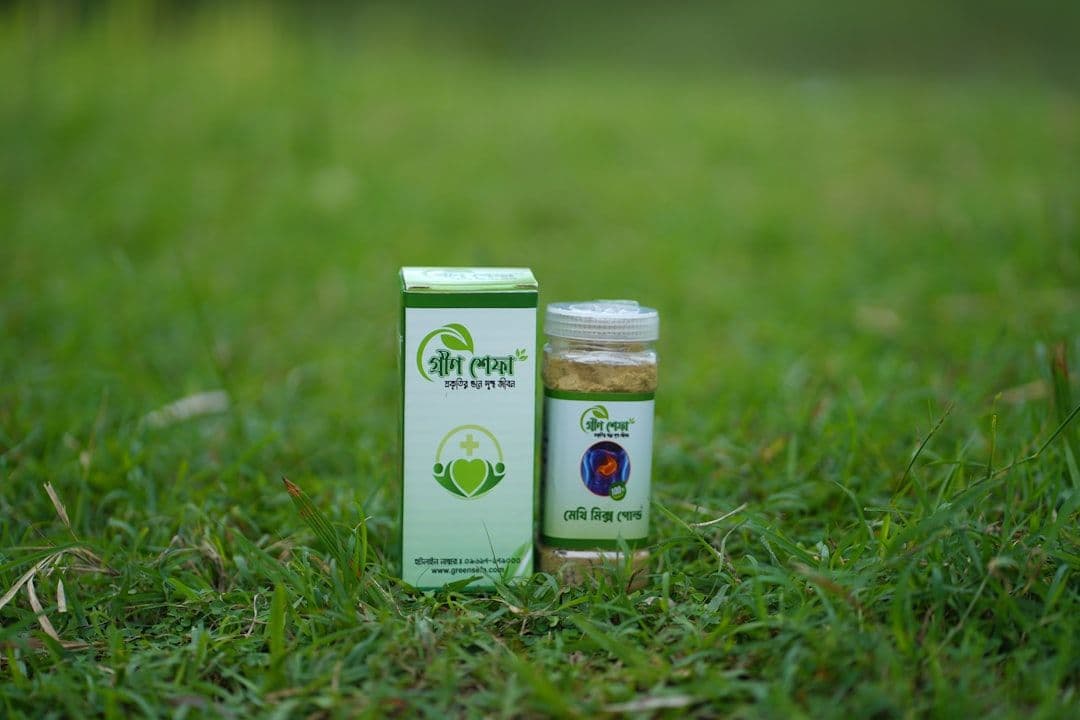
What Makes a Supplement 'Organic'
Walk into any health shop and you'll find shelves lined with supplements bearing organic labels. But what distinguishes an organic vitamin C tablet from its conventional counterpart isn't immediately obvious to most people.
Organic supplements must meet strict certification standards. In the UK, this means ingredients are grown without synthetic pesticides, herbicides, or artificial fertilisers. The soil must be free from prohibited substances for at least three years before harvest. No genetic modification is permitted, and processing must avoid synthetic additives wherever possible.
The distinction matters beyond environmental considerations. Organic sources often retain naturally occurring cofactors—compounds that work synergistically with the primary nutrient. For instance, organic vitamin C derived from acerola cherries contains bioflavonoids and other phytonutrients that may enhance absorption, while synthetic vitamin C is typically just ascorbic acid in isolation.
From Ancient Remedies to Modern Certification
Using plants and natural substances to address nutritional needs stretches back thousands of years. Ancient Egyptian papyri document the use of garlic for strength, while Traditional Chinese Medicine has long employed mushrooms and herbs for vitality. What's relatively new is the standardisation and certification of these approaches.
The modern organic supplement industry emerged in the 1960s alongside the broader organic food movement. Concerns about pesticide residues and environmental impact drove consumer demand for cleaner alternatives. By the 1990s, formal organic certification programs began establishing standards that supplement manufacturers could follow.
Today's organic supplements represent an intersection of traditional knowledge and contemporary quality control. Ancient remedies like turmeric and elderberry are now available in standardized, certified organic forms that meet modern safety and purity standards.
How Organic Supplements Work in Your Body
Your digestive system doesn't distinguish between 'organic' and 'conventional' nutrients once they're broken down to molecular level. A molecule of vitamin D3 is identical whether it comes from organic mushrooms or synthetic sources. However, the delivery system can influence how well your body uses these nutrients.
Organic supplements often come in whole-food matrices—the natural packaging that surrounds nutrients in their original sources. This may include enzymes, fiber, and cofactors that aid absorption. Some research suggests these whole-food forms demonstrate better bioavailability than isolated synthetic nutrients. For example, studies comparing natural vitamin E (from organic sources) with synthetic alpha-tocopherol show the natural form is retained longer in body tissues.
Your individual absorption rates depend on multiple factors: gut health, timing of consumption, interaction with other nutrients, and your body's current nutrient status. Someone with compromised digestion might find organic, whole-food supplements gentler than synthetic alternatives that can sometimes cause stomach upset.
Who Benefits Most from Organic Supplementation
Organic supplements aren't universally superior to conventional ones, but certain people find particular value in them. If you have multiple chemical sensitivities, organic supplements typically contain fewer synthetic additives, artificial colors, and preservatives that might trigger reactions.
People following plant-based diets often turn to organic supplements for nutrients that are challenging to obtain from food alone—particularly vitamin B12, iron, and omega-3 fatty acids. Organic spirulina or chlorella can provide bioavailable iron, while organic algae-derived omega-3s offer alternatives to fish oil.
Those with digestive sensitivities frequently report better tolerance with organic, whole-food based supplements. The gentler processing and retention of natural cofactors may explain why some people experience less stomach upset with organic formulations compared to synthetic alternatives.
What to Expect from Organic Supplementation
Unlike pharmaceutical medications with rapid, predictable effects, organic supplements work subtly over weeks or months. You're not likely to feel dramatically different after your first organic multivitamin, but consistent use may gradually address underlying nutritional gaps.
Starting an organic supplement routine typically involves identifying specific nutritional needs through diet analysis or testing, then selecting appropriate products. Many people begin with a high-quality organic multivitamin or target specific concerns—perhaps organic magnesium for sleep quality or organic B-complex for energy support.
Expect to invest time in finding products that work for your body. What suits one person may not suit another, even with identical nutritional needs. Quality organic supplements are generally taken with food to optimize absorption and minimize any potential digestive upset.
The Evidence: What Research Shows
The evidence for organic supplements is nuanced. High-quality studies demonstrate clear benefits for specific nutrients in defined populations—organic folic acid prevents neural tube defects, organic iron addresses deficiency anemia, and organic vitamin D supports bone health in those with insufficient levels.
Some research suggests organic supplements may offer advantages in bioavailability. A 2018 systematic review found that whole-food vitamin C showed better retention in white blood cells compared to synthetic ascorbic acid. Similarly, studies on organic selenium from yeast demonstrate superior absorption compared to inorganic forms.
However, the organic label alone doesn't guarantee effectiveness. The evidence supporting most supplement use—whether organic or conventional—remains limited for healthy individuals without specific deficiencies. The key is matching the supplement to a genuine nutritional need rather than assuming organic automatically means better.
Choosing Quality and Finding Practitioners
Quality organic supplements typically cost $15-50 monthly, depending on the specific nutrients and brands chosen. Look for third-party testing certificates and recognized organic certification symbols—the Soil Association logo is the UK's gold standard.
Reputable manufacturers provide certificates of analysis showing purity testing results. Avoid products making exaggerated health claims or promising miraculous results. Good organic supplements list specific ingredient sources ("organic spirulina from California" rather than just "organic spirulina").
Nutritional therapists registered with CNHC can provide personalized guidance on organic supplement selection. Many integrate supplement recommendations with broader dietary strategies, helping you understand when supplements are genuinely needed versus when dietary changes might be more appropriate. Always inform your primary care doctor about any supplements you're taking, particularly if you have existing health conditions or take prescribed medications.