What Is Panchakarma?
Panchakarma is a comprehensive Ayurvedic therapeutic system designed to remove accumulated toxins—called 'ama' in Ayurvedic terms—and restore balance to body and mind. The word 'Panchakarma' translates to 'five actions,' referring to five specialized cleansing procedures that form the core of this intensive treatment protocol. Developed over thousands of years within the framework of Ayurveda, one of the world's oldest healthcare systems, Panchakarma is not a single treatment but rather an integrated program combining diagnostic assessment, preparatory therapies, specialized procedures, dietary modification, and post-treatment guidance. Practitioners describe it as a 'reset' for the body's natural regulatory systems, working to restore what Ayurveda calls 'agni' (digestive and metabolic fire) and balance the three constitutional energies—Vata, Pitta, and Kapha. In contemporary wellness contexts, Panchakarma is typically pursued as a complementary therapy, offered at specialized Ayurvedic clinics and wellness retreats, usually requiring 7–14 days of intensive, supervised care. It emphasizes personalization; no two Panchakarma programs are identical, as treatment is tailored to the individual's constitutional type, current imbalances, and health goals.
How Does It Work?
Panchakarma operates on the foundational Ayurvedic principle that disease arises from accumulated toxins and imbalances in the body's regulatory systems, and that removing these obstacles allows inherent healing capacity to restore function. The program typically unfolds in three stages. The first stage, called 'Purva Karma,' involves preparation—daily warm oil massage (Abhyanga), herbal steam therapy (Swedana), and gentle dietary adjustments to ready the body for deeper cleansing. This phase typically lasts 3–7 days and is meant to loosen and mobilize deeply seated toxins toward elimination pathways. The second stage consists of the five main actions: Vamana (therapeutic vomiting induced by herbal decoctions to clear excess Kapha and accumulated mucus from the upper digestive tract), Virechana (purgation using specialized herbal preparations to clear excess Pitta and bile from the lower digestive tract), Nasya (instillation of medicated oils into the nasal passages to clear congestion and support sinus and neurological health), Basti (therapeutic enemas using herbal oils and decoctions to balance Vata and support colon function), and Raktamokshana (bloodletting, rarely used in contemporary practice). During the main cleansing phase, practitioners monitor symptoms closely and adjust herbal protocols daily. The final stage, 'Paschat Karma,' focuses on restoration through light diet, rest, gentle herbs, and lifestyle recommendations designed to consolidate the cleansing and prevent re-accumulation of toxins. Ayurvedic theory suggests this systematic approach addresses root causes rather than isolated symptoms, making the effects potentially more durable when combined with sustained lifestyle change.
What Does a Session Involve?
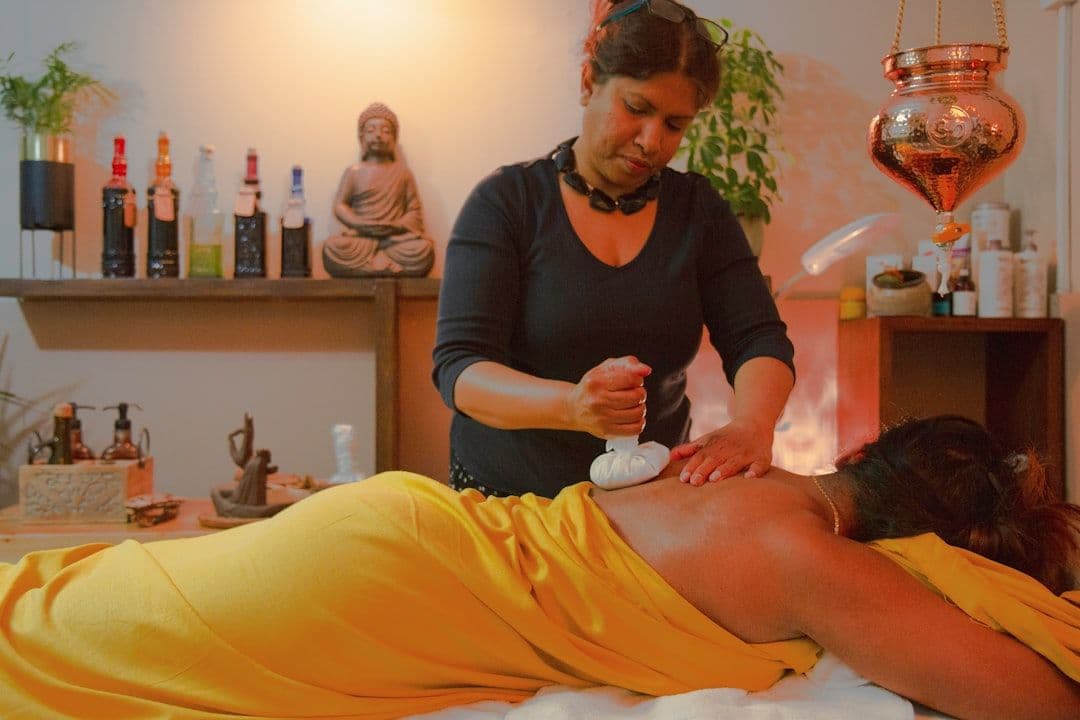
A typical Panchakarma program day follows a structured rhythm, beginning early with warm oil massage tailored to your constitution. The massage, performed by trained technicians, lasts 45–90 minutes and involves two or more practitioners working synchronously with warm medicated oils chosen for your dosha and condition. This is followed by herbal steam therapy, where you sit in a wooden steam chamber (the head remains exposed) filled with herbal-infused steam, typically 15–30 minutes. This opens pores and prepares tissues for deeper cleansing. Mid-morning, you receive the core cleansing procedure for that day—one of the five actions—under direct practitioner supervision. For example, Virechana involves consuming a warm herbal decoction designed to trigger gentle bowel evacuation; this may last several hours, and practitioners monitor hydration and comfort. Nasya involves instilling 5–10 drops of warm medicated oil into each nostril while in a reclining position; this is brief but profound, often producing immediate nasal clarity and a sense of calm. Basti is administered in a specially prepared room, usually in the morning, and involves gentle introduction of herbal oils or decoctions into the colon via a traditional metal nozzle; the procedure is held for a short period before evacuation. Between procedures, you rest, receive light meals of easily digestible foods (typically kitchari, a traditional rice-and-lentil dish), drink warm herbal teas, and avoid stimulation. Evenings may include gentle yoga, breathing practices (pranayama), or meditation. Throughout, your practitioner monitors your progress, emotional state, and any detoxification symptoms, adjusting protocols as needed. Days vary based on which cleansing action is scheduled; not all five are performed in sequence for every person.
Who May Benefit?
Panchakarma is traditionally considered most suitable for individuals seeking deeper support for chronic health concerns who are willing to commit time and resources to an intensive program. Those experiencing long-standing joint stiffness, muscle tension, or discomfort may use Panchakarma as part of a complementary approach, particularly if conventional therapies alone have not fully addressed their needs. People with digestive concerns—including irregular bowel function, bloating, or loss of appetite—sometimes explore Panchakarma to rebalance digestive and metabolic function; this should always be done alongside conventional medical evaluation. Individuals experiencing chronic stress, anxiety, or sleep disturbance may benefit from the deep nervous system soothing provided by the warm oil applications and enforced rest, though psychiatric medications should never be discontinued in favor of Panchakarma. Those with skin concerns such as psoriasis, eczema, or acne may pursue Panchakarma as a complementary therapy, in addition to dermatological care. Panchakarma is also used preventively by people in good health seeking seasonal rejuvenation or a wellness reset. However, Panchakarma is not appropriate for pregnant or nursing women, those in acute illness or fever, people with severe weakness or debility, those on blood thinners or with bleeding disorders, or individuals in acute mental health crisis. Anyone with cardiovascular instability, uncontrolled hypertension, or active infections should consult their doctor before proceeding. Realistic expectations are important: Panchakarma works best when combined with sustained dietary and lifestyle changes, not as a standalone quick fix. Success also depends on finding a qualified, experienced practitioner and having a constitution suitable to an intensive protocol.
What Does the Evidence Say?
Panchakarma is grounded in Ayurvedic medical philosophy, with roots stretching back over 3,000 years and documented in classical Sanskrit texts such as the Charaka Samhita and Sushruta Samhita. From a traditional evidence perspective, Panchakarma is well-established, with centuries of observed clinical outcomes recorded within Ayurvedic communities. However, from the perspective of modern clinical research, evidence is limited. The majority of published studies on Panchakarma are small-scale, observational, or case reports rather than randomized controlled trials (the gold standard for efficacy claims). Several pilot studies have explored specific Panchakarma techniques—such as oil massage's effects on stress markers, or Basti's potential role in supporting digestive health—with some showing promising preliminary results, but these require larger replication. A 2005 systematic review in Evidence-Based Complementary and Alternative Medicine acknowledged Ayurveda's theoretical framework and traditional use but noted the scarcity of rigorous clinical evidence for many interventions. More recent small studies have examined Panchakarma's potential in conditions including stress reduction, skin health, and metabolic function, but effect sizes remain modest and sample sizes small. This evidence gap should not be misinterpreted as evidence of ineffectiveness; rather, it reflects the funding and research infrastructure available to Ayurvedic therapies in Western medical systems. Practitioners should be transparent about this limitation: Panchakarma is best described as a traditional therapy with growing research interest, not a clinically proven treatment. Its therapeutic impact likely reflects the combination of specific herbal compounds (some of which have been chemically analyzed), mechanical effects of massage and heat, the power of intensive rest and dietary reset, and potentially placebo and expectancy effects. Individuals considering Panchakarma should do so with realistic expectations, viewing it as a complementary approach that may support well-being when combined with conventional medical care, not as an alternative to necessary medical treatment.
Safety and Considerations
Panchakarma is generally well-tolerated when administered by trained practitioners, but it is not suitable for everyone and carries specific contraindications. Pregnancy and breastfeeding are absolute contraindications; the intensive cleansing actions could theoretically affect fetal development or breast milk composition. Acute illness—particularly fever, infection, or active inflammation—precludes Panchakarma, as the body needs resources for acute healing, not deep cleansing. Severe debility or weakness (cachexia) is another contraindication; Panchakarma requires sufficient physical resilience to tolerate purgation and other intensive procedures. Individuals on anticoagulants (blood thinners) or with bleeding disorders should not undergo Panchakarma without close medical coordination, as some procedures, particularly Raktamokshana, pose bleeding risks. Uncontrolled hypertension or cardiovascular instability requires medical clearance. Those with acute mental health crises, severe eating disorders, or active substance dependence should stabilize these conditions before pursuing Panchakarma, as the intensive nature could be destabilizing. Some people experience temporary 'detoxification symptoms' during Panchakarma—mild fatigue, headache, skin rashes, or loose stools—which practitioners often describe as beneficial release of toxins. However, if symptoms are severe or persistent, the program should be modified or halted. Dehydration risk exists with procedures like Virechana; practitioners must ensure adequate hydration. Allergic reactions to herbal preparations, while rare, can occur; inform your practitioner of all known allergies. Panchakarma should never be pursued in isolation from conventional medical care. Individuals with serious conditions such as rheumatoid arthritis, irritable bowel syndrome, or psoriasis should maintain their established medical regimen and inform both their doctor and Ayurvedic practitioner of all treatments. Never discontinue prescribed medications to pursue Panchakarma. Always seek immediate medical attention for chest pain, severe allergic reactions, persistent severe symptoms, or worsening of underlying conditions.
How to Find a Qualified Practitioner
Finding a qualified Panchakarma practitioner requires careful vetting, as credentials and experience vary widely. Begin by seeking practitioners with formal Ayurvedic training—typically a minimum of 3–5 years of full-time study at an accredited Ayurvedic school or college. In many countries, Ayurveda is not regulated by national health authorities, so professional credentialing depends on training institutions and professional organizations. In the United States, look for membership in the National Ayurvedic Medical Association (NAMA) or verification through the Council of Ayurvedic Medicine (CAM). In Europe, similar bodies exist; in India, the Central Council for Indian Medicine (CCIM) maintains registries of qualified practitioners. Ask potential practitioners about their training lineage, the school(s) where they studied, and their years of clinical experience specifically with Panchakarma. Request references or testimonials from previous clients. A qualified practitioner should be able to explain their diagnostic methodology—how they assess your constitutional type and determine which cleansing actions are appropriate for you—using clear language accessible to Western patients. Red flags include practitioners making absolute cure claims, guaranteeing specific outcomes, suggesting you discontinue medications, charging excessively upfront without clear scope, or lacking transparency about their training. Reputable practitioners will also screen you for contraindications, take a thorough health history including current medications, and advise you to consult your doctor before beginning treatment. Ask about the facility: Does it have dedicated treatment rooms, proper sanitation, trained support staff, and emergency protocols? Panchakarma should be delivered in a calm, clean, professional environment. Expect the initial consultation to last at least one hour, covering your health history, goals, lifestyle, diet, and constitutional assessment. Costs vary by geography and program length but typically range from EUR 100–300 per day for a comprehensive program in Europe or Asia, with higher costs in Western countries. Shorter or simplified Panchakarma programs exist and may be more accessible, though traditional practitioners argue they offer reduced benefit. Finally, trust your intuition: a good practitioner-patient relationship built on clear communication, realistic expectations, and mutual respect is essential for a beneficial Panchakarma experience.