Current Research Landscape
Pediatric complementary medicine research presents a fragmented picture. A 2019 systematic review examining complementary therapies in children identified over 400 studies, but only 23% were randomised controlled trials with adequate sample sizes.
The strongest evidence base exists for massage therapy, particularly in preterm infants and children with cerebral palsy. Several meta-analyses, including a Cochrane review covering 34 trials with over 2,000 participants, demonstrate measurable benefits for weight gain and motor development in specific populations.
Mindfulness-based interventions represent another area with growing evidence. Research spanning 20 trials involving approximately 1,400 children shows promising results for anxiety reduction and attention improvement, though effect sizes remain modest.
However, the majority of complementary modalities rely heavily on adult research extrapolation. Herbal medicine, homeopathy, and energy healing practices have limited pediatric-specific trial data, with most studies comprising case series or small pilot investigations rather than robust clinical trials.
Key Research Findings
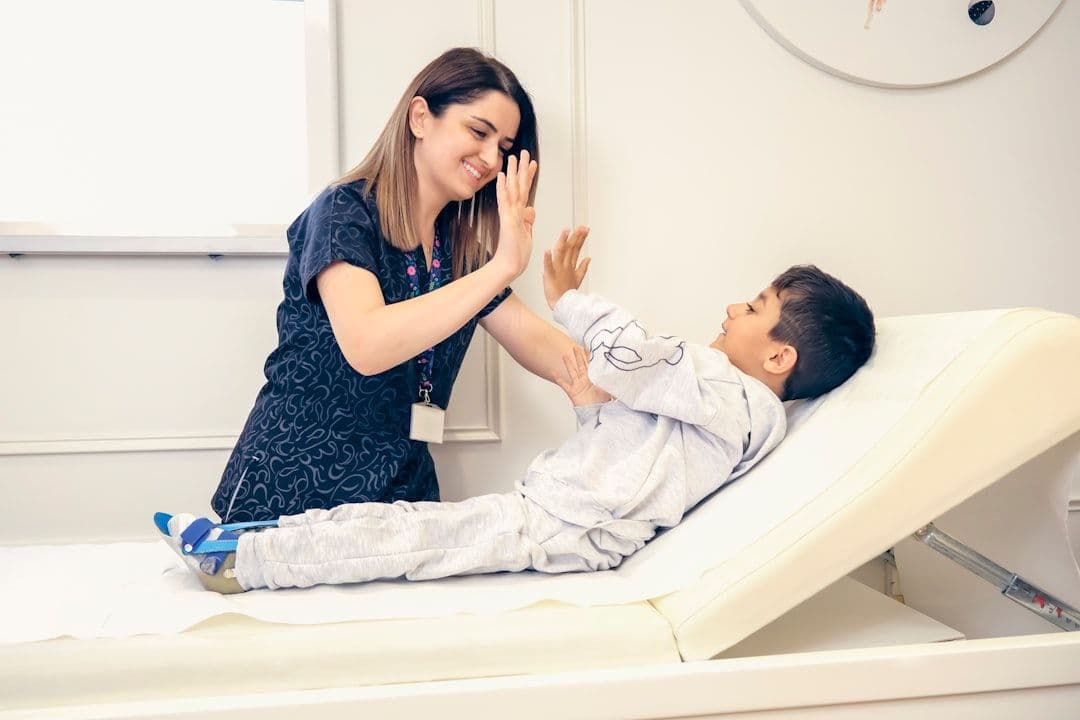
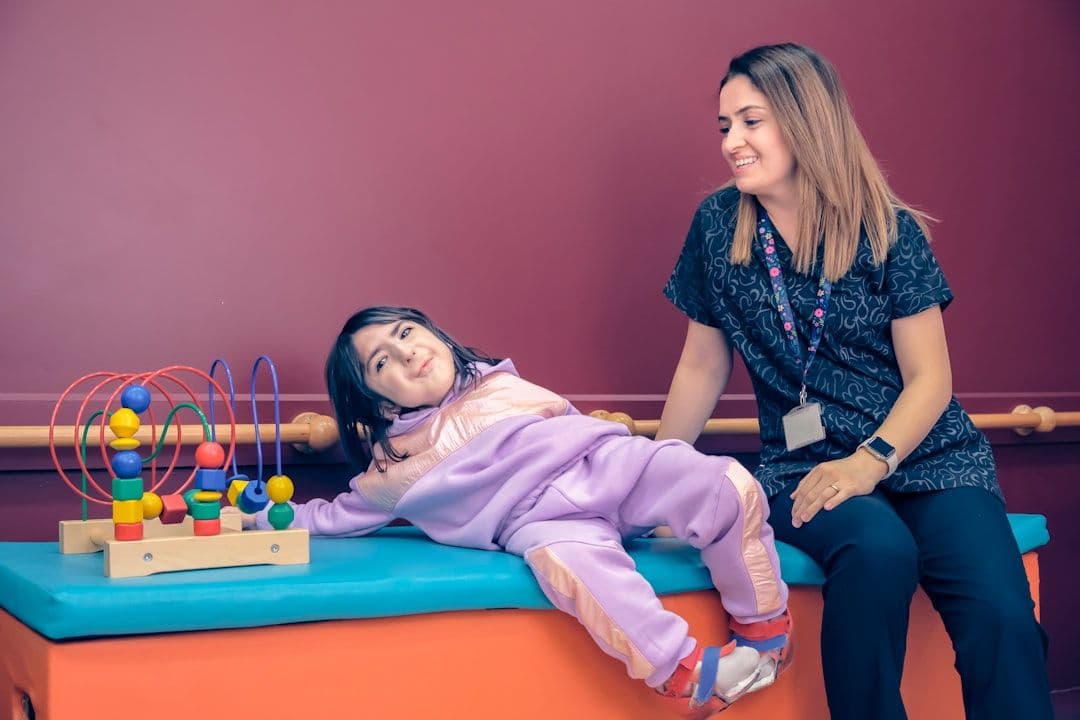
The most compelling evidence supports massage therapy for specific conditions. Meta-analyses consistently show improved weight gain in preterm infants, with effect sizes of 21-48% greater daily weight increase compared to standard care. For children with cerebral palsy, systematic reviews demonstrate improved muscle tone and motor function.
Mindfulness interventions show moderate evidence for anxiety reduction. A 2020 meta-analysis of school-based programmes found significant but small effect sizes (Cohen's d = 0.3-0.4) for reduced anxiety and improved emotional regulation in children aged 6-18.
Acupuncture research in children remains limited but shows promise for specific conditions. Two systematic reviews covering nausea prevention during chemotherapy found acupuncture reduced episodes by approximately 30% compared to usual care, though sample sizes remained small (under 200 participants total).
Herbal medicine evidence is sparse and concerning. A 2021 systematic review found only 18 adequately designed trials in pediatric populations, with significant safety reporting gaps and unclear dosing protocols across studies.
Critical Evidence Gaps
The most significant limitation is the extrapolation problem—assuming adult research applies to children's developing physiology. Children metabolise substances differently, have varying absorption rates, and show different responses to physical interventions based on developmental stage.
Sample sizes remain problematically small across most modalities. Whilst adult complementary medicine trials often recruit hundreds of participants, pediatric studies typically involve 20-50 children, limiting statistical power and generalisability.
Safety reporting is inconsistent and often inadequate. Many studies fail to report adverse events systematically or follow participants long enough to identify delayed reactions. This is particularly concerning for herbal medicines, where pediatric dosing guidelines are largely absent.
Publication bias appears significant. A 2020 analysis found that positive results in pediatric complementary medicine were three times more likely to be published than negative findings, suggesting the evidence base may appear stronger than reality warrants.
What the Evidence Actually Supports
Based on current research, massage therapy for specific populations represents the strongest evidence—particularly for preterm infant weight gain and motor development in children with cerebral palsy. The evidence here approaches conventional medical standards for intervention recommendations.
Mindfulness-based approaches have moderate support for anxiety and attention difficulties, though effects are typically small and require ongoing practice to maintain benefits. These interventions appear most effective when integrated with conventional psychological support rather than used standalone.
For most other modalities, the evidence remains insufficient to support specific health claims. Herbal medicines, homeopathy, and energy-based practices may provide comfort and family satisfaction, but clinical efficacy remains unproven in pediatric populations.
Importantly, integration with conventional care consistently shows better outcomes than complementary approaches used alone. Children receiving both conventional and complementary treatments for chronic conditions demonstrate improved quality of life measures compared to either approach in isolation.
Future Research Priorities
Researchers need to prioritise pediatric-specific safety studies, particularly for herbal medicines and physical therapies. Current dosing guidelines extrapolated from adult studies may be inappropriate for children's developing systems.
Large-scale, well-designed trials are essential. The field needs multi-centre studies with adequate sample sizes, proper control groups, and long-term follow-up to establish both efficacy and safety profiles.
Age-stratified research represents another critical need. A therapy that works for adolescents may be inappropriate for toddlers, yet most current studies group all children together, obscuring age-specific effects.
Mechanism research could help identify which children might benefit most from specific interventions. Understanding biomarkers or characteristics that predict response could move the field beyond one-size-fits-all approaches toward personalised complementary medicine for children.