What It Is
A chronic airway condition causing inflammation and narrowing that makes breathing difficult
Exploring gentler ways to breathe easier with asthma
At a glance
What It Is
A chronic airway condition causing inflammation and narrowing that makes breathing difficult
How It Presents
Wheezing, chest tightness, dry cough, and shortness of breath — often worse at night
What May Help
Breathwork, yoga, mindfulness, and acupuncture are commonly explored alongside medical care
Evidence Context
Most complementary approaches rest on traditional use and small studies rather than large trials
See the evidence snapshotWhen to Seek Help
Seek urgent care for severe breathlessness, blue lips, or an inhaler that stops working
Explanation
Asthma is a chronic inflammatory condition of the airways causing recurrent episodes of wheezing, breathlessness, chest tightness, and coughing, triggered by allergens, exercise, and stress. Breathing retraining (Buteyko), anti-inflammatory nutrition, and stress management are used alongside essential medical management.
Could this be you
Asthma shows up differently for everyone. Browse by how it tends to be felt — these are common experiences, not a checklist or a diagnosis.
Common experiences people describe — not a diagnostic checklist.
Why it happens
Asthma usually comes from a mix of factors rather than a single cause. These are common contributors — not certainties.
Genetic factors and a family history of allergies or asthma may increase a person's likelihood of developing sensitive, reactive airways.
Emotional stress and anxiety can trigger airway tightening in some people, potentially increasing the frequency or intensity of asthma episodes.
Ongoing exposure to allergens, air pollution, smoke, or occupational irritants may contribute to chronic airway inflammation associated with asthma.
Asthma symptoms such as coughing and breathlessness often worsen at night, and disrupted sleep may in turn reduce the body's resilience to daytime triggers.
What happens in the body
Asthma can involve several of the body’s systems. These are common patterns researchers describe — how they show up varies from person to person.
Airway walls may become chronically inflamed and hypersensitive, causing smooth muscle to contract and narrow the bronchial passages during exposure to triggers.
Immune cells such as mast cells and eosinophils may release inflammatory mediators that heighten airway reactivity and contribute to mucus overproduction.
Stress and anxiety may shift autonomic balance toward increased bronchomotor tone, potentially amplifying airway narrowing and the perception of breathlessness.
Reduced airflow and lower blood oxygen levels during episodes may place added demand on the heart as it works harder to circulate adequately oxygenated blood.
Process
Management
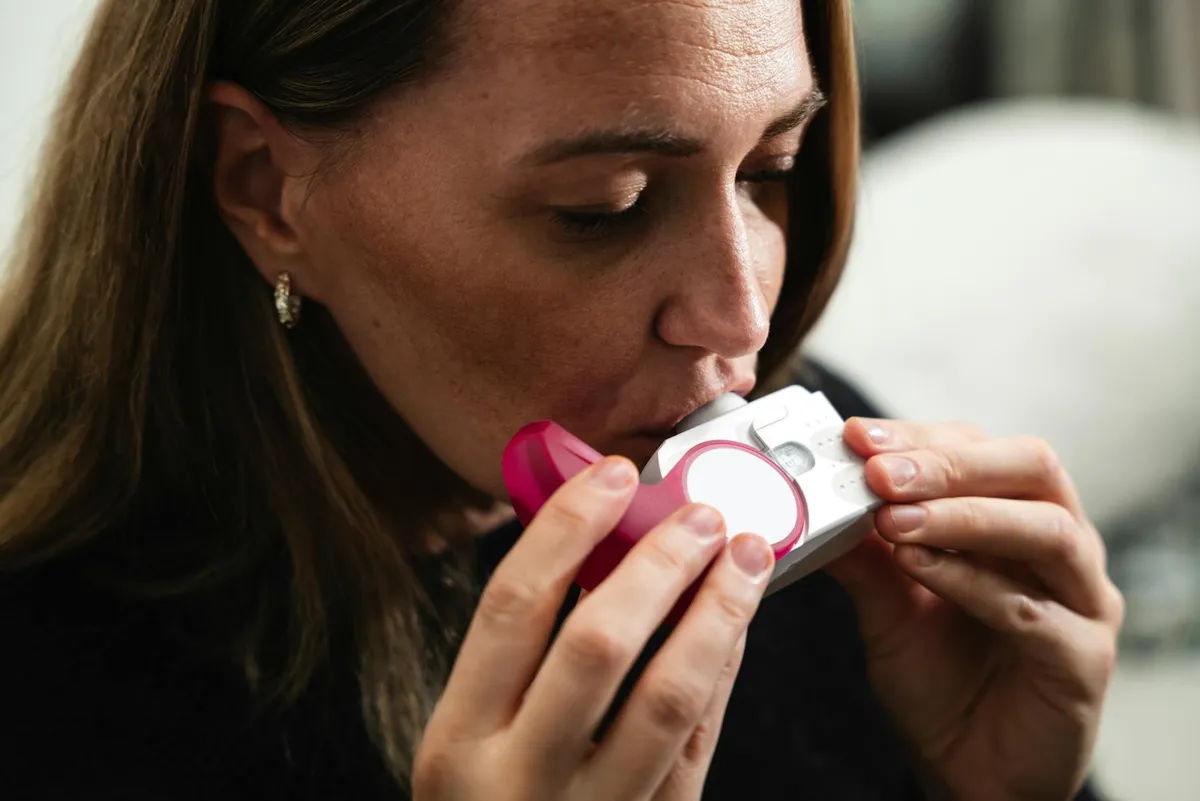
A doctor may discuss short-acting rescue inhalers or inhaled corticosteroids as part of a conventional asthma management plan to help manage airway inflammation and acute symptoms.
A structured breathing technique that focuses on nasal breathing and reduced breathing volume, which some people find may support easier breathing patterns over time.
Traditionally used in various respiratory conditions, some practitioners suggest acupuncture may support relaxation of the airways and stress reduction in people with asthma.
Gentle yoga combined with guided breathwork may support lung capacity awareness and stress reduction, which some people with asthma find helpful alongside conventional care.
Since stress is a recognized asthma trigger, regular mindfulness practice may support emotional regulation and could help reduce the frequency of stress-related symptom flares.
Self-Care
Identifying and minimizing personal triggers such as dust mites, pet dander, mold, and smoke may help reduce the frequency of respiratory symptoms for some people.
Techniques like the Buteyko Method or diaphragmatic breathing are traditionally used to encourage slower, calmer breathing patterns, which some people find helpful for managing breathlessness.
Using HEPA air filters, vacuuming regularly, and keeping humidity below 50 percent may support a cleaner breathing environment and reduce airborne irritants indoors.
Starting with gentle, low-intensity movement such as walking or yoga and warming up properly may support lung function over time while reducing the risk of exercise-triggered symptoms.
Mindfulness, gentle yoga, or guided relaxation may support overall wellbeing, as some practitioners suggest that stress and anxiety can contribute to worsening respiratory symptoms.
The Evidence
What the research says about conventional and complementary approaches to asthma management and quality of life.
Strong conventional base, emerging complementary evidence
Asthma is well understood medically, with inhaled therapies forming the cornerstone of management. Complementary approaches such as breathing retraining, mindfulness, and supportive nutrition show emerging evidence for symptom support and quality of life alongside conventional care.
Inhaled corticosteroids and bronchodilators have strong clinical evidence for reducing airway inflammation and managing acute episodes. Complementary approaches — including Buteyko breathing, acupuncture, and anti-inflammatory nutrition — have emerging evidence suggesting benefit for symptom frequency and quality of life, though study quality varies and findings are not yet definitive.
Standard care typically involves inhaled reliever and preventer medications, allergen identification, and trigger avoidance. Smoking cessation has strong evidence for improving respiratory outcomes. Lifestyle factors including exercise tolerance, stress levels, and diet are increasingly recognised as relevant to overall asthma control and are areas where complementary support may add value.
Buteyko breathing and yoga-based breathwork have shown modest evidence for reducing symptom frequency and reliever medication use in some studies. Mindfulness-based approaches may help manage the anxiety that often accompanies breathlessness. Nutritional strategies targeting inflammation are explored in research, though evidence remains preliminary. These approaches are intended to support, not replace, prescribed medical management.
Seek emergency care immediately if you experience severe breathlessness, lips or fingertips turning blue, chest pain with breathlessness, or sudden severe wheezing that does not respond to your reliever inhaler. Rapid worsening of symptoms is a medical emergency. Do not stop prescribed inhalers without medical guidance. Persistent coughing with blood also requires prompt professional evaluation.
Always keep your prescribing clinician informed if you are exploring complementary approaches. Qualified practitioners in breathwork, acupuncture, or nutritional therapy can work alongside your medical team. Inform any complementary practitioner of your current medications and symptom history. Gyfts does not replace professional assessment — it supports informed discovery of options relevant to your situation.
Many complementary asthma studies are small, short-term, or methodologically limited, making it difficult to draw firm conclusions. Individual responses to approaches like acupuncture or dietary change vary considerably. No complementary approach has been shown to replace medical management of asthma. Be cautious of inflated outcome claims from any practitioner or product in this space.
Safety first
Asthma is manageable, and support helps. Some situations call for prompt professional help.
Explore approaches
Practices people explore for asthma — alongside professional care.
Top Practitioners
Practitioners are ranked using relevance, experience signals, reviews, and support-area fit.
FAQ
Some people find that practices like yoga, breathwork, and the Buteyko Method may support better breathing patterns and reduced stress, which are common asthma triggers. Evidence is largely based on traditional use and personal experience rather than large clinical trials.
Many people with asthma have explored the Buteyko Method, which focuses on nasal breathing and reducing breathing volume. It is generally considered low-risk, though it should complement, not replace, prescribed medications or inhalers.
You should seek urgent care if breathing becomes severely difficult, lips or fingertips appear blue, or severe wheezing comes on suddenly. If your usual medications seem less effective or symptoms are worsening, consult your doctor promptly.
Stress is a recognized asthma trigger for many people. Some practitioners suggest mindfulness and relaxation practices may help manage the anxiety and stress that can contribute to more frequent or intense episodes.
No. Prescribed inhalers and respiratory medications should never be discontinued without medical supervision. Complementary approaches are best used alongside conventional care, not as a replacement for it.
Keep exploring
Browse practitioners, explore honest overviews, and take what you learn to a conversation — at your own pace.