What Is Scenar Therapy?
Scenar Therapy, derived from the acronym SCENAR (Self-Controlled Energo-Neuro-Adaptive Regulation), is a non-invasive electrotherapy modality that originated in Russia during the 1980s. It uses a handheld biofeedback device to deliver variable electrical impulses to the skin, with the goal of stimulating the body's natural healing and regulatory mechanisms. Unlike traditional TENS (Transcutaneous Electrical Nerve Stimulation) units that deliver fixed frequency signals, Scenar technology continuously monitors skin electrical resistance and adjusts the impulses in real time based on the body's response. This biofeedback mechanism is the defining feature of Scenar Therapy, allowing the device to adapt to individual tissue conditions and healing needs.
The therapy is classified within alternative and complementary medicine frameworks and is used primarily for musculoskeletal pain, nerve compression symptoms, and tissue repair support. Scenar devices are typically portable, battery-operated units about the size of a small smartphone, with electrodes that the practitioner moves gently across the treatment area. The electrical parameters—frequency, amplitude, and duration—shift continuously during application, creating a dynamic, individualized treatment profile. Practitioners often describe the approach as "talking to the body" because the device's responsiveness mimics a dialogue between the electrical stimulus and the tissue being treated.
How Does It Work?
Scenar Therapy operates on the principle of biofeedback-controlled electrical stimulation, combining neurostimulation with adaptive technology. When the handheld device contacts the skin, it measures local electrical impedance and sends variable electrical pulses. The body's tissue responds to these impulses by adjusting its electrical properties; the device detects these changes in real time and modulates the signal accordingly. This creates a closed-loop system where stimulus and response are continuously integrated.
The theoretical mechanisms of action involve several physiological pathways. First, electrical stimulation is thought to trigger the nervous system's innate healing response by activating neuropeptide release, particularly endogenous opioids and anti-inflammatory mediators. Second, the impulses may stimulate local blood flow and lymphatic drainage, supporting nutrient delivery and waste clearance in the treated area. Third, electrical stimulation may modulate pain signaling through gate control mechanisms, where afferent electrical input dampens pain signal transmission to the brain. Fourth, the variable, adaptive nature of the impulses may prevent habituation—a phenomenon where the nervous system becomes accustomed to constant, unchanging stimuli and stops responding.
While these mechanisms are biologically plausible and supported by conventional electrophysiology literature, Scenar Therapy research is predominantly observational and comes from specialist centers. The specific contribution of biofeedback adaptation versus general electrical stimulation remains an area requiring further rigorous investigation. Practitioners emphasize that the body's response, not the device parameters alone, guides healing, framing the approach as a complementary modality that works alongside the body's innate regulatory systems.
What Does a Session Involve?
A typical Scenar Therapy session begins with a detailed consultation during which the practitioner gathers information about your symptoms, medical history, current medications, and previous treatments. They will perform a physical assessment, palpating the affected area to identify tender points, areas of muscle tension, and inflammation. This assessment informs the treatment plan.
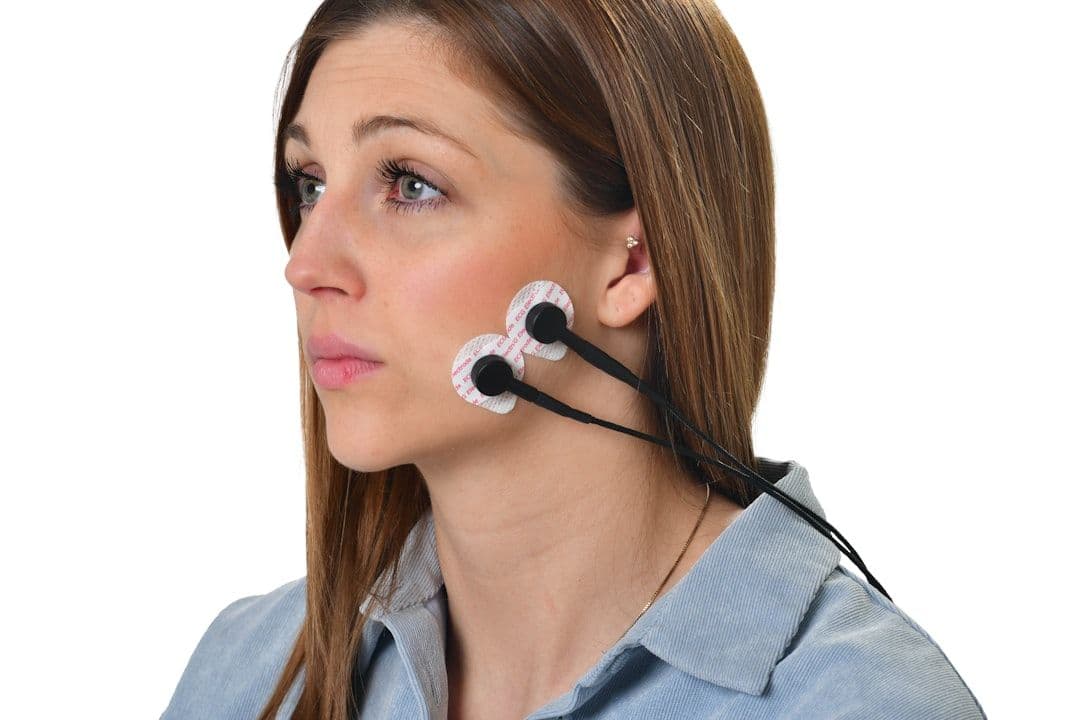
During the treatment itself, you will typically recline or sit comfortably in light clothing, with the treatment area exposed. The practitioner applies a conductive gel to the skin and then moves the Scenar device slowly across the affected region. The device may emit gentle beeping or tones as it reads changing skin resistance. Most people experience the sensation as a mild tingling, gentle vibration, or subtle prickling, though some report feeling nothing at all. The practitioner may spend several minutes on a single area, observing the device's response and adjusting their technique based on how your tissue responds.
A full session typically lasts 30 to 60 minutes, with actual treatment time often around 20 to 40 minutes depending on the size of the area and your condition. Sessions are generally painless and require no recovery time—you can resume normal activities immediately. Some people experience temporary mild skin redness or slight tingling after treatment, which usually resolves within minutes to hours. Your practitioner will provide guidance on session frequency, typically recommending weekly appointments initially, with spacing increasing as symptoms improve. Treatment courses often range from 8 to 20 sessions, tailored to your individual response and condition chronicity.
Who May Benefit?
Scenar Therapy may be considered by people with chronic musculoskeletal pain who are seeking complementary, non-pharmacological support. It is commonly used for lower back pain, sciatica, osteoarthritis, and overuse injuries such as tennis elbow, rotator cuff tendinopathy, and carpal tunnel syndrome. It may be particularly suitable for those experiencing persistent wrist pain, hand numbness, tingling, burning sensations, and hand weakness associated with nerve compression.
Ideal candidates are generally those who prefer to avoid or reduce reliance on pain medication, who have not achieved adequate relief from conventional physiotherapy alone, or who wish to integrate complementary therapies into their broader pain management strategy. People with recent injury or acute inflammation may benefit from earlier intervention, while those with chronic, long-standing conditions often see improvements over extended treatment courses. Scenar Therapy is also used by athletes, occupational workers, and older adults managing age-related joint degeneration.
However, Scenar Therapy is not suitable for everyone. People with pacemakers, implanted electronic devices, or active cancer in the treatment area should avoid this modality. Pregnant women, those with severe cardiac arrhythmias, or individuals taking anticoagulant medications should consult their primary care doctor before starting treatment. People with broken skin, severe varicose veins, or acute infections in the treatment area should wait until these conditions resolve. If you have a complex medical history or are unsure whether Scenar Therapy is appropriate for your specific situation, consult with both your primary care doctor and the intended Scenar practitioner before beginning treatment.
What Does the Evidence Say?
Scenar Therapy has moderate evidence supporting its use for several musculoskeletal conditions, particularly chronic lower back pain, sciatica, osteoarthritis, and tendinopathy. Most published research comes from Russian and Eastern European centers where the technology originated, and relatively fewer large-scale, rigorous clinical trials have been published in English-language medical journals.
For chronic lower back pain, multiple small-to-medium studies report pain reduction and improved function, with some research suggesting effects comparable to conventional physiotherapy when combined with exercise. For sciatica and nerve compression conditions, practitioners report positive outcomes in reducing pain and inflammation along affected nerve pathways, though clinical evidence remains limited. For osteoarthritis and tendon injuries, preliminary data suggest that electrical stimulation may support local healing responses, reduce inflammation, and improve mobility, but these findings require confirmation in larger, well-controlled studies.
It is important to contextualise the evidence honestly. While the biofeedback principle is theoretically sound and supported by conventional electrophysiology, the specific efficacy advantage of adaptive versus fixed-frequency electrical stimulation remains unclear. Most research is observational rather than randomised and controlled. The quality and size of available clinical trials are generally modest by current research standards, and publication bias may favor positive results. Therefore, Scenar Therapy should be understood as a complementary modality with moderate, emerging evidence—suitable for use alongside conventional care, but not as a replacement for proven medical treatments.
If you have a serious condition, persistent symptoms, or symptoms that worsen despite treatment, consult your primary care doctor or a qualified medical specialist to ensure appropriate diagnosis and conventional care is in place. Scenar Therapy works best when integrated into a comprehensive management plan that may include exercise, ergonomic modification, medical care, and other therapies as indicated.
Safety and Considerations
Scenar Therapy is generally safe and well-tolerated when delivered by a trained practitioner. However, several contraindications and precautions apply. The primary absolute contraindication is the presence of a pacemaker, implanted defibrillator, or other implanted electronic device, as electrical stimulation may interfere with device function. Scenar Therapy should not be used during pregnancy, over areas of active skin infection or broken skin, over severe varicose veins, or directly over malignant lesions or active cancer.
People with significant cardiac arrhythmias, severe heart disease, or those taking anticoagulant medications should consult their primary care doctor before starting Scenar Therapy, as electrical stimulation may have systemic effects that warrant medical review. Those with uncontrolled seizure disorders or neurological conditions affecting sensation should also seek medical advice before treatment. If you have diabetes affecting sensation, inform your practitioner, as diminished sensation may mean you cannot reliably report discomfort or recognize skin irritation.
During treatment, mild temporary effects are normal and expected. These may include skin redness, mild tingling, subtle discomfort, or increased awareness of the treated area. These effects typically resolve within minutes to hours. However, if you experience severe pain, prolonged skin irritation, worsening symptoms, or any unusual reactions, stop treatment and contact your practitioner or primary care doctor immediately.
Scenear Therapy should not replace prescribed medications or essential medical treatment. Always inform your healthcare providers—primary care doctor, specialist, physiotherapist, and Scenar practitioner—about all treatments you are receiving so they can coordinate your care and monitor your progress safely. If symptoms persist or worsen after 10 to 15 sessions, reassess your treatment plan with your practitioner and consult your primary care doctor to ensure your diagnosis remains accurate and no underlying condition requires medical attention.
How to Find a Qualified Practitioner
Finding a qualified Scenar Therapy practitioner requires research and due diligence, as regulation and credentialing standards vary by country and region. In the United Kingdom, there is no single statutory regulatory body governing Scenar practitioners, so professional standards depend on practitioners' individual credentials and professional memberships.
Begin by seeking practitioners who have completed formal, comprehensive Scenar training from established institutions. Recognised training centers include the Institute of Clinical Scenar Therapy and the British Scenar Society, among others. Legitimate practitioners will typically have completed 100+ hours of theoretical and practical training and can provide evidence of their certification. Ask to see training certificates and credentials, and verify any claimed affiliations with professional organizations.
Check whether the practitioner holds complementary medicine insurance and is registered with recognized professional bodies. In the UK, membership in organizations such as the Complementary and Natural Healthcare Council (CNHC) indicates adherence to professional standards and a code of conduct. The CNHC maintains a register of registered practitioners, which you can search online.
When contacting potential practitioners, ask specific questions: Where did you train? How many hours of training have you completed? Are you insured? What is your experience with my specific condition? What outcome can I realistically expect? A qualified practitioner will be transparent about their training, honest about evidence limitations, and will not make exaggerated promises of cure or magical results.
Read online reviews cautiously, as they may be biased. Instead, ask for references from previous clients (with their permission) and speak with physiotherapists or primary care doctors in your area who may recommend trusted practitioners. Many primary care doctors are open to discussing complementary therapies if they are delivered safely and integrated into broader care. Initial consultations often allow you to assess the practitioner's professionalism, communication style, and suitability for your needs. Trust your instincts: a qualified practitioner will prioritize safety, informed consent, and coordination with your broader healthcare team.