What it is
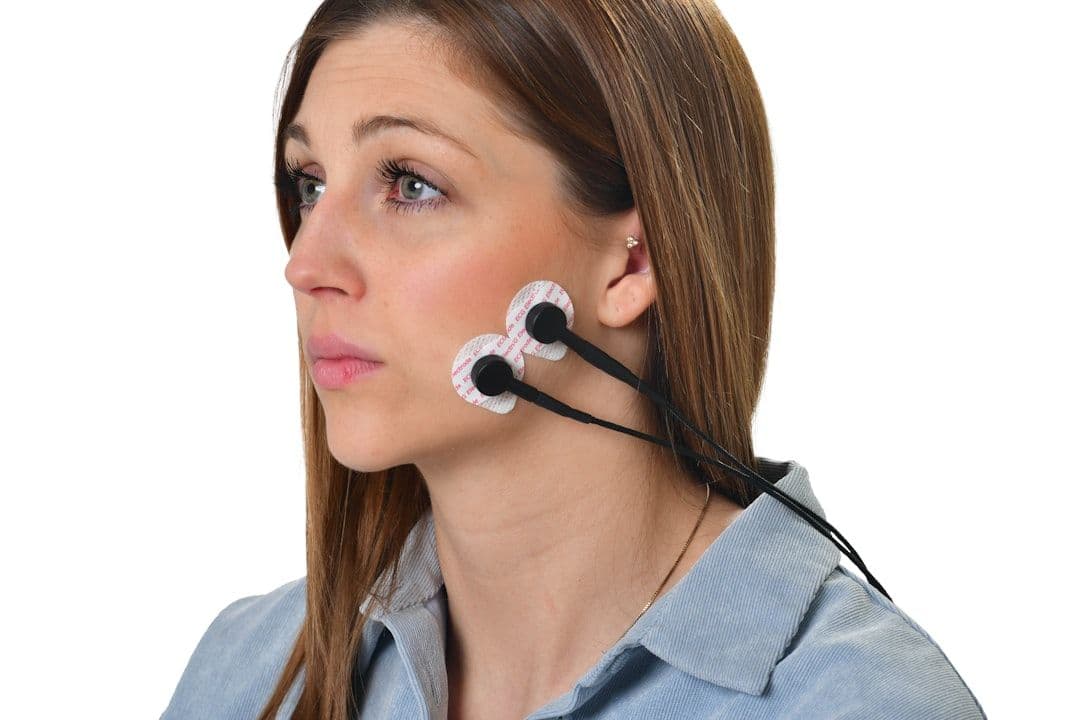
SCENAR uses a handheld device sending gentle electrical signals to prompt your nervous system to heal.
Scenar Therapy is a non-invasive electrotherapy technique that uses a handheld device to deliver low-level electrical impulses to the ski...
At a glance
What it is
SCENAR uses a handheld device sending gentle electrical signals to prompt your nervous system to heal.
Why explore it
It may ease pain, reduce muscle spasms, and support recovery without drugs or invasive procedures.
How it’s experienced
A practitioner glides the device over your skin, and you feel mild tingling during a 20–40 minute session.
Evidence context
Early studies show promise for pain relief, but larger trials are still needed to confirm the benefits.
See the evidence snapshotSafety
Safe for most adults, but avoid if you have a pacemaker, epilepsy, or implants without consulting your doctor.
See staying safeHistory & Origin
Scenar Therapy is a non-invasive modality that uses electrical stimulation to relieve pain and promote healing.
Scenar (Self-Controlled Energo Neuro Adaptive Regulation) technology was developed in Russia in the 1980s by biophysicist Alexander Karasev and his team. The device was initially created for cosmonauts in space to manage pain and promote healing without pharmaceutical interventions, addressing the unique medical challenges of space missions. The technology is based on principles of biofeedback and neuro-adaptive regulation, drawing inspiration from traditional acupuncture concepts while utilizing modern electrical engineering.
Following its success in space medicine, Scenar therapy began to be studied and applied in clinical settings throughout Russia and Eastern Europe. The modality gradually spread to Western Europe and North America over the 1990s and 2000s, gaining interest among complementary health practitioners and sports medicine professionals. Today, Scenar devices are used by various practitioners worldwide, though acceptance and regulation vary significantly by country. The technology continues to evolve, with newer generations of devices offering enhanced biofeedback capabilities and refined stimulation protocols.
Mechanism
Scenar Therapy is generally framed as a guided process for attention, reflection, learning, and emotional integration. Depending on the method, a practitioner may use conversation, imagery, structured exercises, body awareness, or therapeutic techniques to help the person explore patterns and choices. It should not be presented as a standalone solution or a substitute for urgent care, but it may support self-understanding when practiced within an appropriate scope. The device delivers low-level electrical impulses that mimic the body's own bioelectric signals, with the frequency and intensity adapting in real time based on skin resistance feedback.
Your first visit
A typical session outline to help you feel prepared
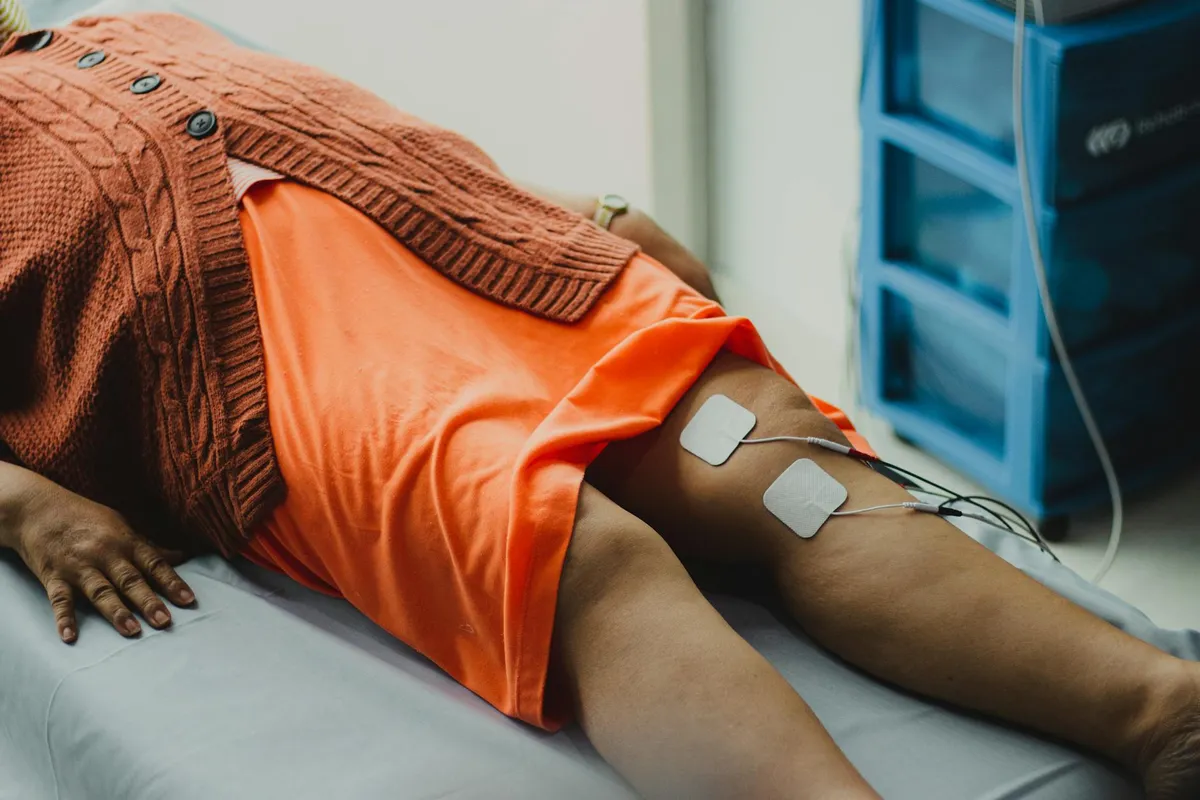
A Scenar session blends a health chat with hands-on device work, as your practitioner glides a small handheld unit over your skin to read and respond to your body's own signals.
Your practitioner reviews your health background, current concerns, and any medications, taking about 10 to 15 minutes to understand what's brought you in and what areas to focus on.
You and your practitioner briefly discuss your goals for the session, whether that's easing tension, improving mobility, or general wellbeing, so the treatment can be tailored to you.
You'll typically lie or sit fully clothed, though the practitioner may ask you to expose the skin of the area being worked on, such as your back or shoulder, for direct device contact.
The practitioner slowly glides the Scenar device over your skin, watching its display for feedback signals that indicate where your body's communication pathways may need attention.
Once priority areas are identified, the device is held or moved over those spots, delivering gentle electrical impulses that most people describe as a mild tingle, buzz, or warmth against the skin.
The device continuously reads your body's responses and adjusts its output automatically, so the practitioner may pause, reposition, or change the pattern of movement based on what the device is detecting.
As the session wraps up, typically between 20 and 60 minutes total, the practitioner completes a final pass and checks in with how you're feeling before switching the device off.
Your practitioner shares simple post-session suggestions, such as drinking water and resting if needed, and lets you know that effects often continue to unfold over the next 24 to 72 hours.
The Evidence
What the current research shows, where the gaps are, and what to consider before exploring Scenar Therapy.
Promising early findings, but research is still maturing
Scenar Therapy has a modest evidence base with some positive signals for pain relief and musculoskeletal recovery, but most studies are small, methodologically limited, and concentrated in Eastern Europe. Larger, well-controlled trials are needed before strong conclusions can be drawn.
Published research includes small clinical studies, case reports, and observational work, primarily from Russia and Eastern Europe. Some studies report short-term improvements in pain and functional outcomes for musculoskeletal conditions. However, small sample sizes, limited control groups, and methodological inconsistencies mean findings should be interpreted cautiously.
Most studies lack rigorous controls, and treatment protocols vary considerably across research settings, making direct comparison difficult. Publication bias toward positive results is a concern. The biological mechanism behind Scenar's effects is not yet fully established. Independent, large-scale randomised controlled trials are limited, particularly outside Eastern Europe.
Scenar draws on biofeedback principles and concepts influenced by acupuncture, delivered through modern electrical engineering. It is not part of standard medical practice in most countries, and its theoretical framework is not fully integrated into conventional physiology. Practitioners vary widely in training and background, so checking credentials is worthwhile.
Scenar technology was created by biophysicist Alexander Karasev and colleagues to support cosmonauts managing pain without pharmaceuticals. Grounded in neuro-adaptive regulation and biofeedback, it drew conceptual inspiration from acupuncture. From Soviet space medicine, it moved into clinical and complementary settings across Europe and beyond over subsequent decades.
People with pacemakers, defibrillators, uncontrolled epilepsy, active cancer, acute infection, or thrombosis should not use Scenar without medical clearance. Pregnancy, cardiac arrhythmias, and metal implants in the treatment area require practitioner and medical guidance. Those with unexplained or newly presenting symptoms should seek professional assessment before starting.
There is no universal licensing framework for Scenar therapy. When seeking a practitioner, look for relevant health or allied health credentials alongside specific Scenar training. Scenar is best used as a complementary option alongside, not instead of, professional assessment for significant or persistent health concerns. Discuss its use with your primary healthcare provider if you have existing conditions.
Safety first
General guidance to help you decide whether this approach is appropriate for you. This is informational only and not a substitute for medical, psychological, or professional advice.
If you are pregnant, managing a health condition, recovering from injury or surgery, or taking medication, consult a qualified healthcare professional first.
Some situations call for extra care or a different approach. Share any conditions, injuries, or sensitivities with your practitioner before your first session.
Look for clear boundaries, transparent pricing, and practitioners who avoid fear-based claims or pressure to book frequent sessions.
Mild, short-lived effects such as tenderness, tiredness, or temporary soreness can occur. Rest, hydrate, and tell your practitioner how you respond.
For you?
A simple, human way to weigh it up. This is general guidance, not personal medical advice — a qualified practitioner can advise on your situation.
Gyfts is a discovery platform, not a medical provider. Nothing here diagnoses, treats or replaces professional care. In an emergency, contact your local emergency number.
Explore approaches
Other practices people often explore alongside scenar therapy.
In their words
FAQ
Most people describe the sensation as a gentle tingling, mild prickling, or subtle warmth on the skin. The stimulation is generally mild and non-painful. The intensity is adjustable, so your practitioner will work with you to find a comfortable level. As the session progresses, many people feel increasingly relaxed and may notice a sense of calm.
This varies widely depending on your condition and how your body responds. Acute conditions may improve with 1–3 sessions, while chronic conditions typically require a series of 4–12 weekly or bi-weekly sessions. Your practitioner will assess your progress and adjust the treatment plan accordingly. Some people benefit from periodic maintenance sessions after their initial course.
No, Scenar therapy is designed to be non-painful. The electrical impulses are gentle and adjustable. If you experience discomfort, inform your practitioner immediately so they can reduce the intensity or adjust the treatment approach. Mild tingling or warmth is normal and expected.
Generally, yes. Scenar can complement other therapies such as physical therapy, massage, or conventional medical treatment. However, inform all your healthcare providers about all treatments you are receiving. Avoid using Scenar immediately after other electrical therapies, and discuss timing with your practitioners to avoid potential interactions.
Scenar is generally well-tolerated with minimal side effects. Some people may experience mild temporary redness at the treatment site, slight fatigue, or temporary increased pain before improvement (a healing response). These effects are typically short-lived. Serious side effects are rare when the device is used properly by a trained practitioner.
Results vary individually. Some people experience lasting relief after a single session, while others require periodic maintenance sessions to sustain benefits. Chronic conditions often require ongoing or periodic treatment. Your practitioner will discuss expected outcomes and a maintenance plan based on your response to initial treatment.
The evidence base for Scenar therapy is emerging but limited. Some studies suggest potential benefits for pain management and wound healing, but high-quality, large-scale clinical trials are lacking. The modality is more established in Russia and Eastern Europe than in Western countries. It should not replace conventional medical diagnosis and treatment for serious conditions, but may be considered as a complementary approach alongside conventional care.
Scenar is contraindicated for people with pacemakers, defibrillators, or other electronic implants; those with uncontrolled epilepsy or severe cardiac arrhythmias; and people in acute illness or with active infections. Pregnant women should consult their doctor before treatment. Always disclose all health conditions and implants to your practitioner.
References
Educational sources that inform this overview. Inclusion is for context and does not imply endorsement.
Full citations are maintained by the Gyfts editorial team and reviewed periodically.
Keep exploring
Browse practitioners, explore honest overviews, and take what you learn to a conversation — at your own pace.