What Is Shamanic Healing?
Shamanic healing is a spiritual practice rooted in the traditions of indigenous and non-indigenous cultures worldwide. At its core, it rests on the belief that emotional, psychological, and spiritual dimensions of wellbeing are interconnected and that many challenges arise from spiritual imbalance, disconnection, or loss. A shaman—or shamanic practitioner—works within a symbolic and spiritual framework to help individuals address these dimensions.
Unlike conventional healthcare, which typically focuses on physical symptoms and biological mechanisms, shamanic healing views the person as a multidimensional being with a spiritual essence or soul. Practitioners believe that trauma, grief, burnout, anxiety, and other challenges can fragment or deplete this essence. The goal of shamanic work is not to diagnose or treat disease in the medical sense, but to restore spiritual wholeness, reconnect the person with their spiritual power, and support emotional and existential healing.
Shamanic practice spans many cultural traditions—from Amazonian, Siberian, and African lineages to modern Western adaptations. While approaches vary widely, most shamanic healers work with the concept of journeying: entering an altered state of consciousness through drumming, chanting, or visualization to access spiritual knowledge and perform healing work on behalf of their client. This might involve retrieving lost spiritual parts (soul retrieval), clearing accumulated heavy energy, communicating with spiritual guides or ancestors, or restoring a sense of purpose and protection.
It is essential to understand that shamanic healing is a complementary spiritual practice, not a medical treatment. It should never replace conventional medical care, medication, or evidence-based psychological therapy, especially for serious mental health or medical conditions.
How Does It Work?
Shamanic healing operates on a worldview that differs fundamentally from biomedicine. Rather than focusing solely on symptoms and pathophysiology, it addresses what practitioners call the spiritual or energetic roots of distress. While no mechanism has been validated through clinical science, practitioners and clients often describe the work in terms of symbolic and psychological processes that feel meaningful and restorative.
A central concept in shamanic healing is the idea of soul loss or fragmentation. According to this framework, traumatic experiences, grief, shame, or chronic stress can cause a person's spiritual essence—their soul or vital energy—to split off or become diminished as a protective response. This spiritual fragmentation may manifest as disconnection, numbness, anxiety, depression, or a sense of emptiness. Shamanic healing aims to retrieve and reintegrate these lost parts through ritual, narrative work, and guided visualization.
Another key principle is the restoration of spiritual protection and personal power. Many shamanic traditions believe that individuals have a spiritual field or boundary that can be weakened by stress, trauma, or negative influences. Practitioners may use cleansing rituals, protective invocations, or energy work to strengthen this boundary and restore a sense of safety and empowerment.
Ancestral work is also central to many shamanic traditions. The framework holds that unresolved trauma, shame, or emotional patterns can be inherited through family lines and affect current wellbeing. Shamanic practitioners may work with the ancestral lineage—honoring and healing past family members—to free the individual from inherited burdens and restore a sense of belonging and cultural identity.
While these concepts are deeply meaningful within shamanic worldviews, it is important to note that the mechanisms are not validated by clinical science. Shamanic healing may support wellbeing through psychological processes such as narrative reframing, ritual, symbolic meaning-making, and therapeutic connection, but these are not the same as medical mechanisms. The practice is best understood as a complementary approach that works alongside conventional healthcare.
What Does a Session Involve?
A shamanic healing session typically unfolds in several phases, though the exact structure varies depending on the practitioner's training and approach.
The session usually begins with an intake conversation. The practitioner will ask about your concerns, intentions, and what you hope to address. This might include emotional challenges, life transitions, physical symptoms perceived as having spiritual roots, ancestral questions, or a general sense of disconnection. The practitioner will also discuss your beliefs, comfort level with different practices, and any contraindications or health concerns.
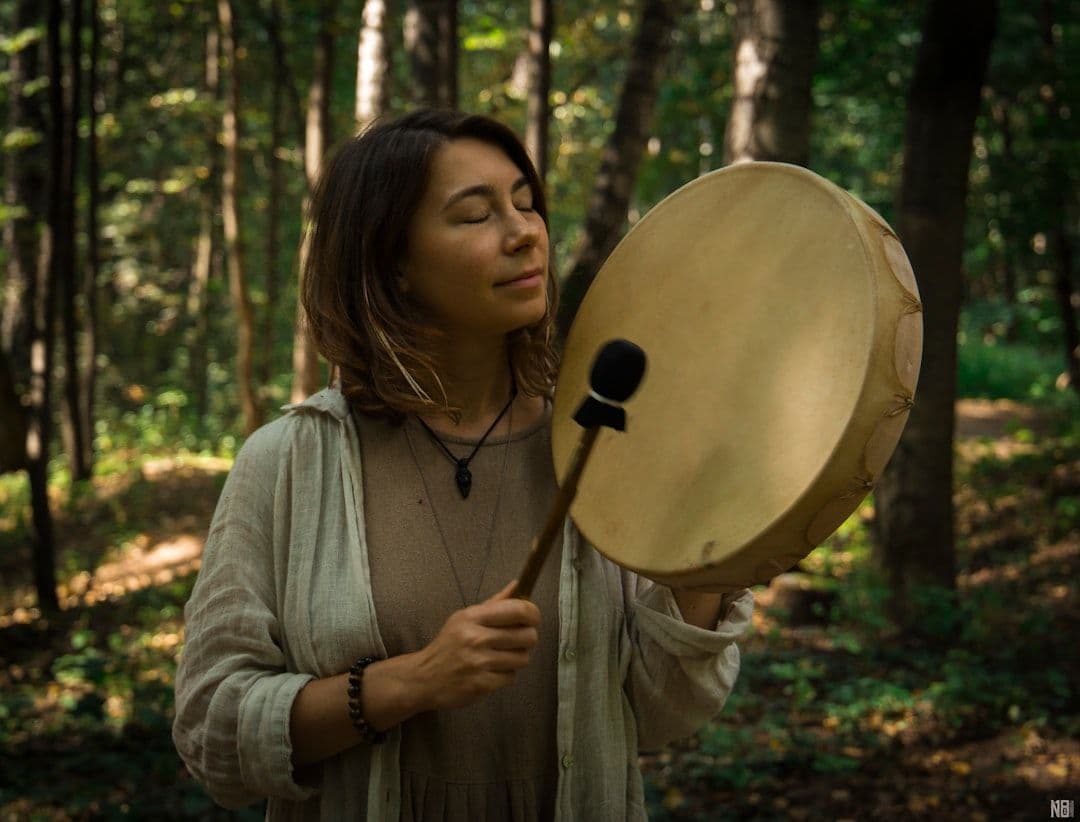
Next, the practitioner prepares the space—often through cleansing, invocation, or the setting of intention—and may explain what they will do on your behalf. Many shamanic practitioners then enter a trance or meditative state, typically induced by rhythmic drumming, rattling, chanting, or other sound. While in this state, the practitioner journeys—visualizing and moving through a symbolic landscape—to access spiritual knowledge or perform healing work. This might involve meeting with spiritual guides or power animals, retrieving lost soul parts, extracting perceived negative energies, or communicating with ancestors.
During the journey, you may sit quietly, listen to the drumming, or participate in guided visualization alongside the practitioner. Some practitioners work more interactively, inviting you to journey together or to share your own imagery. Others work silently, then share their insights afterward.
Once the practitioner completes their work, they return to ordinary consciousness and discuss what they experienced. They may share symbols, messages, or themes that emerged and suggest practices you might adopt—such as breathwork, grounding exercises, journaling, or rituals to reinforce the healing. Sessions typically last 60 to 90 minutes.
After a session, you may feel energized, emotional, calm, or reflective. Many practitioners recommend rest, hydration, and time for integration. Some suggest follow-up sessions or ongoing work, while others frame a single session as sufficient. A good practitioner will discuss aftercare and remain available to address any distress or questions.
Who May Benefit?
Shamanic healing may be valuable for a diverse range of people, though it is most suited to those who are drawn to spiritual or symbolic approaches to wellbeing and who use it as a complement to conventional care.
People processing grief, loss, or major life transitions often find shamanic work meaningful. The rituals and frameworks can provide symbolic ways to honor what has been lost, maintain connection with deceased loved ones, and find meaning in transition. This may support emotional acceptance and peace alongside conventional grief counseling.
Individuals with histories of trauma who are already engaged in evidence-based trauma therapy—such as cognitive processing therapy or eye movement desensitization and reprocessing (EMDR)—may find shamanic work a complementary support. Some practitioners work explicitly with trauma narratives and soul retrieval concepts that clients find psychologically resonant. However, shamanic work should never replace trauma-focused therapy.
Those experiencing burnout, existential fatigue, or a sense of disconnection from purpose may benefit from shamanic practices aimed at restoring vital energy and spiritual alignment. Burnout often carries a spiritual dimension—a sense of depletion or meaninglessness—that shamanic frameworks address directly.
People interested in ancestral healing or cultural reconnection may find shamanic work powerful. This is particularly meaningful for those who have experienced intergenerational trauma, cultural displacement, or ancestral shame and wish to restore their lineage connection and identity.
Individuals drawn to indigenous or animist worldviews—those who experience spirituality as integral to healing and who find meaning in relationships with nature, ancestors, or spiritual guides—may naturally resonate with shamanic approaches.
Anxiety, chronic stress, and existential questions sometimes have dimensions that conventional medicine alone does not address. For some people, a shamanic framework—which honors spiritual dimensions of distress—feels more complete or meaningful. Shamanic work may support these individuals alongside stress management, therapy, and medical care.
It is important to emphasize that shamanic healing is not appropriate as a sole treatment for serious mental health conditions such as severe depression, active suicidality, psychosis, or severe dissociation. Anyone with these conditions should consult a qualified mental health professional first.
What Does the Evidence Say?
Shamanic healing is grounded in traditional use across many cultures over centuries. Indigenous and non-indigenous shamanic traditions have been documented across the Americas, Asia, Africa, and Europe, and shamanic practices continue to be valued within many communities today. This long history of use speaks to the practice's cultural significance and the meaningful experiences many people report.
However, the clinical evidence base for shamanic healing is limited. Most evidence is qualitative, anecdotal, or based on case studies rather than randomized controlled trials. This does not mean shamanic healing is ineffective—it reflects the challenge of studying spiritual and subjective experiences using conventional scientific methods. Spiritual practices often work through meaningful narrative, ritual, psychological connection, and symbolic reframing, which are difficult to isolate and measure in controlled studies.
Some qualitative research and descriptive studies have explored shamanic healing's potential role in trauma recovery, grief processing, and spiritual wellbeing. A body of anthropological and ethnographic work documents shamanic practices and their effects as experienced by practitioners and clients. However, no large-scale clinical trials have compared shamanic healing to standard psychiatric treatments for conditions such as PTSD, depression, or anxiety disorders.
A few studies have examined related practices such as guided visualization, rhythmic drumming, and trance states and their effects on stress, mood, and nervous system regulation. Some research suggests that these elements may support relaxation and emotional processing, though the specific mechanisms remain unclear.
It is important to be honest about this evidence gap. While shamanic healing may be personally meaningful and offer support for emotional and spiritual dimensions of wellbeing, it is not proven as a primary medical treatment for any clinical condition. If you are considering shamanic work for a serious mental health or medical condition, discuss it with your healthcare provider and ensure that you also engage with evidence-based treatment. Shamanic work is best understood as a complementary practice that enriches conventional care, not as a replacement for it.
Safety and Considerations
Shamanic healing is generally safe for most people when conducted by a trained, ethical practitioner. However, there are important considerations and contraindications to keep in mind.
Individuals with active psychosis, severe dissociation, or unstable mental health should consult a qualified mental health professional before engaging in shamanic work. Trance states and deep introspective work can be destabilizing for those with certain psychiatric conditions. A good practitioner will screen for these contraindications and refer you to appropriate care if needed.
If you have a history of trauma, particularly complex trauma or PTSD, discuss shamanic work with your therapist before beginning. While some people find shamanic approaches complementary to trauma therapy, others may find certain practices triggering or overwhelming. Trauma-informed practitioners can navigate this carefully, but coordination with your primary mental health provider is essential.
Anyone taking psychiatric medications should not discontinue them or reduce dosages based on shamanic work. If you wish to explore shamanic healing, continue all prescribed treatments and inform both your psychiatrist and your shamanic practitioner.
Choosing a qualified practitioner is crucial for safety. Look for practitioners with clear training credentials from established shamanic schools or mentors, professional liability insurance, and membership in professional organizations such as the Foundation for Shamanic Studies or similar bodies. Ask about their training lineage, years of experience, and adherence to an ethics code. A good practitioner will respect your autonomy, encourage you to maintain conventional medical care, and not make medical claims or promise to cure disease.
Be cautious of practitioners who demand exclusivity, claim supernatural powers, encourage you to discontinue medical treatment, or frame themselves as the only healer you need. These are red flags. Shamanic work should empower you and complement your overall care, not create dependency.
After a session, you may experience emotional release, vivid dreams, or temporary disorientation. These are generally considered normal parts of integration. However, if you experience distress, confusion, or worsening symptoms, contact both your practitioner and your healthcare provider.
Finally, remember that shamanic healing is a complementary practice. It should never replace conventional medical diagnosis, treatment, or mental health care, especially for serious conditions. If you have any doubt about whether shamanic work is appropriate for your situation, consult your doctor first.
How to Find a Qualified Practitioner
Finding a qualified, ethical shamanic practitioner requires research and discernment. Here are key steps and considerations.
First, seek practitioners with established training. The Foundation for Shamanic Studies, founded by anthropologist Michael Harner, is a widely recognized organization that certifies core shamanism practitioners through structured training. Other reputable shamanic schools and organizations exist, particularly those rooted in specific cultural traditions. Ask your prospective practitioner about their training: How many hours of training have they completed? With whom did they study? Can they provide references or credentials?
Check for professional accountability. A qualified practitioner should carry professional liability insurance and ideally be a member of a professional body with an ethics code—such as the Foundation for Shamanic Studies, the Society for Shamanic Practice, or similar organizations. These memberships signal commitment to ethical standards and ongoing professional development.
Ask about their experience and approach. How long have they been practicing? What populations or conditions do they work with? Do they have experience with the specific issues you want to address? Are they willing to discuss their approach, set realistic expectations, and answer your questions? A good practitioner will be transparent and collaborative.
Discuss their stance on conventional medicine. They should encourage you to maintain medical care, not discourage it or suggest shamanic work as a replacement. They should also be willing to coordinate with your doctor or therapist if you are currently in treatment.
Assess the initial consultation. Many practitioners offer a brief free or low-cost consultation. Use this to gauge whether you feel comfortable, heard, and respected. Trust your instincts: if something feels off or unsafe, keep looking.
Seek recommendations. Ask friends, therapists, or spiritual communities if they can recommend trusted practitioners. Online reviews can be helpful, though read them critically. Look for reviews that describe specific experiences and outcomes rather than vague praise.
Understand fees and ethics. Shamanic work is typically not covered by insurance. Practitioners may charge $75 to $300 or more per session depending on location and experience. A qualified practitioner will discuss fees upfront and will not use financial pressure or demand payment in advance for multiple sessions.
Finally, be wary of red flags: practitioners who claim to cure disease, promise specific outcomes, demand exclusivity or dependency, use high-pressure sales tactics, or lack clear training credentials. These are signs to look elsewhere.
Taking time to find the right practitioner increases the likelihood of a safe, meaningful experience.