Why Practitioners Choose This Modality
Shamanic healing practitioners are drawn to this modality because it honors what they perceive as the deeper spiritual dimensions of human experience and wellbeing. Many describe a calling or recognition that conventional frameworks alone do not address the full spectrum of what clients carry—ancestral burdens, spiritual disconnection, the echoes of trauma in the soul. Practitioners often choose this path after experiencing shamanic healing themselves, discovering its capacity to support healing at a level that feels both profound and ineffable. What draws many to this work is the integration of ancient wisdom with genuine care; shamanic healing offers a structured yet flexible container for clients to access their own healing resources and resilience. Practitioners appreciate that the modality honors multiple worldviews and cultural contexts, allowing them to meet clients where they are spiritually. Many describe their practice as a calling rooted in respect for indigenous traditions and a commitment to bringing that wisdom into contemporary healing contexts. The ability to work with symbol, narrative, ritual, and energetic presence allows practitioners to support transformation that feels meaningful and dignified to their clients.
What Clients Typically Experience
Clients often arrive at shamanic healing describing feelings of disconnection, confusion, overwhelming anxiety, sleep disturbance, or a sense that something essential is missing. Some come after loss or trauma, carrying unprocessed grief or fragmentation. Others describe ancestral shame or a longing for cultural or spiritual belonging. During sessions, practitioners observe clients entering deeper states of relaxation or focus, sometimes experiencing vivid imagery or emotional release. Many report feeling held, witnessed, and understood in a way that differs from other healing modalities. After sessions, clients frequently describe shifts in perspective, increased clarity, a sense of lightness, or renewed energy. Some experience changes in sleep, appetite, or emotional responsiveness in the days following. Others notice that persistent worries feel less overwhelming or that they feel more connected to themselves and their purpose. The changes are often subtle and accumulate over time; practitioners emphasize that healing is not always linear and that the integration of shamanic work unfolds at each client's own pace. Clients typically appreciate the personalized, collaborative nature of the work and the respect shown for their own beliefs and autonomy.
Common Misconceptions
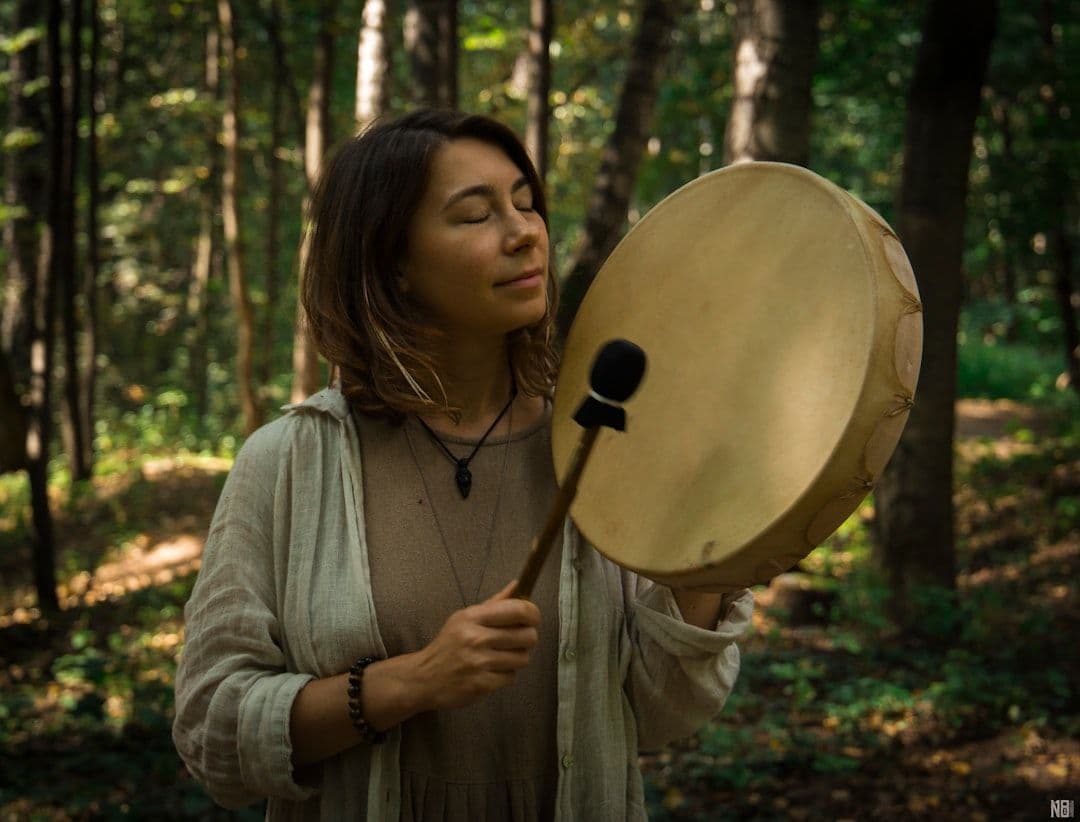
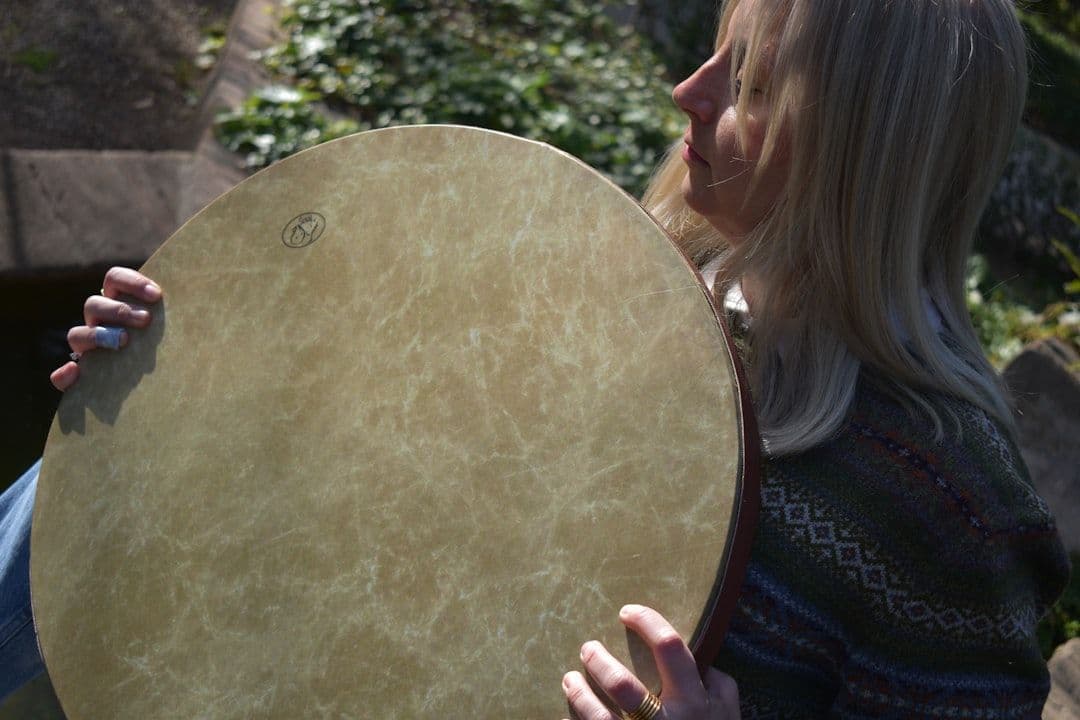
A widespread misconception is that shamanic healing requires exotic travel, hallucinogenic plants, or dramatic supernatural experiences. In reality, many contemporary shamanic practitioners work locally, use drumming or visualization rather than plant medicines, and facilitate healing that is grounded and practical. Another common misunderstanding is that shamanic healing is a replacement for medical or mental health treatment. It is not. Shamanic healing is a complementary practice best used alongside professional care, not instead of it. Some assume shamans claim to cure illnesses or diagnose medical conditions; ethical practitioners do neither and are transparent about the boundaries of their work. There is also sometimes confusion about cultural appropriation; authentic shamanic practitioners often have deep training in specific traditions or work with respect and acknowledgment of their sources, rather than borrowing superficially from multiple cultures. Another misconception is that results are immediate or guaranteed. Healing is individual and often unfolds gradually; some clients experience shifts quickly, while others integrate work over weeks or months. Finally, some assume shamanic healing is purely spiritual and has no practical value for everyday life. In fact, many clients find that shamanic work directly supports better sleep, reduced anxiety, clearer thinking, and greater resilience in daily challenges, though these benefits emerge through personal experience rather than medical claims.
Advice for First-Timers
If you are considering shamanic healing for the first time, begin by clarifying what you hope to address and whether you feel drawn to a spiritual framework for healing. Research practitioners thoroughly; look for training, experience, ethical standards, and genuine communication. A good practitioner will welcome your questions, explain their approach transparently, and ask about your background, beliefs, and concerns. Before your first session, discuss your expectations, any mental health or medical conditions, and what post-session support might look like. Approach the session with openness rather than skepticism or rigid expectations. Shamanic healing works best when you participate collaboratively—sharing honestly about your concerns, remaining present during ritual or visualization, and reflecting on what emerges for you. Wear comfortable clothing and plan to be unhurried before and after your session. It is helpful to journal afterward, noting any shifts in mood, energy, sleep, or perspective. If you are currently in therapy or taking medication, inform your practitioner and continue your professional care. After your first session, notice what unfolds over the following days without overanalyzing; some shifts are subtle. If you feel comfortable and see benefit, consider a series of sessions rather than a one-off visit, as many practitioners note that deeper integration happens over time. Finally, trust your intuition about fit and rapport with your practitioner; genuine healing happens in a relationship of trust and safety.
When to Seek Additional Support
While shamanic healing may be a valuable complement to your wellness journey, certain situations require professional mental health or medical care. If you are experiencing active suicidal thoughts, severe depression, psychosis, or an acute mental health crisis, consult a mental health professional or crisis service immediately; shamanic healing is not appropriate as a primary intervention. If you have been diagnosed with a medical condition or take prescribed medication, continue that treatment and inform your practitioners about your shamanic work. If you are processing severe trauma, have experienced abuse, or carry complex PTSD, work with a trauma-informed therapist who can provide evidence-based support; shamanic healing may complement therapy but should not replace it. If you notice symptoms worsening after shamanic sessions, or if you feel dysregulated, confused, or distressed, discuss this with your practitioner and seek professional guidance. Chronic anxiety, persistent insomnia, prolonged grief, or ongoing burnout deserve evaluation by a healthcare provider to rule out underlying medical or psychiatric conditions. If you are unsure whether a condition requires professional care, err on the side of consulting a qualified provider; they can help you understand your options and coordinate care. Remember that seeking professional support is a sign of wisdom and self-care, not a limitation. Many clients benefit most when shamanic healing, therapy, medical treatment, and self-care practices work together as an integrated whole.