What it is
Targeted massage techniques that help active people manage muscle tension and recovery.
Sports Massage is a specialized form of therapeutic massage designed for athletes and physically active individuals to enhance performanc...
At a glance
What it is
Targeted massage techniques that help active people manage muscle tension and recovery.
Why explore it
It may speed recovery, ease muscle tightness, and support your body through tough training.
How it’s experienced
Expect firm, focused work on key muscle groups, some therapeutic soreness, then real relief.
Evidence context
Research supports reduced muscle soreness, though performance benefits vary and are still mixed.
See the evidence snapshotSafety
Low risk with a certified pro, just communicate your limits and stay well hydrated each session.
See staying safeHistory & Origin
Sports Massage offers therapeutic massage techniques tailored for athletes and active individuals to improve flexibility, reduce muscle tension, and enhance recovery.
Sports massage emerged as a formalized discipline in the early 20th century, developing primarily from Swedish massage techniques adapted specifically for athletic populations. As competitive sports grew more professionalized and athletes sought ways to optimize performance and recovery, practitioners began tailoring massage methods to address the unique physiological demands of training and competition. The modality gained significant traction during the 1960s and 1970s when Olympic teams and professional sports organizations began employing massage therapists as part of their medical support staff. Key figures like European sports medicine pioneers integrated massage into comprehensive athletic training programs, establishing protocols for pre-event, inter-event, and post-event applications. From its European origins, sports massage spread internationally as sports science advanced and athletes at all levels recognized its potential role in injury prevention and recovery optimization. Today, it remains a standard component of athletic support across professional, collegiate, and amateur sports worldwide, with practitioners often holding specialized certifications in sports massage therapy.
Top symptoms
Mechanism
Sports Massage is generally described as working through skilled touch, careful pacing, and the body's response to pressure, movement, warmth, or stillness. Practitioners may focus on muscle tone, joint comfort, circulation, breath, or relaxation depending on the method. Traditional explanations may also include energy flow or whole-person balance. Research support varies by modality, so the experience is best framed as supportive care with outcomes that vary. Sports Massage is best understood through the way practitioners describe its session process, goals, and context.
Your first visit
A typical session outline to help you feel prepared
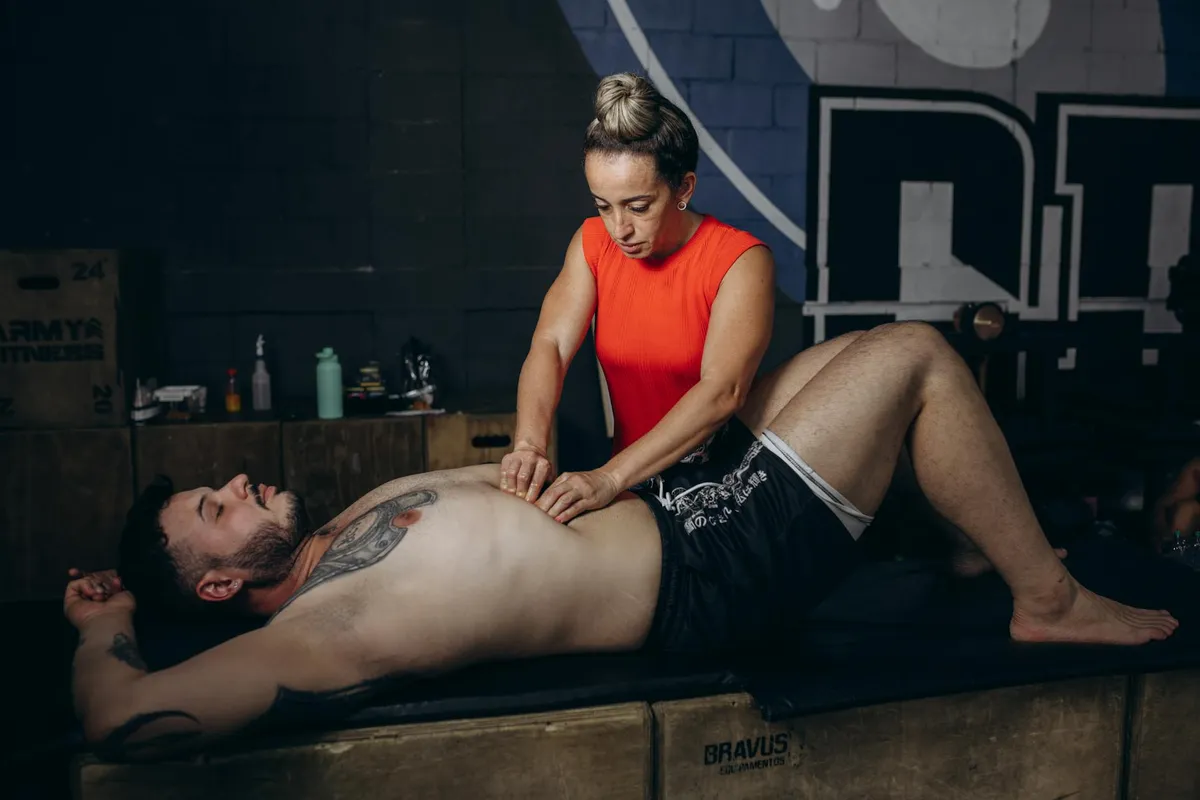
A sports massage session blends a focused intake conversation with firm, targeted bodywork designed around your athletic needs and physical goals.
Your therapist will ask about your sport, training schedule, recent activity, and any areas of tightness or discomfort so the session can be tailored specifically to you.
You may be asked to stand or move through a few simple motions so the therapist can observe how your body is holding tension and identify muscle groups that need the most attention.
You'll undress to your comfort level — typically to underwear — and lie on the massage table under a drape. The therapist will only uncover the area being worked on at any time.
The session often begins with broader, flowing strokes called effleurage to warm the muscles and increase circulation before deeper work begins.
The therapist uses firm pressure, deep tissue strokes, and friction techniques on the muscles most stressed by your activity — expect real pressure, and always speak up if it feels like too much.
Assisted stretching or range-of-motion movements may be worked in to help lengthen tight muscles and improve flexibility around key joints.
The therapist will ease into lighter strokes to help your body transition, then check in with you about how the area feels and note anything worth monitoring.
Before you leave, your therapist will recommend hydration, rest, and may suggest stretches or a return timeframe — mild soreness over the next day or two is completely normal.
The Evidence
What research says about sports massage for athletic recovery, muscle soreness, and flexibility — and where the evidence has limits.
Useful recovery support with a growing but still limited research base
Sports massage has meaningful evidence for reducing muscle soreness and supporting recovery in active individuals. Study quality varies and effects are difficult to isolate, so it is best understood as a complementary tool within a broader athletic support programme.
Research consistently finds benefits for delayed-onset muscle soreness and short-term flexibility gains in athletic populations. However, many studies are small, methodologically varied, and struggle to isolate massage from other recovery strategies athletes use simultaneously. The evidence is promising but not yet definitive.
Sports massage is thought to reduce pain signals via gate control mechanisms, lower cortisol, improve lymphatic and venous return, and promote gradual lengthening of fascia. These mechanisms are physiologically plausible and partially supported by research, though which specific techniques produce which outcomes remains an open question.
Developed from Swedish massage and adapted for athletic use through the 20th century, sports massage is now widely integrated into professional sports medicine programmes. It is best positioned as a complementary hands-on care approach used alongside training, physiotherapy, and appropriate rest — not as a standalone intervention.
Many studies use small samples and diverse protocols, making direct comparisons difficult. The field lacks large, well-controlled trials. Some benefits attributed to sports massage may partly reflect placebo response or the general effects of rest and attention. Inflated outcome claims should be viewed with caution.
Avoid massage over acute injuries, open wounds, active infections, or areas of severe bruising. Those with blood-thinning medications, bleeding disorders, severe osteoporosis, or recent surgery should consult a healthcare provider before proceeding. Anyone with undiagnosed symptoms should seek professional assessment first.
Look for practitioners with recognised sports massage qualifications and experience working with your activity type. Always disclose injuries, medical conditions, and medications before your session. A good practitioner will adapt techniques to your needs and refer you onward if your situation falls outside their scope.
Safety first
General guidance to help you decide whether this approach is appropriate for you. This is informational only and not a substitute for medical, psychological, or professional advice.
If you are pregnant, managing a health condition, recovering from injury or surgery, or taking medication, consult a qualified healthcare professional first.
Some situations call for extra care or a different approach. Share any conditions, injuries, or sensitivities with your practitioner before your first session.
Look for clear boundaries, transparent pricing, and practitioners who avoid fear-based claims or pressure to book frequent sessions.
Mild, short-lived effects such as tenderness, tiredness, or temporary soreness can occur. Rest, hydrate, and tell your practitioner how you respond.
For you?
A simple, human way to weigh it up. This is general guidance, not personal medical advice — a qualified practitioner can advise on your situation.
Gyfts is a discovery platform, not a medical provider. Nothing here diagnoses, treats or replaces professional care. In an emergency, contact your local emergency number.
Explore approaches
Other practices people often explore alongside sports massage.
In their words
FAQ
Sports massage uses techniques specifically adapted for athletic populations, focusing on muscle groups involved in specific sports and training demands. It incorporates deeper pressure, targeted stretching, and performance-oriented goals, whereas relaxation massage emphasizes general relaxation and stress relief. Sports massage practitioners typically have specialized training in sports physiology and injury patterns.
Results vary based on your training intensity, existing muscle tension, and individual response. Some athletes notice improved flexibility and reduced soreness after a single session, while others benefit from regular weekly or bi-weekly sessions. Many practitioners recommend a series of 3-4 sessions to establish baseline improvements, then adjust frequency based on training schedules and your response.
Sports massage serves different purposes at different times. Pre-event massage (30-60 minutes before) focuses on gentle techniques to warm muscles and improve mobility without causing fatigue. Post-event massage (24-48 hours after) uses deeper techniques to address muscle soreness and accelerate recovery. Maintenance sessions fit best during regular training periods.
Sports massage typically involves firmer pressure than relaxation massage, and some muscle soreness or mild discomfort during treatment is normal and often therapeutic. However, it should not cause sharp pain. Communication with your practitioner is essential—let them know if pressure is too intense, and they can adjust. Some post-treatment soreness similar to mild muscle fatigue may occur but usually resolves within 24-48 hours.
While massage may contribute to injury prevention by maintaining muscle health and addressing chronic tension patterns, it is not a standalone prevention strategy. A comprehensive approach including proper training progression, strength work, flexibility training, adequate rest, and proper technique is essential for injury prevention. Sports massage works best as part of a complete athletic support program.
Sessions typically range from 30 to 90 minutes depending on your needs, the areas being addressed, and your training goals. Shorter sessions might focus on specific problem areas, while longer sessions allow for comprehensive work on multiple muscle groups or deeper therapeutic techniques.
No. Anyone engaging in regular physical activity—from recreational runners to fitness enthusiasts to yoga practitioners—can benefit from sports massage. It addresses the muscle demands of any sustained physical training, not just competitive sport.
Light, gentle stretching after a session can be beneficial, but intense stretching should be avoided immediately post-treatment. Your practitioner will typically provide guidance on appropriate post-session care. Most recommend avoiding strenuous activity for several hours and allowing adequate time for recovery.
References
Educational sources that inform this overview. Inclusion is for context and does not imply endorsement.
Full citations are maintained by the Gyfts editorial team and reviewed periodically.
Keep exploring
Browse practitioners, explore honest overviews, and take what you learn to a conversation — at your own pace.