What It Is
A mild traumatic brain injury caused by impact that temporarily disrupts normal brain function
Understanding your brain after a concussion and finding your way back
At a glance
What It Is
A mild traumatic brain injury caused by impact that temporarily disrupts normal brain function
How It Presents
Headache, dizziness, confusion, light sensitivity, and memory fog are commonly reported
What May Help
Graded rest, sleep support, nutrition, and gradual return-to-activity protocols are widely explored
Evidence Context
Research on concussion recovery is strong, with well-studied return-to-activity and rest guidelines
See the evidence snapshotWhen to Seek Help
Any head injury warrants evaluation; worsening or persistent symptoms need prompt medical attention
Explanation
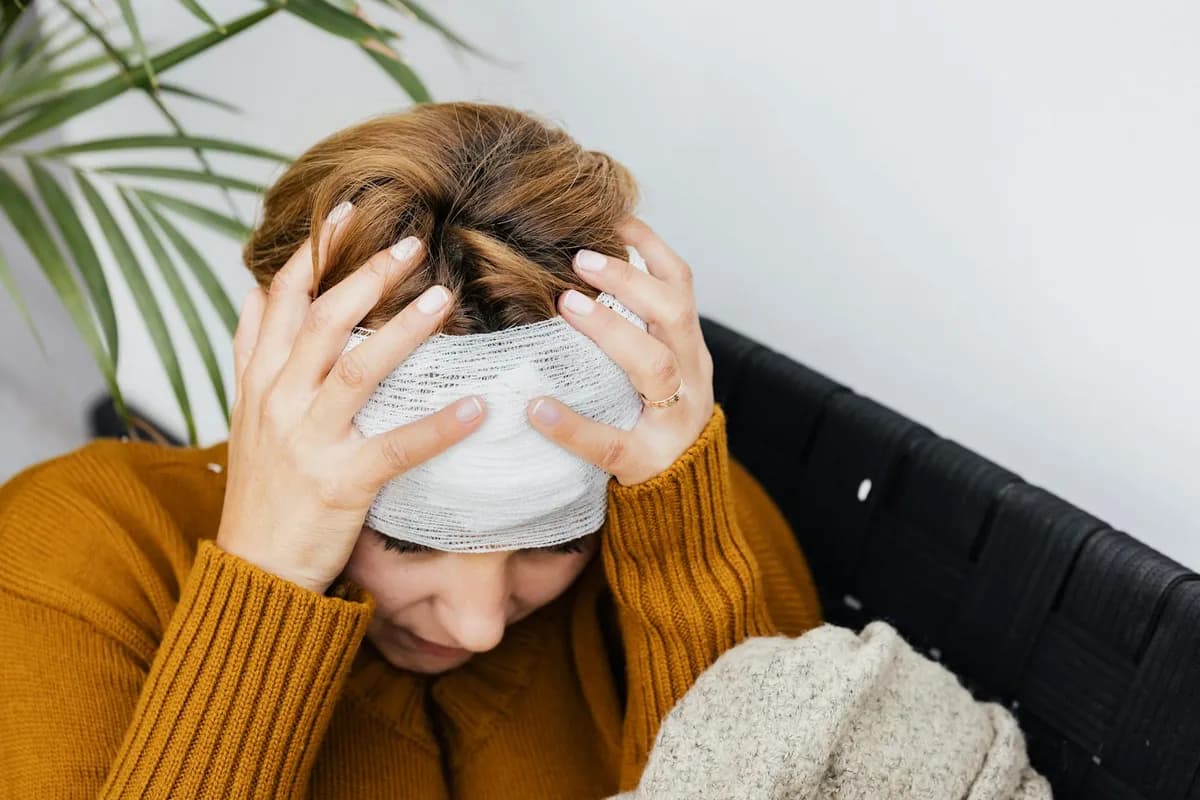
Concussion is a mild traumatic brain injury caused by a blow or jolt to the head, leading to temporary disruption of brain function.
It commonly occurs in sport, falls, or accidents and may not involve loss of consciousness.
Symptoms include headache, confusion, dizziness, memory disturbance, sensitivity to light or noise, and difficulty concentrating.
Recovery typically occurs over days to weeks, but some individuals develop persistent post-concussion symptoms requiring specialist care.
From a holistic perspective, recovery involves both neurological healing and careful management of cognitive, physical, and emotional load.
Could this be you
Concussion shows up differently for everyone. Browse by how it tends to be felt — these are common experiences, not a checklist or a diagnosis.
Common experiences people describe — not a diagnostic checklist.
Why it happens
Concussion usually comes from a mix of factors rather than a single cause. These are common contributors — not certainties.
The brain's soft tissue can be vulnerable to rotational and linear forces from impact, which may disrupt normal neural signaling and cellular function.
High-stress environments such as competitive sports or high-risk occupations may increase exposure to situations where head impacts are more likely to occur.
A history of prior concussions, balance disorders, or certain neurological conditions may make the brain more susceptible to injury from repeated head trauma.
Poor sleep prior to or following a head injury may slow the brain's natural recovery process and could heighten sensitivity to concussion-related symptoms.
What happens in the body
Concussion can involve several of the body’s systems. These are common patterns researchers describe — how they show up varies from person to person.
A sudden force may cause the brain to shift inside the skull, temporarily disrupting electrical signaling and triggering a neurochemical imbalance that affects cognition and coordination.
Following head trauma, blood flow regulation in the brain may become impaired, potentially contributing to headache, dizziness, and difficulty tolerating physical or mental exertion.
The autonomic nervous system may become dysregulated after concussion, which can affect heart rate response, balance, and sensitivity to light and noise during recovery.
Disrupted neural activity following concussion may affect mood regulation, concentration, and sleep, with emotional and psychological stress potentially prolonging the recovery process.
Process
Management
Initial rest from screens, reading, and strenuous activity is a standard first step some practitioners suggest to allow the brain time to recover after a concussion.
A structured, step-by-step return to school, work, and sport is widely used in sports medicine and may support safer recovery by reintroducing demands gradually.
A doctor may discuss over-the-counter or prescription options to help manage headache, sleep disruption, or dizziness during recovery, tailored to each persons symptom profile.
Specialized physical therapy targeting balance, eye tracking, and dizziness is something some practitioners suggest when those symptoms persist beyond the initial recovery window.
Some people find that gentle mindfulness practices and relaxation techniques may support emotional regulation and reduce the cognitive fatigue that can accompany concussion recovery.
Self-Care
Sleep is when the brain does much of its recovery work. Some people find keeping a regular bedtime and limiting screens before bed may support healing after concussion.
Jumping back into exercise or mentally demanding tasks too soon may slow recovery. A stepwise approach guided by a sports medicine professional is commonly recommended.
Reducing screen time, loud environments, and multitasking during early recovery may help ease symptoms like headache and light sensitivity for some individuals.
A nutrient-rich diet with plenty of vegetables, healthy fats, and protein may support brain health during recovery. Some practitioners suggest reducing processed foods and added sugars.
Mindfulness, slow breathing, or light relaxation practices may help manage stress, which some people find worsens concussion symptoms like dizziness and cognitive fog.
The Evidence
What research and clinical practice say about concussion recovery, and where complementary approaches may fit alongside standard care.
Concussion recovery is well-studied with clear clinical protocols
Graduated return-to-activity protocols are strongly supported by evidence and form the foundation of standard concussion care. Complementary approaches may support recovery alongside medical management, but professional assessment after any head injury is essential.
Strong evidence supports staged return-to-play and return-to-learn protocols, with cognitive and physical rest in the early phase followed by progressive activity. Persistent symptoms lasting beyond a few weeks may require multidisciplinary specialist input. Evidence for specific complementary approaches in concussion recovery is more limited and generally studied as adjuncts to standard care.
Seek emergency care immediately if there is loss of consciousness, repeated vomiting, a seizure, sudden vision loss, one pupil larger than the other, or slurred speech after a head impact. These may indicate a more serious injury beyond concussion. Any head injury should receive professional medical assessment, even when initial symptoms appear mild.
Clinical management typically involves initial rest, symptom monitoring, and a structured return to activity guided by a healthcare professional. Persistent post-concussion symptoms — including headache, cognitive difficulty, and mood changes — may require input from neurology, physiotherapy, or occupational therapy. Self-managing without professional guidance is not recommended after a head injury.
Approaches such as physiotherapy, mindfulness, and gentle movement practices like yoga or tai chi may support symptom management and wellbeing during recovery. Neurofeedback is an emerging area with early-stage research interest. Evidence for most complementary approaches in concussion is limited, and none should replace professional medical assessment or structured rehabilitation protocols.
Recovery is not purely physical. Disrupted sleep, mood changes, and difficulty concentrating are common and can interact with stress and daily demands. Managing cognitive and emotional load — not just physical activity — is recognised as important in recovery. A holistic approach considers all of these dimensions, ideally coordinated with a qualified healthcare provider.
Why some people recover quickly while others develop persistent symptoms is not yet fully explained. Optimal management of post-concussion syndrome remains an active area of research. Evidence for many complementary interventions in this context is preliminary. Inflated outcome claims from any single approach should be viewed with caution, and ongoing symptoms warrant specialist evaluation.
Safety first
Concussion is manageable, and support helps. Some situations call for prompt professional help.
Explore approaches
Practices people explore for concussion — alongside professional care.
FAQ
Most people find that concussion symptoms resolve within 7 to 14 days, though some experience post-concussion syndrome lasting weeks or months. Recovery time varies based on injury severity, age, and overall health.
Some practitioners suggest that structured rest, stress reduction, and gentle movement when cleared by a doctor may support recovery. Some people find that reducing screen time, managing sleep, and working with a sports medicine specialist helps ease the transition back to daily activity.
You should seek medical evaluation after any head impact that causes confusion, headache, or dizziness, even if symptoms seem mild. Worsening symptoms, repeated vomiting, or loss of consciousness require urgent attention right away.
Returning to physical activity too soon may increase the risk of further injury. Most sports medicine professionals recommend a gradual, stepwise return-to-play protocol supervised by a qualified healthcare provider.
Many people with concussion report that screens, bright lights, and loud environments can intensify headaches and light sensitivity during recovery. Some people find that limiting visual and sensory stimulation during the early recovery phase may support symptom management.
Keep exploring
Browse practitioners, explore honest overviews, and take what you learn to a conversation — at your own pace.