What It Is
A metabolic condition where the body struggles to use insulin well, causing blood sugar to rise over time.
Support for blood sugar and metabolic wellbeing
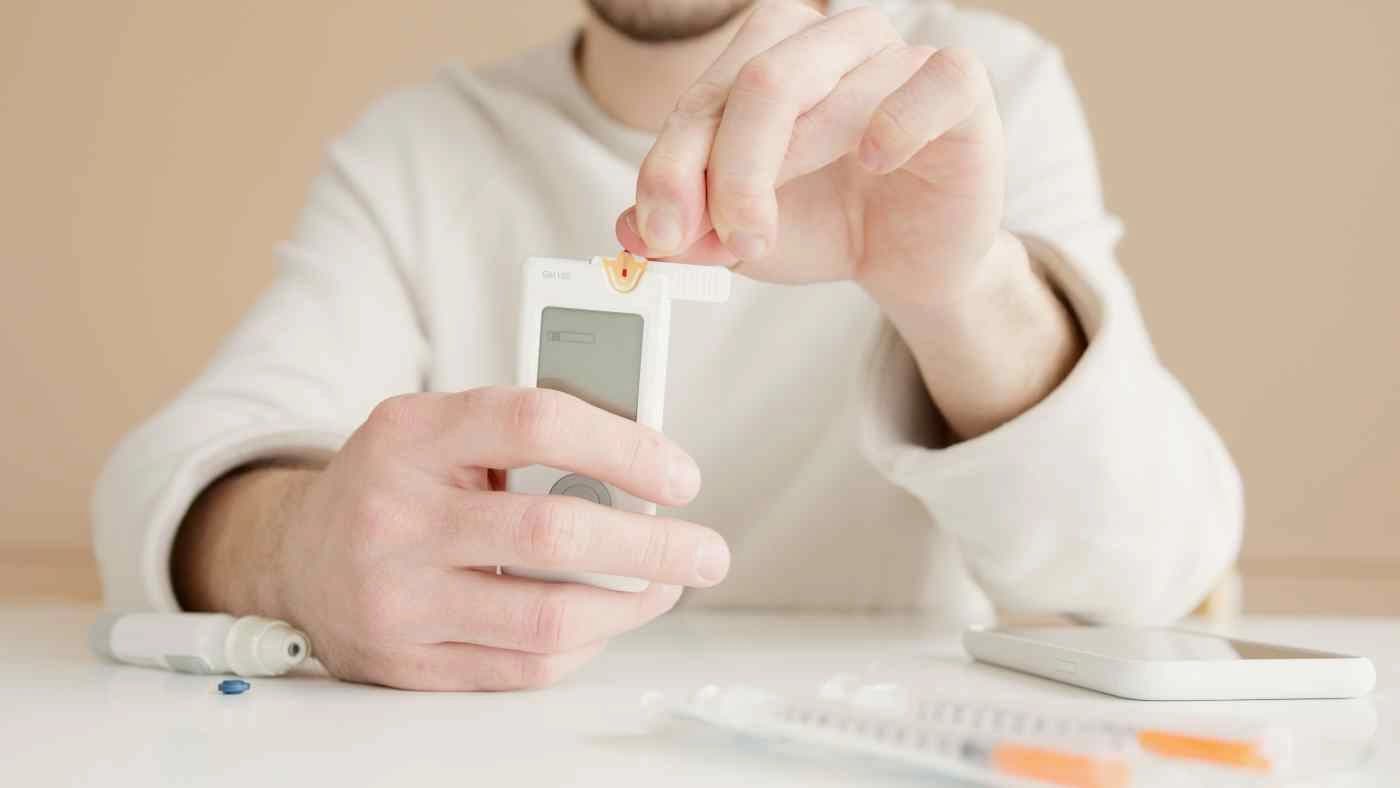
At a glance
What It Is
A metabolic condition where the body struggles to use insulin well, causing blood sugar to rise over time.
How It Presents
Often involves fatigue, increased thirst, frequent urination, slow healing, or blurred vision.
What May Help
Nutrition, regular movement, quality sleep, and stress support are commonly explored alongside medical care.
Evidence Context
Lifestyle approaches show promise but evidence varies; no supplement or habit replaces medical management.
See the evidence snapshotWhen to Seek Help
Seek care for very high or low blood sugar, chest pain, vision changes, or numbness in hands or feet.
Explanation
Type 2 diabetes is a metabolic condition in which the body has difficulty using insulin effectively, leading to higher blood sugar over time. It can affect energy, circulation, nerves, vision, kidneys, and heart health if not monitored. Whole-person support may include nutrition, movement, sleep, stress regulation, medication adherence, and regular medical follow-up.
Could this be you
Type 2 Diabetes shows up differently for everyone. Browse by how it tends to be felt — these are common experiences, not a checklist or a diagnosis.
Common experiences people describe — not a diagnostic checklist.
Why it happens
Type 2 Diabetes usually comes from a mix of factors rather than a single cause. These are common contributors — not certainties.
Genetics and family history strongly influence how the body responds to insulin, and risk rises with age.
High blood pressure, PCOS, a history of gestational diabetes, and some medications raise the likelihood of developing type 2 diabetes.
Chronic short or poor quality sleep and sustained stress affect blood sugar regulation and appetite hormones over time.
What happens in the body
Type 2 Diabetes can involve several of the body’s systems. These are common patterns researchers describe — how they show up varies from person to person.
Beta cells in the pancreas may gradually lose their ability to produce enough insulin to overcome the body's growing resistance to it.
Muscle, fat, and liver cells may respond poorly to insulin signals, leaving excess glucose circulating in the bloodstream rather than entering cells for energy.
Persistently elevated blood glucose may damage the walls of blood vessels over time, raising the risk of reduced circulation to the heart, kidneys, eyes, and nerves.
Chronic stress hormones such as cortisol can raise blood glucose levels and may worsen insulin resistance by signaling the liver to release stored sugar.
Process
Management
Blood sugar monitoring and medications, where prescribed, form the foundation of care and are reviewed regularly by the clinical team.
Dietitian guided eating patterns emphasizing whole foods, fiber, and reduced refined carbohydrates are strongly supported by research.
Both aerobic activity and strength training improve insulin sensitivity; research support is strong and effects begin quickly.
Evidence based programs combining diet, activity, and behavior change can substantially improve blood sugar and, for some people, achieve remission under medical supervision.
Some people explore mindfulness, yoga, and sleep focused approaches alongside medical care to support the routines that blood sugar control depends on.
Self-Care
Vegetables, legumes, whole grains, and protein at each meal slow glucose absorption and support steadier blood sugar.
Even ten to fifteen minutes of walking after eating measurably reduces post meal blood sugar rises for many people.
Regular, sufficient sleep supports insulin sensitivity and makes food and activity routines far easier to sustain.
Keeping eye, foot, kidney, and blood test appointments catches change early, when it is easiest to act on.
The Evidence
What the research supports, where gaps remain, and how whole-person approaches fit alongside medical care.
Medical care is essential — complementary support can help habits
Type 2 diabetes has a strong evidence base for blood sugar monitoring, nutrition, movement, and prescribed medications. Complementary approaches may support stress, habits, and wellbeing, but should always work alongside — not instead of — medical care.
Blood sugar monitoring, structured nutrition, regular physical activity, and prescribed medications have strong clinical evidence behind them. Complementary approaches such as mindfulness, yoga, and health coaching show some benefit for habit support and stress reduction, but evidence for holistic-only management of blood sugar is insufficient.
Cells in muscle, fat, and liver may respond poorly to insulin, leaving excess glucose in the bloodstream. Over time, elevated blood sugar can affect blood vessels, nerves, kidneys, and eyes. Stress hormones such as cortisol can also raise blood glucose, making stress regulation a relevant part of whole-person support.
Practices such as mindfulness, yoga, tai chi, and integrative health coaching may support stress reduction, movement habits, and emotional wellbeing. These are best understood as additions to medical care, not replacements for it. Evidence for their direct effect on blood sugar control is limited and ongoing.
Seek care promptly for severe or recurring high or low blood sugar readings, excess thirst, frequent urination, blurred vision, or unexplained weight loss. Vomiting, confusion, fruity breath, or extreme weakness require urgent attention. Foot wounds, infections, numbness, chest pain, or shortness of breath should not be left unassessed.
Regular follow-up with a qualified healthcare provider is essential for monitoring blood sugar, reviewing medications, and assessing long-term health. If you explore complementary or holistic supports, inform all practitioners involved in your care. No complementary approach should replace prescribed medical management.
Content on this platform is educational and does not constitute professional assessment, medical advice, or a substitute for qualified care. For a condition like Type 2 diabetes, individual needs vary significantly. Use this information to inform conversations with your healthcare team, not to make independent decisions about your management.
Safety first
Type 2 Diabetes is manageable, and support helps. Some situations call for prompt professional help.
Explore approaches
Practices people explore for type 2 diabetes — alongside professional care.
FAQ
Nutrition focused on blood sugar balance, regular physical movement, quality sleep, and stress regulation are widely explored as supportive habits. These approaches are typically used alongside, not instead of, medical treatment and monitoring.
No supplement or complementary approach should replace prescribed medication or your care team's guidance. Some people explore options like dietary changes or mindfulness for additional support, but these are not substitutes for medical management.
Seek care right away for very high or very low blood sugar, chest pain, sudden vision changes, numbness or tingling in the hands or feet, or wounds that are not healing. These may signal serious complications that need prompt evaluation.
Over time, poorly managed blood sugar may affect circulation, nerve function, vision, kidney health, and heart health. Regular medical follow-up helps monitor these areas and catch changes early before they become more serious.
Keep exploring
Browse practitioners, explore honest overviews, and take what you learn to a conversation — at your own pace.