What It Is
PCOS is a hormonal condition affecting ovarian function, often involving insulin resistance and elevated androgens.
Understanding your body and finding what works for you

At a glance
What It Is
PCOS is a hormonal condition affecting ovarian function, often involving insulin resistance and elevated androgens.
How It Presents
Irregular periods, excess hair growth, acne, fatigue, weight changes, and low mood are commonly reported.
What May Help
Nutritional therapy, inositol supplementation, movement, and stress support are commonly explored approaches.
Evidence Context
Research into lifestyle and nutritional support for PCOS is strong relative to many hormonal conditions.
See the evidence snapshotWhen to Seek Help
Consult a doctor if symptoms affect fertility, daily functioning, menstrual cycles, or metabolic health.
Explanation
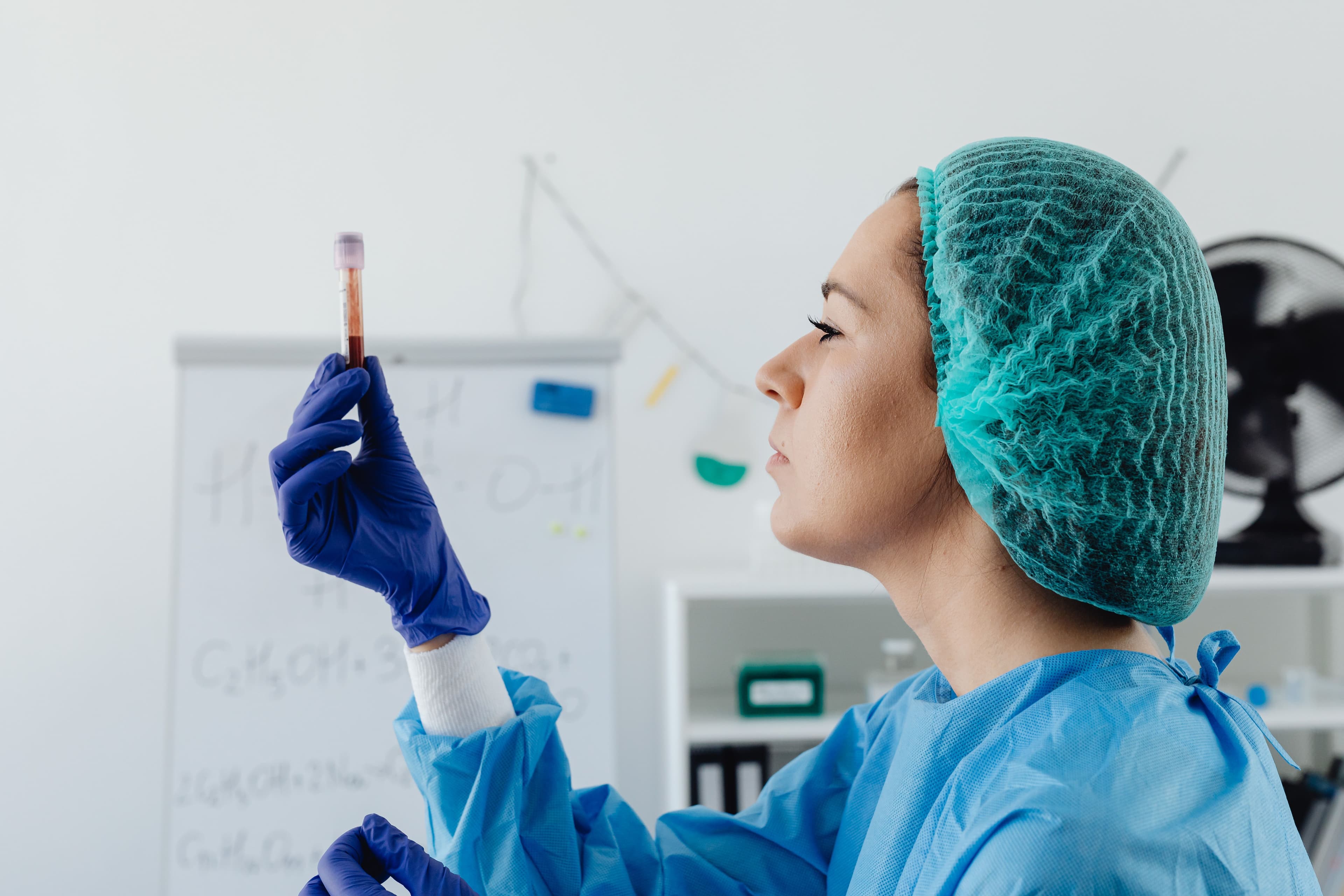
PCOS is a hormonal condition in which the ovaries produce higher-than-typical levels of androgens, often disrupting ovulation and menstrual regularity. Many people with PCOS also experience insulin resistance, which can affect weight regulation, energy, and long-term metabolic health. Holistic approaches may support hormonal balance by improving insulin sensitivity, reducing chronic stress, addressing nutritional gaps, and promoting consistent daily rhythms. Many individuals find that combining medical supervision with lifestyle and complementary strategies supports overall wellbeing. However, completing a comprehensive hormonal blood panel beforehand can help determine your treatment eligibility, ensuring you come prepared for your consultation with a medical professional.
Could this be you
PCOS shows up differently for everyone. Browse by how it tends to be felt — these are common experiences, not a checklist or a diagnosis.
Common experiences people describe — not a diagnostic checklist.
Why it happens
PCOS usually comes from a mix of factors rather than a single cause. These are common contributors — not certainties.
Genetics play a substantial role; PCOS clusters in families and involves inherited differences in androgen production and insulin signaling.
Chronic stress and poor sleep affect the hormonal axes involved in PCOS and can worsen cycle irregularity and cravings.
Insulin resistance is central for many people, raising androgen levels and disrupting ovulation, independent of body size.
What happens in the body
PCOS can involve several of the body’s systems. These are common patterns researchers describe — how they show up varies from person to person.
The ovaries may produce excess androgens, which can disrupt the hormonal signals needed for regular follicle maturation and ovulation.
Cells may respond less efficiently to insulin, prompting the pancreas to release more, which can further stimulate androgen production in the ovaries.
Low-grade chronic inflammation is commonly observed in PCOS and may contribute to insulin resistance and disrupted ovarian hormone signaling.
Altered pulsing of GnRH from the hypothalamus may skew the LH-to-FSH ratio, favoring androgen production over normal follicle development.
Process
Management
Options such as hormonal treatments to regulate cycles or medications addressing insulin resistance are discussed individually with a doctor.
Dietitian guided eating patterns that steady blood sugar have strong research support for improving cycles, energy, and long term health.
Both aerobic and strength training improve insulin sensitivity and are among the best evidenced supports in PCOS.
Ovulation support and fertility treatments are effective for many people with PCOS; a specialist can assess individual options.
Some people explore acupuncture, yoga, mindfulness, and supplements such as inositol alongside medical care; evidence varies and supplements should be discussed with a clinician.
Self-Care
Building meals around protein, fiber, and whole carbohydrates supports the insulin picture that drives many PCOS symptoms.
Muscle is metabolically protective; two to three strength sessions weekly measurably improve insulin sensitivity.
Consistent, sufficient sleep supports the hormonal and appetite regulation that PCOS already makes harder.
Anxiety and low mood are more common with PCOS; support for stress and body image is part of care, not an extra.
The Evidence
What research says about PCOS, how conventional and complementary approaches compare, and where the evidence is still developing.
PCOS is well-researched with growing support for lifestyle approaches
PCOS has a strong conventional evidence base covering hormonal, metabolic, and inflammatory mechanisms. Lifestyle interventions and select complementary approaches show meaningful supporting evidence, particularly for metabolic and symptom management.
The hormonal and metabolic mechanisms of PCOS are well-documented in clinical research. Lifestyle interventions — including nutrition, physical activity, and sleep — have moderate-to-strong evidence for improving insulin sensitivity and hormonal markers. Approaches such as inositol supplementation and acupuncture show emerging evidence, though study sizes remain limited and findings are not yet definitive.
Conventional care typically involves hormonal and metabolic blood testing, ultrasound assessment, and individualised management of symptoms such as irregular cycles, androgen excess, and insulin resistance. Professional assessment is important before beginning any intervention, as PCOS presentations vary considerably between individuals and can overlap with other hormonal conditions.
Nutritional therapy, inositol supplementation, and acupuncture have been studied in PCOS with encouraging results for cycle regularity, insulin sensitivity, and androgen levels. These approaches are generally considered supportive rather than standalone, and outcomes vary between individuals. Working with a qualified practitioner helps ensure approaches are appropriate for your specific presentation.
Consistent evidence supports the role of dietary patterns, regular physical activity, sleep quality, and stress regulation in improving metabolic and hormonal markers in PCOS. These factors interact — poor sleep can worsen insulin resistance, and chronic stress can disrupt hormonal signalling. A holistic approach that addresses multiple lifestyle factors together tends to show greater benefit than single interventions alone.
Seek urgent assessment for sudden severe abdominal pain, uncontrolled blood sugar, chest pain occurring with hormonal symptoms, fainting, or severe confusion. Do not stop hormonal medications abruptly without medical guidance. Self-managing without professional assessment may delay identification of other conditions that can present similarly to PCOS.
PCOS benefits from professional assessment before starting any intervention. A GP or endocrinologist can guide medical management, while qualified nutritional therapists, acupuncturists, or naturopaths may offer complementary support. Informing all practitioners about your full care plan helps avoid interactions and ensures approaches are tailored to your individual hormonal and metabolic profile.
Safety first
PCOS is manageable, and support helps. Some situations call for prompt professional help.
Explore approaches
Practices people explore for pcos — alongside professional care.
FAQ
PCOS involves a complex interaction between hormones, insulin signaling, and ovarian function. Genetics appear to play a role, and insulin resistance is present in many people with the condition. No single cause has been identified.
Some people find that dietary changes, inositol supplementation, and stress management may support hormonal balance and menstrual regularity. Evidence for these approaches is relatively strong compared to many hormonal conditions, though results vary between individuals.
Inositol, particularly myo-inositol and D-chiro-inositol, is one of the more researched nutritional supplements in the PCOS space. Some practitioners suggest it may support insulin sensitivity and ovarian function, though it is not a substitute for medical care.
If your symptoms are disrupting your menstrual cycle, affecting fertility, or impacting your day-to-day wellbeing, a doctor or endocrinologist can help guide diagnosis and treatment. Do not stop any prescribed medications without professional supervision.
No. PCOS presents very differently between individuals. Some experience many symptoms while others have only one or two. Tracking your own patterns over time can be a helpful starting point for conversations with a healthcare provider.
Keep exploring
Browse practitioners, explore honest overviews, and take what you learn to a conversation — at your own pace.