What It Is
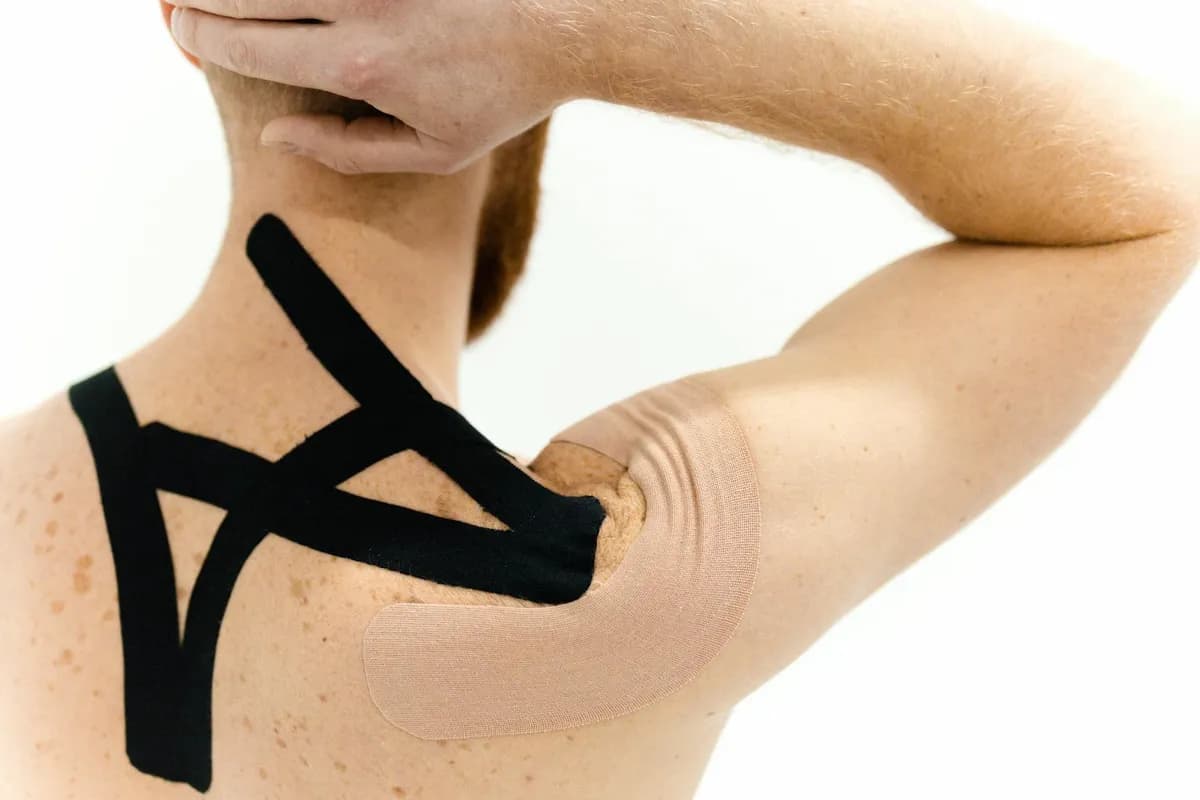
Shoulder pain involves discomfort or stiffness in the joint and surrounding muscles or tendons.
Understanding what's behind your shoulder pain and what may help
At a glance
What It Is
Shoulder pain involves discomfort or stiffness in the joint and surrounding muscles or tendons.
How It Presents
Common experiences include aching, limited reach, night pain, and stiffness worse in the morning.
What May Help
Massage, acupuncture, and myofascial work are commonly explored to support shoulder comfort and mobility.
Evidence Context
Research into hands-on therapies for shoulder pain is encouraging, with a growing body of support.
See the evidence snapshotWhen to Seek Help
Seek prompt care for sudden severe pain, arm weakness, or pain that follows an injury or trauma.
Explanation
Shoulder pain is one of the most common musculoskeletal complaints. The shoulder is the most mobile joint in the body, making it inherently susceptible to injury and overuse. Common presentations include rotator cuff tendinopathy or tears, impingement syndrome, frozen shoulder (adhesive capsulitis), acromioclavicular joint dysfunction, and referred pain from the cervical spine. Postural habits, sustained computer use, repetitive overhead activities, previous injury, and stress-related muscle tension all contribute. Most shoulder pain responds well to structured conservative management without surgery.
Could this be you
Shoulder Pain shows up differently for everyone. Browse by how it tends to be felt — these are common experiences, not a checklist or a diagnosis.
Common experiences people describe — not a diagnostic checklist.
Why it happens
Shoulder Pain usually comes from a mix of factors rather than a single cause. These are common contributors — not certainties.
Age-related wear on the rotator cuff tendons and joint cartilage may increase vulnerability to shoulder pain.
Chronic stress can drive muscle tension in the neck and shoulders, potentially worsening discomfort over time.
Muscle imbalances, poor posture, or a history of shoulder injury may raise the likelihood of recurring pain.
Sleeping on the affected shoulder can compress soft tissues and may intensify pain and morning stiffness.
What happens in the body
Shoulder Pain can involve several of the body’s systems. These are common patterns researchers describe — how they show up varies from person to person.
Repeated stress or poor loading patterns may cause microtrauma to the rotator cuff tendons, leading to tendinopathy, impingement, or partial tearing within the subacromial space.
Dysfunction in the cervical vertebrae or surrounding soft tissue may refer pain into the shoulder region, making it difficult to distinguish local joint issues from spinal sources.
Sustained desk-based postures may contribute to muscle imbalances around the scapula and thorax, altering shoulder mechanics and increasing load on vulnerable structures over time.
Chronic psychological stress is associated with elevated muscle tension in the upper trapezius and neck, which may compound shoulder discomfort and limit recovery in some individuals.
Process
Management
A structured program of guided exercises may support recovery of strength, mobility, and function in the shoulder joint and surrounding muscles.
A doctor may discuss over-the-counter NSAIDs to help manage pain and inflammation during flare-ups, alongside other approaches.
Some people find acupuncture helpful for shoulder pain and stiffness, with a growing body of evidence suggesting it may support pain relief and range of motion.
Targeted soft tissue work on the rotator cuff, upper back, and neck may help release tension patterns that contribute to shoulder discomfort and restricted movement.
For persistent or severe shoulder pain, a doctor may discuss corticosteroid injections to reduce localized inflammation, typically as part of a broader care plan.
Self-Care
Slow, pain-free shoulder circles and pendulum movements each morning may support mobility and reduce stiffness that tends to build overnight.
Resistance band exercises targeting the small stabilizing muscles around the shoulder joint may help reduce strain on surrounding structures over time.
Adjusting monitor height, armrest position, and keyboard placement may ease the repetitive loading patterns that some people find contribute to shoulder tension.
Warmth before movement may loosen tight tissues, while a cold pack applied for 10 to 15 minutes after activity may help calm post-exertion soreness.
Placing a supportive pillow between your arm and torso when side-sleeping may reduce overnight pressure on the shoulder and help protect sleep quality.
The Evidence
What the research says about shoulder pain, how it develops, and which approaches have the strongest support.
Most shoulder pain responds well to structured conservative care
Shoulder pain is one of the most researched musculoskeletal complaints, with strong evidence supporting physiotherapy, exercise, and manual therapy across most common presentations. Surgery is rarely the first line of care.
Progressive loading and manual therapy are well-supported for rotator cuff tendinopathy, impingement, and frozen shoulder. Acupuncture has good evidence for tendinopathy and impingement. Shockwave therapy shows emerging support for calcific tendinopathy. Most presentations improve without surgical intervention when managed consistently.
Common causes include rotator cuff tendinopathy, impingement syndrome, frozen shoulder, and referred pain from the cervical spine. Postural habits, repetitive overhead activity, and previous injury all contribute. Identifying the source accurately matters, as different presentations respond to different approaches.
Acupuncture has reasonable evidence for pain relief in rotator cuff and impingement presentations. Sports massage, myofascial release, and trigger point therapy may help address muscular tension and compensatory patterns in the neck and upper back. These approaches work best as part of a broader plan that includes movement rehabilitation.
Seek prompt assessment if you experience sudden severe shoulder pain, pain following a fall or trauma, inability to raise the arm, numbness or weakness in the arm or hand, or chest pain occurring alongside shoulder pain. Chest pain with shoulder pain may indicate a cardiac or vascular cause and requires immediate medical attention.
A physiotherapist, sports medicine practitioner, or GP can assess the likely source of shoulder pain and guide appropriate management. Cervical spine involvement, structural injury, and postural contributors each call for different approaches. Avoid deep tissue work on an acutely inflamed or unassessed shoulder without professional clearance.
The information here is educational and does not replace professional evaluation. Shoulder pain presentations vary widely, and the right approach depends on an accurate understanding of the underlying cause. If symptoms are persistent, worsening, or accompanied by any red flags, professional assessment is the appropriate next step.
Safety first
Shoulder Pain is manageable, and support helps. Some situations call for prompt professional help.
Explore approaches
Practices people explore for shoulder pain — alongside professional care.
FAQ
Shoulder pain often stems from muscle tension, rotator cuff strain, postural habits, or joint irritation. Repetitive overhead movements and prolonged sitting can contribute. A practitioner can help identify the likely cause for your situation.
Some people find that sports massage, trigger point work, and acupuncture may support reduced tension and improved shoulder movement. Evidence for these approaches in shoulder pain is encouraging, though individual results vary.
The shoulder, neck, and upper back share muscles and movement patterns. When one area is strained, surrounding structures may compensate, leading to broader tension. Addressing the whole area is something many practitioners consider.
Seek medical attention if pain follows an injury, comes with arm numbness or weakness, or prevents you from raising your arm. Pain that worsens at rest or does not improve over time also warrants professional evaluation.
Mild shoulder discomfort sometimes settles with rest and gentle movement. Persistent or recurring pain often benefits from professional assessment. Early attention may support better outcomes and help prevent further strain.
Keep exploring
Browse practitioners, explore honest overviews, and take what you learn to a conversation — at your own pace.