What It Is
Involuntary urine leakage ranging from small stress-triggered drips to sudden urgent loss of control
Understanding why leaks happen and what may help

At a glance
What It Is
Involuntary urine leakage ranging from small stress-triggered drips to sudden urgent loss of control
How It Presents
Leaks during coughing or exercise, sudden urgency, frequent bathroom visits, and nighttime waking
What May Help
Pelvic floor physiotherapy, bladder retraining, fluid habits, and lifestyle adjustments are widely explored
Evidence Context
Pelvic floor muscle training has strong research support as a first-line approach for many types of incontinence
See the evidence snapshotWhen to Seek Help
See a doctor if leaks are frequent, worsening, affect daily life, or occur alongside pain or blood in urine
Explanation
Urinary incontinence is the involuntary leakage of urine, affecting quality of life, confidence, and social participation. Specialist pelvic floor physiotherapy has strong evidence as the primary intervention; bladder retraining, dietary changes, and stress management support comprehensive management.
Could this be you
Urinary incontinence shows up differently for everyone. Browse by how it tends to be felt — these are common experiences, not a checklist or a diagnosis.
Common experiences people describe — not a diagnostic checklist.
Why it happens
Urinary incontinence usually comes from a mix of factors rather than a single cause. These are common contributors — not certainties.
Pregnancy, childbirth, and menopause may affect pelvic floor muscles and urethral support, increasing the likelihood of involuntary leakage.
Chronic stress may heighten bladder sensitivity and urgency, and some people find stress worsens urge-type incontinence episodes.
Excess body weight, persistent inflammation, metabolic changes, and pelvic floor dysfunction are commonly associated with increased incontinence risk.
Poor sleep may disrupt hormonal regulation and reduce the body's ability to manage bladder control signals, potentially worsening symptoms.
What happens in the body
Urinary incontinence can involve several of the body’s systems. These are common patterns researchers describe — how they show up varies from person to person.
Weakened or poorly coordinated pelvic floor muscles may reduce urethral closure pressure, allowing urine to leak when abdominal pressure rises suddenly.
Disrupted signaling between the bladder wall, spinal cord, and brain may cause the detrusor muscle to contract involuntarily, triggering urgent or uncontrolled urine release.
Declining estrogen levels may reduce urethral tissue tone and mucosal thickness, potentially contributing to reduced sphincter support and increased leakage risk.
Chronic stress and anxiety may heighten bladder sensitivity and urgency perception, and the social burden of incontinence can reinforce avoidance behaviors that affect daily functioning.
Process
Management
A first-line approach with strong support. A trained physiotherapist may guide targeted exercises to help strengthen the muscles that control bladder leakage.
Some practitioners suggest scheduled voiding and urgency-deferral techniques to help gradually extend time between bathroom visits and reduce urgency episodes.
A doctor may discuss prescription medications for urge incontinence that work on bladder muscle activity. These are typically considered when behavioral approaches alone are insufficient.
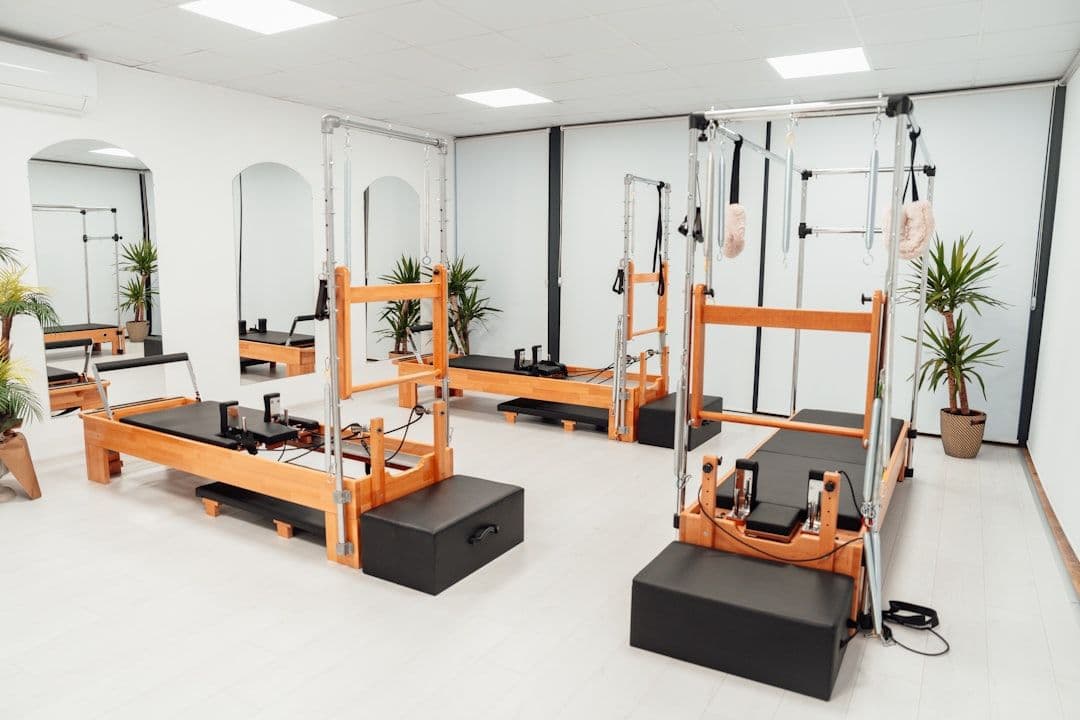
Some people find that Pilates, with its focus on deep core and pelvic stability, may support pelvic floor function and complement structured physiotherapy.
Adjusting caffeine and alcohol intake, maintaining a healthy body weight, and timed fluid intake are commonly explored alongside other approaches to help reduce leakage frequency.
Self-Care
Contracting and releasing the pelvic floor muscles several times a day may support bladder control. Some people find working with a pelvic floor physiotherapist helps ensure correct technique.
Pilates may support core and pelvic floor strength. Some practitioners suggest starting gently and avoiding high-impact exercise until bladder control has improved.
Staying well hydrated is important, but some people find spacing fluids evenly and reducing caffeine or alcohol may help reduce urgency and leakage episodes.
Chronic stress can contribute to pelvic floor tension. Mindful breathing or relaxation practices may support overall pelvic health and bladder function over time.
Some people find that reducing bladder irritants like spicy foods and maintaining a healthy body weight may support urinary control and pelvic floor function.
The Evidence
What research and clinical practice say about managing urinary incontinence across conventional and complementary approaches.
Pelvic floor physiotherapy is a well-supported first-line approach
Urinary incontinence is a common and manageable condition with strong clinical evidence supporting pelvic floor physiotherapy and bladder retraining. Many people experience meaningful improvement with appropriate care, and the condition is far from inevitable.
Supervised pelvic floor muscle training is consistently supported by clinical guidelines as a primary intervention for both stress and urge incontinence. Bladder retraining shows meaningful benefit for urgency symptoms. Lifestyle factors — including fluid management, body weight, and physical activity — are also well-supported as part of a comprehensive approach.
Some people use acupuncture, mindfulness, and herbal medicine alongside physiotherapy and medical care. Evidence for these approaches in incontinence is limited and mixed — some studies suggest modest benefit for urgency and quality of life, but findings are not yet consistent enough to draw firm conclusions. These approaches are best considered supportive rather than primary.
Incontinence has several distinct types — stress, urge, mixed, and overflow — each with different underlying mechanisms. Professional assessment helps identify the cause and inform the most suitable approach. Many people delay seeking help for years, often assuming leakage is inevitable after childbirth or with ageing. It is not — and early assessment tends to support better outcomes.
Seek prompt medical assessment for: blood in urine, sudden complete loss of bladder control, new incontinence following an injury, fever with pelvic pain, or inability to urinate at all. These may indicate conditions requiring urgent evaluation and should not be managed with self-care or complementary approaches alone.
Reducing caffeine and alcohol, managing fluid timing, and maintaining a healthy body weight are supported lifestyle strategies. Chronic stress and anxiety may heighten bladder sensitivity, and some people find that stress management practices support symptom reduction alongside physical interventions. These factors are worth discussing with a qualified practitioner.
Research into complementary and holistic approaches for incontinence is growing but inconsistent. Study quality, small sample sizes, and varied outcome measures make it difficult to draw firm conclusions beyond physiotherapy and bladder retraining. Practitioners making inflated outcome claims for any single approach should be viewed with caution. Gyfts does not substitute for professional assessment or qualified care.
Safety first
Urinary incontinence is manageable, and support helps. Some situations call for prompt professional help.
Explore approaches
Practices people explore for urinary incontinence — alongside professional care.
FAQ
Many people assume leakage is inevitable, but it is a manageable condition, not an unavoidable outcome. Appropriate support often leads to meaningful improvement. Seeking assessment early is worthwhile.
Yes. Stress incontinence may respond well to pelvic floor strengthening, while urge incontinence often involves bladder retraining. A specialist can help identify which type or combination is present.
Some people find that managing caffeine intake, maintaining a healthy weight, and reducing bladder irritants supports symptom management alongside physiotherapy. These approaches complement, not replace, specialist care.
Consult a doctor if leaks are frequent, interfere with daily life, or are accompanied by pain, blood in urine, or fever. A urologist or pelvic floor physiotherapist can guide next steps.
Some people notice improvement within a few weeks of consistent pelvic floor exercises, though results vary. A qualified physiotherapist can assess technique and tailor a program to individual needs.
Keep exploring
Browse practitioners, explore honest overviews, and take what you learn to a conversation — at your own pace.