Why Practitioners Choose This Modality
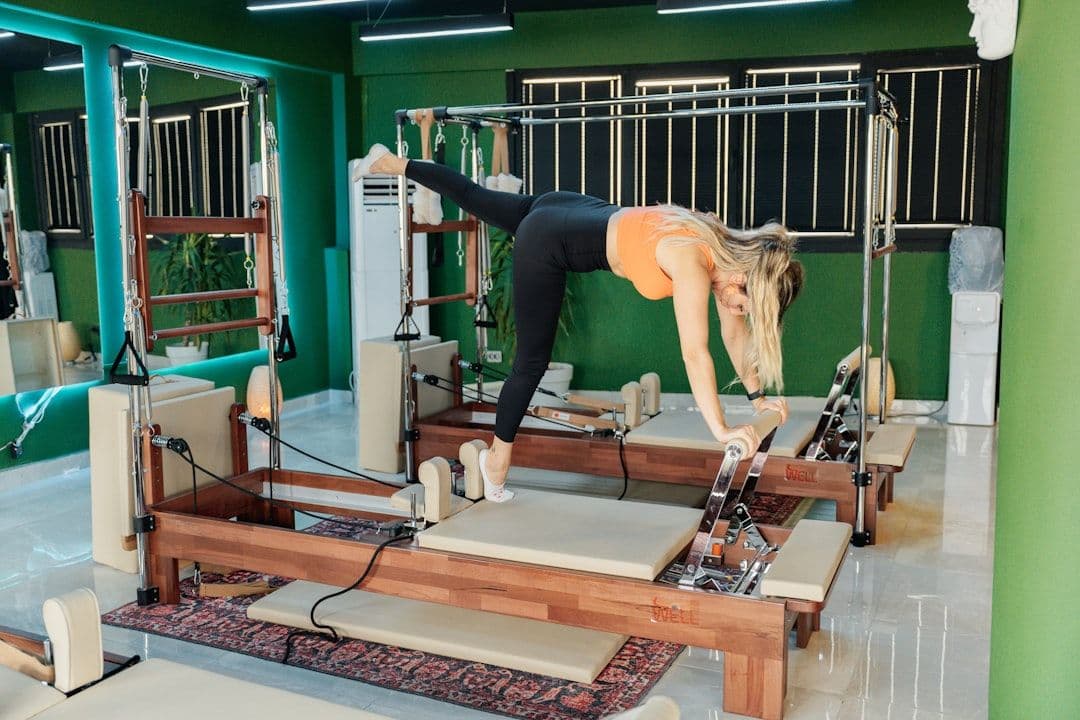
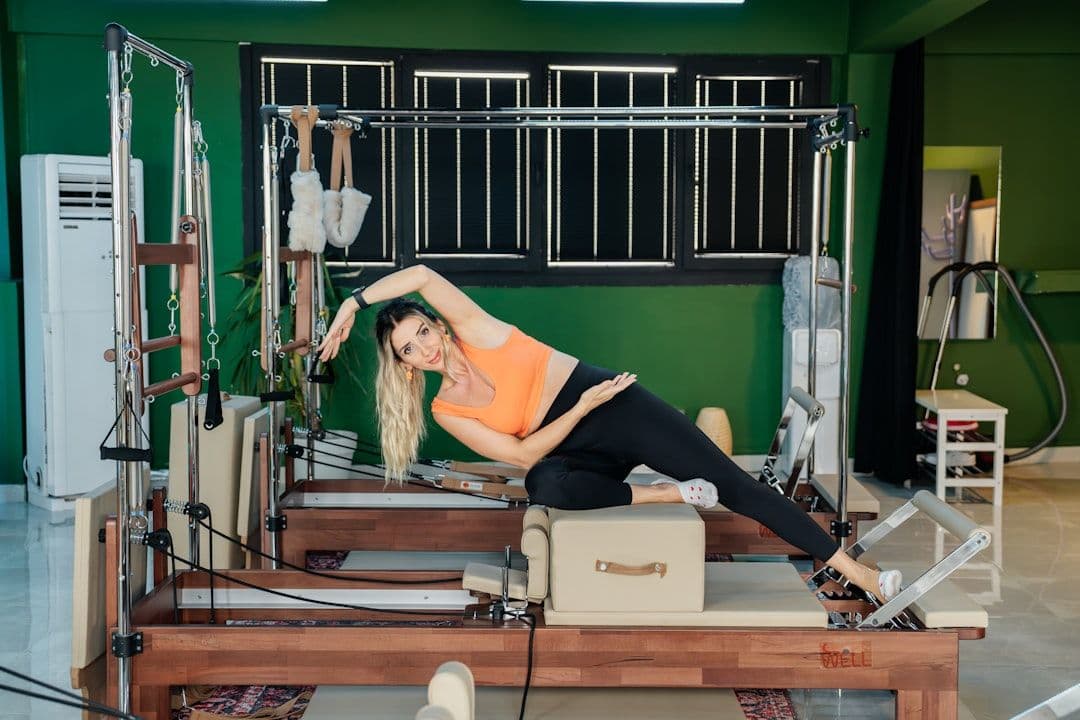
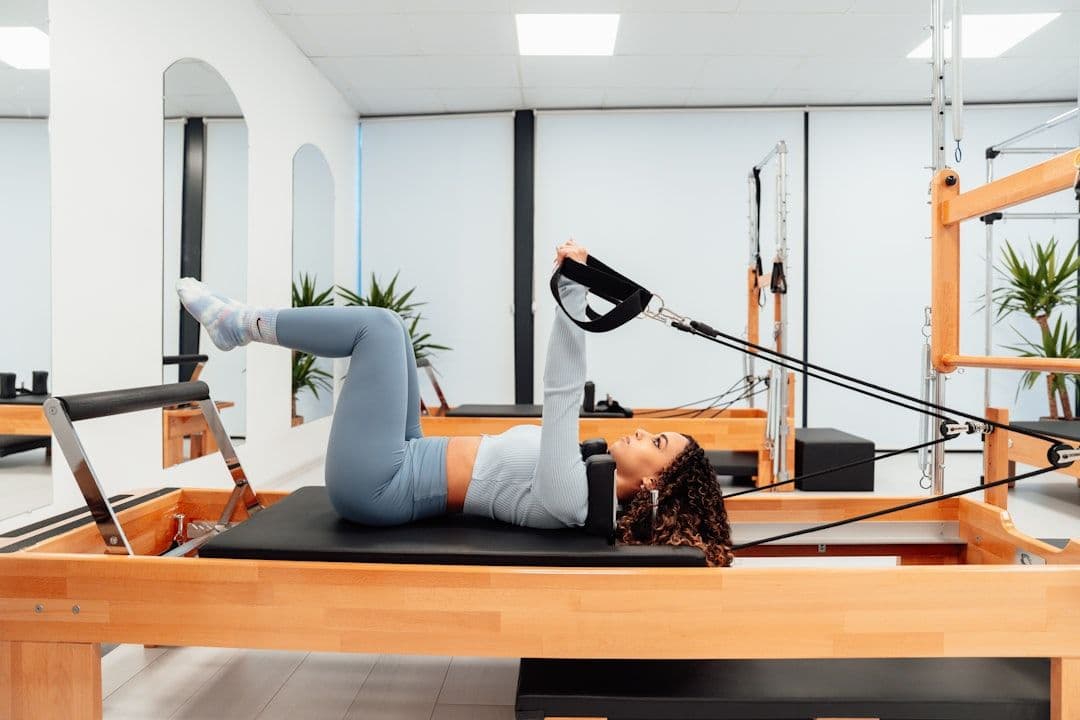
I became drawn to Pilates because of its profound emphasis on precision, mindfulness, and functional strength. Unlike high-impact exercise, Pilates invites practitioners into a slower, more intentional relationship with their body. What keeps me practicing and teaching it is witnessing the transformations my clients experience—not just physical, but mental and emotional as well.
Pilates works with the body's natural alignment and movement patterns. The methodology focuses on strengthening deep stabilizing muscles, particularly the transverse abdominis, which acts like a natural corset for the spine. This targeted approach appeals to me because it addresses root causes rather than surface symptoms. A client with chronic lower back pain doesn't just get temporary relief; they develop lasting strength and awareness that supports their spine in daily life.
The evidence base is compelling. Multiple research studies demonstrate that consistent Pilates practice reduces pain, improves postural alignment, and enhances functional mobility. What excites me most is its versatility. Whether working with someone recovering from surgery, managing arthritis, or seeking better posture, I can adapt Pilates to meet them exactly where they are. The method respects individual variation and progression, which feels both ethical and effective.
Beyond the physical benefits, Pilates cultivates a mind-body connection that many clients describe as deeply grounding. The focus on breathing, control, and awareness creates space for stress relief and mental clarity. This holistic quality—where physical practice nourishes mental wellbeing—is why I find Pilates so rewarding as a practice modality.
What Clients Typically Experience
The changes I observe in clients are often remarkable and multifaceted. Physically, most people report improvements within the first 4 to 6 weeks: reduced pain, better posture, increased energy, and improved movement quality. Those with chronic lower back pain frequently describe less stiffness, fewer muscle spasms, and greater confidence in daily activities like sitting, standing, or bending. Clients with pelvic floor concerns often notice improved bladder control and reduced pelvic discomfort as their pelvic floor muscles become more coordinated and responsive.
Beyond pain relief, clients typically experience enhanced body awareness. They begin noticing postural habits, understanding how their alignment affects their comfort, and making conscious adjustments throughout the day. This awareness alone creates lasting change. Someone who spent years hunched at a desk gradually reconnects with an upright, supported posture—not through force, but through strength and conscious choice.
Flexibility and range of motion improve steadily. People often say, 'I can touch my toes now,' or 'My shoulders feel looser.' This isn't dramatic stretching; it's lengthening that comes from balanced strength. When deep core muscles stabilize the spine, superficial muscles can relax, creating natural mobility.
Mentally and emotionally, clients frequently report feeling calmer, more grounded, and more resilient to stress. The practice becomes a sanctuary—a time to slow down, breathe, and reconnect with their body. This shift in mental state often carries into their lives beyond the studio, improving sleep quality, reducing anxiety, and fostering a more positive relationship with their body.
I also notice improved functional performance. Clients climb stairs with less effort, play with grandchildren more comfortably, exercise without pain, and return to activities they thought they had lost. These functional gains represent the true success of Pilates work.
Common Misconceptions
The most prevalent misconception is that Pilates is only for flexible, athletic, or young people. In reality, Pilates is designed for every body and every level of fitness. The method meets you exactly where you are and progresses at your pace. Stiffness, weakness, and age are not barriers; they are simply starting points. I work regularly with clients in their 60s, 70s, and beyond who experience profound benefits.
Another common myth is that Pilates is easy or wimpy compared to high-intensity exercise. While Pilates is controlled and mindful, do not mistake that for gentleness. The small, precise movements engage muscles deeply and demand significant stabilizing strength. Many people feel challenged and energized after a Pilates session, even though it looks quiet and calm.
Some people believe Pilates is a cure-all or can replace medical treatment for serious conditions. While Pilates is powerful for pain management and strength-building, it is most effective when used alongside professional medical care. If you have a serious spinal injury, neurological condition, or undiagnosed pain, Pilates should complement, not replace, medical evaluation and treatment.
There is also confusion about the difference between Pilates and yoga, or between Pilates and general stretching. While these practices share some qualities, Pilates is specifically designed to build core strength and functional stability through controlled resistance and precision. Yoga emphasizes flexibility and mindfulness. Stretching alone does not build the stabilizing strength that Pilates offers. Each practice has value; they are simply different tools.
Finally, some assume that one or two sessions will create lasting change. Pilates is a practice—consistent, regular engagement yields results. Think of it like learning an instrument: occasional practice maintains a baseline, but regular practice develops mastery. Commitment to a sustainable schedule—typically 2 to 3 sessions weekly—is how transformation happens.
Advice for First-Timers
Starting Pilates is an exciting step, and I want to help you set yourself up for success. First, be honest with your instructor about your body. Share any injuries, surgical history, chronic pain, or medical conditions. This transparency allows your instructor to modify movements appropriately and keep you safe. Do not assume your instructor knows; communication is essential.
Second, manage expectations realistically. Pilates creates change, but not overnight. Most people feel initial benefits within 2 to 3 weeks and noticeable functional improvements by 6 to 8 weeks. Deeper strength and postural integration take 12 weeks or longer. Trust the process and be patient with your body.
Third, prioritize consistency over intensity. Two to three well-executed sessions per week outweigh sporadic intense sessions. Pilates builds strength through repetition and neural adaptation, so regular, moderate practice is far more effective than occasional heroic efforts. Finding a schedule you can maintain is more valuable than occasional perfection.
Fourth, focus on quality over quantity. Pilates is not about how many repetitions you complete; it is about how you complete them. A few perfectly executed movements with awareness and control deliver far greater benefit than many sloppy, mindless repetitions. Slow down, breathe, and engage your mind. This quality of attention is what transforms the body.
Fifth, invest in instruction, at least initially. While some free resources exist, working with a qualified instructor—even for a few sessions—is invaluable. They watch your alignment, offer real-time feedback, prevent injury, and adapt exercises to your individual needs. Group classes are wonderful for community and consistency, but private or semi-private sessions at the start accelerate learning and confidence.
Finally, listen to your body without judgment. Some soreness or new sensations are normal as muscles strengthen. But sharp pain, dizziness, or symptoms that worsen are red flags—stop and discuss with your instructor or healthcare provider. Pilates should enhance your wellbeing, not create injury. As you progress, stay curious about subtle improvements: better sleep, improved digestion, reduced tension, or greater ease in movement. These small shifts are profound.
When to Seek Additional Support
While Pilates is a powerful complement to overall health, certain situations require professional medical evaluation and care. If you experience sudden, severe pain, sharp shooting sensations down your leg, numbness, or weakness, consult a physician or physiotherapist before beginning Pilates. These symptoms may indicate nerve involvement or serious structural issues that need diagnosis.
If you have a diagnosed spinal condition such as herniated discs, stenosis, or spondylolisthesis, work with your healthcare provider and a physiotherapist to determine whether and how Pilates fits into your care plan. Pilates can be beneficial, but modifications must be precise and informed by your specific diagnosis.
For pelvic floor dysfunction, urinary incontinence, or pelvic pain, seek evaluation from a pelvic floor physiotherapist. While Pilates is beneficial, specialized pelvic floor assessment and targeted training ensure safety and effectiveness.
If you have multiple sclerosis, osteoarthritis, or other chronic neurological or joint conditions, discuss exercise plans with your neurologist or rheumatologist. Pilates may support these conditions, but medical oversight ensures appropriateness and safe progression.
If you are recovering from surgery, obtain clearance from your surgeon and work with a physiotherapist before beginning Pilates. The timing and nature of progression matter greatly in post-surgical recovery.
If pain worsens despite regular practice, or if new symptoms emerge, do not assume Pilates is the cause—seek evaluation. Sometimes pain patterns reflect deeper issues requiring medical attention. Pilates works best as part of an integrated approach to health, not as an alternative to professional medical care when symptoms warrant professional assessment.
Final note: Pilates is not a substitute for medical diagnosis, treatment, or professional advice. It is a complementary practice that supports movement quality, strength, and wellbeing when used thoughtfully and alongside appropriate professional care.