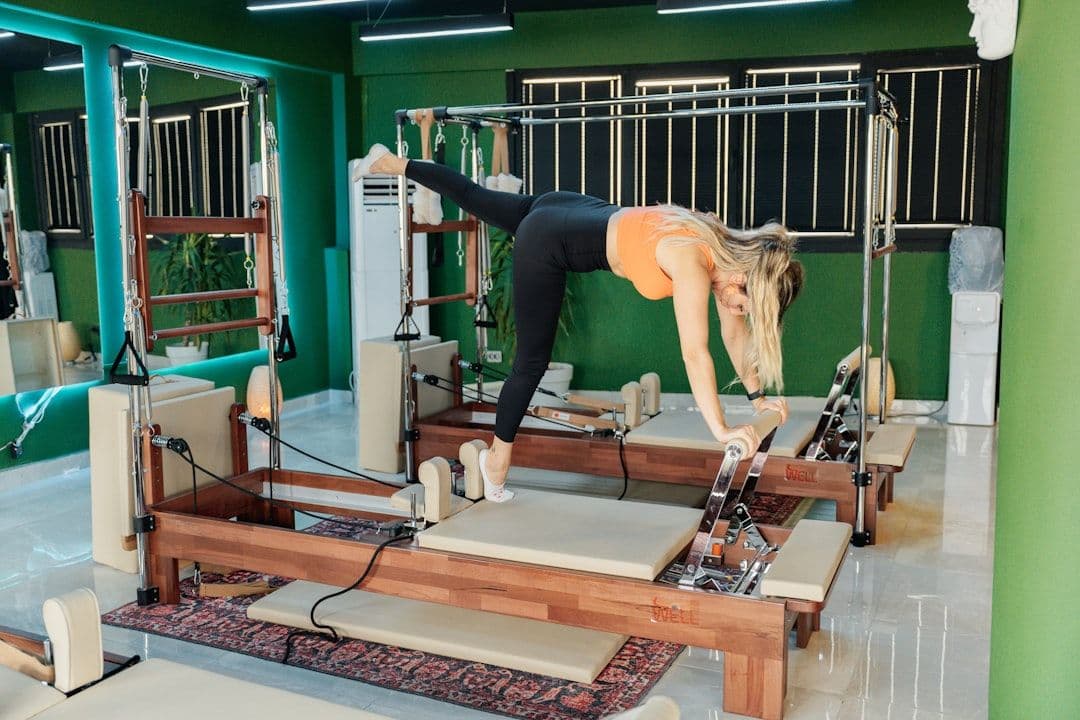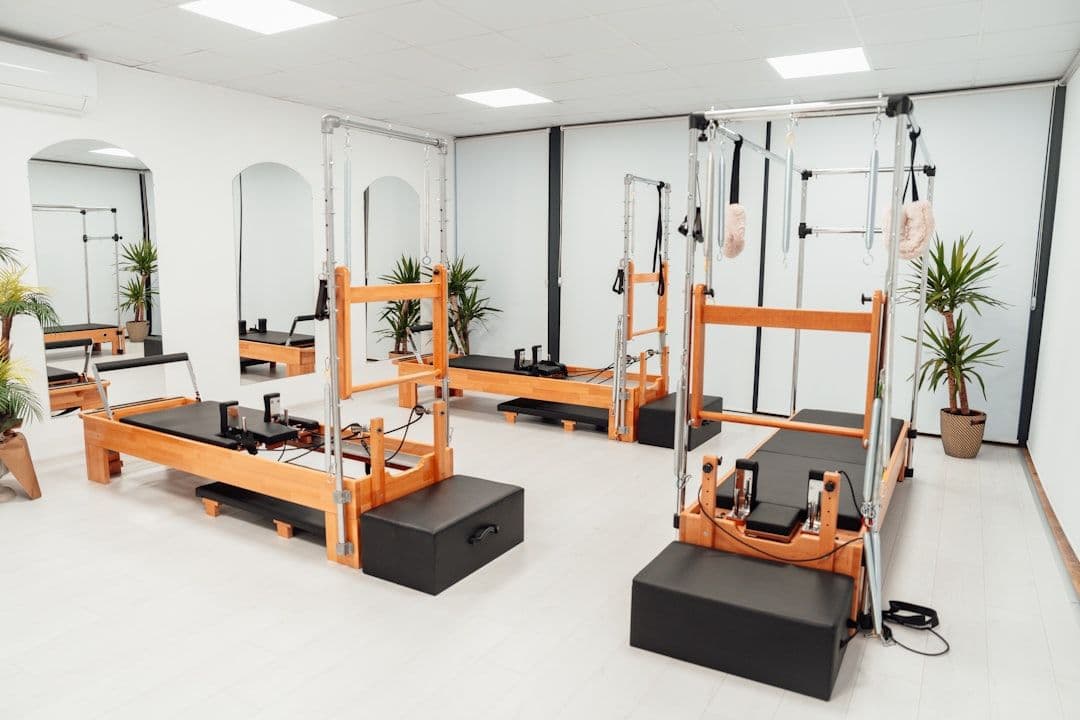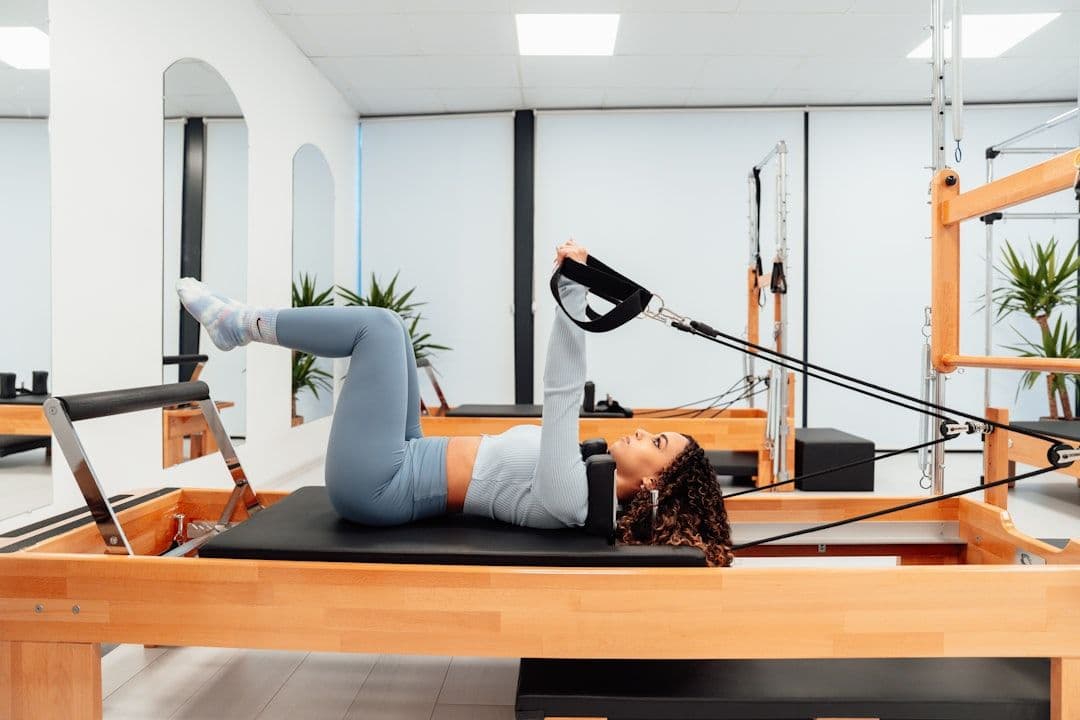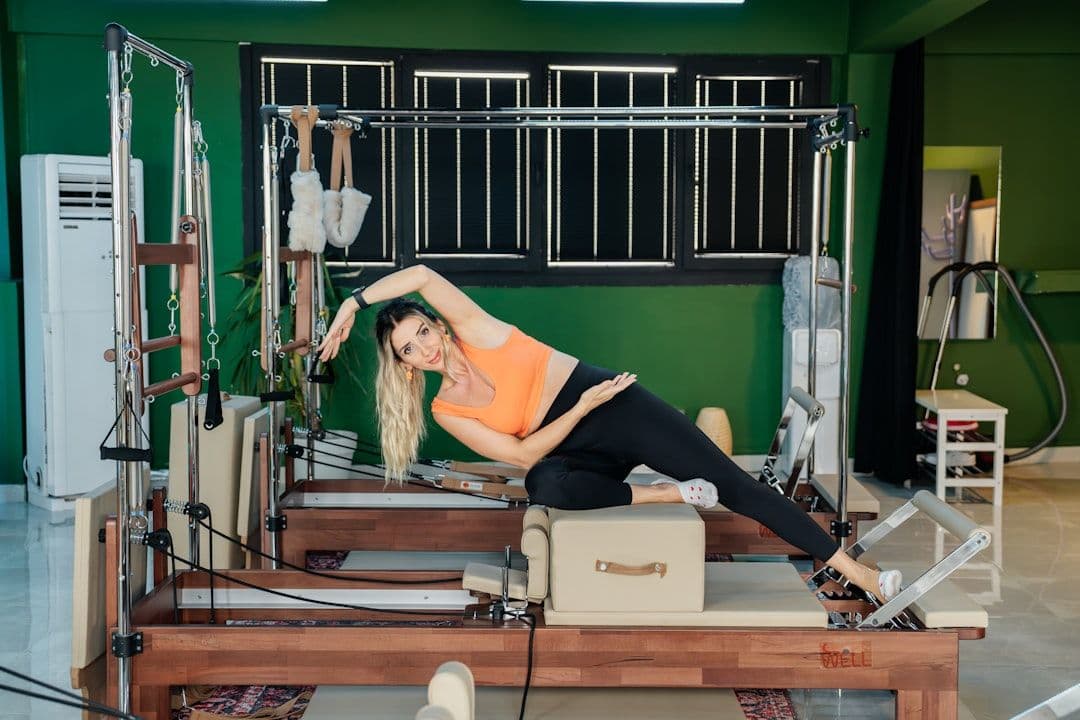
Before the Session: What to Expect
The anticipation before your first Pilates session is often mixed with gentle nervousness. You might wonder if your body is flexible enough, strong enough, or if you'll feel self-conscious. These thoughts are completely normal, and they fade quickly once you step into the studio. Before attending, you'll typically fill out a brief health history form so your instructor understands any past injuries, chronic pain, or conditions. This conversation is vital—it allows your instructor to modify exercises to suit your body's needs rather than forcing your body into a template. Wear something comfortable and breathable; there's no special Pilates uniform. Eat lightly an hour or two beforehand so you feel supported but not weighed down. Arrive a few minutes early to settle in, meet your instructor, and let the quieter energy of the studio begin to calm any nervous anticipation. You might notice the studio feels different from a typical gym—there's often soft music, natural light, and a sense of intentionality in the space. This calm environment is part of the Pilates experience; it signals to your body that this time is about connection and awareness, not performance.
Arriving and Setting the Scene
You step into a bright, peaceful room. The studio smells faintly of wood or rubber from the mats, and perhaps a hint of lavender. A few people are already there, rolling out their mats, moving slowly and mindfully. Your instructor greets you warmly, asks how you're feeling today, and briefly explains what you'll do in this session. The temperature is cool but comfortable—warm enough that you won't be tense, cool enough that movement won't feel stifling. You're invited to stand or lie on a mat, barefoot or in socks, depending on what feels right. There's no pressure to perform or compete. If someone next to you seems to be moving more deeply or fluidly, you don't compare; instead, you're reminded that Pilates is a personal practice, a conversation between you and your body. Your instructor explains that you'll begin gently, with breathing and awareness. As you lie down on your back and press your feet flat, you feel the mat beneath you—solid, supporting. The instructor's voice becomes the anchor for your attention. This is the moment when the outside world begins to fade.
During the Session
The session begins with breathing. Your instructor guides you to inhale through your nose and exhale through your mouth, and you notice how your chest and ribcage expand and fall. This isn't exercise yet; it's preparation. Within a few breaths, you feel calmer. Then comes the cue that shifts everything: engage your core. You feel your instructor's hand gently on your lower belly, and they describe how to draw your navel toward your spine—not a crunch, but a gentle, sustained engagement. Suddenly, you're aware of muscles you rarely think about. As the session progresses, you move through controlled exercises—perhaps small leg lifts, gentle spinal twists, or transitions that flow from lying to sitting to standing. Each movement is deliberate and slow. There's no rushing. When you feel fatigue, it feels productive rather than exhausting. Your instructor watches carefully, offering adjustments or modifications without judgment. You might be moving 20 percent of what a vigorous fitness class demands, yet you're sweating slightly and your muscles are definitely working. Halfway through, you notice a subtle shift: your breath becomes your rhythm, your mind quiets, and the outside world—stress about work, tomorrow's obligations—feels distant. You're fully present in your body, noticing sensations: the slight tremor in your thigh as it works, the stretch along your spine as you lengthen, the warmth building in your core. Your instructor reminds you that soreness or fatigue is expected, but sharp pain is not—and if you feel it, you should pause. This permission to listen to your body and adjust is grounding. As the session nears its end, the movements become slower, gentler. You find yourself lying down again, and your instructor guides you through a brief relaxation, inviting you to notice how your body feels now compared to when you arrived.
How You May Feel Afterwards
As you rise from your mat, you might feel slightly lighter. Your posture may feel taller without any conscious effort—your spine feels longer, your shoulders lower. This isn't an illusion; your deep stabilizing muscles have been engaged and your body has reset slightly toward better alignment. Your movements feel smoother as you walk. That stiffness or tension you came in with—the tightness across your shoulders, the dull ache in your lower back—may not have vanished entirely, but it often feels less dominant, less intrusive. Some people describe a quiet sense of accomplishment, not from pushing hard, but from the focused attention and the fact that they showed up for themselves. Over the next hours and days, if you continue practicing, subtle changes accumulate. You might notice you sit differently at your desk—less slumped, more aware. You catch yourself tensing your shoulders and consciously release them. Stairs feel slightly easier. Your sleep may deepen. The chronic lower back pain or tightness that made mornings difficult might not disappear, but it becomes more manageable, less limiting. These changes aren't dramatic fireworks; they're quiet, steady improvements in how your body feels and moves. After a few weeks of regular practice, you may notice your clothes fit differently—not necessarily smaller, but fitted differently because your posture has shifted. You feel more capable, more grounded. Some people report that the mindfulness cultivated in Pilates extends beyond the studio—they become more attuned to their body's signals throughout the day, more intentional about movement. This is when people say Pilates has changed how they relate to their physical self.
Is It Right for You?
Pilates is accessible for many people, but it's not one-size-fits-all, and it works best when paired with professional guidance. If you have chronic lower back pain, pelvic floor concerns, arthritis, or balance challenges, Pilates used alongside your medical care may offer meaningful support—but always consult your healthcare provider first, especially for serious or long-standing conditions. Your doctor and your Pilates instructor should be aware of each other's role in your care. If you're pregnant, recovering from surgery, or managing a neurological condition, seek an instructor with specialized training in those areas. Pilates shines for people who value mindfulness, controlled movement, and sustainable strength over high-impact intensity. It suits those who are curious about their body, willing to move slowly and deliberately, and open to a practice that unfolds over weeks rather than delivering instant results. If you've never tried it, consider booking a single introductory class with a qualified instructor rather than relying solely on videos. A real instructor can assess your alignment, offer hands-on cues, and modify exercises in real time—all of which make the difference between a mediocre experience and a transformative one. You deserve a teacher who sees you, not a screen. Start with an open mind and realistic expectations: Pilates is not a miracle cure, and it works best alongside, not instead of, medical care for serious conditions. But for building awareness, stability, and a quieter relationship with your body, it offers something genuinely valuable.