What it is
Pilates builds strength, flexibility, and posture through controlled movement and breathwork.
Pilates is a structured exercise method combining controlled movements, breathing, and body awareness to build core strength and improve ...
At a glance
What it is
Pilates builds strength, flexibility, and posture through controlled movement and breathwork.
Why explore it
It may ease back pain, improve balance, and support recovery while deepening mind-body awareness.
How it’s experienced
Expect slow, precise movements with breath focus in 45-60 minute mat or reformer sessions.
Evidence context
Research best supports Pilates for back pain and rehab; evidence for general fitness is still mixed.
See the evidence snapshotSafety
Low risk with qualified instruction, but check with your provider if you have injuries or health concerns.
See staying safeHistory & Origin
Pilates is a mind-body exercise modality that promotes strength, flexibility, and balance through controlled movements.
Pilates was developed in the early 20th century by Joseph Hubertus Pilates, a German-born fitness professional and inventor. Born in 1883, Pilates was a sickly child who became fascinated with physical conditioning and anatomy. He initially trained in yoga, martial arts, and gymnastics before developing his own system of controlled movements, which he called "Contrology"—the science of controlled body movement.
During World War I, while interned as a German national in Britain, Pilates refined his method by working with fellow internees and injured soldiers. He created specialized equipment, including the iconic Reformer machine with springs and pulleys, to assist rehabilitation and progressive conditioning. After the war, he moved to New York City in 1923, where his method gained popularity among dancers, athletes, and fitness enthusiasts who appreciated its emphasis on precision and mind-body connection.
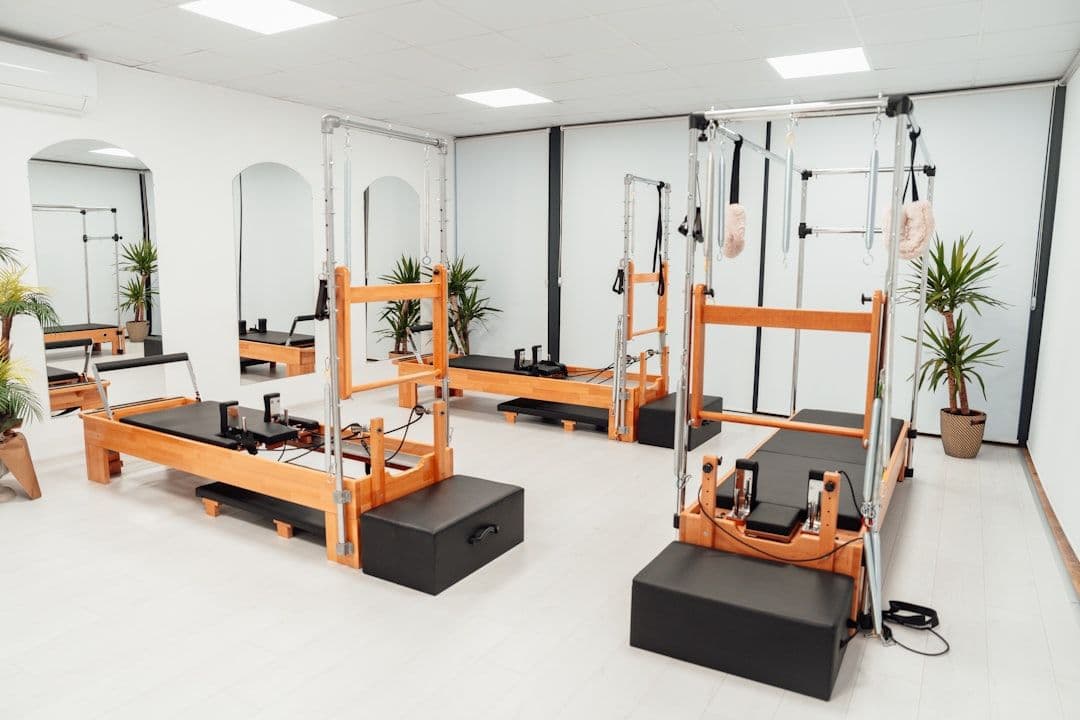
Pilates remained relatively niche until the late 20th century when celebrities and athletes publicly credited the method with improved fitness and injury prevention. This renewed interest sparked worldwide growth and the development of numerous Pilates studios and training certifications. Today, Pilates exists in multiple formats—mat-based, machine-based (Reformer, Cadillac, Wunda Chair), and group classes—making it accessible to diverse populations seeking low-impact, functional fitness.
Approaches
Pilates isn’t a single method. Practitioners may train in one tradition or blend several — here are the styles you’re most likely to meet.
Follows Joseph Pilates' original exercise order and equipment-based system closely.
Adapts Pilates principles with modern movement science and varied sequencing.
Uses floor-based exercises, often with minimal equipment.
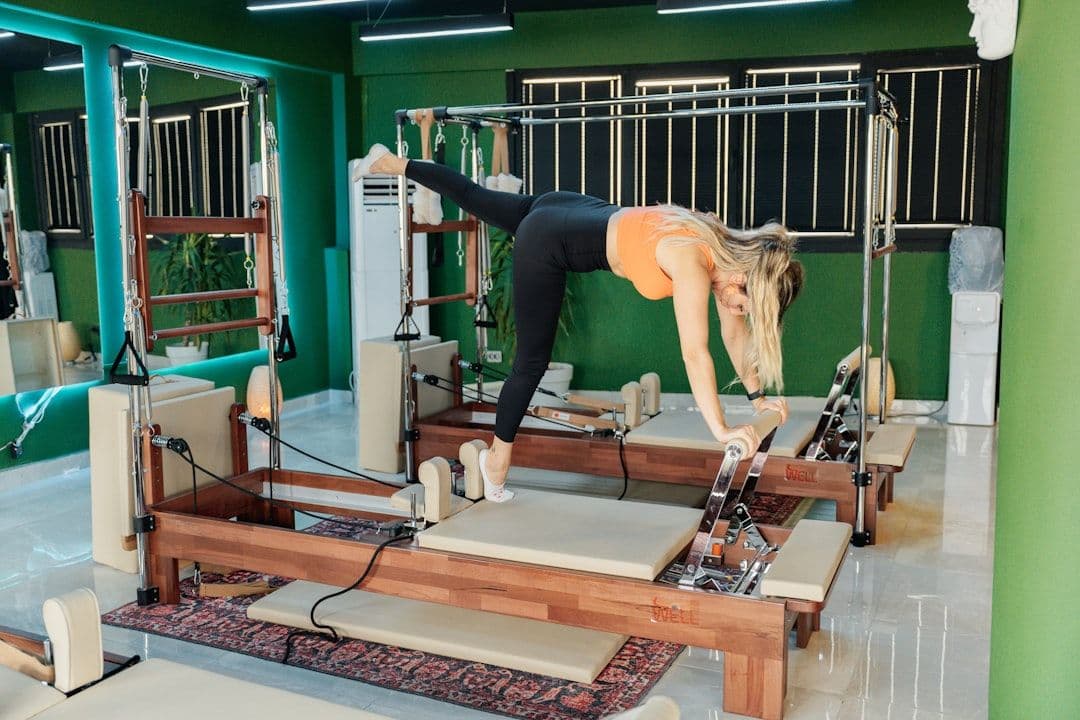
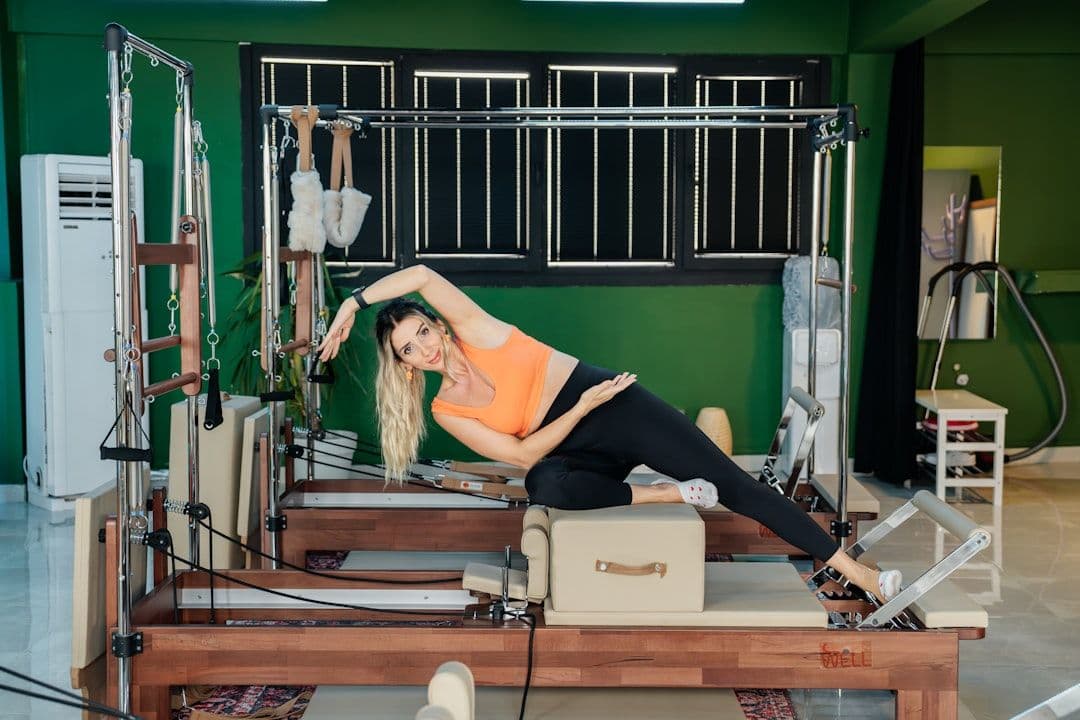
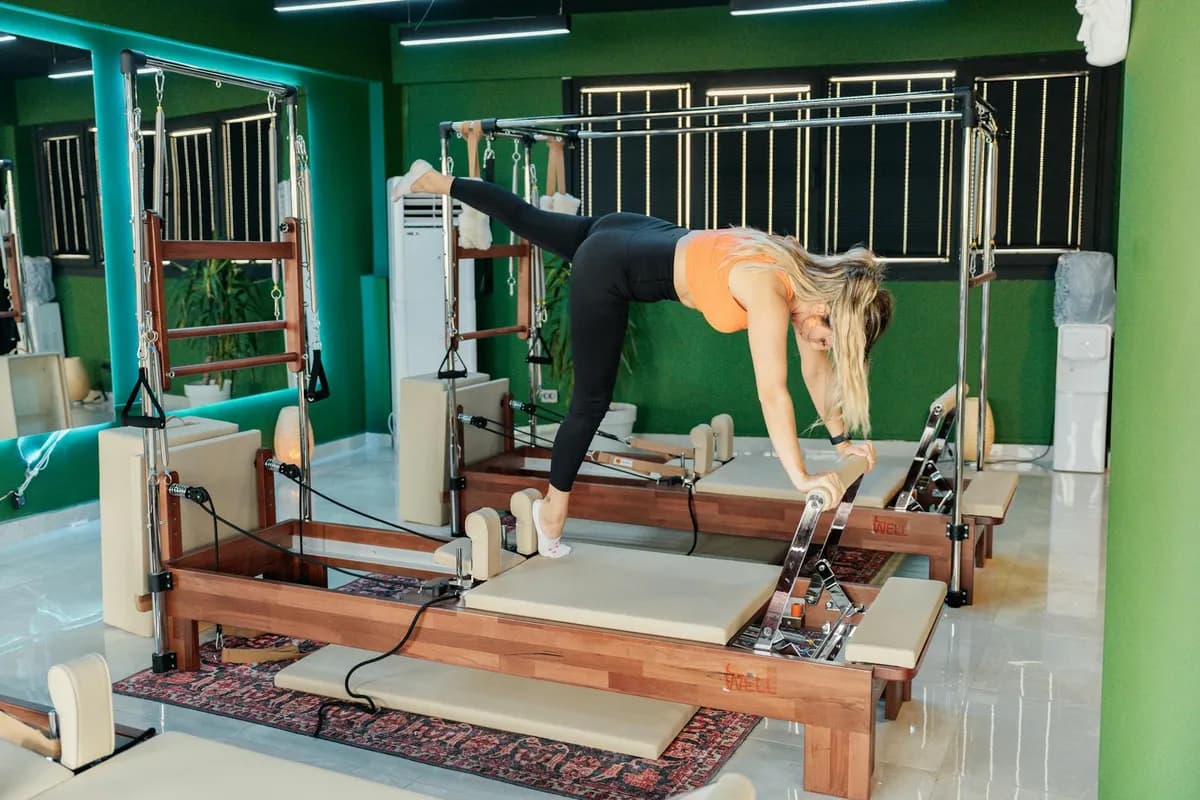
Uses the reformer machine for spring-based resistance and support.
Adapts Pilates exercises for rehabilitation or specific physical needs.
Mechanism
Pilates is usually understood through movement, breath, attention, and repeated practice. A session may invite the body to explore safer patterns, steadier pacing, or a more settled relationship with sensation. Some traditions describe this as balancing energy or awareness, while contemporary explanations may focus on coordination, nervous system regulation, mobility, and confidence. Experiences vary by person, teacher, setting, and consistency. Pilates works through systematically controlled movements that engage deep stabiliser muscles, particularly the core, while emphasising precise alignment and flowing motion.
Your first visit
A typical session outline to help you feel prepared
A Pilates session guides you through precise, breath-driven movements designed to build core strength, improve posture, and deepen your body awareness in about 50 to 60 minutes.
Your instructor will ask about your movement history, any injuries, and what you're hoping to get out of Pilates so they can shape the session around your body and goals.
You'll stand and move through a few simple positions while your instructor observes your alignment, balance, and how you naturally hold your body to identify areas to focus on.
Before any movement begins, your instructor will teach you Pilates breathing, a lateral ribcage expansion technique that activates your deep core and stays with you through every exercise.
Depending on your studio, you'll either work on a cushioned mat or be guided onto a Reformer, a spring-resistance machine your instructor will adjust to match your strength level.
You'll move through foundational exercises like the Hundred, single-leg stretches, or footwork, each one asking you to move slowly, precisely, and in sync with your breath.
The session builds into a flowing sequence that works your spine, hips, shoulders, and legs, with your instructor giving hands-on cues or verbal guidance to refine your form throughout.
The final few minutes slow things down with gentle spinal articulation and stretching to release any tension and help your body integrate the work it just did.
Your instructor will briefly debrief with you, note what felt strong or challenging, and suggest what to focus on before your next session so your progress keeps building.
The Evidence
A look at the current evidence base, what Pilates is well-studied for, and where the research still has gaps.
Pilates is well-supported for core strength and back pain relief
A growing body of research supports Pilates for core strength, flexibility, and lower back pain, with promising findings for balance in older adults. Evidence quality varies across outcomes, and most studies are small with limited long-term follow-up.
Multiple randomised controlled trials and systematic reviews support Pilates for core muscle strength and lower back pain. Evidence for balance and fall prevention is promising but inconsistent. Most studies are small, and the variety of Pilates formats makes direct comparison between trials difficult.
Pilates is most studied for lower back pain, posture, core endurance, and flexibility. It is also used in post-injury rehabilitation and pre- and post-natal fitness. Evidence is stronger for musculoskeletal outcomes than for broader wellness claims, and long-term benefit data remain limited.
Joseph Pilates created his method in the 1910s, drawing on gymnastics, yoga, and anatomy. Refined during World War I rehabilitation work, it later gained traction among dancers and athletes in New York. The method remained niche until the late 20th century, when it expanded into mainstream fitness and clinical rehabilitation settings.
Most Pilates trials involve small participant groups and short intervention periods. The wide variation in equipment, session frequency, and instructor qualifications makes it hard to compare studies. Long-term outcome data are sparse, so sustained benefits beyond the study period are not well established.
Those with recent surgery, acute injury, osteoporosis, cardiovascular conditions, or pregnancy should seek medical advice before beginning. Working with a qualified instructor is important, especially at the start. Inform your instructor of any existing conditions so appropriate modifications can be made.
Pilates is not uniformly regulated across countries, and instructor training ranges from short courses to comprehensive certification programmes. For rehabilitation or clinical purposes, look for instructors with recognised qualifications and experience working with your specific condition. A qualified professional can tailor sessions to your needs and limitations.
Safety first
General guidance to help you decide whether this approach is appropriate for you. This is informational only and not a substitute for medical, psychological, or professional advice.
If you are pregnant, managing a health condition, recovering from injury or surgery, or taking medication, consult a qualified healthcare professional first.
Some situations call for extra care or a different approach. Share any conditions, injuries, or sensitivities with your practitioner before your first session.
Look for clear boundaries, transparent pricing, and practitioners who avoid fear-based claims or pressure to book frequent sessions.
Mild, short-lived effects such as tenderness, tiredness, or temporary soreness can occur. Rest, hydrate, and tell your practitioner how you respond.
For you?
A simple, human way to weigh it up. This is general guidance, not personal medical advice — a qualified practitioner can advise on your situation.
Gyfts is a discovery platform, not a medical provider. Nothing here diagnoses, treats or replaces professional care. In an emergency, contact your local emergency number.
Explore approaches
Other practices people often explore alongside pilates.
In their words
FAQ
A Pilates session begins with breathing exercises and gentle warm-up movements to activate your core and center your mind. You then perform a series of controlled, precise exercises on a mat or specialized equipment designed to strengthen deep core muscles, improve spinal alignment, and enhance body awareness. Movements are slow and deliberate, coordinated with breath, and your instructor provides cues for proper form. Sessions typically last 50-60 minutes and end with cool-down stretches.
Most people begin noticing improved posture, increased body awareness, and reduced muscle tension after 4-6 sessions. More significant results in strength, flexibility, and muscle tone typically appear after 8-12 consistent sessions. For lasting benefits, practitioners recommend continuing 1-3 sessions per week. The timeline varies based on your starting fitness level, consistency, proper form, and individual goals.
Pilates can be beneficial for lower back pain as it emphasizes core strengthening, proper spinal alignment, and body awareness—all factors that support spinal health. However, the underlying cause of back pain varies, and not all back pain responds the same way to exercise. If you have back pain, consult a healthcare provider or physical therapist to rule out serious conditions and ensure Pilates exercises are appropriate for your specific situation.
Yes, Pilates is very beginner-friendly. The method is designed to be accessible to all fitness levels, and exercises can be easily modified to match your ability. Beginning with mat-based classes or private instruction helps ensure you learn proper form. Most instructors progress exercises gradually, allowing your body to adapt and build strength safely and sustainably.
Mat Pilates uses your body weight and minimal props, making it affordable and accessible anywhere. It focuses heavily on core engagement and stabilization. Reformer Pilates uses a specialized machine with springs and pulleys that provide variable resistance, assist movement, and allow progressive overload. Reformer classes often feel more intense and can be easier for some people as the machine provides support. Both offer excellent benefits; the choice depends on your preference, accessibility, and goals.
Pilates can be safely practiced during pregnancy with proper modifications and instructor guidance. Prenatal Pilates classes are specifically designed to support core strength, pelvic floor health, and posture during pregnancy. Always inform your instructor that you are pregnant, and consult your obstetrician before beginning any new exercise program. Some movements may need modification, particularly those involving the abdominals, as pregnancy progresses.
No, Pilates typically does not create large muscle bulk. The method focuses on building lean, functional strength through controlled movements and muscular endurance rather than high-load resistance training. You may experience improved muscle tone, definition, and strength, but the classic long, lean physique is a common result of consistent Pilates practice.
For beginners, 2-3 sessions per week for the first 4-6 weeks is recommended to establish proper form and build foundational strength. After this initial phase, 1-2 sessions per week is typical for maintenance and continued progress. Some enthusiasts practice more frequently. The ideal frequency depends on your goals, fitness level, and recovery capacity. Consistency matters more than intensity.
References
Educational sources that inform this overview. Inclusion is for context and does not imply endorsement.
Full citations are maintained by the Gyfts editorial team and reviewed periodically.
Keep exploring
Browse practitioners, explore honest overviews, and take what you learn to a conversation — at your own pace.