What It Is
Insufficient zinc for immune function, wound healing, skin integrity, and the senses of taste and smell
Restoring zinc levels for immune, skin, and sensory health
At a glance
What It Is
Insufficient zinc for immune function, wound healing, skin integrity, and the senses of taste and smell
How It Presents
Slow wound healing, frequent infections, hair loss, skin changes, and reduced taste or smell
What May Help
Zinc rich foods, guided supplementation, and addressing absorption issues are the main approaches
Evidence Context
Zinc requirements and supplementation are well researched; dosing and copper balance need guidance
See the evidence snapshotWhen to Seek Help
Seek testing for slow healing wounds, repeated infections, or taste loss before self supplementing
Explanation
Zinc is an essential mineral needed for immune function, wound healing, protein synthesis, skin integrity, and the senses of taste and smell. Deficiency is uncommon in well nourished populations but occurs with restrictive diets, malabsorption conditions such as Crohn's disease or celiac disease, high alcohol intake, pregnancy, and some medications. Signs include slow wound healing, frequent infections, hair loss, skin changes, and reduced taste or smell. Assessment combines dietary review with blood testing, though blood levels only partly reflect body stores. Restoring zinc usually involves zinc rich foods such as meat, shellfish, legumes, and seeds, with supplementation guided by a clinician because long term high doses can cause copper deficiency.
Why it happens
Zinc Deficiency usually comes from a mix of factors rather than a single cause. These are common contributors — not certainties.
Malabsorption conditions such as Crohn's disease and celiac disease, chronic liver or kidney disease, and sickle cell disease increase deficiency risk.
What happens in the body
Zinc Deficiency can involve several of the body’s systems. These are common patterns researchers describe — how they show up varies from person to person.
Zinc is a structural or catalytic component of several hundred enzymes involved in DNA synthesis, protein production, and cell division. Because it participates in so many processes rather than one, deficiency tends to show up first in tissues that turn over rapidly, such as skin, gut lining, and immune cells.
Zinc is required for the development and activity of several immune cell types. Deficiency is associated with more frequent infection and slower recovery, and it remains a significant contributor to childhood illness in populations where dietary intake is low.
Collagen formation and cell proliferation both depend on adequate zinc, so deficiency is associated with slow-healing wounds and skin changes, classically a rash around the mouth and on the extremities. These signs often prompt testing where deficiency has not been suspected.
Zinc participates in the function of taste receptors, and reduced or altered taste is a recognised feature of deficiency. It is one of the more noticeable early symptoms, though it has many other possible causes and is not diagnostic on its own.
Coeliac disease, inflammatory bowel disease, bariatric surgery, and chronic diarrhoea all reduce absorption or increase losses. Phytates in grains and legumes bind zinc and lower its availability, which is why vegetarian and vegan diets warrant more attention to intake. Alcohol use and some medications also increase excretion.
Zinc competes with copper for absorption, and sustained high-dose supplementation can produce copper deficiency, which causes anaemia and neurological symptoms. Blood testing for zinc is also imperfect, since levels fall during inflammation independently of stores. Both are reasons to have suspected deficiency assessed and dosed by a clinician rather than self-treated.
Process
Management
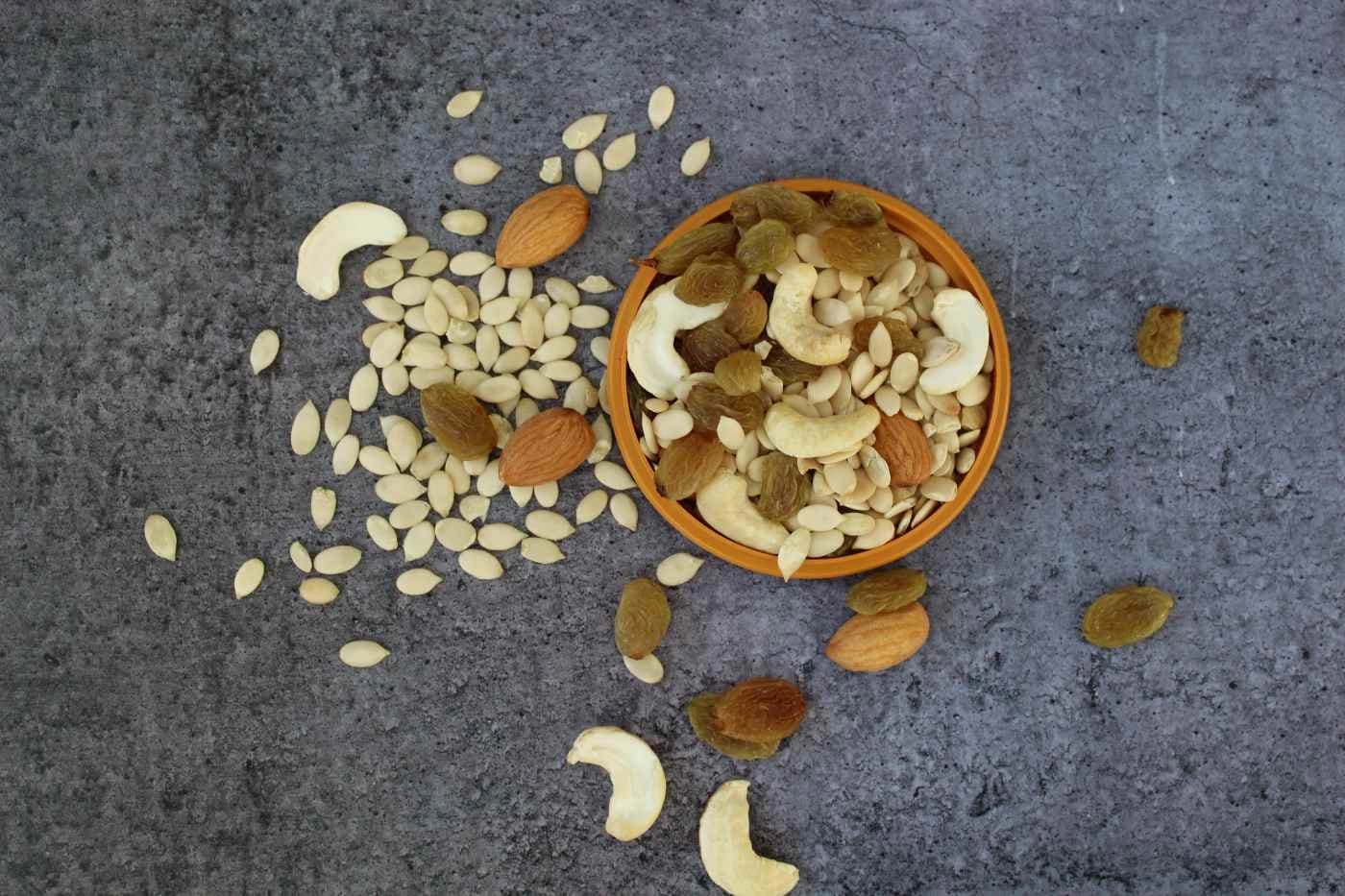
Increasing oysters, red meat, poultry, beans, lentils, nuts, and seeds is the foundation; soaking and fermenting grains and legumes improves absorption.
A clinician confirms deficiency, sets a dose and duration, and monitors copper status, since long term high dose zinc causes copper deficiency.
Malabsorption conditions, high alcohol intake, or medication effects need their own management for zinc levels to recover and stay stable.
Some people work with a nutrition professional to rebuild overall dietary patterns, particularly on restrictive or plant based diets.
Self-Care
Regularly including meat, shellfish, eggs, beans, lentils, nuts, and seeds raises intake steadily without supplements.
Soaking, sprouting, and fermenting grains and legumes lowers phytates, which otherwise block zinc absorption on plant rich diets.
Lowering alcohol intake improves zinc absorption and retention while supporting the gut and liver functions involved.
Managing digestive conditions with your care team helps nutrient absorption overall, zinc included.
The evidence
An honest read on how Zinc Deficiency has been studied — an evidence tier and the research behind it, not a guarantee and not a ranking of “better.”
Among the more studied approaches
Zinc requirements, deficiency signs, and supplementation are well characterized in nutrition research.
Safety first
Zinc Deficiency is manageable, and support helps. Some situations call for prompt professional help.
Featured
These practitioners have chosen to be featured on Gyfts.
FAQ
Signs include slow wound healing, frequent infections, hair loss, skin changes, and reduced taste or smell. A doctor can arrange blood testing, though results only partly reflect body stores, so dietary history matters too.
Oysters are by far the richest source, followed by red meat, poultry, crab, beans, lentils, nuts, seeds, and whole grains. Plant sources contain phytates that reduce absorption, so vegetarians may need higher intakes.
High dose zinc taken for months can cause copper deficiency and other problems. Supplementation is best guided by a clinician who can confirm the deficiency, set a dose, and review copper balance over time.
References
Educational sources that inform this overview. Inclusion is for context and does not imply endorsement.
Full citations are maintained by the Gyfts editorial team and reviewed periodically.
Keep exploring
Browse verified practitioners, explore honest overviews, and take what you learn to a conversation — at your own pace.
