What it is
Elastic tape applied to support muscles and joints in dogs, cats, and other animals.
Animal massage uses structured hands-on soft-tissue techniques to support comfort, relaxation, and movement quality in animals, most comm...
At a glance
What it is
Elastic tape applied to support muscles and joints in dogs, cats, and other animals.
Why explore it
It may ease discomfort and improve mobility in aging or active animals alongside regular vet care.
How it’s experienced
A practitioner applies cut elastic tape to key areas; sessions are brief and animals usually stay calm.
Evidence context
Early research looks promising, though large controlled studies are still needed to draw firm conclusions.
See the evidence snapshotSafety
Low-risk when applied by a trained pro, but see your vet first if your animal has lameness or open wounds.
See staying safeHistory & Origin
Animal Kinesiology Taping involves applying elastic tape to the animal's body to support muscles and joints.
Massage for animals has historical roots in equine care and working-animal husbandry, and it later formalized through veterinary rehabilitation and animal physiotherapy programs that adapted human manual therapy techniques for species-specific anatomy and handling.
Mechanism
Animal Kinesiology Taping is generally described as working through skilled touch, careful pacing, and the body's response to pressure, movement, warmth, or stillness. Practitioners may focus on muscle tone, joint comfort, circulation, breath, or relaxation depending on the method. Traditional explanations may also include energy flow or whole-person balance. Research support varies by modality, so the experience is best framed as supportive care with outcomes that vary. Elastic tape is applied to the animal's skin in specific patterns, typically following muscle fibers or joint lines.
Your first visit
A typical session outline to help you feel prepared
A gentle, hands-on session where stretchy therapeutic tape is applied to your animal's body to support muscles, joints, and movement patterns.
The practitioner greets you and your animal, then reviews your pet's health history, recent injuries, surgeries, and any concerns you've noticed about their movement or comfort.
Your animal is observed standing and moving so the practitioner can identify areas of tension, asymmetry, or compensatory patterns that may benefit from taping support.
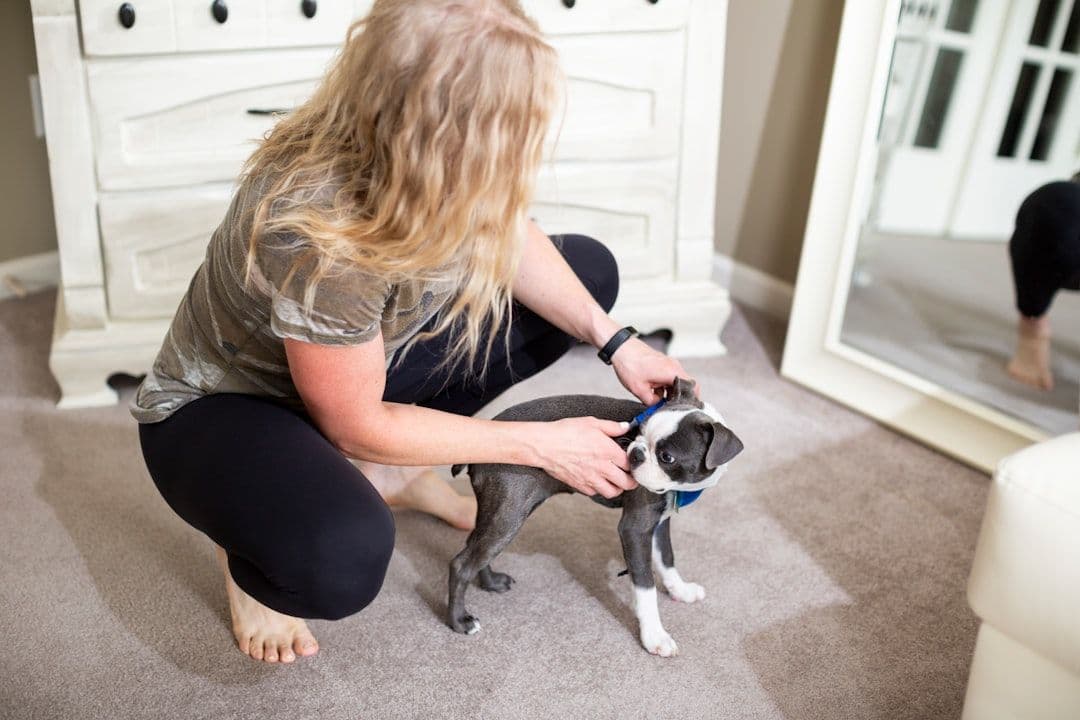
The fur in the taping areas is lightly brushed and cleaned so the kinesiology tape can adhere properly — some areas may be carefully parted or dampened to ensure good contact with the skin.
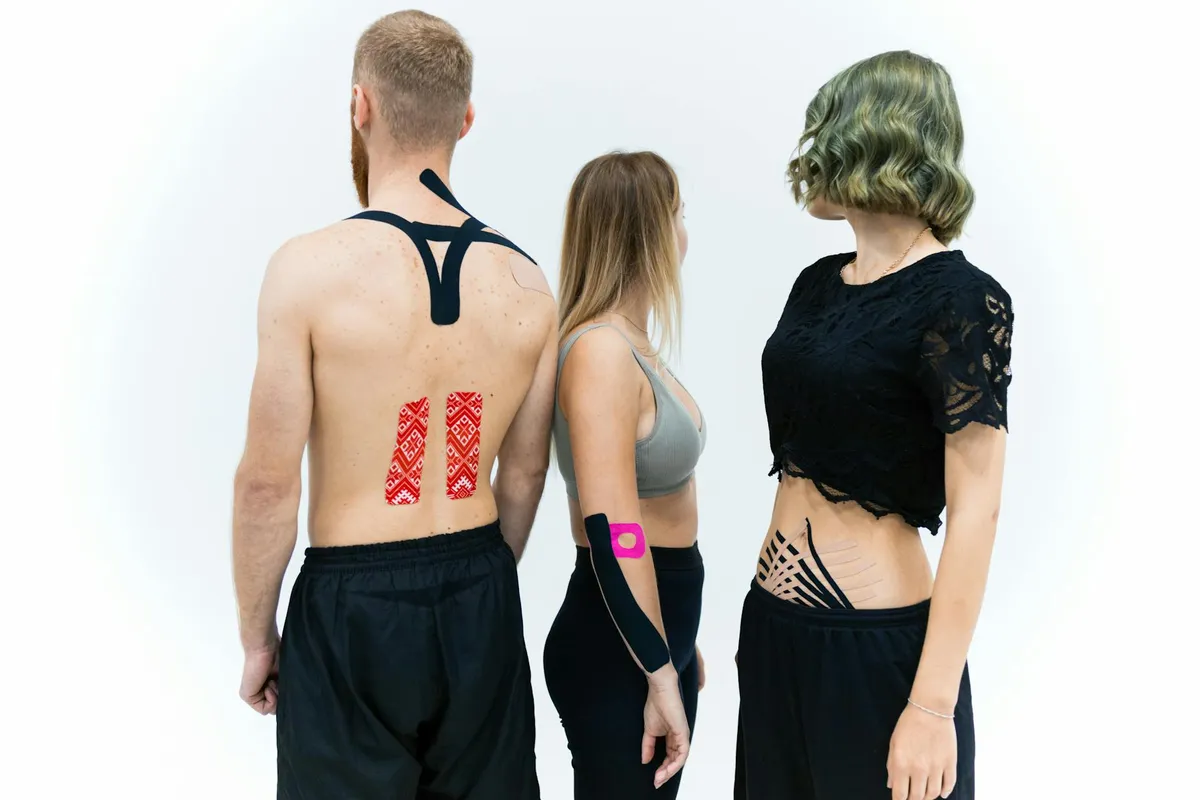
The practitioner cuts strips of elastic kinesiology tape into specific shapes — fans, Y-strips, or I-strips — sized and customized to your animal's body and the targeted area.
Each strip is applied with gentle tension along muscles, joints, or lymphatic pathways while your animal is positioned naturally — most animals tolerate this calmly and some find it quite relaxing.
After application the practitioner watches how your animal moves and responds to the tape, making small adjustments if any strip causes discomfort or lifts unexpectedly.
You'll receive clear instructions on how long to leave the tape on, what to watch for, how to safely remove it, and whether follow-up sessions or veterinary check-ins are recommended.
The Evidence
What the research currently says about animal kinesiology taping, and what remains uncertain.
Promising in practice, but formal research is still catching up
Animal kinesiology taping is an active area of veterinary rehabilitation interest, but high-quality controlled trials are limited. Most available evidence comes from clinical observation, case reports, and findings adapted from human kinesiology taping research.
No large-scale randomized controlled trials specific to animal kinesiology taping have been established. Practitioners draw on human kinesiology taping literature and veterinary rehabilitation case experience. Outcomes are often measured through clinician observation or owner-reported changes, which limits the strength of conclusions that can be drawn.
Within a holistic care approach, animal kinesiology taping is generally considered a supportive adjunct. It may complement physiotherapy, movement rehabilitation, or post-exercise recovery routines. It is not positioned as a primary intervention and works best when integrated into a broader care plan guided by a qualified veterinary professional.
Tape is applied in patterns aligned with muscle fibers or joint lines. The elastic properties are thought to gently lift skin tissue, potentially supporting circulation and providing sensory feedback that aids joint stability. These mechanisms are plausible based on anatomical reasoning, but direct evidence in animal populations remains limited.
Avoid applying tape over acute injuries, suspected fractures, open wounds, active infections, or areas of painful swelling unless a veterinarian has assessed the animal first. Animals showing progressive lameness, neurological signs, fever, or severe pain should receive veterinary evaluation before any manual or taping therapy is introduced.
Animal kinesiology taping should be performed by practitioners with formal training in veterinary rehabilitation or animal physiotherapy. Incorrect tape placement, tension, or adhesive selection can cause skin irritation or fail to provide intended support. A veterinary assessment should precede taping for any animal with an unresolved or worsening condition.
Animal kinesiology taping does not replace veterinary assessment, professional rehabilitation planning, or medical intervention where needed. Inflated outcome claims should be viewed with caution given the current evidence base. For animals with complex, progressive, or undiagnosed conditions, qualified veterinary care remains the appropriate first step.
Safety first
General guidance to help you decide whether this approach is appropriate for you. This is informational only and not a substitute for medical, psychological, or professional advice.
Some situations call for extra care or a different approach. Share any conditions, injuries, or sensitivities with your practitioner before your first session.
If your animal is unwell, injured, recovering from surgery, or on medication, check with a qualified veterinarian before booking a session.
Look for clear boundaries, transparent pricing, and practitioners who avoid fear-based claims or pressure to book frequent sessions.
Watch your animal for tenderness, tiredness, or changes in behaviour afterwards, and contact the practitioner or your vet if anything seems off.
For you?
A simple, human way to weigh it up. This is general guidance, not personal medical advice — a qualified practitioner can advise on your situation.
Gyfts is a discovery platform, not a medical provider. Nothing here diagnoses, treats or replaces professional care. In an emergency, contact your local emergency number.
Explore approaches
Other practices people often explore alongside animal kinesiology taping.
In their words
FAQ
No. Massage is best used as supportive care. New, severe, or worsening symptoms should be assessed by a veterinarian.
Some animals appear calmer immediately, but mobility or comfort changes may require multiple sessions and should be tracked alongside rehab goals and veterinary guidance.
Kinesiology taping for animals uses the same elastic, skin-adhesive taping technique adapted from human physiotherapy to support muscles, joints, and fascia without restricting movement. The tape's elasticity is designed to lift the skin microscopically, improving local circulation, reducing inflammation, and providing proprioceptive feedback to the nervous system. In animals it is used for muscle support during rehabilitation, swelling reduction, joint stability, and postural correction — particularly in dogs and horses.
When applied correctly by a trained practitioner, kinesiology taping is safe for most animals. Key considerations include: ensuring the tape is appropriate for animal skin and coat (some human tapes are not suitable), monitoring for skin reactions particularly in animals with sensitive skin, and never taping over infected, inflamed, or broken skin. Horses may react unpredictably to the sensation initially — gradual introduction is recommended. Application should always be by a qualified animal physiotherapist or under veterinary guidance.
The practitioner first assesses the animal's movement, posture, and the specific area being treated. Tape is cut into specific shapes (I-strips, Y-strips, fan cuts) depending on the treatment goal — muscle support, lymphatic drainage, or joint correction. The coat may need to be clipped in the application area. Most animals tolerate the procedure well when introduced calmly. Tape is typically left in place for 3–5 days before reassessment. It is often used as part of a broader rehabilitation programme alongside manual therapy and remedial exercise.
References
Educational sources that inform this overview. Inclusion is for context and does not imply endorsement.
Full citations are maintained by the Gyfts editorial team and reviewed periodically.
Keep exploring
Browse practitioners, explore honest overviews, and take what you learn to a conversation — at your own pace.