What it is
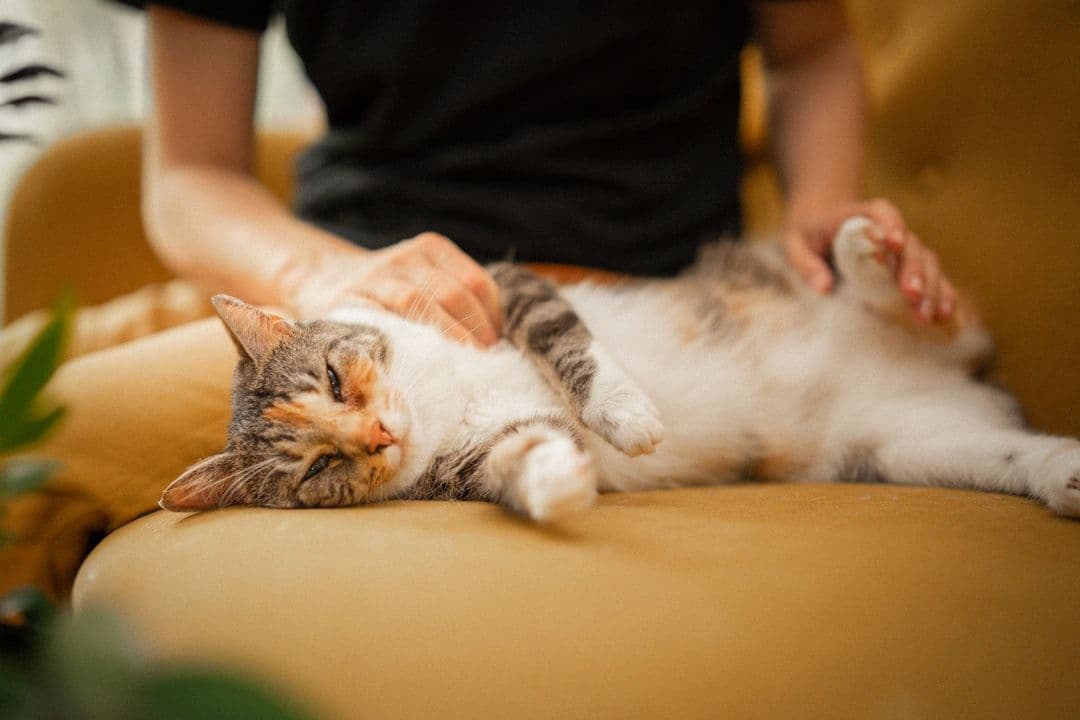
Gentle, structured touch applied to an animal's muscles to ease tension and encourage relaxation.
Animal kinesiology taping applies elastic therapeutic tape to an animal’s skin with the aim of supporting proprioceptive feedback, moveme...
At a glance
What it is
Gentle, structured touch applied to an animal's muscles to ease tension and encourage relaxation.
Why explore it
It may support mobility and comfort in animals managing recovery, stiffness, or performance stress.
How it’s experienced
A practitioner uses rhythmic strokes and pressure while the animal stays calm and at ease.
Evidence context
Early studies show promise for stress and mobility, but research is still limited and evolving.
See the evidence snapshotSafety
Generally low-risk with a trained practitioner, but always get a vet check for acute conditions first.
See staying safeHistory & Origin
Animal Massage offers therapeutic touch to improve circulation, reduce stress, and enhance overall well-being in animals.
Kinesiology taping was developed in human sports medicine and later adapted in equine and canine rehabilitation circles, particularly for performance horses and working dogs, where taping is used alongside conditioning and physiotherapy plans.
Mechanism
Animal Massage is generally described as working through skilled touch, careful pacing, and the body's response to pressure, movement, warmth, or stillness. Practitioners may focus on muscle tone, joint comfort, circulation, breath, or relaxation depending on the method. Traditional explanations may also include energy flow or whole-person balance. Research support varies by modality, so the experience is best framed as supportive care with outcomes that vary. Animal massage involves applying hands-on pressure and movement techniques to an animal's muscles, soft tissues, and connective structures to stimulate blood flow and lymph fluid movement.
Your first visit
A typical session outline to help you feel prepared
An animal massage session is a hands-on experience where a trained practitioner uses gentle, targeted touch to support your pet's comfort, mobility, and relaxation.
The practitioner greets you and your animal and asks about your pet's health history, any injuries, medications, and what brought you in today.
Before any touch begins, the practitioner watches how your animal stands, moves, and carries themselves to identify areas of tension or guarding.
The practitioner lets your animal sniff their hand and begins with calm, light strokes to build trust and help your pet feel safe and at ease.
Using gentle palpation, the practitioner feels along the muscles, joints, and soft tissue to locate knots, tight spots, or areas your animal reacts to.
Specific techniques like effleurage, petrissage, or compression are applied to key areas such as the back, shoulders, hips, or limbs based on what was found.
The practitioner continuously watches your animal's body language, slowing down or shifting focus if your pet shows signs of discomfort or overstimulation.
The session winds down with long, slow strokes across the full body to help your animal settle and transition gently out of the relaxed state.
You will receive tips on what to watch for at home, such as increased thirst, sleepiness, or changes in movement, and when to consider follow-up sessions.
The Evidence
What the research currently says about animal massage, where evidence is growing, and what remains uncertain.
Promising early findings, but research is still developing
Animal massage has a growing body of supportive research, particularly in horses and dogs, though study quality and outcome measures vary. Effects appear small to moderate and are likely context-dependent rather than universal.
Research into animal massage is limited but growing. Studies in horses and dogs report small to moderate effects on muscle tension, relaxation indicators, and movement quality. Findings vary depending on outcome measures, species, and study design. No large-scale trials currently establish definitive conclusions, and effects appear context-dependent.
Within a holistic framework, animal massage is valued for its whole-body focus — addressing muscular comfort, circulation, and stress responses together. It is most commonly used as an adjunct to physiotherapy, conditioning, or veterinary care rather than as a primary intervention. This integrative role is consistent with how holistic modalities are generally applied.
Animal massage may complement veterinary physiotherapy and rehabilitation plans, particularly for back comfort, post-exercise recovery, and movement support. It is not a substitute for professional assessment of injury, lameness, or illness. Practitioners typically work alongside veterinary professionals, especially when animals present with acute or unresolved physical concerns.
Avoid massage over open wounds, active skin conditions, areas of infection, or suspected acute injury. Monitor for signs of discomfort, heat, or swelling during and after sessions. Animals with acute lameness or undiagnosed physical concerns should receive veterinary assessment before massage is used as an adjunct. A trained practitioner will adapt techniques to species anatomy and individual tolerance.
The current evidence base does not support inflated outcome claims for animal massage. Study populations are small, methodologies vary, and most findings have not been independently replicated at scale. Benefits observed in practice may reflect relaxation responses, handling quality, or contextual factors as much as specific technique effects. Honest expectation-setting is important.
Practitioner qualifications, regulation, and scope of practice differ internationally. Look for practitioners with recognised training in animal massage or rehabilitation, and ideally those who work in coordination with a veterinarian. For animals with known health conditions or recovering from injury, veterinary clearance before beginning sessions is advisable.
Safety first
General guidance to help you decide whether this approach is appropriate for you. This is informational only and not a substitute for medical, psychological, or professional advice.
Some situations call for extra care or a different approach. Share any conditions, injuries, or sensitivities with your practitioner before your first session.
If your animal is unwell, injured, recovering from surgery, or on medication, check with a qualified veterinarian before booking a session.
Look for clear boundaries, transparent pricing, and practitioners who avoid fear-based claims or pressure to book frequent sessions.
Watch your animal for tenderness, tiredness, or changes in behaviour afterwards, and contact the practitioner or your vet if anything seems off.
For you?
A simple, human way to weigh it up. This is general guidance, not personal medical advice — a qualified practitioner can advise on your situation.
Gyfts is a discovery platform, not a medical provider. Nothing here diagnoses, treats or replaces professional care. In an emergency, contact your local emergency number.
Explore approaches
Other practices people often explore alongside animal massage.
In their words
FAQ
Not in the way rigid athletic tape does. Elastic tape is generally used to provide sensory input and may influence movement patterns; it should not be relied upon for stabilization of serious injuries.
Wear time varies. Many veterinary protocols reassess within hours to a few days, with earlier removal if irritation, heat, swelling, or discomfort occurs.
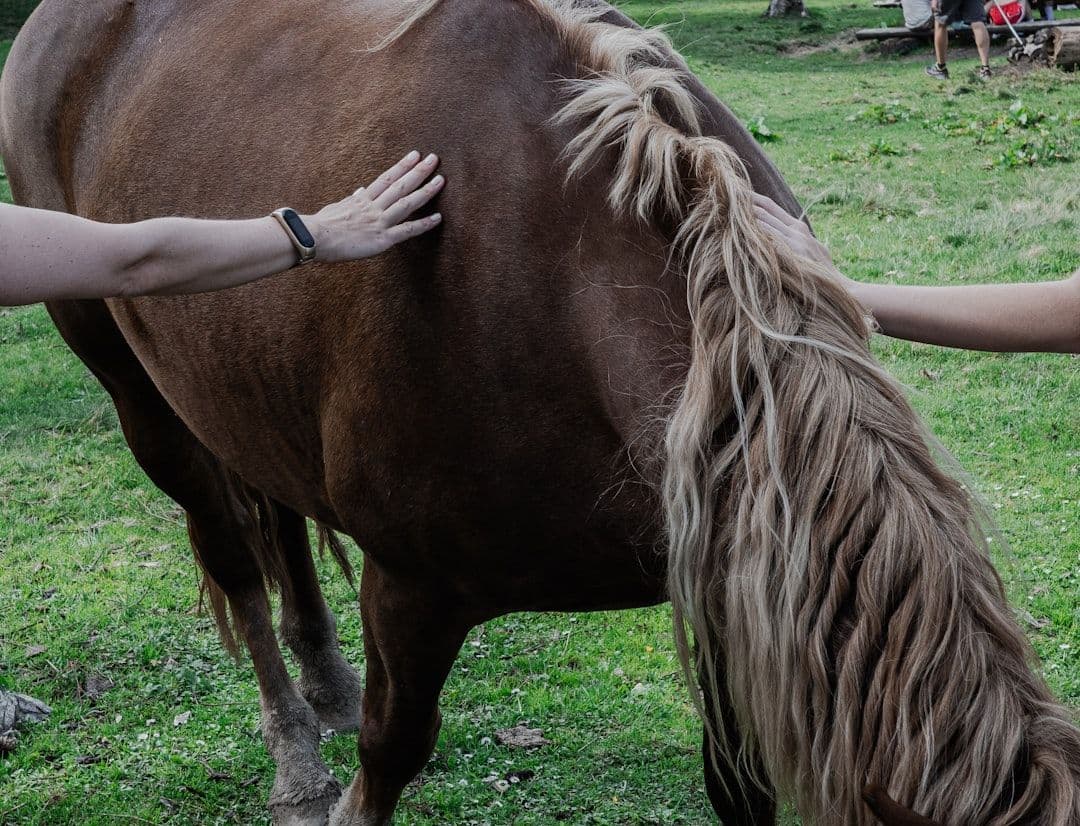
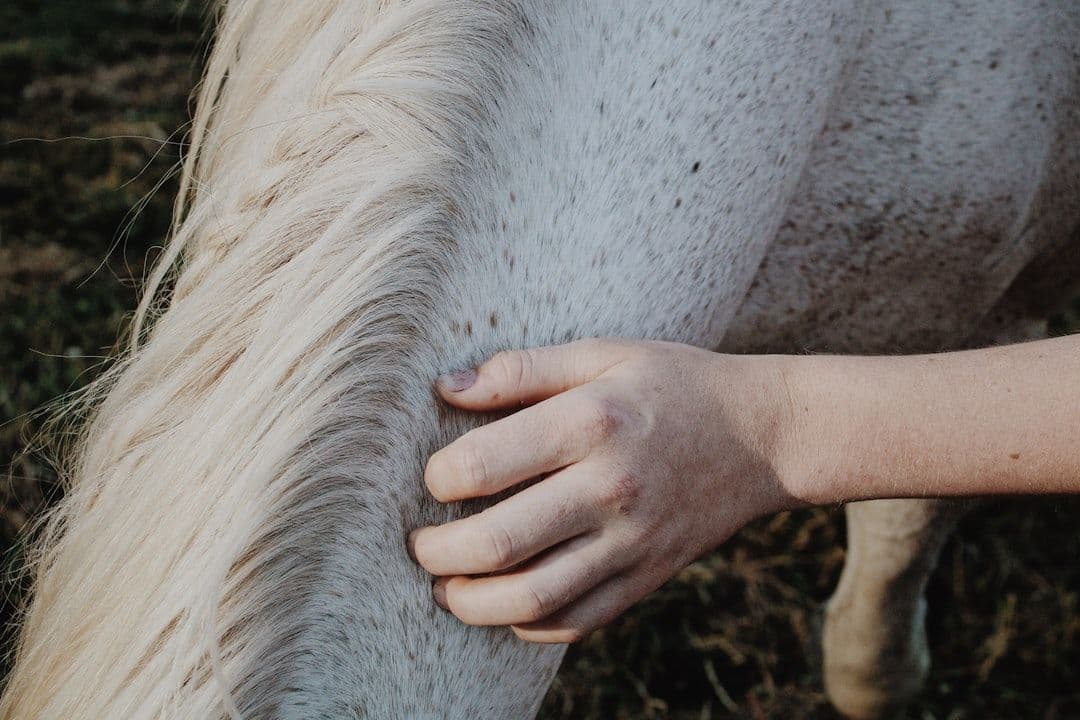
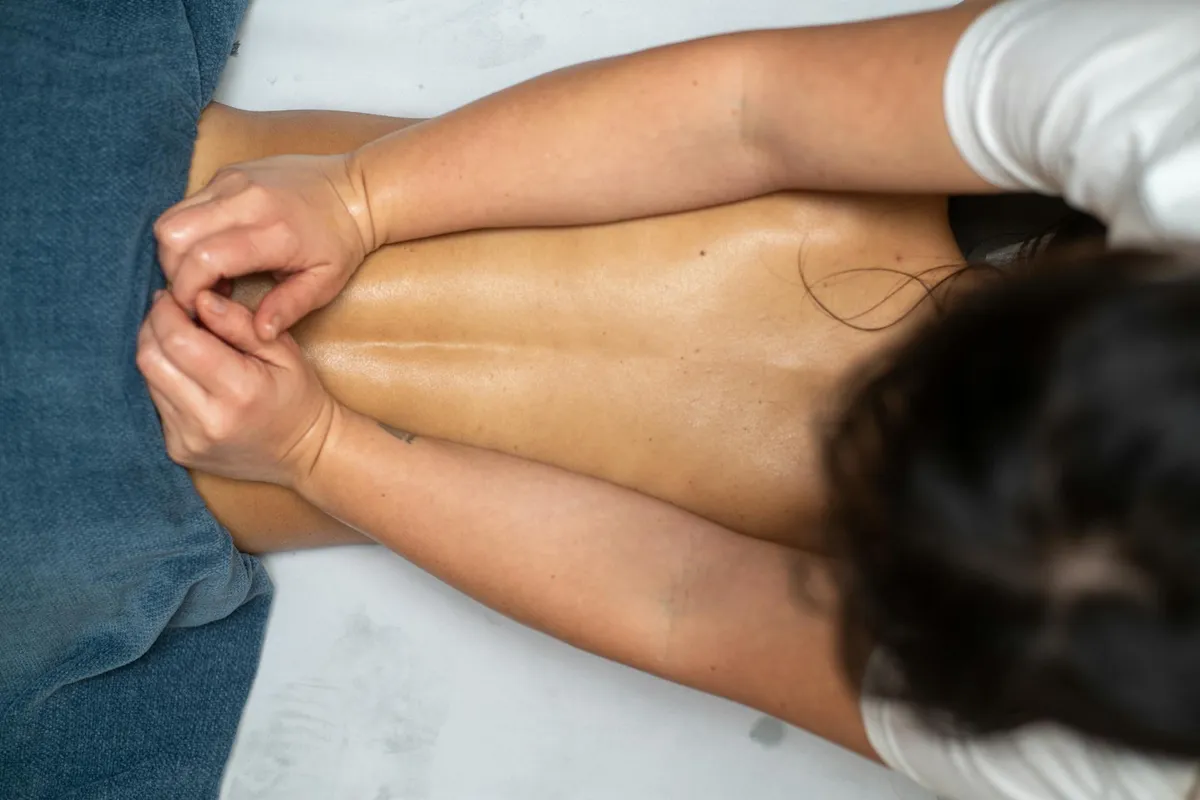
Animal massage uses many of the same fundamental techniques as human massage — effleurage (long gliding strokes), petrissage (kneading and compression), friction, and vibration — adapted for animal anatomy, natural posture, and coat. The practitioner must understand species-specific musculoskeletal structure: a horse's topline and hindquarter musculature differs fundamentally from a dog's. Communication cues are visual and behavioural rather than verbal — the practitioner reads the animal's response (leaning in, relaxing, moving away) to guide the session.
Regular massage supports circulation, reduces muscle tension and soreness, improves flexibility and range of motion, and supports nervous system regulation. For working dogs and performance horses, it is used as a recovery tool and injury prevention measure. For older animals with arthritis or degenerative conditions, it improves comfort and mobility. For anxious or reactive animals, regular therapeutic touch builds trust and reduces stress responses. Many owners also find the shared experience deepens their bond with their animal.
Seek veterinary clearance before massage if your animal has: a recent injury or surgery, undiagnosed lameness or pain, fever or active infection, cancer (massage may stimulate circulation in ways that could affect malignant tissue), skin conditions in the area to be treated, or any unexplained symptoms. Responsible animal massage practitioners will request a veterinary referral or clearance for animals with health conditions — be cautious of any practitioner who does not ask about your animal's health history.
References
Educational sources that inform this overview. Inclusion is for context and does not imply endorsement.
Full citations are maintained by the Gyfts editorial team and reviewed periodically.
Keep exploring
Browse practitioners, explore honest overviews, and take what you learn to a conversation — at your own pace.