What it is
Sound therapy using tuning forks to detect and ease distortions in your body's energy field.
Listening to the body''s electric field — tuning forks as instruments of coherence.
At a glance
What it is
Sound therapy using tuning forks to detect and ease distortions in your body's energy field.
Why explore it
Tuning forks may support stress relief, emotional release, and deep relaxation through sound vibration.
How it’s experienced
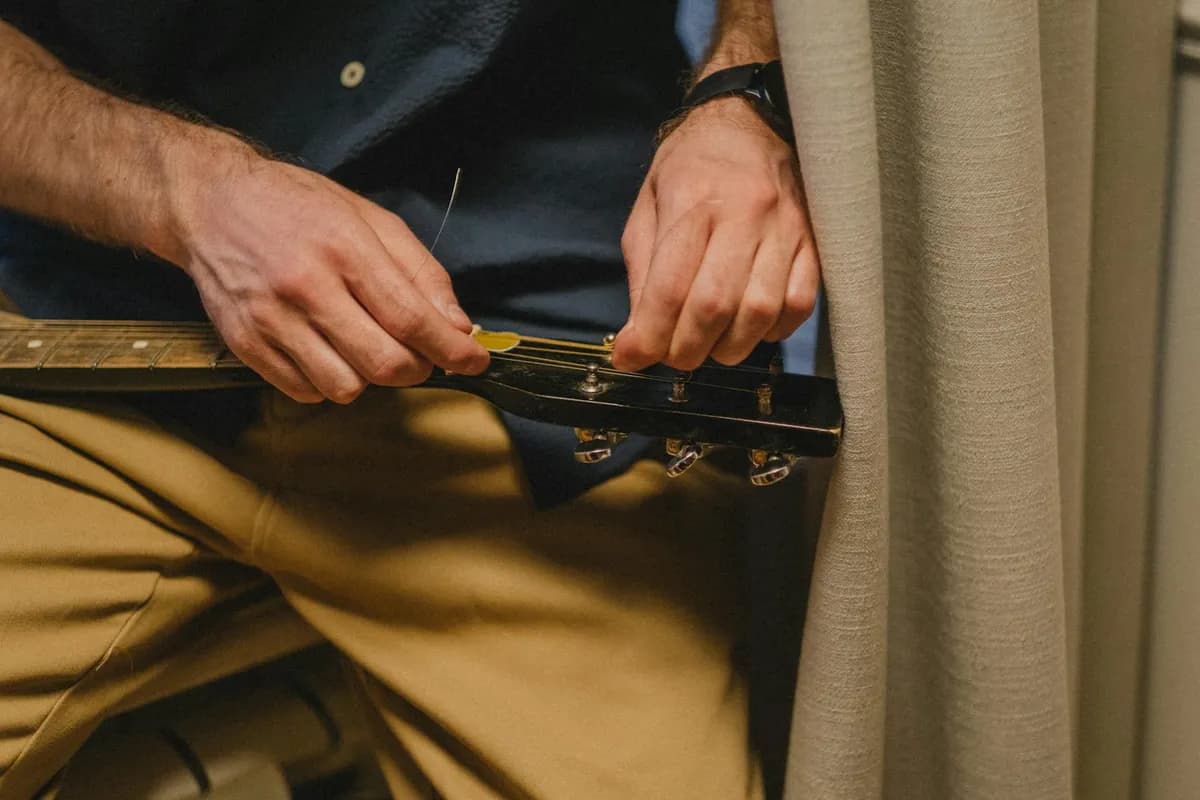
A practitioner moves tuning forks around your clothed body in a quiet, 60-minute table session.
Evidence context
Research is early-stage, with support mainly from practitioner reports and emerging biofield science.
See the evidence snapshotSafety
Low-risk but avoid with a pacemaker or early pregnancy; temporary fatigue or emotions may arise.
See staying safeHistory & Origin
Biofield Tuning is a therapeutic sound practice using tuning forks (primarily 174 Hz weighted and various unweighted frequencies) to identify and resolve areas of incoherence in the electromagnetic field surrounding the human body.
Biofield Tuning was developed by Eileen Day McKusick, a researcher and practitioner based in Vermont, USA. McKusick began exploring the therapeutic use of tuning forks in 1996, initially trained in sound healing through the writings of Jonathan Goldman and others. Over two decades of clinical practice (reportedly 20,000+ sessions), she developed a detailed ''Biofield Anatomy'' map documenting consistent patterns she observed in the field around the body — specific emotional patterns and life experiences appearing in predictable locations. Her 2014 book ''Tuning the Human Biofield'' presented this map and the methodology. She also authored ''Electric Body, Electric Health'' (2021), which presents a bioelectric model of health. McKusick completed a master''s degree exploring the biofield concept and has advocated for research into the biofield at academic conferences. The Biofield Tuning Institute offers practitioner certification through a structured training programme.
Mechanism
Biofield Tuning is best framed as a traditional, symbolic, energetic, reflective, or spiritual practice rather than a validated medical mechanism. Practitioners may use ritual, attention, sound, imagery, touch-free work, cards, symbols, prayer, or intention to support meaning-making and a sense of connection. People may explore it for reflection, calm, or spiritual context, while health claims should remain cautious and personal. The practitioner activates a tuning fork and slowly moves it through the space around the client''s body, beginning approximately 1.5 meters away and moving inward toward the body.
Your first visit
A typical session outline to help you feel prepared
You'll lie fully clothed on a table while a practitioner uses tuning forks to scan and clear the energy field surrounding your body, moving from feet to head.
Your practitioner will ask about your health history, intentions, and any emotional or physical areas you'd like to focus on during the session.
You'll lie face-up, fully clothed, on a padded massage table. No undressing is needed, and you're encouraged to remove shoes and get comfortable.
The practitioner activates a tuning fork and slowly moves it through the space around your body, listening for changes in tone that may signal areas of energetic congestion or resistance.
When the fork's sound shifts or becomes distorted, the practitioner works in that spot, gently combing the area to encourage the energy to move and the tone to smooth out.
You may feel warmth, tingling, or a sense of release in areas being worked on, and some people notice emotions or memories briefly surfacing during the session.
Once an area is cleared, the practitioner draws the energy back toward your body's midline, helping to integrate the work and settle your field.
The practitioner works up through the head and completes the session with grounding tones, giving you a moment to rest quietly before slowly sitting up.
Drink plenty of water and plan for a gentle rest of the day, as some people feel deeply relaxed or notice continued shifts in mood and energy over the next day or two.
The Evidence
What the research does and does not show about Biofield Tuning, and how to weigh it as part of your health picture.
Emerging practice with very limited formal research
Biofield Tuning has a small but developing evidence base. No randomised controlled trials have been published. Reported benefits may reflect sound therapy effects, relaxation responses, or other factors not yet studied in controlled conditions.
At least one small pilot study has reported cortisol-related observations following sessions, though findings are preliminary and unreplicated. Some preliminary research has found limited support for pain reduction across biofield therapies broadly, though significant methodological limitations were noted. The specific claims of Biofield Tuning's chronological biofield anatomy have not been independently verified.
McKusick's Biofield Anatomy proposes that emotional and biographical information is stored in a field surrounding the body, organised chronologically from birth outward. This is a metaphysical model — it is not currently measurable or verifiable by standard scientific methods. Gyfts presents it as a framework for exploration, not a validated anatomical claim.
Reported experiences include deep relaxation, emotional release, and a sense of energetic shift. Whether these reflect biofield changes, sound therapy effects, or the therapeutic relationship is not established. For some, the framework itself holds personal meaning. Gyfts encourages curiosity alongside discernment when exploring practices like this.
McKusick explicitly advises against sessions for people with pacemakers, during the first trimester of pregnancy, and with active cancer. Some people report temporary fatigue or emotional intensity after sessions. These responses are common in sound-based practices. If you have a significant health condition, speak with your healthcare provider before starting.
There is no independent regulatory body overseeing Biofield Tuning practitioners. Training is structured but self-governed through McKusick's institute. When seeking a practitioner, ask about their certification level, experience, and how they handle disclosures around the limits of the practice. Avoid practitioners making inflated outcome claims.
This practice does not replace professional assessment, medical investigation, or evidence-based care for physical or mental health conditions. The biofield model is not accepted within mainstream medicine. If you are managing a health condition, Biofield Tuning may be explored as a complementary experience — not as a primary or standalone approach.
Safety first
General guidance to help you decide whether this approach is appropriate for you. This is informational only and not a substitute for medical, psychological, or professional advice.
This approach is not suitable for diagnosis, treatment instructions, or decisions that require medical, legal, financial, or professional advice.
If you are experiencing severe distress, suicidal thoughts, psychosis, acute trauma, or another serious mental health concern, seek qualified support first.
Look for clear boundaries, transparent pricing, and practitioners who avoid fear-based claims or pressure to book frequent sessions.
Treat any insight as one reflective perspective, not absolute truth. Important decisions should be considered with appropriate professional support.
For you?
A simple, human way to weigh it up. This is general guidance, not personal medical advice — a qualified practitioner can advise on your situation.
Gyfts is a discovery platform, not a medical provider. Nothing here diagnoses, treats or replaces professional care. In an emergency, contact your local emergency number.
Explore approaches
Other practices people often explore alongside biofield tuning.
In their words
FAQ
In this context, the biofield refers to the electromagnetic field that surrounds and permeates the human body. McKusick proposes that this field contains a record of life experiences and that its coherence reflects overall health.
Most people find sessions deeply relaxing. You may feel warmth, tingling, or emotional shifts as the forks move through the field around your body. Weighted forks applied to the body produce a pleasant vibration. Some people experience memories or emotions surfacing.
Evidence is very limited. No RCTs have been published for Biofield Tuning specifically. The broader field of biofield therapies has preliminary evidence for pain reduction. The Biofield Anatomy model has not been independently verified.
Eileen Day McKusick developed the method over 20 years of practice beginning in 1996. She documented her findings in ''Tuning the Human Biofield'' (2014) and ''Electric Body, Electric Health'' (2021).
Generally considered very low-risk. Contra-indicated for people with pacemakers, during first trimester of pregnancy, and used with caution in active cancer. Some people experience temporary fatigue or emotional processing after sessions.
McKusick suggests 3 sessions as an initial series, then as needed. Some issues may resolve in a single session; deeper patterns may require more work.
McKusick and some practitioners offer distance sessions, proposing that the biofield can be accessed non-locally. This claim has not been scientifically validated.
References
Educational sources that inform this overview. Inclusion is for context and does not imply endorsement.
Full citations are maintained by the Gyfts editorial team and reviewed periodically.
Keep exploring
Browse practitioners, explore honest overviews, and take what you learn to a conversation — at your own pace.