What it is
Bioresonance uses electromagnetic devices to read and rebalance your body's energy frequencies.
Bioresonance therapy uses electromagnetic devices to detect and supposedly rebalance the body's energy frequencies
At a glance
What it is
Bioresonance uses electromagnetic devices to read and rebalance your body's energy frequencies.
Why explore it
It's explored as a gentle, non-invasive option for allergies, digestion, and chronic fatigue support.
How it’s experienced
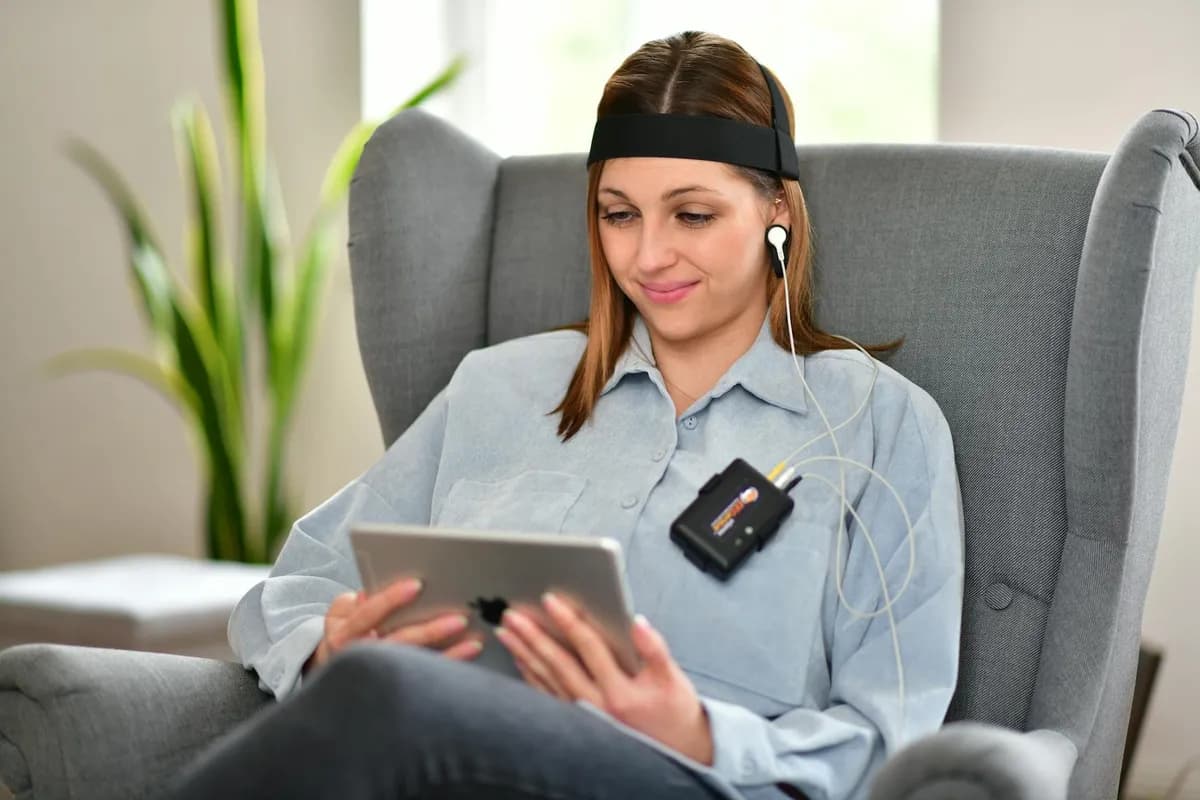
Electrodes rest on your skin while a device reads frequencies — most find it relaxing and painless.
Evidence context
Clinical evidence is limited, and mainstream medicine doesn't yet recognize it as a validated tool.
See the evidence snapshotSafety
Low-risk for healthy adults, but avoid if pregnant or using a pacemaker, and check with your doctor.
See staying safeHistory & Origin
Bioresonance therapy uses electromagnetic waves to harmonize the body's energy and treat health conditions.
Bioresonance therapy emerged in the 1970s through the work of German physician Franz Morell and electronics engineer Erich Rasche. Drawing inspiration from earlier work in electroacupuncture and bio-electrical medicine, they developed the first bioresonance devices based on the theory that diseased organs and tissues emit altered electromagnetic frequencies compared to healthy ones. Their approach combined traditional European naturopathic principles with modern electronic technology.
The therapy gained particular traction in Germany and other European countries during the 1980s and 1990s, where it became integrated into some complementary medicine practices. Russian scientist Dr. Reinhold Voll's earlier work on electroacupuncture diagnostics also influenced the field's development. Various manufacturers began producing different types of bioresonance devices, each claiming to detect and correct specific frequency imbalances.
As the therapy spread internationally, practitioners began applying it to an increasingly wide range of conditions. The approach found particular acceptance among practitioners seeking non-invasive diagnostic and treatment methods. However, the scientific medical community has remained largely skeptical due to the lack of robust clinical evidence supporting the underlying theoretical framework and treatment claims.
Mechanism
Bioresonance is generally described as working through skilled touch, careful pacing, and the body's response to pressure, movement, warmth, or stillness. Practitioners may focus on muscle tone, joint comfort, circulation, breath, or relaxation depending on the method. Traditional explanations may also include energy flow or whole-person balance. Research support varies by modality, so the experience is best framed as supportive care with outcomes that vary. Bioresonance devices measure electromagnetic frequencies allegedly emitted by the body's cells, then allegedly identify "disharmonious" frequencies associated with illness or dysfunction.
Your first visit
A typical session outline to help you feel prepared
A bioresonance session uses a specialised device to read and work with your body's electromagnetic frequencies, offering a gentle, non-invasive experience from start to finish.
Your practitioner sits with you to review your health history, current concerns, and wellness goals. This conversation helps them personalise the frequency settings for your session.
The practitioner explains how the bioresonance device works, walking you through what to expect so you feel comfortable and informed before anything begins.
Soft electrodes or hand-held cylinders are placed on or held against areas of your body, often the hands, feet, or wrists. No needles or pressure are involved and most people find this completely painless.
The device reads electromagnetic signals from your body, taking a baseline reading that the practitioner uses to identify areas of imbalance or stress. You simply relax while this happens.
Based on the scan, the device sends harmonising frequencies back to your body. Sessions typically run 30 to 60 minutes and many people report a gentle warmth or mild tingling, though many feel nothing at all.
As the session winds down you remain still and relaxed, giving your body a few quiet minutes to settle before the electrodes are removed. This is a good time to notice how you feel.
Your practitioner reviews what the device detected and shares observations with you, answering questions and explaining any patterns noted during the scan.
You receive recommendations for the hours following your session, typically drinking plenty of water and resting if needed. Follow-up appointment timing is discussed based on your individual response.
The Evidence
What the research says, where the gaps are, and how to approach bioresonance with informed expectations.
Bioresonance lacks robust scientific validation
The scientific evidence for bioresonance remains limited. Small preliminary studies exist, but well-designed trials are largely absent, and mainstream medical and regulatory bodies do not recognise bioresonance devices as validated tools for assessment or care.
Some preliminary studies have explored bioresonance for allergies and atopic dermatitis, but most are small-scale, poorly controlled, or carry potential conflicts of interest. Larger randomised controlled trials are notably absent. The evidence base does not currently support confident claims about effectiveness for any condition.
As an Alternative modality, bioresonance operates on theoretical principles not accepted by conventional physiology or physics. While the body does emit measurable electromagnetic signals, the specific claims about detecting dysfunction and correcting it through frequency manipulation have not been independently validated. This distinction matters when weighing expectations.
Developed by Franz Morell and Erich Rasche, bioresonance drew on earlier electroacupuncture work and European naturopathic principles. It gained traction in Germany and parts of Europe during the 1980s and 1990s. Various manufacturers have since produced differing devices, each with their own theoretical frameworks and claimed applications.
People with pacemakers or electronic implants, those in the first trimester of pregnancy, or those undergoing active cancer treatment should avoid bioresonance. It should not substitute professional assessment for unexplained or serious symptoms. Devices are not approved by major regulatory bodies for medical use, and results should not be treated as formal clinical findings.
Bioresonance is sometimes marketed with inflated outcome claims, including the ability to identify conditions that require proper professional assessment. Regulatory bodies in multiple countries have raised concerns about unsupported medical claims. Approaching bioresonance as a wellness exploration rather than a substitute for qualified care is strongly advisable.
There is no universally recognised certification body for bioresonance. When considering a session, look for practitioners who are transparent about the limits of the evidence, do not make inflated outcome claims, and actively encourage you to maintain care with qualified health professionals for any medical concerns.
Safety first
General guidance to help you decide whether this approach is appropriate for you. This is informational only and not a substitute for medical, psychological, or professional advice.
If you are pregnant, managing a health condition, recovering from injury or surgery, or taking medication, consult a qualified healthcare professional first.
Some situations call for extra care or a different approach. Share any conditions, injuries, or sensitivities with your practitioner before your first session.
Look for clear boundaries, transparent pricing, and practitioners who avoid fear-based claims or pressure to book frequent sessions.
Mild, short-lived effects such as tenderness, tiredness, or temporary soreness can occur. Rest, hydrate, and tell your practitioner how you respond.
For you?
A simple, human way to weigh it up. This is general guidance, not personal medical advice — a qualified practitioner can advise on your situation.
Gyfts is a discovery platform, not a medical provider. Nothing here diagnoses, treats or replaces professional care. In an emergency, contact your local emergency number.
Explore approaches
Other practices people often explore alongside bioresonance.
In their words
FAQ
You'll be connected to a bioresonance device through electrodes placed on your hands, feet, or other body points. The device allegedly scans your body's electromagnetic frequencies to identify imbalances, then sends corrective frequencies back. Sessions are painless and typically last 30-90 minutes depending on whether it's your first visit.
Treatment plans vary widely depending on your condition and the practitioner's approach. Acute issues might require 3-6 sessions, while chronic conditions could involve 10-20 sessions over several months. Some practitioners recommend ongoing maintenance sessions, though there's no standardized protocol.
Scientific evidence for bioresonance remains limited. While some small studies suggest potential benefits for certain conditions like allergies, larger, well-designed clinical trials are lacking. The scientific medical community generally considers the theoretical basis unproven, and results are not accepted as medical diagnoses.
Most people experience no adverse effects during bioresonance sessions. Some report temporary fatigue or mild symptoms immediately after treatment, which practitioners attribute to detoxification processes. Serious side effects are rare, but the therapy shouldn't replace necessary medical treatment.
Practitioners claim bioresonance can identify allergies and food sensitivities, but these results are not medically validated. For accurate allergy diagnosis, consult an allergist who can perform established tests like skin prick tests or blood IgE measurements.
References
Educational sources that inform this overview. Inclusion is for context and does not imply endorsement.
Full citations are maintained by the Gyfts editorial team and reviewed periodically.
Keep exploring
Browse practitioners, explore honest overviews, and take what you learn to a conversation — at your own pace.