What it is
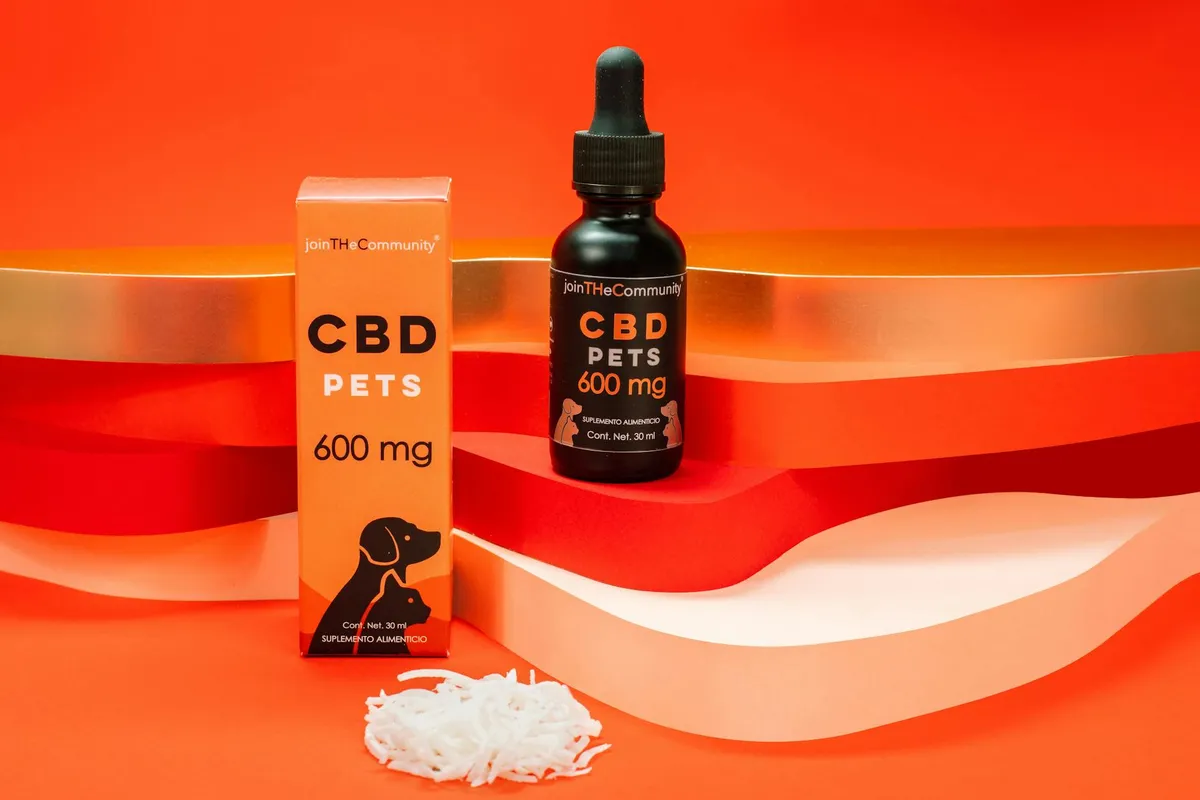
CBD pet foods are hemp-infused kibble and chews that deliver a measured daily dose for dogs and cats.
CBD Pet Foods are specially formulated treats and kibble infused with cannabidiol (CBD) designed to provide therapeutic benefits for pets
At a glance
What it is
CBD pet foods are hemp-infused kibble and chews that deliver a measured daily dose for dogs and cats.
Why explore it
Owners turn to CBD foods hoping to ease anxiety, joint discomfort, and appetite loss in their pets.
How it’s experienced
Given daily by weight, CBD chews work gradually—most owners notice shifts in behavior or mobility within weeks.
Evidence context
Early veterinary studies show promise, but no large trials yet confirm benefits, so findings remain preliminary.
See the evidence snapshotSafety
Low risk when vet-guided—start with a small dose, skip human products, and watch for lethargy or digestive changes.
See staying safeHistory & Origin
CBD Pet Foods are designed to provide pets with the therapeutic benefits of CBD in a safe, edible form.
The development of CBD pet foods emerged from the broader cannabis legalization movement and growing acceptance of CBD for human health applications in the early 2000s. As research began to reveal the therapeutic potential of cannabidiol, veterinarians and pet owners started exploring whether these benefits could extend to companion animals. The discovery that mammals share an endocannabinoid system provided the scientific foundation for this interest.
The commercial CBD pet food industry began taking shape around 2014-2016, following the passage of the Farm Bill that legalized hemp-derived CBD products containing less than 0.3% THC. Early pioneers in the veterinary cannabis space, including Dr. Gary Richter and Dr. Robert Silver, began advocating for research into CBD's applications for pets and developing clinical protocols. Companies like HempMy Pet, Treatibles, and King Kanine were among the first to create specifically formulated CBD products for animals.
The industry expanded rapidly as more states legalized cannabis and hemp products, with pet owners seeking natural alternatives to conventional veterinary medications. By 2018, the global CBD pet market was valued at millions of dollars, with products ranging from simple treats to sophisticated formulations targeting specific conditions. The sector continues to evolve with increasing veterinary acceptance, though regulatory frameworks remain inconsistent across jurisdictions.
Today, CBD pet foods represent a significant segment of the broader pet wellness market, with products available through veterinary clinics, pet stores, and online retailers. The industry has developed quality standards and testing protocols specific to animal consumption, though regulation varies widely between regions.
Mechanism
CBD Pet Foods is usually understood through daily choices, patterns, and gradual behavior change rather than a single session effect. Practitioners may focus on food quality, timing, preparation, symptoms, preferences, culture, and sustainability. Some approaches are tradition-based, while others draw on nutrition science or clinical guidelines. Recommendations should be individualized, especially when medical conditions, pregnancy, medications, or restrictive eating patterns are involved. CBD in pet foods interacts with the endocannabinoid system found in mammals, a signalling network involved in regulating pain, mood, and immune function.
Your first visit
A typical session outline to help you feel prepared
Your pet's first CBD food session is a guided, gentle process where a professional helps you find the right product and dose to support your animal's comfort and wellbeing.
A vet or pet nutritionist starts by gathering your pet's full health history, including current medications, diet, weight, age, and any concerns like joint stiffness or anxious behavior.
You and the practitioner talk through what you're hoping CBD pet food might support, whether that's calmer car rides, easier movement, or general daily comfort, so expectations are realistic and clear.
Based on your pet's species, size, and needs, the practitioner recommends a specific CBD-infused food or treat, explaining the source, potency, and what to look for on the label.
You'll receive a low starting dose tailored to your pet's weight, along with clear instructions on how to introduce it gradually into their regular feeding routine over the first few days.
During the first one to two weeks you observe your pet at home, noting any shifts in energy, appetite, mobility, or mood and keeping a simple log to share at your next visit.
Around four to six weeks in, you return or connect virtually so the practitioner can review your observations and adjust the dose or product if your pet isn't responding as hoped.
You leave with a clear plan for continued check-ins every four to six weeks, ensuring the approach stays well-matched to your pet's changing needs over time.
The Evidence
What current research and veterinary practice tell us about CBD in pet foods, and where the evidence still has gaps.
Promising early findings, but large-scale studies are still needed
CBD for pets has shown encouraging results in small clinical trials, particularly for canine pain and epilepsy. The evidence base is growing but remains preliminary, and veterinary guidance is not yet standardised across regions.
The strongest findings come from small clinical trials on canine osteoarthritis and epilepsy, including studies from Cornell and Colorado State University. Results have been encouraging, but most trials involve small sample sizes and short follow-up periods. Robust, large-scale controlled studies in pets are still lacking, and findings should not be generalised beyond the conditions studied.
Multiple universities are now conducting trials on CBD's effects in dogs and cats, reflecting genuine scientific interest. Most published data comes from observational studies and veterinary case reports rather than large randomised trials. The field is moving quickly, and guidance is likely to evolve as more rigorous data becomes available.
As an alternative approach, CBD pet foods are not part of standard veterinary protocols in most regions, though veterinary acceptance is growing. They are best understood as a complementary option to be considered alongside, not instead of, professional veterinary assessment. Inflated outcome claims circulate in this space and should be viewed critically.
Always use products formulated specifically for animals — human CBD products may contain ingredients harmful to pets. Start at the lowest dose and increase gradually while monitoring for lethargy, digestive changes, or appetite shifts. Pets with liver conditions, those on multiple medications, or animals scheduled for surgery require veterinary review before use.
Pregnant or nursing animals and very young puppies or kittens under six months should avoid CBD products. Pets with severe liver dysfunction may not metabolise CBD safely. Discontinue use at least one week before any planned surgery due to potential interactions with anaesthetic agents. Always disclose CBD use to your veterinarian.
Veterinary attitudes toward CBD are shifting, and a growing number of practitioners are willing to discuss it. Seek a vet who can review your pet's full health history, current medications, and suitability before starting. CBD pet foods are not a substitute for professional assessment and should not replace conventional veterinary care for serious or undiagnosed conditions.
Safety first
General guidance to help you decide whether this approach is appropriate for you. This is informational only and not a substitute for medical, psychological, or professional advice.
If your animal is unwell, injured, recovering from surgery, or on medication, check with a qualified veterinarian before booking a session.
Some situations call for extra care or a different approach. Share any conditions, injuries, or sensitivities with your practitioner before your first session.
Watch your animal for tenderness, tiredness, or changes in behaviour afterwards, and contact the practitioner or your vet if anything seems off.
Look for clear boundaries, transparent pricing, and practitioners who avoid fear-based claims or pressure to book frequent sessions.
For you?
A simple, human way to weigh it up. This is general guidance, not personal medical advice — a qualified practitioner can advise on your situation.
Gyfts is a discovery platform, not a medical provider. Nothing here diagnoses, treats or replaces professional care. In an emergency, contact your local emergency number.
Explore approaches
Other practices people often explore alongside cbd pet foods.
In their words
FAQ
CBD pet foods are typically given as treats or mixed with regular meals. Effects usually begin within 30-90 minutes and can last 4-8 hours. Many pets experience gradual improvements in comfort and behavior over weeks of consistent use, with acute anxiety relief often noticed sooner.
Initial calming effects may be seen within hours for anxiety-related issues, but most therapeutic benefits develop over 2-4 weeks of consistent daily use. Chronic conditions like arthritis pain typically require longer to show significant improvement, with many pets showing optimal response after 6-8 weeks.
While CBD is generally well-tolerated by dogs and cats, it's not safe for all animals. Pregnant or nursing pets, very young animals, and those with liver disease should avoid CBD. Always consult with a veterinarian before starting CBD, especially for pets on medications or with health conditions.
Look for products specifically formulated for pets with third-party lab testing, clear CBD content labeling, and organic hemp sources. Start with low-potency options and choose full-spectrum or broad-spectrum products over isolates when possible. Avoid products containing THC, artificial additives, or ingredients toxic to pets.
CBD pet foods should never replace prescribed medications without veterinary approval. They can often be used as complementary therapy alongside conventional treatments, but any medication changes must be supervised by a qualified veterinarian to ensure safety and effectiveness.
References
Educational sources that inform this overview. Inclusion is for context and does not imply endorsement.
Full citations are maintained by the Gyfts editorial team and reviewed periodically.
Keep exploring
Browse practitioners, explore honest overviews, and take what you learn to a conversation — at your own pace.