What it is
A practice that balances seven body energy centers using meditation, breathwork, and gentle touch.
Chakra Healing is an energy-based practice that works to balance seven energy centers in the body through meditation, visualization, crys...
At a glance
What it is
A practice that balances seven body energy centers using meditation, breathwork, and gentle touch.
Why explore it
Many seek it for stress relief, emotional release, better sleep, and support during life transitions.
How it’s experienced
Sessions blend guided meditation, light touch, sound, crystals, and breathwork to nurture each chakra.
Evidence context
Rooted in ancient Hindu and Buddhist traditions; clinical research is limited, so support is largely experiential.
See the evidence snapshotSafety
Low-risk and complementary to regular care; consult your doctor first if you have serious mental health concerns.
See staying safeHistory & Origin
Chakra Healing addresses imbalances in the body's energy system to promote overall wellness.
Chakra healing originates from ancient Hindu and Buddhist traditions, with roots tracing back over 4,000 years to early Sanskrit texts like the Vedas and Upanishads. The word 'chakra' comes from Sanskrit meaning 'wheel' or 'disk,' referring to spinning energy centers along the spine. Traditional Indian medicine systems like Ayurveda incorporated chakra concepts as fundamental to understanding human energy and health.
The practice gained prominence in Tantric traditions around the 5th century CE, where detailed maps of the chakra system were developed. Buddhist and Hindu yoga traditions further refined these concepts, with practitioners using meditation, breathwork, and visualization to work with chakra energy. The seven-chakra system most commonly used today was systematized in medieval Tantric texts.
Chakra healing spread to the West in the late 19th and early 20th centuries through the Theosophical Society and early yoga teachers. Influential figures like Arthur Avalon (Sir John Woodroffe) translated Sanskrit texts on chakras for Western audiences. The practice gained broader popularity during the 1960s counterculture movement and New Age spirituality.
Modern chakra healing has evolved to incorporate various therapeutic approaches including Reiki, crystal healing, sound therapy, and energy psychology. Today's practitioners often blend traditional Eastern concepts with contemporary holistic health practices, making chakra work accessible to diverse populations seeking alternative approaches to wellness and personal growth.
Mechanism
Chakra Healing is best framed as a traditional, symbolic, energetic, reflective, or spiritual practice rather than a validated medical mechanism. Practitioners may use ritual, attention, sound, imagery, touch-free work, cards, symbols, prayer, or intention to support meaning-making and a sense of connection. People may explore it for reflection, calm, or spiritual context, while health claims should remain cautious and personal. Chakra healing operates on the premise that seven primary energy centres—positioned along the spine from the base to the crown of the head—govern different physiological and psychological functions.
Your first visit
A typical session outline to help you feel prepared
A chakra healing session guides you through gentle energy work aimed at identifying and rebalancing the body's seven main energy centers, leaving you feeling grounded and restored.
Your practitioner welcomes you and asks about your health history, emotional wellbeing, and what you're hoping to experience, so the session can be tailored to your needs.
Together, you and your practitioner identify a personal intention or area of focus, such as releasing stress or feeling more grounded, which helps guide the energy work ahead.
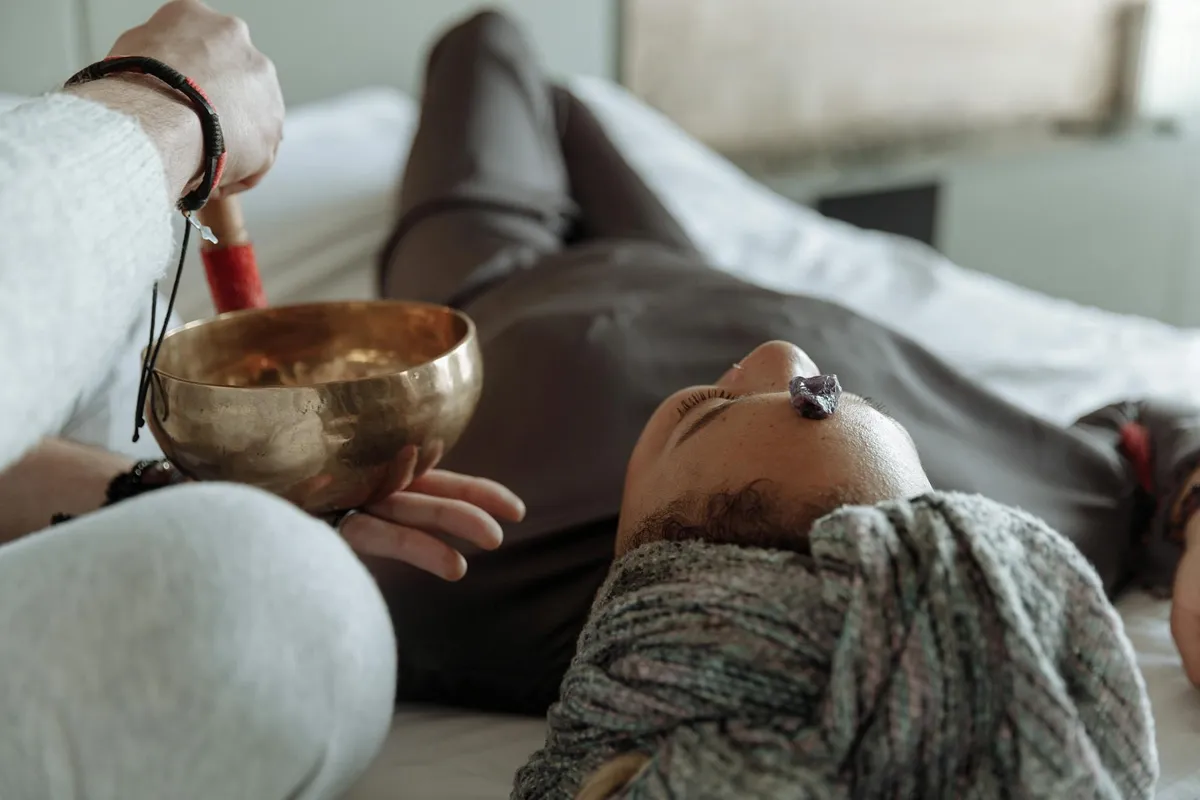
You lie fully clothed on a comfortable treatment table in a calm, softly lit space. You don't need to remove any clothing, and you're encouraged to close your eyes and breathe naturally.
Your practitioner moves slowly along your body, using their hands just above or lightly on you to sense where energy may feel blocked, sluggish, or overactive across your seven chakras.
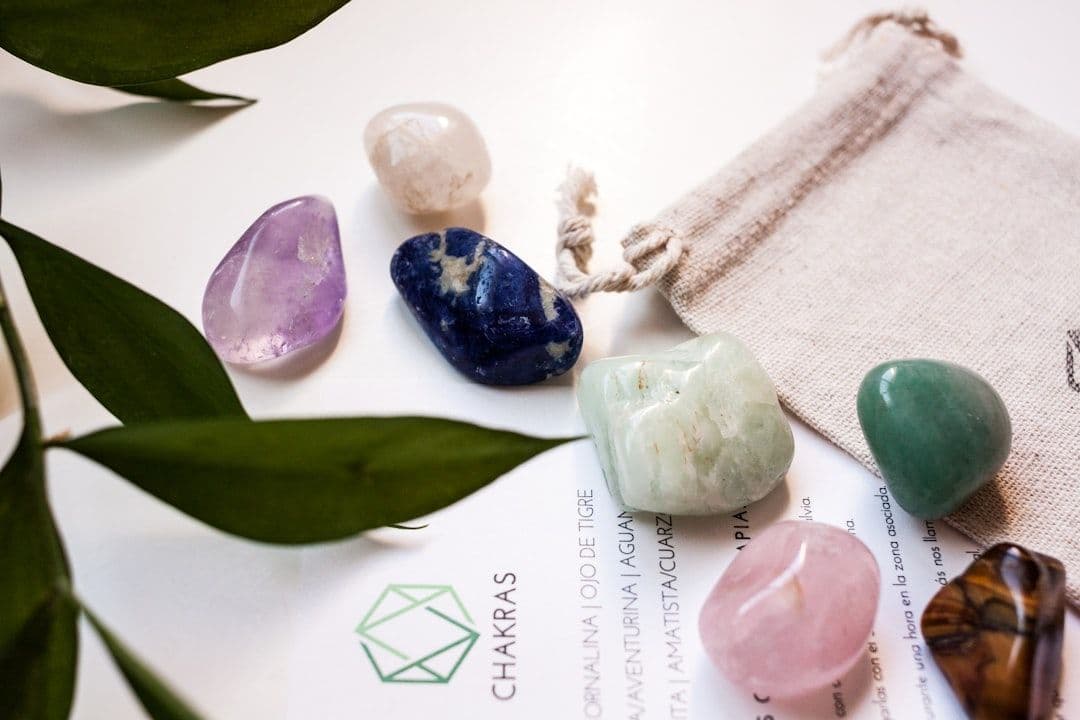
Using a combination of light touch, crystals placed on or near the chakra points, breathwork cues, or sound tools like singing bowls, your practitioner works to encourage flow through each energy center.
You may notice warmth, tingling, emotional waves, or deep relaxation during the session. Some people feel very little at first, and all of these experiences are completely normal and welcome.
Near the end, your practitioner gently brings the session to a close, often guiding a brief grounding breath or visualization to help you feel settled and present before sitting up.
Your practitioner shares observations about what they noticed in your energy field and offers simple self-care suggestions, such as hydration, rest, or specific breathwork to support your balance between visits.
The Evidence
What research and tradition tell us about chakra healing, and how to hold both perspectives honestly.
Rooted in ancient tradition; limited by modern research
Chakra healing draws on thousands of years of practice within Hindu and Buddhist traditions. Conventional scientific evidence for the chakra system specifically is minimal, though related practices like meditation show documented benefits for stress and wellbeing.
The chakra system describes energy centres that govern physical, emotional, and spiritual functioning. These concepts belong to a metaphysical framework rather than a biomedical one. Engaging with chakra healing means working within that framework on its own terms — not as a claim about measurable biology, but as a structured approach to inner experience and wellbeing.
Originating in the Vedas and refined through Tantric and yogic traditions, the seven-chakra system has guided practitioners across centuries and cultures. It spread to the West through the Theosophical Society and early yoga teachers. Its longevity reflects deep cultural meaning, even where scientific validation is absent.
Studies specifically on chakra healing are scarce and methodologically limited. However, component practices — particularly meditation, breathwork, and relaxation techniques — have demonstrated benefits for stress, anxiety, and general wellbeing in more robust research. Evidence for the chakra system itself remains in the domain of traditional knowledge rather than clinical science.
Common uses include stress reduction, supporting life transitions, emotional release, and deepening meditation practice. These are experiential and personal goals. Whether outcomes are attributed to energy rebalancing, relaxation, focused attention, or placebo, the subjective value reported by practitioners and recipients is real and worth taking seriously.
Those with active mental health conditions such as bipolar disorder, schizophrenia, or severe depression should speak with a healthcare provider before starting. Be cautious of practitioners making inflated outcome claims or advising you to stop prescribed medications. If sessions bring up distressing emotions or unusual sensations, communicate with your practitioner and seek professional support if needed.
There is no universal accreditation standard for chakra healing. Look for practitioners who maintain clear professional boundaries, do not make medical claims, and encourage you to continue any existing healthcare. A good practitioner will create a safe, respectful space and support your autonomy rather than foster dependency.
Safety first
General guidance to help you decide whether this approach is appropriate for you. This is informational only and not a substitute for medical, psychological, or professional advice.
If you are experiencing severe distress, suicidal thoughts, psychosis, acute trauma, or another serious mental health concern, seek qualified support first.
This approach is not suitable for diagnosis, treatment instructions, or decisions that require medical, legal, financial, or professional advice.
Look for clear boundaries, transparent pricing, and practitioners who avoid fear-based claims or pressure to book frequent sessions.
Treat any insight as one reflective perspective, not absolute truth. Important decisions should be considered with appropriate professional support.
For you?
A simple, human way to weigh it up. This is general guidance, not personal medical advice — a qualified practitioner can advise on your situation.
Gyfts is a discovery platform, not a medical provider. Nothing here diagnoses, treats or replaces professional care. In an emergency, contact your local emergency number.
Explore approaches
Other practices people often explore alongside chakra healing.
In their words
FAQ
A typical chakra healing session involves lying comfortably while the practitioner uses various techniques such as light touch, crystal placement, guided meditation, or energy work to address imbalances in your chakra system. Sessions are deeply relaxing and may include visualization exercises, breathwork, or sound healing. You remain fully clothed, and the practitioner creates a peaceful environment to support your healing process.
The number of sessions varies greatly depending on your goals and individual response. Some people feel benefits after a single session, while others prefer regular ongoing sessions. Many practitioners recommend starting with 3-4 sessions to establish a baseline and assess your response, then determining whether weekly, bi-weekly, or monthly sessions work best for your needs.
Experiences vary widely among individuals. Some people report sensations of warmth, tingling, or energy movement, while others feel deeply relaxed or emotional. Some may see colors or have spiritual insights, while others simply experience a sense of peace and calm. There's no 'right' way to respond, and not feeling obvious sensations doesn't mean the session isn't beneficial.
While belief can enhance the experience, many people benefit from chakra healing regardless of their initial skepticism. The relaxation, mindfulness, and focused attention involved in sessions can be therapeutic even from a purely psychological perspective. An open but questioning attitude is perfectly acceptable.
Chakra healing is generally considered very safe as it involves gentle, non-invasive techniques. However, emotional releases can sometimes occur, which may bring up feelings or memories. Choose qualified practitioners who create safe spaces and can support you through any emotional responses that might arise during healing work.
References
Educational sources that inform this overview. Inclusion is for context and does not imply endorsement.
Full citations are maintained by the Gyfts editorial team and reviewed periodically.
Keep exploring
Browse practitioners, explore honest overviews, and take what you learn to a conversation — at your own pace.