What it is
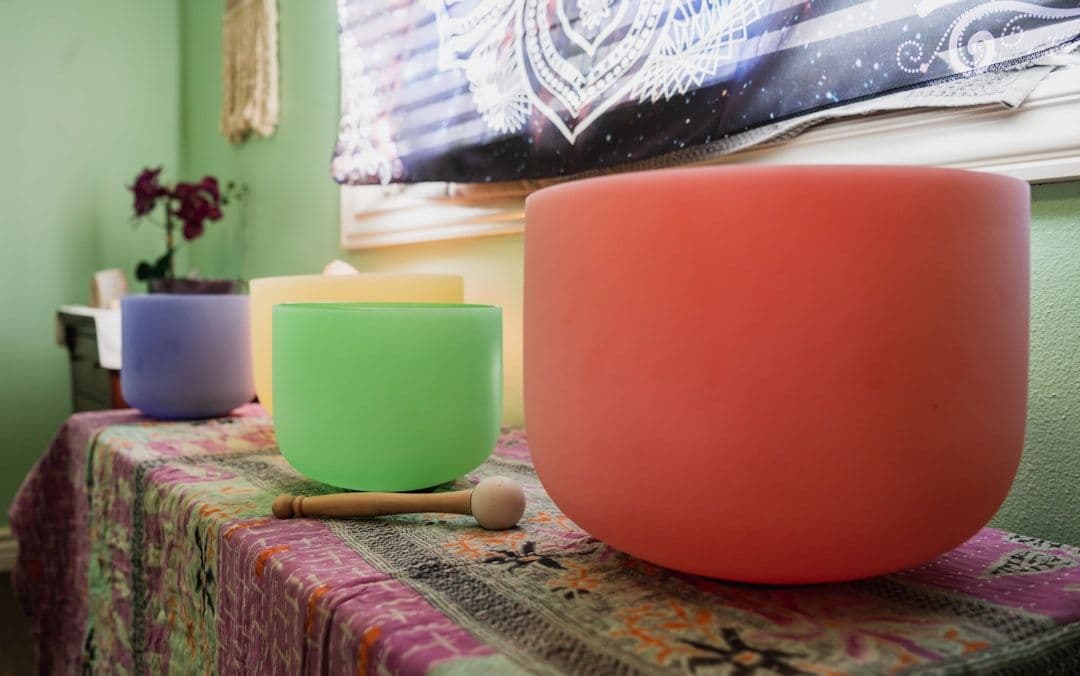
Quartz bowls produce rich, sustained tones used to encourage relaxation and meditation.
Crystal Singing Bowls are quartz crystal instruments played to produce resonant tones used in sound therapy sessions
At a glance
What it is
Quartz bowls produce rich, sustained tones used to encourage relaxation and meditation.
Why explore it
Many people turn to crystal bowls to ease stress, deepen meditation, and prepare for restful sleep.
How it’s experienced
You rest while a practitioner plays bowls around you in sessions lasting 30 to 60 minutes.
Evidence context
Research is limited, so support comes mainly from traditional use and individual practitioner experience.
See the evidence snapshotSafety
Low-risk for most adults, but those with pacemakers, tinnitus, or pregnancy should check with a doctor first.
See staying safeHistory & Origin
Crystal Singing Bowls use sound vibrations from quartz crystal bowls for relaxation and healing.
Crystal Singing Bowls emerged in the 1980s as a modern development within the broader sound therapy and New Age wellness movements. Unlike traditional Tibetan metal singing bowls used in Buddhist meditation for centuries, crystal bowls were created by synthesizing quartz crystal through a heating process, producing instruments that generate pure, sustained tones. The practice gained popularity through the work of various sound healers and holistic practitioners who integrated concepts from ancient sound therapy traditions, chakra systems, and vibrational medicine. As interest in complementary health grew throughout the 1990s and 2000s, crystal singing bowls became increasingly common in yoga studios, meditation centers, and wellness spas, particularly in Western countries. The modality draws on ancient beliefs about sound's healing properties while presenting itself as a modern technological application of these principles.
Top symptoms
Mechanism
Crystal Singing Bowls is best framed as a traditional, symbolic, energetic, reflective, or spiritual practice rather than a validated medical mechanism. Practitioners may use ritual, attention, sound, imagery, touch-free work, cards, symbols, prayer, or intention to support meaning-making and a sense of connection. People may explore it for reflection, calm, or spiritual context, while health claims should remain cautious and personal. Crystal singing bowls produce sustained tones when struck or circled with a mallet, generating vibrations that propagate through the air and potentially through the body when played nearby.
Your first visit
A typical session outline to help you feel prepared
A crystal singing bowl session surrounds you with rich, resonant sound vibrations designed to promote deep relaxation and a sense of inner calm.
Your practitioner greets you warmly and asks a few questions about how you're feeling and what you're hoping to experience, whether that's stress relief, mental clarity, or simply deep rest.
You'll lie down on a comfortable mat or massage table, fully clothed, with a blanket and eye pillow offered to help you settle in and feel at ease.
The practitioner arranges several quartz crystal bowls of varying sizes around your body, each tuned to different frequencies that correspond to different areas of focus or energy centers.
Using a suede or silicone mallet, the practitioner strikes and circles the bowls to produce long, sustained tones that fill the room and can be felt as gentle vibrations in your chest and body.
For 30 to 60 minutes you simply rest and listen as the practitioner moves between bowls, layering tones and letting silences breathe between them — many people find their mind naturally quiets and drifts.
It's common to feel tingling, warmth, a sense of floating, or even brief emotional releases like tears or laughter — all of this is normal and welcome during a session.
As the session closes, the practitioner slows the playing and lets the final tones fade completely, giving you a few quiet moments before gently guiding you back to full awareness.
Before you leave, your practitioner invites you to share how you're feeling and suggests drinking plenty of water, as people often feel deeply relaxed or lightly spacey for a short while after.
The Evidence
What research and tradition say about crystal singing bowls, and how to understand the claims made about them.
Relaxation potential, but specific healing claims lack evidence
Crystal singing bowls are a modern wellness practice with roots in sound therapy traditions. General sound-based relaxation research shows some promise, but specific claims about energy balancing or vibrational healing are not supported by clinical evidence.
Studies on music therapy and sound baths suggest modest benefits for stress and relaxation. However, research specific to crystal singing bowls is sparse. Claims about chakra alignment, frequency healing, or measurable physiological effects beyond relaxation are not supported by rigorous clinical evidence. Benefits, where reported, are generally attributed to relaxation and dedicated self-care time.
Practitioners work within a belief system involving energy centres, vibrational resonance, and subtle body healing. These concepts are meaningful within their own framework but are not measurable by current scientific methods. Gyfts presents this context so you can engage with the practice on your own terms, without inflated outcome expectations.
Unlike Tibetan metal singing bowls used in Buddhist practice for centuries, crystal singing bowls emerged in the 1980s from the New Age wellness movement. They draw on older ideas about sound and healing but represent a modern synthesis rather than a continuous traditional lineage. Understanding this helps set realistic expectations about the depth of their historical use.
Some practitioners make specific claims about healing properties or energy correction that exceed available evidence. Crystal singing bowls are not a substitute for professional assessment or care for any health condition. Approaching sessions as a relaxation or mindfulness tool, rather than a therapeutic intervention, is more consistent with what the evidence supports.
People with neurological conditions, severe anxiety, PTSD, hearing sensitivity, or implanted cardiac devices should consult their healthcare provider before attending. Pregnant women should also check with their obstetrician. Always disclose health conditions to the practitioner beforehand, and communicate any discomfort during a session. Crystal singing bowls should never replace conventional care for serious health concerns.
This modality is largely unregulated. Look for practitioners who are transparent about what the practice can and cannot offer, who ask about your health history, and who do not make inflated outcome claims. A reputable practitioner will create a safe, comfortable environment and respect your boundaries throughout the session.
Safety first
General guidance to help you decide whether this approach is appropriate for you. This is informational only and not a substitute for medical, psychological, or professional advice.
If you are experiencing severe distress, suicidal thoughts, psychosis, acute trauma, or another serious mental health concern, seek qualified support first.
This approach is not suitable for diagnosis, treatment instructions, or decisions that require medical, legal, financial, or professional advice.
Look for clear boundaries, transparent pricing, and practitioners who avoid fear-based claims or pressure to book frequent sessions.
Treat any insight as one reflective perspective, not absolute truth. Important decisions should be considered with appropriate professional support.
For you?
A simple, human way to weigh it up. This is general guidance, not personal medical advice — a qualified practitioner can advise on your situation.
Gyfts is a discovery platform, not a medical provider. Nothing here diagnoses, treats or replaces professional care. In an emergency, contact your local emergency number.
Explore approaches
Other practices people often explore alongside crystal singing bowls.
In their words
FAQ
You lie down or sit comfortably while a practitioner plays crystal bowls, creating sustained harmonic tones. The vibrations resonate through the space and your body, and you're guided to relax and breathe deeply for 30-60 minutes. The experience is entirely passive—your role is simply to receive the sound and vibrations in a receptive state.
There's no set requirement. Some people attend a single session for relaxation, while others pursue weekly or monthly sessions as part of ongoing wellness practice. Benefits are subjective and vary by individual. Many practitioners recommend starting with 3-4 sessions to assess whether the practice works for you.
Crystal singing bowls are a traditional-use modality with limited scientific evidence. Sound therapy in general has some research supporting stress reduction and relaxation benefits, but specific claims about crystal bowls and energy chakra alignment lack robust clinical evidence. The practice is best viewed as a complementary relaxation technique rather than a scientifically proven medical treatment.
Crystal singing bowls are not designed to diagnose, treat, or cure medical conditions. They may support relaxation and stress relief, which can be beneficial for overall wellness, but they should never replace conventional medical treatment. Always consult your healthcare provider for any health concerns.
Wear comfortable, loose clothing that won't restrict your breathing or movement. Many people remove shoes. Bring water to stay hydrated. Some practitioners provide blankets or pillows for comfort, but it's fine to ask what's provided. Avoid heavy meals beforehand and silence your phone.
For most people, crystal singing bowl sessions are low-risk relaxation experiences. However, consult your doctor if you have neurological conditions, hearing sensitivity, implanted medical devices, or are pregnant. The main safety consideration is ensuring you don't use it as a substitute for necessary medical care.
Tibetan singing bowls are traditional metal instruments used in Buddhist practices for centuries and are played with a mallet or friction technique. Crystal singing bowls are modern quartz instruments developed in the 1980s. Both produce tones used in sound therapy, but crystal bowls are marketed specifically for healing and chakra alignment, while Tibetan bowls have deep spiritual and meditation traditions.
Most people report feeling deeply relaxed, calm, and peaceful after a crystal bowl session. Some experience mental clarity or improved mood. A few may feel emotional or experience temporary emotional release. Rarely, people might feel slightly tired or energized. Effects are subjective and temporary unless you pursue regular sessions.
References
Educational sources that inform this overview. Inclusion is for context and does not imply endorsement.
Full citations are maintained by the Gyfts editorial team and reviewed periodically.
Keep exploring
Browse practitioners, explore honest overviews, and take what you learn to a conversation — at your own pace.