What it is
Firm, sustained pressure targets deep muscle layers to ease chronic tension and stiffness.
Deep Tissue Massage uses firm, sustained pressure to target chronic tension in deeper muscle layers, aiming to relieve pain and improve m...

At a glance
What it is
Firm, sustained pressure targets deep muscle layers to ease chronic tension and stiffness.
Why explore it
It may relieve chronic muscle tension, repetitive strain, postural issues, and tension headaches.
How it’s experienced
Expect slow, firm strokes and possible mild soreness for a day or two afterward.
Evidence context
Research is promising for chronic pain and mobility, though results vary by condition.
See the evidence snapshotSafety
Low risk for most adults, but share any health conditions with your therapist before starting.
See staying safeHistory & Origin
Deep Tissue Massage applies firm pressure to release chronic tension in the deeper layers of muscle tissue, promoting pain relief and mobility.
Deep Tissue Massage evolved from traditional massage practices, with roots in both Eastern and Western bodywork traditions. While massage therapy itself dates back thousands of years across many cultures—from ancient Egyptian, Chinese, and Indian systems—Deep Tissue Massage as a specific, targeted technique emerged in the early 20th century as Western understanding of muscle anatomy and physiology advanced. Practitioners began deliberately applying sustained pressure to fascia and deeper muscle layers to address chronic tension and adhesions that superficial massage could not reach.
The technique gained popularity in sports medicine and physiotherapy contexts, where athletes and rehabilitation specialists recognized its potential to improve tissue quality and function. Key figures in massage therapy and bodywork, including pioneers in sports massage and myofascial release, refined and systematized these deeper pressure techniques throughout the mid-to-late 20th century. The practice became increasingly integrated into both clinical and wellness settings as understanding of muscle dysfunction and tissue healing evolved.
Deep Tissue Massage spread globally through the professionalization of massage therapy, the growth of sports and rehabilitation medicine, and increasing mainstream acceptance of hands-on therapies for pain management. Today it is offered by licensed massage therapists, chiropractors, physical therapists, and specialized bodywork practitioners in clinical, spa, and wellness settings. Its evidence base has expanded through research efforts examining its effects on muscle tension, pain, and function.
Mechanism
Deep Tissue Massage is generally described as working through skilled touch, careful pacing, and the body's response to pressure, movement, warmth, or stillness. Practitioners may focus on muscle tone, joint comfort, circulation, breath, or relaxation depending on the method. Traditional explanations may also include energy flow or whole-person balance. Research support varies by modality, so the experience is best framed as supportive care with outcomes that vary. Deep tissue massage employs sustained, firm pressure to stimulate nerve fibers and mechanically lengthen chronically tense muscle and fascia.
Your first visit
A typical session outline to help you feel prepared
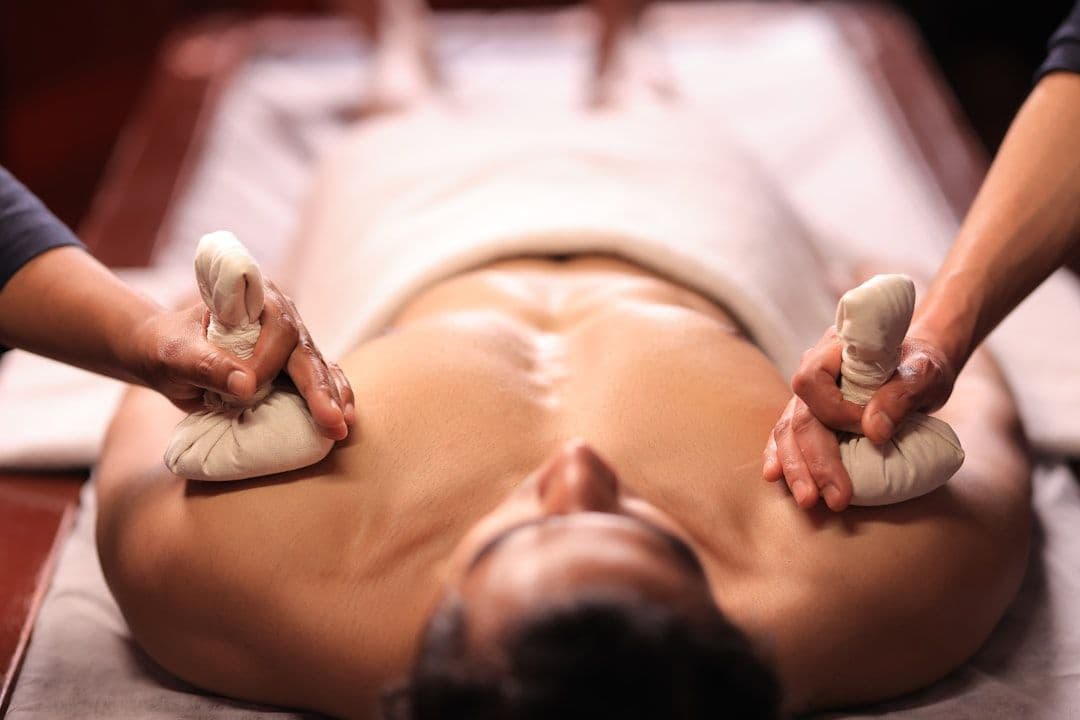
A deep tissue massage session uses slow, firm pressure to work through muscle tension layer by layer, leaving you feeling looser and more at ease.
Your therapist will ask about your health history, any injuries, and which areas feel tight or painful so they can tailor the session specifically to your body's needs.
You'll talk through your comfort level with pressure, since deep tissue work is firmer than a relaxation massage — your therapist wants to know your boundaries before touching a muscle.
You'll undress to your comfort level, lie on a padded massage table, and be draped with a sheet — only the area being worked on is ever uncovered at a time.
Your therapist begins with broader, lighter strokes to warm the surface muscles before gradually working deeper, helping your body ease into the firmer pressure to come.
Using slow, deliberate strokes with their hands, forearms, and sometimes elbows, your therapist works into the deeper muscle layers — you may feel a strong pressure or a releasing sensation as knots release.
Your therapist will pause periodically to ask how the pressure feels, since deep tissue work should feel intense but never sharp or unbearable — your feedback directly shapes the session.
Toward the end, your therapist uses gentler strokes to calm the nervous system and help your muscles settle, bringing the session to a gradual, grounded close.
Your therapist will suggest drinking plenty of water and resting for the remainder of the day, as some mild soreness over the next 24 to 48 hours is completely normal and typically fades on its own.
The Evidence
What research says about Deep Tissue Massage, where the evidence is strong, and where gaps remain.
Meaningful support for pain relief, with real methodological limits
Deep Tissue Massage has a reasonable body of research behind it, particularly for chronic muscle pain and lower back pain. Study quality varies, and some mechanisms are not yet fully understood, so findings should be interpreted with appropriate caution.
Multiple systematic reviews and clinical trials indicate Deep Tissue Massage can reduce pain and improve range of motion in musculoskeletal conditions. Results for chronic lower back and neck pain are among the most consistent findings. Evidence for sports recovery is emerging but not yet as robust.
A recurring challenge in massage research is controlling for placebo effects, as participants always know they received a massage. Study sizes are often small, methodologies differ widely, and some research has been funded by massage industry bodies. These factors limit how confidently findings can be generalised.
For chronic musculoskeletal pain, Deep Tissue Massage has shown results comparable to some standard physical therapy approaches in select trials. It is generally considered a complementary option rather than a standalone intervention, and works best alongside professional assessment and broader care planning.
Deep Tissue Massage is considered low risk for most healthy adults. Those with osteoporosis, blood clotting disorders, active inflammation, recent surgery, or undiagnosed pain should consult a qualified healthcare provider before proceeding. Always inform your practitioner of relevant health history.
Look for practitioners with recognised training in deep tissue or remedial massage. Licensing requirements vary by country, so check local professional standards. A good practitioner will take a health history, adjust pressure to your tolerance, and refer you onward if your needs fall outside their scope.
Unlike purely metaphysical or traditional system modalities, Deep Tissue Massage operates through physical mechanisms that can be studied and measured. Its Alternative classification reflects its position outside mainstream clinical pathways, not a lack of plausibility. It is best understood as a structured, evidence-informed bodywork practice.
Safety first
General guidance to help you decide whether this approach is appropriate for you. This is informational only and not a substitute for medical, psychological, or professional advice.
If you are pregnant, managing a health condition, recovering from injury or surgery, or taking medication, consult a qualified healthcare professional first.
Some situations call for extra care or a different approach. Share any conditions, injuries, or sensitivities with your practitioner before your first session.
Mild, short-lived effects such as tenderness, tiredness, or temporary soreness can occur. Rest, hydrate, and tell your practitioner how you respond.
Look for clear boundaries, transparent pricing, and practitioners who avoid fear-based claims or pressure to book frequent sessions.
For you?
A simple, human way to weigh it up. This is general guidance, not personal medical advice — a qualified practitioner can advise on your situation.
Gyfts is a discovery platform, not a medical provider. Nothing here diagnoses, treats or replaces professional care. In an emergency, contact your local emergency number.
Explore approaches
Other practices people often explore alongside deep tissue massage.
In their words
FAQ
Regular or Swedish massage uses lighter to moderate pressure primarily for relaxation, stress relief, and improving circulation. Deep Tissue Massage applies sustained, firmer pressure specifically targeting deeper muscle layers, fascia, and chronic tension patterns. It is more therapeutic and goal-oriented, whereas relaxation massage prioritizes comfort and ease. Deep Tissue may cause temporary soreness, while relaxation massage typically leaves you feeling only relaxed.
Response varies widely. Some people notice improvement after a single session—reduced stiffness, increased range of motion, or pain relief. Chronic tension often requires 4–6 sessions or more, spaced 1–2 weeks apart, to achieve lasting change. Your practitioner can assess your tissue response and recommend a treatment plan. Consistency matters; sporadic sessions are less effective than regular, ongoing care.
Deep Tissue Massage should feel intense but not acutely painful. You may experience mild discomfort or a sensation of pressure release, sometimes described as "good pain." If pain is sharp, unbearable, or concerning, tell your practitioner immediately—they will adjust pressure. Soreness after a session is common and usually resolves within 24–48 hours. Pain during or immediately after that concerns you warrants discussion with your practitioner or physician.
Results depend on your condition, lifestyle, activity level, and consistency of treatment. Some people experience relief lasting weeks after a single session; others maintain results only with regular maintenance sessions. Chronic conditions typically benefit from periodic care rather than a permanent one-time fix. Factors like posture, ergonomics, stress, and physical activity influence how long benefits persist. Your practitioner can advise on optimal frequency for your situation.
Many athletes use Deep Tissue Massage as part of recovery and training protocols. Regular sessions may help reduce muscle tension, improve mobility, and support faster recovery from intense training. Some evidence suggests it may help prevent injury by maintaining tissue quality. However, results vary, and massage works best as part of a comprehensive training, nutrition, and recovery plan. Discuss timing with your practitioner—sessions before events or heavy training days should be carefully scheduled.
Yes. People with acute injuries, active infections, severe osteoporosis, blood clotting disorders, recent surgery, or undiagnosed pain should consult a physician first. Those on blood thinners, with certain cancers, or pregnant should discuss safety with a healthcare provider. If you have anxiety or trauma responses triggered by firm touch, gentler modalities may be preferable. Always inform your practitioner of your full medical history.
Drink plenty of water to support tissue recovery and flush metabolic waste. Apply heat (warm bath, heating pad) if muscles feel stiff, or ice if inflammation is present. Rest the treated areas and avoid strenuous activity for 24 hours if possible. Mild soreness is normal and usually resolves quickly. If you experience persistent bruising, swelling, or worsening pain, contact your practitioner or healthcare provider.
Tension-related headaches that originate from neck and shoulder tension may improve with Deep Tissue Massage targeting those areas. Releasing muscular tightness in the neck, upper trapezius, and jaw can reduce tension-type headache frequency and intensity. However, migraines and other headache types have different mechanisms and may not respond as reliably. If your headaches are severe or have no clear muscular cause, consult a physician to rule out other conditions before relying on massage alone.
References
Educational sources that inform this overview. Inclusion is for context and does not imply endorsement.
Full citations are maintained by the Gyfts editorial team and reviewed periodically.
Keep exploring
Browse practitioners, explore honest overviews, and take what you learn to a conversation — at your own pace.