What it is
A flexible, plant-forward diet that still allows occasional meat or fish.
The Flexitarian Diet is a flexible, predominantly plant-based eating approach that allows occasional consumption of meat or fish while pr...

At a glance
What it is
A flexible, plant-forward diet that still allows occasional meat or fish.
Why explore it
May support heart health, weight, and blood sugar with more flexibility than full veganism.
How it’s experienced
You gradually eat more plants and less meat at your own pace — no strict rules required.
Evidence context
Research links plant-forward eating to lower diabetes and hypertension risk, though evidence is observational.
See the evidence snapshotSafety
Low risk for most adults, but those with anemia or pregnancy needs should consult a dietitian.
See staying safeHistory & Origin
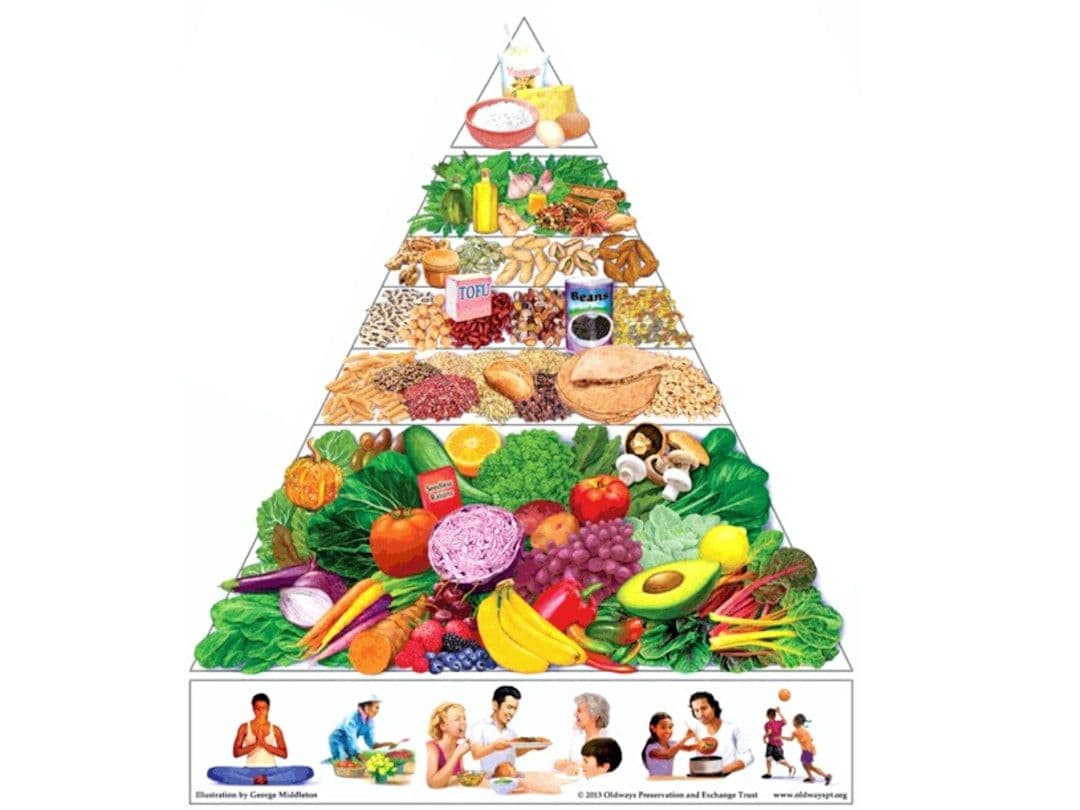
The Flexitarian Diet combines the benefits of a plant-based diet with occasional meat or fish consumption to promote health, sustainability, and flexibility in dietary choices.
The Flexitarian Diet was formally developed and popularized by registered dietitian nutritionist Dawn Jackson Blatner in 2009 with the publication of "The Flexitarian Diet: The Mostly Vegetarian Way to Lose Weight, Be Healthier, Live Longer." Blatner created this approach as a practical middle ground between the rigidity of strict vegetarianism and the typical Western omnivorous diet, recognizing that many people wanted to reduce their meat consumption for health and environmental reasons without completely eliminating animal products.
The concept emerged during the early 2000s as growing scientific evidence highlighted the health benefits of plant-based eating, coupled with increasing awareness of environmental and sustainability concerns related to animal agriculture. The term "flexitarian" itself—a blend of "flexible" and "vegetarian"—captured the essence of a more adaptable approach to plant-forward eating that could be sustained long-term by a broader population.
The diet gained traction as a response to both health trends and global sustainability movements. Unlike strict vegetarian or vegan diets, the Flexitarian approach acknowledged that dietary change could be incremental and flexible, making it accessible to people at varying stages of commitment to plant-based eating. The approach aligns with dietary guidelines from major health organizations, including the American Heart Association and Academy of Nutrition and Dietetics, which emphasize increased plant food consumption and reduced saturated fat intake.
Since its introduction, the Flexitarian Diet has become one of the most popular flexible dietary approaches globally, with numerous scientific studies examining its effects on weight management, chronic disease prevention, and environmental impact. It represents a shift in nutrition thinking toward pragmatic, sustainable eating patterns rather than all-or-nothing dietary philosophies.
Mechanism
Flexitarian Diet is usually understood through daily choices, patterns, and gradual behavior change rather than a single session effect. Practitioners may focus on food quality, timing, preparation, symptoms, preferences, culture, and sustainability. Some approaches are tradition-based, while others draw on nutrition science or clinical guidelines. Recommendations should be individualized, especially when medical conditions, pregnancy, medications, or restrictive eating patterns are involved. The Flexitarian Diet operates on a flexible, rather than rigid, plant-forward structure.
Your first visit
A typical session outline to help you feel prepared
Your session with a dietitian guides you through building a flexible, mostly plant-based eating style that fits your real life, one practical step at a time.
Your dietitian greets you and reviews any forms you completed beforehand, including your health history, food preferences, and current eating habits. This helps set a comfortable, judgment-free tone from the start.
You'll walk through a typical day of eating together, discussing how often you currently eat meat, which vegetables and proteins you enjoy, and any dietary restrictions or cultural food preferences. T
Your dietitian helps you define what flexitarian means for you personally, whether that's going meat-free three days a week or simply shrinking portion sizes of animal products. There's no single righ
You'll explore practical plant-based protein sources like lentils, chickpeas, tofu, and tempeh, learning which ones fit your taste and schedule. Your dietitian addresses common concerns like getting e
Together you'll sketch out a sample week of meals that blend familiar favorites with new plant-forward ideas. This hands-on practice helps you see how small, gradual swaps can feel satisfying rather than restrictive.
Your dietitian shares tips for navigating the grocery store, spotting hidden animal-derived ingredients, and choosing budget-friendly whole foods. You'll leave with a sense of confidence about shoppin
The session closes with open time for any lingering questions about recipes, dining out, or social situations involving food. Your dietitian summarizes the key takeaways and outlines what to focus on
You'll agree on a follow-up schedule, which might include a check-in call or a second session in a few weeks, so you have a steady source of encouragement as you settle into your flexitarian rhythm.
The Evidence
What research says about plant-forward eating with occasional animal products, and where the evidence is strong or still developing.
Strong plant-based research, with flexitarian-specific data still growing
Plant-forward diets are well-studied, with consistent associations to better weight, cardiovascular, and metabolic outcomes. Evidence specific to flexitarian patterns is more limited than for strict vegetarian diets, but the overlap is substantial.
Multiple large studies link plant-forward diets to lower body mass index, improved cholesterol profiles, better blood pressure, and reduced cardiovascular risk. Most of this research examines vegetarian or vegan populations rather than flexitarians specifically, so direct evidence for this pattern is more limited. The shared dietary principles mean findings are broadly applicable, but with some caution.
Because flexitarianism allows variable animal product intake, it is harder to study consistently. Most supporting evidence is extrapolated from vegetarian research. Long-term randomised trials focused specifically on flexitarian patterns are limited. This does not mean the approach is ineffective, but it does mean outcome claims should be interpreted with appropriate caution.
The Flexitarian Diet is designed to be sustainable over time, reducing barriers that often lead to abandonment of stricter dietary approaches. Its flexibility supports social participation, cultural food practices, and personal preference. Research suggests that dietary patterns people can maintain long-term tend to produce better outcomes than short-term restrictive regimes.
Unlike elimination-based diets, the flexitarian approach allows individuals to reduce meat consumption at their own pace. This makes it accessible across different cultural contexts and household situations. Evidence from behaviour change research suggests that gradual, flexible transitions are more likely to result in lasting dietary shifts than abrupt restrictions.
Pregnant and breastfeeding individuals, children, and those with conditions affecting nutrient absorption should seek guidance from a registered dietitian before adopting this pattern. Plant-based iron is less readily absorbed than animal-sourced iron, which is relevant for those at risk of deficiency. For most healthy adults, the diet is considered safe and nutritionally adequate with reasonable planning.
While the Flexitarian Diet does not require professional supervision for most healthy adults, those with specific health conditions, nutrient concerns, or a history of disordered eating benefit from working with a qualified dietitian. A professional can help ensure nutritional adequacy, monitor relevant health markers, and adapt the approach over time. This is not a substitute for professional assessment where health conditions are present.
Safety first
General guidance to help you decide whether this approach is appropriate for you. This is informational only and not a substitute for medical, psychological, or professional advice.
If you are pregnant, managing a health condition, recovering from injury or surgery, or taking medication, consult a qualified healthcare professional first.
Some situations call for extra care or a different approach. Share any conditions, injuries, or sensitivities with your practitioner before your first session.
Look for clear boundaries, transparent pricing, and practitioners who avoid fear-based claims or pressure to book frequent sessions.
Mild, short-lived effects such as tenderness, tiredness, or temporary soreness can occur. Rest, hydrate, and tell your practitioner how you respond.
For you?
A simple, human way to weigh it up. This is general guidance, not personal medical advice — a qualified practitioner can advise on your situation.
Gyfts is a discovery platform, not a medical provider. Nothing here diagnoses, treats or replaces professional care. In an emergency, contact your local emergency number.
Explore approaches
Other practices people often explore alongside flexitarian diet.
In their words
FAQ
The Flexitarian Diet doesn't have rigid rules—it's flexible by design. Typical approaches involve eating meat or fish 0-2 times per week, with some people enjoying it several times weekly. The focus is on making plant foods the foundation of most meals and reducing overall animal product consumption compared to typical Western diets. A registered dietitian can help you determine an appropriate level based on your health goals.
Yes, protein adequacy is absolutely achievable on a Flexitarian Diet. Plant-based protein sources include legumes (beans, lentils, chickpeas), tofu, tempeh, seitan, nuts, seeds, whole grains, and plant-based meat alternatives. Combining different plant proteins throughout the day ensures adequate essential amino acids. Most research shows that flexitarians consuming moderate amounts of animal products easily meet protein requirements. A dietitian can help ensure you're meeting your individual protein needs based on your activity level and health goals.
Individual timelines vary significantly. Many people notice improved energy levels and digestion within 2-4 weeks as they transition to more plant foods. Weight loss, if that's a goal, typically becomes noticeable within 4-8 weeks with consistent adherence, though this depends on starting point and overall calorie intake. Health markers like cholesterol and blood sugar often improve within 3-6 months of consistent dietary changes. Long-term benefits, including disease prevention, develop over months and years of sustained dietary patterns.
Absolutely. The flexibility of a Flexitarian Diet makes it very restaurant-friendly. You can choose vegetable-based dishes, request modifications to add extra vegetables or legumes, select fish or lean meat options when desired, and adapt meals to available options. Many restaurants now offer plant-based dishes explicitly, and most cuisines have naturally vegetarian options. The approach is pragmatic about real-world eating situations, so you're not restricted to specific restaurants or meal types.
For most flexitarians eating meat or fish at least occasionally, supplements may not be necessary. However, if you eat animal products infrequently, vitamin B12 supplementation or regular consumption of fortified foods is recommended, as B12 is primarily available from animal sources. Depending on your individual assessment, your dietitian may recommend supplementation for vitamin D, omega-3 fatty acids, iron, or calcium based on your dietary patterns and blood work. Regular monitoring helps identify any individual needs.
The Flexitarian Diet can be effective for weight loss for many people, primarily because plant-based foods are generally less calorie-dense than animal products and often higher in fiber, promoting satiety. Weight loss results depend on overall calorie intake, not just dietary composition. Some research shows flexitarians tend to have lower body weights than omnivores, though results vary. Sustainable weight loss typically occurs when the dietary approach is maintainable long-term, which the flexibility of a Flexitarian Diet often supports.
Children can follow a Flexitarian Diet with proper planning. Because children have higher nutrient needs for growth and development, it's important to work with a registered dietitian to ensure adequate protein, iron, calcium, omega-3 fatty acids, and other nutrients. Children should be offered a variety of plant and animal foods, encouraged to participate in meal planning, and not pressured toward specific dietary patterns. Professional guidance helps ensure nutritional adequacy while teaching children healthy, flexible eating habits.
A Flexitarian Diet reduces environmental impact compared to typical Western diets high in animal products. Animal agriculture, particularly beef and dairy production, requires significant resources (water, land, feed) and generates substantial greenhouse gas emissions. By reducing meat consumption and emphasizing plant foods, flexitarians decrease their carbon footprint, water usage, and land use. Research suggests even modest reductions in animal product consumption provide meaningful environmental benefits. The exact impact depends on specific food choices and sourcing practices.
References
Educational sources that inform this overview. Inclusion is for context and does not imply endorsement.
Full citations are maintained by the Gyfts editorial team and reviewed periodically.
Keep exploring
Browse practitioners, explore honest overviews, and take what you learn to a conversation — at your own pace.