What it is
Microcurrent therapy uses tiny electrical signals to support healing at the cellular level.
Microcurrent Therapy uses very low-level electrical currents (measured in microamperes) applied to the body to promote tissue healing, re...
At a glance
What it is
Microcurrent therapy uses tiny electrical signals to support healing at the cellular level.
Why explore it
It may help ease pain, speed muscle recovery, and support wound healing across many conditions.
How it’s experienced
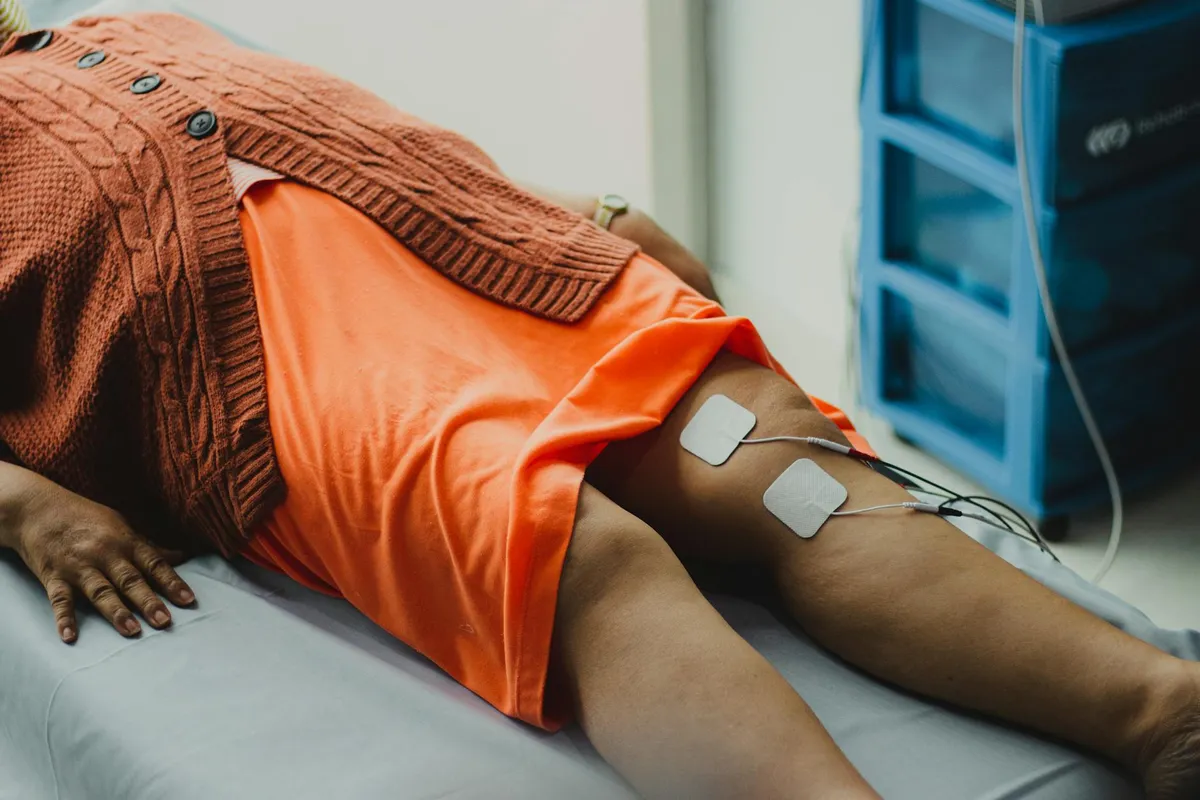
Electrode pads deliver gentle, unfelt currents to your skin during a 20 to 60 minute session.
Evidence context
Some studies show promise for pain and wounds, but larger trials are still needed to confirm results.
See the evidence snapshotSafety
Generally safe, but avoid it if you have a pacemaker or are pregnant, and always check with your provider.
See staying safeHistory & Origin
Microcurrent Therapy involves the use of low-level electrical currents for therapeutic purposes.
Microcurrent Therapy emerged from broader research into electrical stimulation for medical purposes, with roots tracing back to the 1980s and 1990s when researchers began exploring how extremely low-level currents—measured in millionths of an ampere—could influence cellular function differently than traditional electrical stimulation. Unlike TENS (Transcutaneous Electrical Nerve Stimulation) units that work primarily through gate control theory, microcurrent was developed with the hypothesis that it could directly enhance cellular energy production by stimulating ATP (adenosine triphosphate) synthesis in mitochondria.
Early pioneers in the field, including Dr. Albert Liboff and researchers at various sports medicine institutions, began documenting observations of accelerated healing in athletes and patients with chronic pain conditions. The technology gained particular traction in sports medicine, physical therapy, and aesthetic practices throughout the 1990s and 2000s, with devices becoming increasingly refined and standardized. The modality was embraced especially in athletic training settings where rapid recovery was valued.
Microcurrent therapy spread internationally through professional training programs, clinical adoption in physical therapy clinics, and integration into aesthetic and wellness practices. While it remains most established in sports medicine and rehabilitation settings, its use has expanded to include pain management clinics, dermatology practices, and complementary health environments. The technology continues to evolve with newer devices incorporating frequencies and protocols based on ongoing research into cellular bioelectrics.
Mechanism
Microcurrent Therapy is generally framed as a guided process for attention, reflection, learning, and emotional integration. Depending on the method, a practitioner may use conversation, imagery, structured exercises, body awareness, or therapeutic techniques to help the person explore patterns and choices. It should not be presented as a standalone solution or a substitute for urgent care, but it may support self-understanding when practiced within an appropriate scope. Microcurrent therapy delivers electrical currents in the microampere range (millionths of an ampere)—below the threshold of sensory perception—directly to affected tissues.
Your first visit
A typical session outline to help you feel prepared
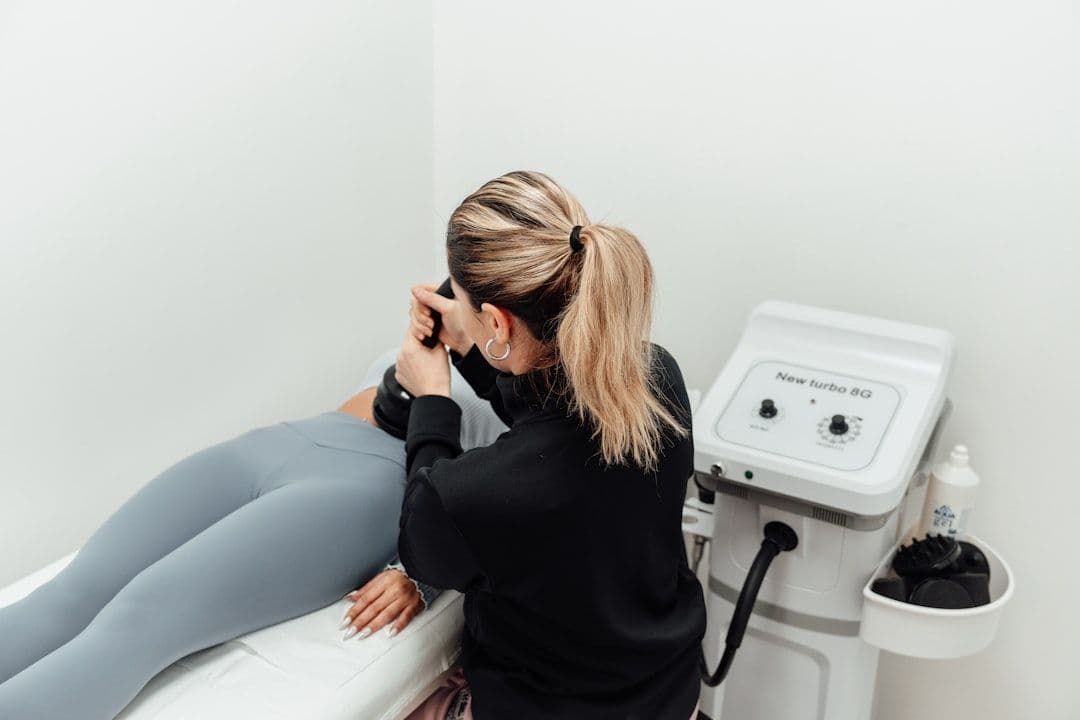
A microcurrent session is a calm, hands-on experience where gentle electrical currents are applied to your body through small probes or pads — most people find it deeply relaxing.
Your practitioner reviews your health history, current concerns, and goals for care. This helps them choose the right frequencies and placement sites for your session.
Small adhesive pads or handheld probes are positioned on or near the area being addressed — often along muscles, joints, or nerve pathways. No needles are involved, and nothing pierces the skin.
The practitioner dials in specific microcurrent frequencies on the device based on your condition. Different frequencies are thought to support different tissues, so this step is personalized to you.
The device is switched on and delivers electrical current far below what you can normally feel — roughly 1000 times weaker than a TENS unit. Most people notice only a faint warmth, mild tingle, or nothing at all.
You rest quietly while the current runs, typically for 20 to 60 minutes depending on the area being addressed. Some people feel muscles subtly soften or a gentle sense of ease spread through the treated area.
Your practitioner may move the pads or probes to new sites partway through to address additional areas or layer in different frequencies. They will check in with you about any sensations you notice.
The device is turned off, pads are removed, and your skin is checked. Your practitioner may note any responses you had and record observations for your next visit.
You will be encouraged to drink plenty of water, as some people feel mild fatigue afterward while the body continues responding. Your practitioner will discuss session frequency and what to watch for between visits.
The Evidence
What the research shows, where the gaps are, and how to use this information to make informed decisions about microcurrent therapy.
Promising signals, but research quality remains inconsistent
Microcurrent therapy has a growing body of research across pain, tissue healing, and rehabilitation, but many studies are small, methodologically variable, and lack standardised protocols. Positive findings exist, though strong conclusions are not yet supported by the evidence base.
Studies have reported benefits for pain reduction, muscle recovery, and wound healing—particularly in sports medicine and post-surgical contexts. However, many trials involve small sample sizes, inconsistent device protocols, and limited blinding. High-quality randomised controlled trials are lacking, making it difficult to draw firm conclusions about effectiveness across conditions.
The strongest observational and clinical evidence comes from acute injury recovery, athletic rehabilitation, and post-surgical tissue repair. Aesthetic applications such as facial toning have a smaller and less rigorous evidence base. Research into neuropathic pain and fibromyalgia is emerging but remains early-stage.
As a complementary modality, microcurrent is most commonly integrated with physiotherapy, rehabilitation programmes, or medical management rather than used as a standalone intervention. It is not a substitute for professional assessment of pain, injury, or underlying conditions. Practitioners and clients should maintain realistic expectations based on current evidence.
The proposed mechanism—that microcurrent stimulates ATP production in mitochondria—has some cellular-level support but remains incompletely proven. Device types, frequencies, and application methods differ significantly between studies, making comparisons difficult. Much of the positive evidence is observational or anecdotal rather than from rigorously controlled trials.
Microcurrent is contraindicated for people with active implanted devices such as pacemakers or neurostimulators, during pregnancy (particularly over the abdomen or pelvis), and over areas with undiagnosed pain, acute infection, or open wounds. People with epilepsy, cardiovascular conditions, sensory neuropathy, or active cancer should consult their healthcare provider before use.
Microcurrent is delivered by physiotherapists, sports medicine practitioners, and trained aesthetic therapists, as well as via consumer home devices. Practitioner training and device quality vary considerably. If you are managing a health condition, seek a practitioner with relevant clinical training and inform your primary healthcare provider that you are using or considering this therapy.
Safety first
General guidance to help you decide whether this approach is appropriate for you. This is informational only and not a substitute for medical, psychological, or professional advice.
If you are pregnant, managing a health condition, recovering from injury or surgery, or taking medication, consult a qualified healthcare professional first.
Some situations call for extra care or a different approach. Share any conditions, injuries, or sensitivities with your practitioner before your first session.
Look for clear boundaries, transparent pricing, and practitioners who avoid fear-based claims or pressure to book frequent sessions.
Mild, short-lived effects such as tenderness, tiredness, or temporary soreness can occur. Rest, hydrate, and tell your practitioner how you respond.
For you?
A simple, human way to weigh it up. This is general guidance, not personal medical advice — a qualified practitioner can advise on your situation.
Gyfts is a discovery platform, not a medical provider. Nothing here diagnoses, treats or replaces professional care. In an emergency, contact your local emergency number.
Explore approaches
Other practices people often explore alongside microcurrent therapy.
In their words
FAQ
Most people report feeling very little sensation—perhaps a gentle tingling, mild warmth, or no feeling at all. This is normal; the current is so subtle that many patients question whether anything is happening. The lack of strong sensation does not mean the therapy is ineffective. Some people feel relaxed or drowsy during treatment.
This depends on your condition, its duration, and your individual response. Acute injuries may improve in 5–10 sessions, while chronic conditions often require 12–20+ sessions. Most practitioners recommend starting with 2–3 sessions per week, then reassessing progress. A typical initial commitment is 4–8 weeks. Your practitioner will discuss a personalized plan during your first visit.
Some portable microcurrent devices are available for home use, but they require proper training and guidance. Professional-grade equipment used in clinical settings is typically more powerful and precisely calibrated. If considering home use, consult with your practitioner about device selection, proper technique, and safety protocols.
Microcurrent is considered very safe with minimal side effects. Some people experience mild temporary redness at electrode sites, slight tingling, or mild fatigue, which typically resolves quickly. Serious side effects are rare when contraindications are properly screened and the device is used correctly.
While both use electrical current, they operate very differently. TENS (Transcutaneous Electrical Nerve Stimulation) uses higher currents and works primarily through 'gate control'—blocking pain signals. Microcurrent uses much lower currents and theoretically works at the cellular level, stimulating ATP production and promoting tissue healing. TENS is primarily for pain control; microcurrent aims for tissue restoration.
Microcurrent may help manage arthritis pain and support joint function, though individual responses vary. Some research suggests it can reduce inflammation and promote cartilage health, but it is not a cure. It works best as part of a comprehensive approach including physical therapy, movement, and medical management. Discuss with your healthcare provider how it fits into your arthritis care plan.
This depends on the type and location of the implant. Generally, non-electronic implants (like surgical steel pins) are considered less problematic than electronic devices. However, this is an important safety question—always disclose all implants to your practitioner and consult your physician before treatment. Some devices and protocols are specifically designed to be safe with certain implants.
Timeline varies significantly. Some people notice improvement in pain or function within 1–3 sessions, while others require 4–8 weeks of consistent treatment. Acute conditions typically show faster results than chronic ones. Results also depend on your condition's severity, your overall health, and your body's natural healing capacity. Your practitioner can give you more realistic expectations during your initial consultation.
References
Educational sources that inform this overview. Inclusion is for context and does not imply endorsement.
Full citations are maintained by the Gyfts editorial team and reviewed periodically.
Keep exploring
Browse practitioners, explore honest overviews, and take what you learn to a conversation — at your own pace.