What it is
Hands-on therapy using slow, sustained pressure to release muscle and fascial tension.
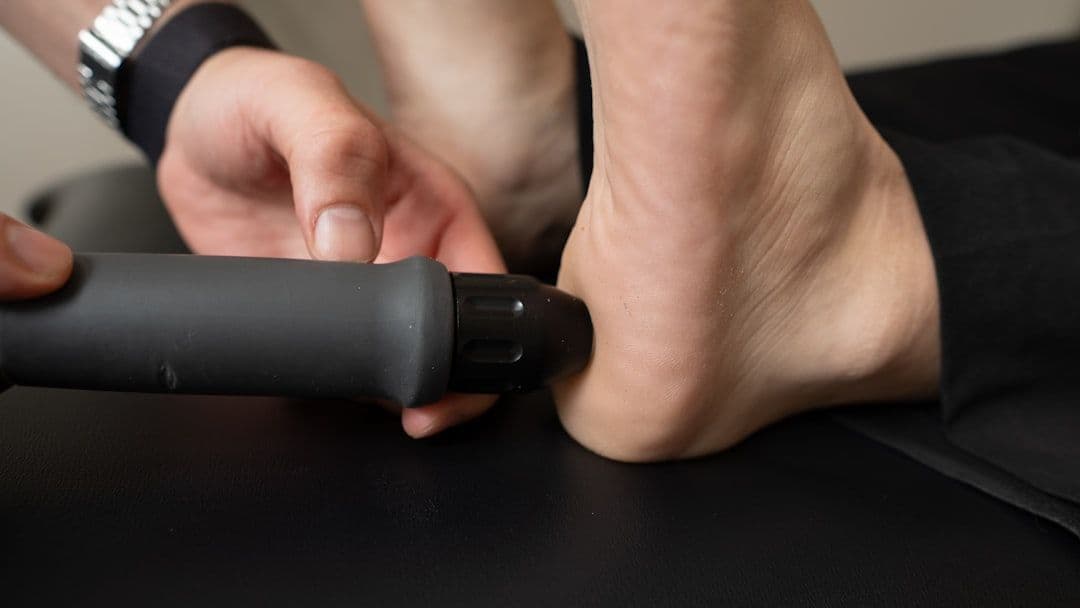
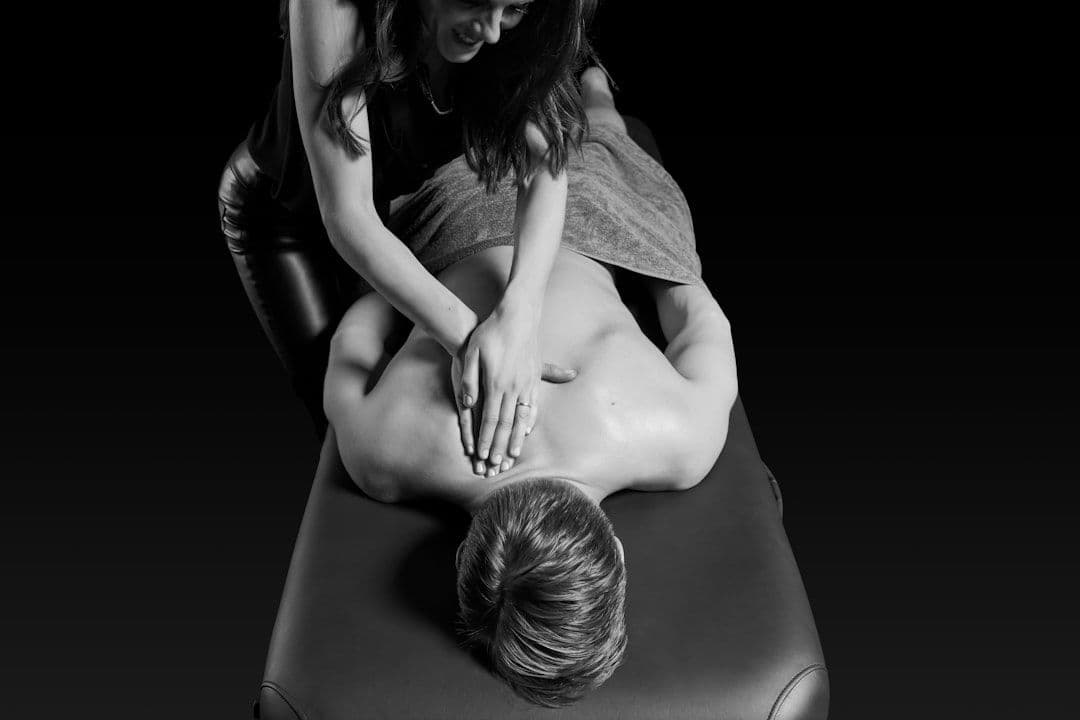
Myofascial Release is a hands-on therapeutic technique that applies sustained pressure to areas of muscle and fascia to release tension a...
At a glance
What it is
Hands-on therapy using slow, sustained pressure to release muscle and fascial tension.
Why explore it
May ease chronic tightness, restricted mobility, tension headaches, and post-injury discomfort.
How it’s experienced
A therapist applies gentle, sustained pressure until you feel tension soften and release.
Evidence context
Moderate evidence supports pain and mobility benefits, though results vary by person and technique.
See the evidence snapshotSafety
Low-risk with a qualified therapist, but check with your doctor if pregnant or have health concerns.
See staying safeHistory & Origin
Myofascial Release targets restrictions in the fascia to alleviate pain, restore movement, and improve overall function.
Myofascial Release emerged as a formal therapeutic discipline in the 1980s, though manual approaches to treating muscle and connective tissue restrictions date back centuries across various bodywork traditions. Dr. Robert Schleip, a German biochemist and fascia researcher, and American physical therapist John F. Barnes are among the key figures who advanced the scientific understanding of fascia and systematized myofascial release techniques. Barnes developed an approach emphasizing sustained, gentle pressure applied over several minutes to allow the fascia to soften and release, which differed from earlier, more aggressive soft tissue manipulation methods.
The growing field of fascia research has provided increasing scientific context for these practices. Studies beginning in the early 2000s revealed that fascia is not merely passive wrapping around muscles, but a dynamic, interconnected system with its own nerve and sensory function. This discovery lent credibility to the notion that restrictions in fascia could contribute to pain and movement dysfunction. As research expanded, myofascial release gained recognition within both complementary health and mainstream rehabilitation settings, with physical therapists, massage practitioners, and other bodyworkers incorporating it into their practices.
Today, myofascial release exists on a spectrum from light, sustained pressure techniques to more intensive manual therapy approaches, and includes self-care tools like foam rollers and massage balls. The modality has spread globally and is integrated into sports medicine, physical rehabilitation, and wellness practices, though debates continue about which techniques are most effective and for which conditions.
Top symptoms
Mechanism
Myofascial Release is generally described as working through skilled touch, careful pacing, and the body's response to pressure, movement, warmth, or stillness. Practitioners may focus on muscle tone, joint comfort, circulation, breath, or relaxation depending on the method. Traditional explanations may also include energy flow or whole-person balance. Research support varies by modality, so the experience is best framed as supportive care with outcomes that vary. Myofascial Release applies sustained pressure and manual techniques to areas of fascial restriction, aiming to release adhesions and restore hydration within the connective tissue matrix.
Your first visit
A typical session outline to help you feel prepared
A Myofascial Release session uses slow, sustained hands-on pressure to ease tension in the connective tissue throughout your body, often leaving you feeling noticeably lighter and more free in your movement.
Your practitioner begins by asking about your health history, areas of discomfort, and what you hope to get from the session. This helps them understand your body's patterns and tailor the work specifically to you.
You'll stand while your practitioner observes how you hold your body, noting areas of restriction, asymmetry, or guarding. This visual read of your fascia helps map where the session will focus.
Myofascial Release is done fully clothed, so wear comfortable, form-fitting clothes like leggings or a fitted tee. You'll lie on a padded table and your practitioner will check in about pressure prefe
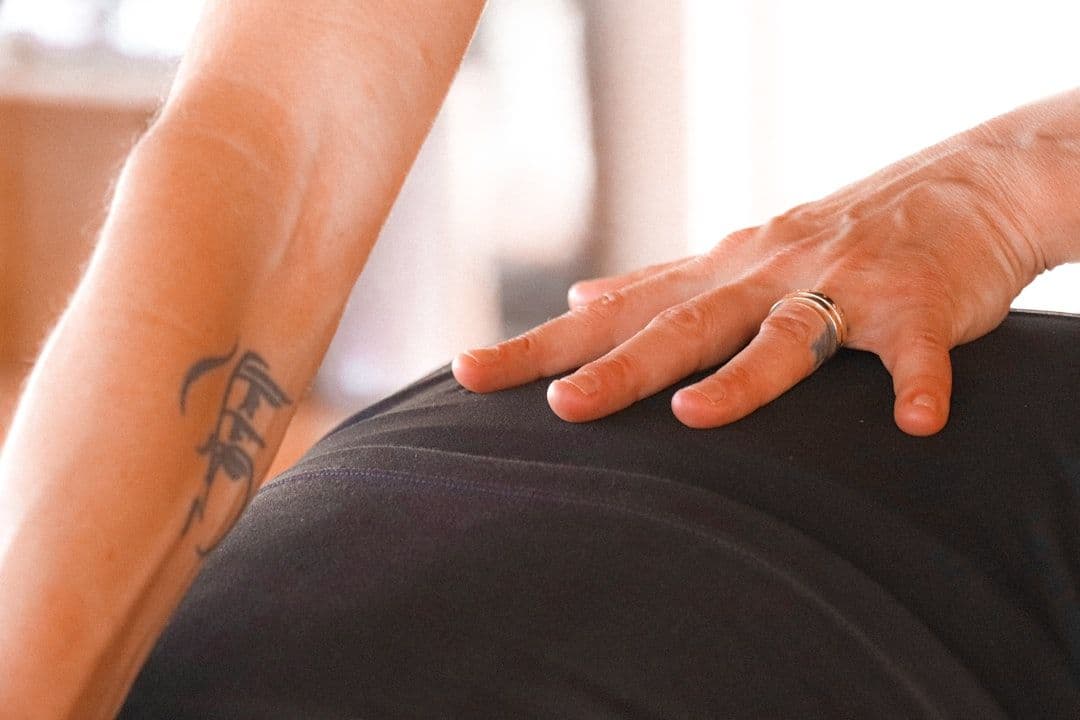
Your practitioner places their hands gently on your body and waits, feeling for subtle areas where the tissue feels dense, stuck, or resistant. This slow sensing is unique to MFR and may feel unusuall
Once a restriction is found, your practitioner applies a slow, steady, gentle pressure and simply holds it, waiting up to five minutes for the fascia to soften and release. You may feel warmth, a gent
As your fascia releases, your practitioner follows the subtle movement of your body, which may shift or sway slightly on the table. You might notice emotions, memories, or unexpected sensations surfac
Toward the end of the session, the work becomes quieter and more integrative, giving your nervous system time to settle. Your practitioner will gently let you know the session is closing and give you
You'll likely be encouraged to drink water and rest if possible, as your body continues to integrate the release for hours afterward. Your practitioner may suggest stretches, frequency of sessions, or
The Evidence
What research says about myofascial release, where the evidence is strong, and where important gaps remain.
Promising for pain and mobility, with meaningful research gaps
Myofascial release shows moderate support for reducing musculoskeletal pain and improving movement, particularly in chronic conditions. Study quality varies, and the diversity of techniques grouped under this term makes firm conclusions difficult.
Studies over the past 15 years show consistent but modest benefits for chronic pain, restricted mobility, and conditions like neck pain and lower back pain. Many trials are small and lack strong control groups, limiting how confidently findings can be generalised. The overall signal is positive, but not yet definitive.
The term myofascial release covers a wide range of techniques, from gentle sustained pressure to more vigorous mobilisation. This heterogeneity complicates comparisons between studies. Many trials also combine myofascial release with other interventions, making it difficult to isolate its specific contribution to outcomes.
Myofascial release is frequently delivered by physiotherapists and osteopaths within conventional rehabilitation settings, as well as by specialist bodywork practitioners. It is best understood as a complementary option that sits alongside, rather than outside, standard care pathways. Growing fascia research is gradually building a scientific foundation for its mechanisms.
Conditions involving persistent muscle tension, restricted range of motion, and soft tissue dysfunction show the most consistent response in available studies. Evidence for conditions like fibromyalgia and plantar fasciitis is emerging but less robust. Myofascial release is generally used as part of a broader rehabilitation or wellness approach.
It should be avoided over open wounds, active infections, unhealed surgical sites, or acute fractures. People who are pregnant, have active cancer, or take blood thinners should consult a healthcare provider before starting. Pressure should never be acutely painful — discomfort during a session may indicate the approach is too aggressive.
Look for practitioners trained in recognised MFR approaches such as the John F. Barnes method or equivalent physiotherapy and osteopathy programmes. Sessions typically involve sustained, low-load pressure held for 90 seconds or more — quite different from general massage — so asking a prospective practitioner about their specific MFR training and session structure helps set accurate expectations. If you have a complex or unresolved condition, coordinate with your primary healthcare provider.
Safety first
General guidance to help you decide whether this approach is appropriate for you. This is informational only and not a substitute for medical, psychological, or professional advice.
If you are pregnant, managing a health condition, recovering from injury or surgery, or taking medication, consult a qualified healthcare professional first.
Some situations call for extra care or a different approach. Share any conditions, injuries, or sensitivities with your practitioner before your first session.
Look for clear boundaries, transparent pricing, and practitioners who avoid fear-based claims or pressure to book frequent sessions.
Mild, short-lived effects such as tenderness, tiredness, or temporary soreness can occur. Rest, hydrate, and tell your practitioner how you respond.
For you?
A simple, human way to weigh it up. This is general guidance, not personal medical advice — a qualified practitioner can advise on your situation.
Gyfts is a discovery platform, not a medical provider. Nothing here diagnoses, treats or replaces professional care. In an emergency, contact your local emergency number.
Explore approaches
Other practices people often explore alongside myofascial release.
In their words
FAQ
While both involve hands-on manipulation of soft tissue, myofascial release focuses specifically on the fascia—the connective tissue surrounding muscles—using sustained pressure and longer holding times to release restrictions. Traditional massage typically involves more movement, kneading, and shorter contact durations, and may address muscle tension more broadly. Myofascial release is more static and sustained, aiming to allow tissue to gradually release rather than to flush or manipulate it mechanically.
The number of sessions varies widely depending on your condition, how long restrictions have been present, and how your body responds. Some people experience noticeable improvement after one or two sessions, while others benefit from weekly sessions over several weeks or months. A typical initial course might be 4-8 sessions, after which you and your practitioner can reassess progress and decide on next steps. Some people continue with occasional maintenance sessions for ongoing support.
Myofascial release should not cause sharp or acute pain. You may feel a deep, firm pressure or mild discomfort as tight tissue releases, but this should feel productive rather than harmful. If pain occurs, inform your practitioner immediately—they can adjust pressure or technique. The sensation is often described as a deep ache or gentle stretch that feels relieving rather than painful.
Many people feel relaxed, lighter, or experience improved mobility immediately after a session. Some people feel mild soreness in treated areas for a day or two, similar to the soreness after gentle exercise. Increased body awareness or transient tingling sensations may occur as the nervous system integrates the release. Drinking plenty of water and moving gently in the days following treatment can support recovery.
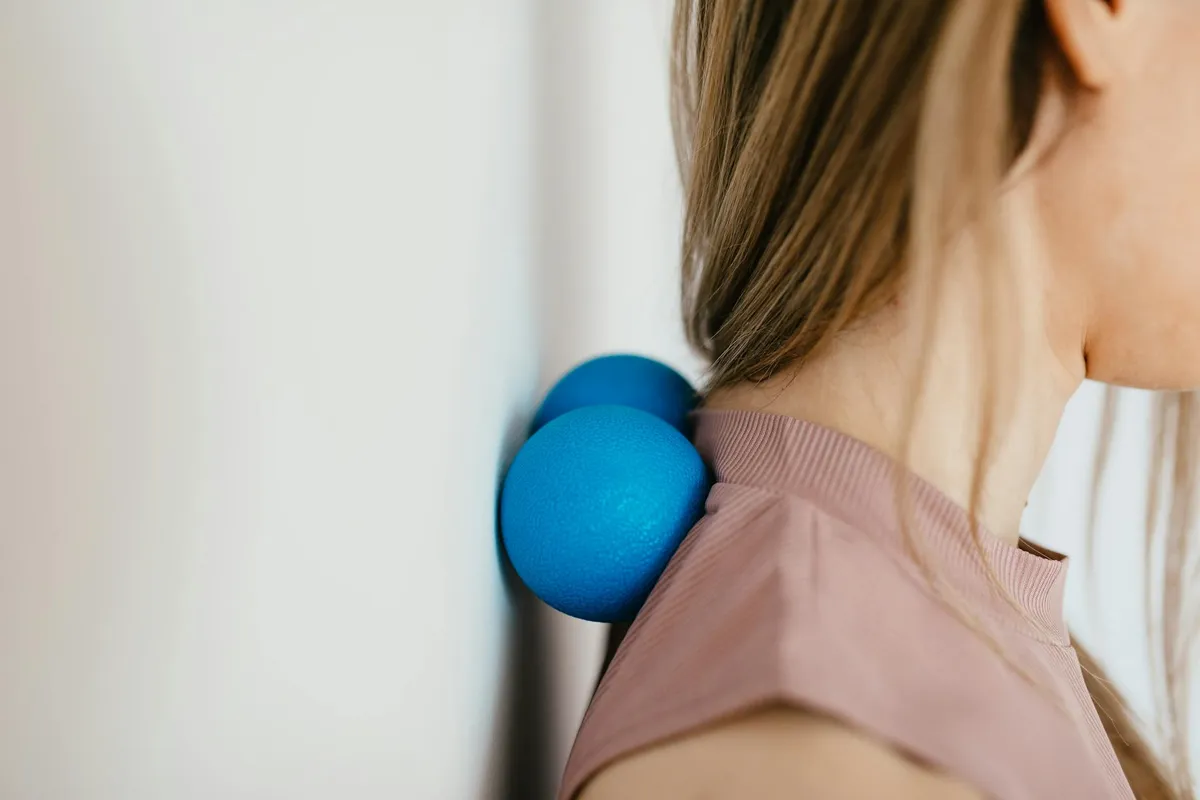
Yes, self-myofascial release using tools such as foam rollers, massage balls, and massage sticks is common and can be helpful for maintaining mobility between professional sessions. However, self-treatment has limitations—you cannot easily access all areas of your body, and without professional guidance, you may apply excessive force or miss underlying issues. Professional sessions offer assessment, personalized technique, and the benefit of a trained practitioner's hands and expertise.
Research on myofascial release is growing, with studies showing potential benefits for pain reduction, improved flexibility, and enhanced movement in various conditions. However, the evidence base is still developing, and many studies involve small sample sizes or lack rigorous controls. Fascia research has advanced significantly and supports the concept that fascia is a dynamic, responsive tissue, but more high-quality studies are needed to definitively establish which techniques work best for specific conditions.
People with acute infections, open wounds, severe inflammation, unhealed surgical sites, or acute fractures should avoid myofascial release. Those with conditions affecting skin integrity, uncontrolled bleeding disorders, severe osteoporosis, or active cancer should consult their doctor first. Pregnant people should seek practitioners experienced in prenatal care, as some techniques may need modification.
References
Educational sources that inform this overview. Inclusion is for context and does not imply endorsement.
Full citations are maintained by the Gyfts editorial team and reviewed periodically.
Keep exploring
Browse practitioners, explore honest overviews, and take what you learn to a conversation — at your own pace.