What it is
An Amazon tradition weaving plants, ceremony, and spirit to heal body, heart, and community.
Amazonian Health utilizes indigenous healing practices and botanical knowledge from the Amazon rainforest, incorporating medicinal plants...
At a glance
What it is
An Amazon tradition weaving plants, ceremony, and spirit to heal body, heart, and community.
Why explore it
Offers deep self-inquiry for chronic pain, anxiety, or feeling stuck — rooted in centuries of forest wisdom.
How it’s experienced
Guided by a curandero, expect ceremonies, plant protocols, dieta discipline, and thoughtful integration work.
Evidence context
Research is early-stage; ayahuasca shows promise for depression, but most evidence remains experiential and traditional.
See the evidence snapshotSafety
Screen carefully — MAOI interactions, SSRIs, pregnancy, and psychosis history all require serious attention before proceeding.
See staying safeHistory & Origin
Amazonian Health draws on indigenous practices and botanical knowledge from the Amazon for healing and wellness.
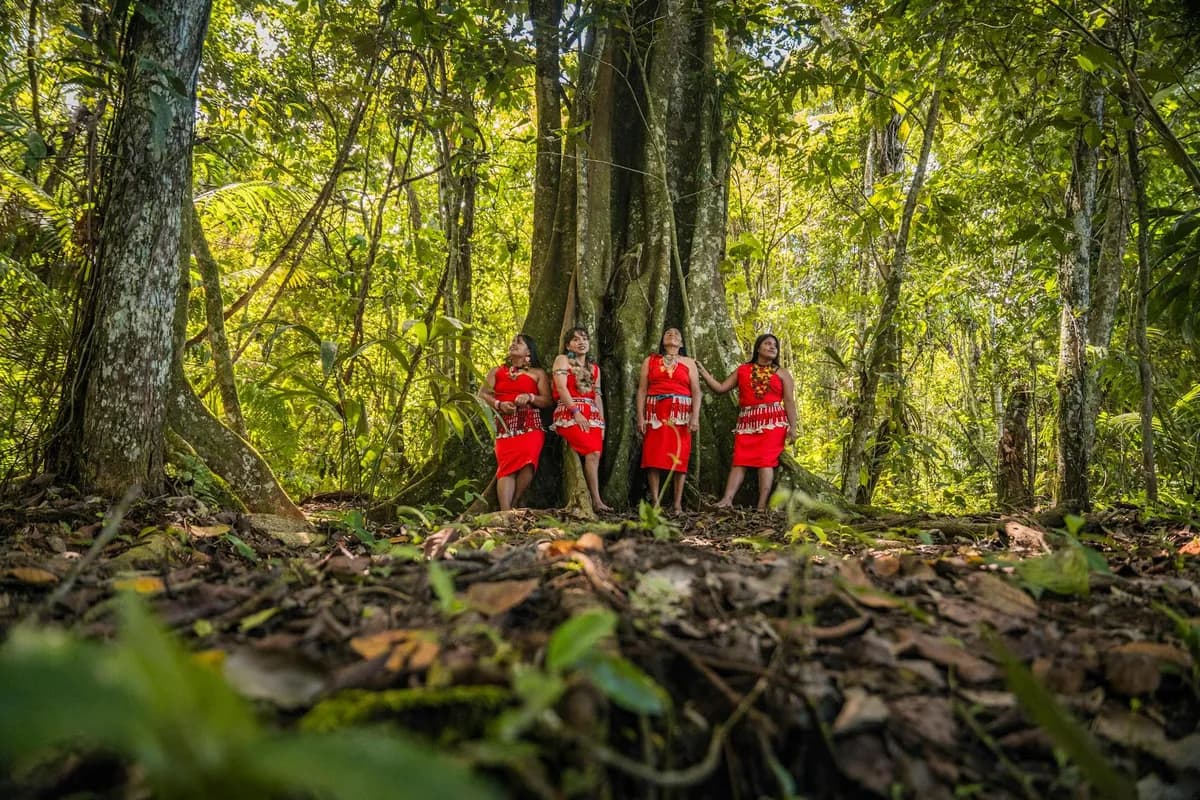
Amazonian Health practices have been developed over thousands of years by indigenous tribes throughout the Amazon basin, including the Shipibo, Ashuar, Kayapo, and hundreds of other ethnic groups. These communities have maintained an intricate understanding of the rainforest's medicinal properties, developing sophisticated healing systems that integrate plant medicines, spiritual practices, and community rituals. Traditional healers, known as curanderos, shamans, or medicine people, undergo extensive training that can span decades, learning to work with hundreds of medicinal plants and complex ceremonial protocols.
The knowledge transmission traditionally occurred through oral tradition, apprenticeships, and direct spiritual guidance, with each tribe developing unique approaches while sharing certain fundamental principles about the interconnectedness of physical and spiritual health. Spanish colonization and missionary activities significantly disrupted these practices, though many communities managed to preserve their healing traditions in remote areas of the rainforest.
In the late 20th century, ethnobotanists, anthropologists, and researchers began documenting Amazonian healing practices, leading to increased global interest. Figures like Richard Evans Schultes and Mark Miller brought attention to the sophisticated pharmacological knowledge of indigenous healers. The 1960s counterculture movement and subsequent interest in alternative healing modalities further popularized Amazonian practices in Western countries, though this has raised important questions about cultural appropriation and the protection of indigenous intellectual property.
Today, Amazonian Health practices exist in various forms globally, from traditional approaches maintained by indigenous communities to adapted versions offered by non-indigenous practitioners. The challenge remains balancing accessibility and interest in these healing modalities with respect for their cultural origins and the rights of indigenous peoples who developed and maintained these traditions.
Mechanism
Amazonian Health is a broader health tradition or knowledge system rather than a single technique. Practitioners may draw on cultural teachings, observation, lifestyle guidance, ritual, remedies, bodywork, or community practice. Its working model should be described in its own traditional context and not overstated as biomedical proof. People may explore it for cultural continuity, reflection, and supportive wellbeing practices. Amazonian healing is rooted in a worldview that does not separate the body from the mind, spirit, or natural environment.
Your first visit
A typical session outline to help you feel prepared
An Amazonian Health session immerses you in traditional plant-based wisdom, whether through ceremony, plant baths, or curandero consultation, guided by ancient lineage and song.
You arrive at the ceremonial space, often in the evening, and the curandero or facilitator welcomes you, explains the structure of the session, and answers any questions about what to expect.
You share your physical, emotional, and spiritual background with the practitioner, and you're invited to set a personal intention — the guiding purpose you carry into the session.
The curandero prepares and blesses the space using sacred smoke from palo santo or mapacho tobacco, clearing the energy and signaling the beginning of sacred work.
If the session involves ayahuasca, you receive a small cup of the brew from the curandero. For gentler sessions, this step may involve a plant bath or floral water applied to your body instead.
Lights dim and the curandero begins singing icaros — traditional healing songs — which guide the experience. You rest on a mat, eyes closed, moving inward as the plant medicine takes effect over several hours.
The curandero moves through the space and may work with you individually, singing directly to you, applying tobacco smoke, or using other traditional tools to support your process.
As the session winds down, the curandero sings closing icaros to gently bring the group back, and participants are encouraged to sit quietly, drink water, and reconnect with their surroundings.
Before leaving, you may share briefly with the facilitator and receive guidance on diet, rest, and reflection practices to support integration of the experience in the days that follow.
The Evidence
What research and traditional knowledge say about Amazonian Health practices, and what to consider before engaging.
Rich traditional roots, emerging scientific interest
Some Amazonian plant medicines have measurable biological activity and are under active clinical investigation. The broader ceremonial healing framework is harder to study within conventional research models, and evidence overall remains limited.
Cat's claw and copaiba oil have peer-reviewed support for anti-inflammatory and immune-modulating activity. Ayahuasca has been explored in pilot studies for depression, PTSD, and addiction, with promising early findings. Large-scale randomised controlled trials across Amazonian medicines remain scarce, so conclusions should be held cautiously.
Illness is understood as imbalance across physical, emotional, social, and spiritual dimensions rather than isolated biological malfunction. Ceremony, community, plant relationship, and the dieta practice all form part of the healing context. This integrated framework is difficult to evaluate through conventional research methods, though that does not diminish its cultural depth or reported value.
Tribes including the Shipibo and Ashuar developed sophisticated plant medicine knowledge transmitted through apprenticeship, oral tradition, and ceremony. Colonisation disrupted many lineages, but significant knowledge has been preserved. Engaging respectfully with this tradition means acknowledging its cultural origins and the communities who hold it.
Ayahuasca contains MAOIs that interact dangerously with SSRIs, SNRIs, tricyclics, lithium, tramadol, and other serotonergic medications — serotonin syndrome is a serious risk. Ayahuasca is also contraindicated in cardiovascular disease, uncontrolled hypertension, active or historical psychosis, severe liver disease, and pregnancy. Always seek medical advice before participating in plant medicine ceremonies.
Engage only with practitioners trained within an authentic lineage who conduct thorough medical and psychological screening. Avoid settings that bypass safety protocols, pressure participants, or make inflated outcome claims. Integration support after ceremony is considered important by many practitioners and researchers for processing the experience safely.
Despite promising early research on specific plants, Amazonian healing should not replace professional assessment or ongoing care for serious physical or mental health conditions. Evidence is still developing, and individual responses vary. If you are managing a significant health condition, speak with a qualified health professional before exploring this modality.
Safety first
General guidance to help you decide whether this approach is appropriate for you. This is informational only and not a substitute for medical, psychological, or professional advice.
If you are pregnant, managing a health condition, recovering from injury or surgery, or taking medication, consult a qualified healthcare professional first.
Some situations call for extra care or a different approach. Share any conditions, injuries, or sensitivities with your practitioner before your first session.
Look for clear boundaries, transparent pricing, and practitioners who avoid fear-based claims or pressure to book frequent sessions.
Mild, short-lived effects such as tenderness, tiredness, or temporary soreness can occur. Rest, hydrate, and tell your practitioner how you respond.
For you?
A simple, human way to weigh it up. This is general guidance, not personal medical advice — a qualified practitioner can advise on your situation.
Gyfts is a discovery platform, not a medical provider. Nothing here diagnoses, treats or replaces professional care. In an emergency, contact your local emergency number.
Explore approaches
Other practices people often explore alongside amazonian traditions.
In their words
FAQ
Amazonian healing traditions view illness as an imbalance across physical, emotional, spiritual, and environmental dimensions — not simply a biological malfunction. Where Western medicine targets the symptom or pathogen, a curandero or shaman seeks to identify the root disruption: a spiritual intrusion, an emotional wound, a severed relationship with the natural world. Treatment integrates plant medicines, ceremony, song (icaros), and energetic work to restore harmony across all of these dimensions simultaneously.
Ayahuasca is a plant medicine brew traditionally prepared from the Banisteriopsis caapi vine and the Psychotria viridis leaf, used ceremonially across Amazonian cultures for healing, diagnosis, and spiritual guidance. It is biologically active — producing profound altered states through its DMT and MAOI content — and has been studied in clinical settings for depression, PTSD, and addiction with promising early results. Safety depends heavily on context: ayahuasca is contraindicated with SSRIs, SNRIs, and several other medications due to serotonin syndrome risk, and is not appropriate for people with a history of psychosis or certain cardiovascular conditions. Always engage with a screened, lineage-trained curandero and disclose your full medical history before participating.
Curanderos and shamans are traditional healers who serve as intermediaries between the physical and spiritual realms. Their training is rigorous and takes years — typically involving apprenticeship under a master healer, extended periods of forest isolation called the dieta (during which the apprentice builds relationship with specific master plants through dietary restriction and communion), and progressive initiation into plant spirit knowledge passed down through oral lineage. This accumulated knowledge — of plants, of ceremony, of energetic diagnosis — cannot be replicated through short workshops. Authentic Amazonian healing practitioners carry this lineage training.
Amazonian healing has traditionally been sought for physical ailments, mental and emotional distress, spiritual crisis, addiction, grief, and questions of life purpose and meaning. Modern clinical interest has focused particularly on its potential for treatment-resistant depression, PTSD, end-of-life anxiety, and substance use disorders. The framework is especially resonant for people experiencing disconnection — from themselves, from community, or from a sense of meaning — and for those seeking healing that addresses root causes rather than symptom suppression alone. It is not a replacement for medical care where medical care is indicated.
Given the significant safety and ethical considerations involved, choosing a practitioner carefully matters more here than in most modalities. Look for evidence of genuine lineage training under a recognised master curandero, not a short-course certificate. A reputable practitioner will conduct thorough medical and psychological screening before any ceremony, will never pressurise participants, and will have clear integration support available after sessions. Be cautious of any context that combines plant medicines with alcohol or unknown substances, that bypasses safety screening, or that frames healing in commercial or transactional terms disconnected from the cultural tradition. Respected retreat centres will have verifiable practitioner backgrounds and transparent safety protocols.
References
Educational sources that inform this overview. Inclusion is for context and does not imply endorsement.
Full citations are maintained by the Gyfts editorial team and reviewed periodically.
Keep exploring
Browse practitioners, explore honest overviews, and take what you learn to a conversation — at your own pace.