What it is
Red light therapy uses specific wavelengths to energize cells and support natural repair.
Exposure to red and near-infrared wavelengths (typically 600-1000 nm) to stimulate cellular energy production and tissue repair
At a glance
What it is
Red light therapy uses specific wavelengths to energize cells and support natural repair.
Why explore it
It may help with skin health, muscle recovery, joint comfort, and hair growth non-invasively.
How it’s experienced
You sit near a light panel or device for 5–20 minutes and often feel a gentle, soothing warmth.
Evidence context
Research shows real promise for skin and wound healing, though larger studies are still ongoing.
See the evidence snapshotSafety
It's low-risk for most, but check with your doctor if you take photosensitizing medications.
See staying safeHistory & Origin
Red Light Therapy utilizes red light to promote skin and tissue healing, reduce pain, and support overall well-being.
Red Light Therapy emerged from scientific observations in the 1960s when Hungarian physician Endre Mester discovered that low-level laser light could promote wound healing in laboratory rats. His work laid the foundation for photobiomodulation research, demonstrating that specific wavelengths of light could have therapeutic effects at the cellular level. The technology gained momentum through the 1980s and 1990s as NASA and military researchers explored its potential for astronaut health and wound healing in space environments. From these clinical and research origins, red light therapy expanded into mainstream wellness and aesthetic medicine, with practitioners adopting LED-based devices as safer, more affordable alternatives to early laser systems. Today, the modality spans clinical rehabilitation centers, dermatology practices, fitness facilities, and home-use applications, supported by growing—though still emerging—scientific literature.
Mechanism
Red Light Therapy is generally framed as a guided process for attention, reflection, learning, and emotional integration. Depending on the method, a practitioner may use conversation, imagery, structured exercises, body awareness, or therapeutic techniques to help the person explore patterns and choices. It should not be presented as a standalone solution or a substitute for urgent care, but it may support self-understanding when practiced within an appropriate scope. Red light therapy works by delivering red and near-infrared wavelengths (typically 600–1000 nanometers) into skin and tissue, where they penetrate mitochondria and stimulate the enzyme cytochrome c oxidase within the electron transport chain.
Your first visit
A typical session outline to help you feel prepared
A red light therapy session is a calm, painless experience where gentle LED light is directed at your skin to support recovery, wellness, and a healthy glow.
Your practitioner will greet you and ask a few quick questions about your health history, skin concerns, and goals to make sure red light therapy is a good fit for you.
Together you'll talk through what you're hoping to get from the sessions, whether that's skin support, muscle recovery, or general wellness, so the treatment can be tailored to you.
You'll be asked to remove clothing or jewelry from the area being treated and may be given protective eyewear to shield your eyes from the bright LED light during the session.
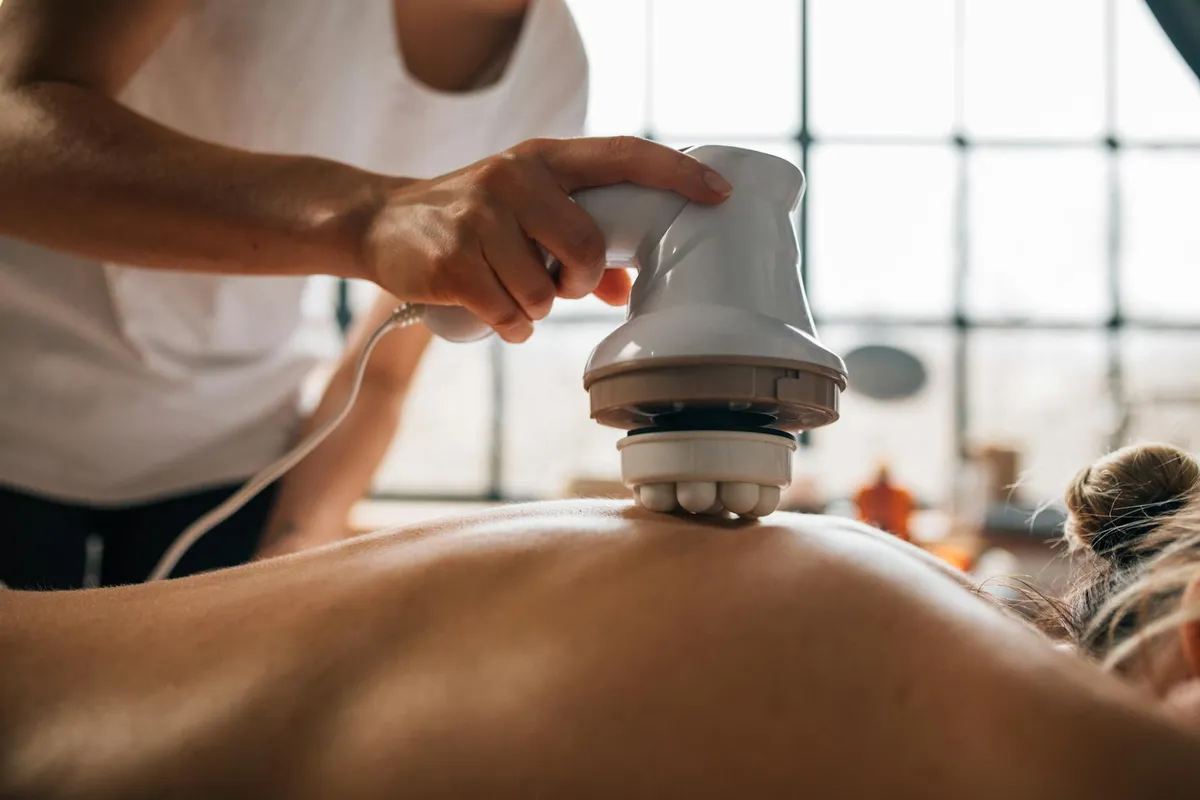
Your practitioner will position the LED panel or handheld device at a specific distance from your skin, typically a few inches away, to ensure the right intensity of light reaches the target area.
The LEDs will switch on and emit a warm, visible red or near-infrared glow. The session typically lasts 10 to 30 minutes, and you'll feel gentle warmth but no heat, pain, or discomfort.
You simply lie or sit still while the light does its work. Many people find the experience meditative and use the time to breathe deeply, rest, or even doze off lightly.
When the time is up, the device is switched off and your practitioner will check in with you about how you felt and answer any questions you have about what you experienced.
You'll receive simple aftercare tips, such as staying hydrated and protecting treated skin from sun exposure, along with a recommended schedule for follow-up sessions to build on your results.
The Evidence
What the research says about red light therapy, where evidence is strongest, and where important gaps remain.
Solid mechanistic basis; clinical evidence varies by application
Red light therapy has a well-understood biological mechanism and a growing research base, with strongest support for wound healing, muscle recovery, and certain pain conditions. Evidence quality is uneven across applications, and large rigorous trials remain limited.
Evidence is most consistent for wound healing, post-exercise muscle recovery, and localised pain reduction. Skin rejuvenation and hair growth applications have some supporting data but fewer high-quality trials. Many studies are small, lack control groups, or have short follow-up periods, making broad conclusions difficult.
Red and near-infrared wavelengths stimulate cytochrome c oxidase in mitochondria, increasing ATP production and supporting cellular repair. This mechanistic pathway is well-documented. However, translating laboratory findings into consistent clinical outcomes has proven variable, and individual responses differ meaningfully.
Many published studies are small and may reflect publication bias toward positive results. Optimal dosing parameters — wavelength, power density, session duration — are not yet standardised. Claims extending beyond wound healing and recovery into broader wellness outcomes often outpace the available evidence and should be viewed with appropriate caution.
The modality originated in 1960s laboratory research by Hungarian physician Endre Mester, who observed light-promoted wound healing. NASA and military researchers later expanded its applications. It has since moved from clinical settings into mainstream wellness and home-use devices, supported by a growing but still maturing evidence base.
Those taking photosensitising medications, with active skin conditions, eye disease, untreated thyroid conditions, or a history of skin cancer should consult a qualified health professional before use. Avoid application over suspicious skin lesions. Eye protection is recommended during sessions. Pregnant individuals should seek medical advice before use.
Device quality, wavelength, and session parameters vary widely across consumer and clinical products. A qualified practitioner can help match the approach to your specific situation and set realistic expectations. Red light therapy is best understood as a supportive tool within a broader health plan, not a standalone solution or substitute for professional assessment.
Safety first
General guidance to help you decide whether this approach is appropriate for you. This is informational only and not a substitute for medical, psychological, or professional advice.
If you are pregnant, managing a health condition, recovering from injury or surgery, or taking medication, consult a qualified healthcare professional first.
Some situations call for extra care or a different approach. Share any conditions, injuries, or sensitivities with your practitioner before your first session.
Look for clear boundaries, transparent pricing, and practitioners who avoid fear-based claims or pressure to book frequent sessions.
Mild, short-lived effects such as tenderness, tiredness, or temporary soreness can occur. Rest, hydrate, and tell your practitioner how you respond.
For you?
A simple, human way to weigh it up. This is general guidance, not personal medical advice — a qualified practitioner can advise on your situation.
Gyfts is a discovery platform, not a medical provider. Nothing here diagnoses, treats or replaces professional care. In an emergency, contact your local emergency number.
Explore approaches
Other practices people often explore alongside red light therapy.
In their words
FAQ
Most people experience a gentle, often pleasant warmth during treatment. There is no pain, no loud noises, and no sensation of electricity. Some describe a mild tingling or relaxation. The experience is passive—you simply remain still while the device delivers light to the target area.
Results vary by condition and individual. Some people report improvements in pain or energy within 1-2 weeks, while skin changes typically require 4-8 weeks of consistent treatment (2-3 sessions weekly). Chronic conditions may require 12+ weeks. Your practitioner will establish realistic timelines based on your specific goals.
Red Light Therapy is generally considered safe for most people when administered correctly by trained practitioners or used as directed with quality home devices. The light wavelengths penetrate skin without ionizing radiation (unlike X-rays). However, certain populations—pregnant women, those with light-sensitive medications, or eye conditions—should seek medical guidance first.
Yes, many FDA-cleared and quality-tested home devices are available. Home use can be effective and convenient, but it requires consistency and proper technique (correct distance, duration, frequency). Professional guidance initially helps establish an appropriate protocol. Always purchase from reputable manufacturers and follow device-specific safety instructions.
Red Light Therapy is generally safe and effective across all skin tones, as the light wavelengths penetrate below the surface. However, those with darker skin may experience less visible erythema (redness) during treatment, which does not indicate reduced efficacy. Individual response varies, and a practitioner can tailor intensity based on your skin's response.
Red Light Therapy is a complementary modality best used alongside—not as a replacement for—conventional medical care. For serious conditions like infections, fractures, or malignancies, medical treatment is essential. Always inform your healthcare provider that you are using red light therapy so they can monitor for any interactions with prescribed treatments.
Results from red light therapy are typically not permanent. Skin benefits may gradually fade over weeks to months without maintenance sessions. For chronic pain or muscle recovery, consistency is key to sustaining improvements. Many practitioners recommend periodic maintenance sessions (monthly or quarterly) to preserve benefits.
Serious side effects are rare. Mild temporary redness, slight irritation, or eye strain (if protective eyewear is not used) can occur. Some people experience mild headache or slight dizziness, especially in the first session. Starting with shorter sessions and lower intensities minimizes risk. Inform your practitioner of any unusual symptoms.
References
Educational sources that inform this overview. Inclusion is for context and does not imply endorsement.
Full citations are maintained by the Gyfts editorial team and reviewed periodically.
Keep exploring
Browse practitioners, explore honest overviews, and take what you learn to a conversation — at your own pace.