What it is
An alchemical herbal tradition that separates, purifies, and reunites the whole plant.
The alchemy of healing — separating, purifying, and reuniting a plant''s full therapeutic potential.
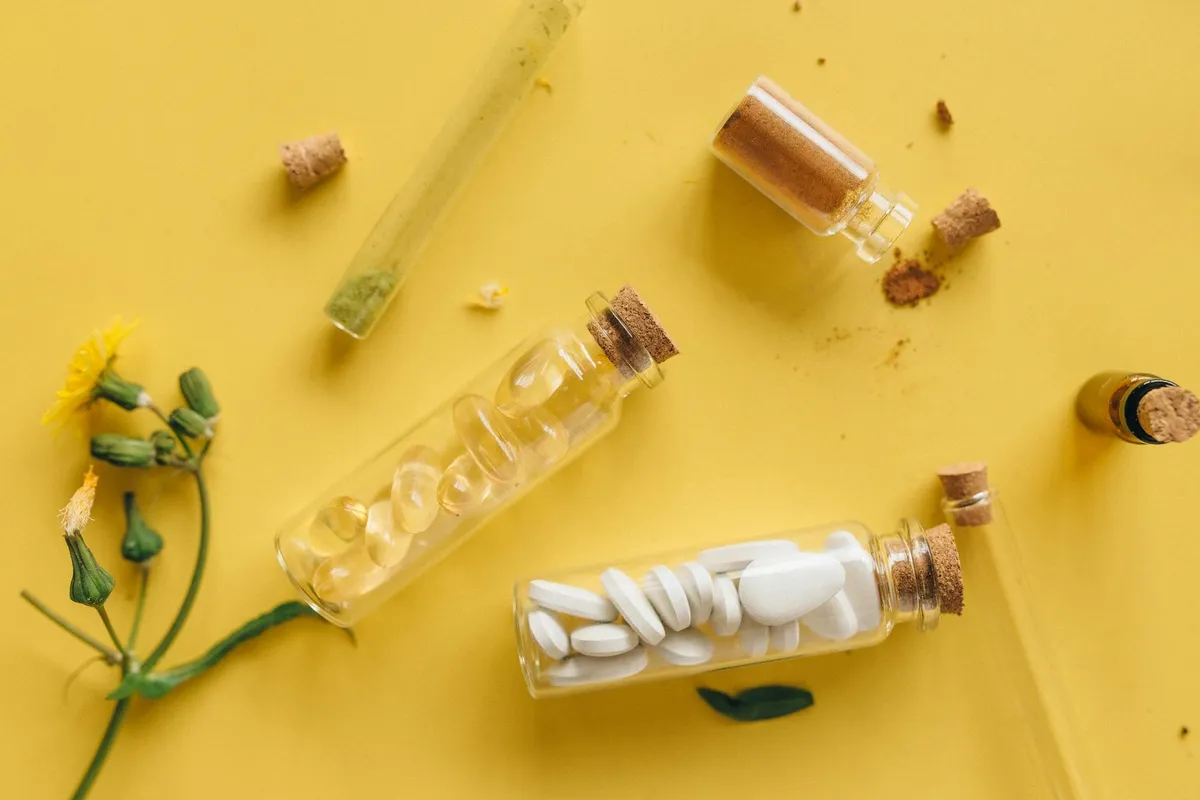
At a glance
What it is
An alchemical herbal tradition that separates, purifies, and reunites the whole plant.
Why explore it
It may appeal to those wanting whole-plant support for digestion, immunity, and emotional balance.
How it’s experienced
Taken as drops or tinctures, often guided by a naturopath or integrative health practitioner.
Evidence context
Rooted in centuries of tradition, but no clinical trials confirm effects beyond placebo.
See the evidence snapshotSafety
Generally low-risk, though alcohol content, herb interactions, and quality variation deserve attention.
See staying safeHistory & Origin
Spagyric Medicine (Spagyrik) is a European traditional preparation methodology for herbal remedies based on alchemical principles, producing plant medicines through a process that separates, purifies, and recombines a plant''s components.
Spagyric medicine traces its origins to Paracelsus (Theophrastus von Hohenheim, 1493–1541), the Swiss-German physician-alchemist who coined the term ''spagyric'' from the Greek spao (to separate) and ageiro (to reunite). Paracelsus rejected the Galenic herbal tradition of his time and advocated for chemically prepared medicines that isolated and recombined a plant''s active principles. His approach represented a bridge between medieval alchemy and modern pharmaceutical chemistry. The tradition was carried forward through the centuries by European apothecaries and physicians, particularly in the German-speaking world. In the 20th century, Alexander von Bernus (Soluna), Carl Friedrich Zimpel, and Theodor Krauss each systematised spagyric preparation methods that remain in use today. Spagyric preparations are manufactured commercially by companies including Soluna, Phylak Sachsen, and Pekana in Germany. They occupy a distinct regulatory category in several European countries — not classified as conventional pharmaceuticals, homeopathic medicines, or simple herbal products, but as a specific traditional preparation form.
Mechanism
Spagyric Medicine is a broader health tradition or knowledge system rather than a single technique. Practitioners may draw on cultural teachings, observation, lifestyle guidance, ritual, remedies, bodywork, or community practice. Its working model should be described in its own traditional context and not overstated as biomedical proof. People may explore it for cultural continuity, reflection, and supportive wellbeing practices. The spagyric process follows three classical alchemical stages.
Your first visit
A typical session outline to help you feel prepared
A spagyric medicine session blends plant alchemy with personalized care, guiding you through a gentle consultation to find the right herbal preparations for your unique needs.
Your practitioner warmly greets you and spends time reviewing your health history, current symptoms, emotional patterns, and lifestyle habits to build a full picture of your wellbeing.
Using traditional assessment tools like tongue observation and pulse reading, your practitioner looks for subtle patterns that point toward energetic imbalances in the body.
You'll be gently asked about stress, mood, and emotional tendencies, since spagyric philosophy holds that mental and spiritual states are inseparable from physical health.
Drawing on your full assessment, the practitioner selects a personalized combination of spagyric plant preparations, each one crafted to address your specific physical, emotional, and energetic needs.
You may be given your first dose right in the session, typically a few drops of the spagyric tincture stirred into a small glass of water, so you can experience the remedy firsthand.
Your practitioner walks you through exactly how to take your preparations at home each day, including timing, number of drops, and whether to take them with or away from food.
You'll discuss your treatment timeline, usually four to eight weeks, and schedule a reassessment appointment to evaluate how your body is responding and adjust your remedies if needed.
The Evidence
What the research says about spagyric medicine, its traditional roots, and how to use it safely alongside other care.
Rooted in European tradition; clinical evidence is very limited
Spagyric medicine has a documented history in European herbal practice but lacks controlled clinical trials. Analytical studies confirm its preparations differ chemically from standard tinctures, though whether this translates to meaningful health outcomes has not been established.
No randomised controlled trials of spagyric preparations have been published in mainstream peer-reviewed journals. A small number of analytical chemistry studies confirm that spagyric processing produces preparations with different mineral and trace element profiles than standard tinctures. Whether these chemical differences produce better health outcomes has not been demonstrated.
Paracelsus coined the term from Greek words meaning 'separate' and 'reunite', positioning spagyric preparation as a bridge between alchemy and pharmaceutical chemistry. The tradition was later systematised by Zimpel, Krauss, and von Bernus, and remains in active use today — particularly among Heilpraktiker in Germany and naturopaths in Switzerland.
Unlike standard herbal tinctures, spagyric preparations retain the plant's mineral fraction through calcination and recombination. Unlike homeopathy, they do not use serial dilution. This makes them a distinct preparation method within European naturopathic practice, often integrated into individualised care plans rather than used as standalone interventions.
Spagyric preparations are considered low-risk overall. Many contain alcohol. Herb-drug interactions are theoretically possible depending on the plant used. Quality varies significantly — preparations from regulated German manufacturers such as Soluna, Pekana, and Phylak Sachsen are produced under pharmaceutical standards, while artisanal preparations may lack equivalent oversight.
In European naturopathic practice, spagyric preparations are usually selected by a qualified Heilpraktiker or naturopath based on a full assessment of the individual. If you are considering spagyric medicine, seek a practitioner with documented training in this tradition. Always inform your primary healthcare provider about any preparations you are using.
The philosophical concepts underlying spagyric medicine — such as Mercury, Salt, and Sulphur as plant principles — are traditional models that should not be interpreted as established scientific mechanisms. Spagyric medicine should complement, not replace, professional assessment and evidence-based care for serious or complex health conditions.
Safety first
General guidance to help you decide whether this approach is appropriate for you. This is informational only and not a substitute for medical, psychological, or professional advice.
Some situations call for extra care or a different approach. Share any conditions, injuries, or sensitivities with your practitioner before your first session.
If you are pregnant, managing a health condition, recovering from injury or surgery, or taking medication, consult a qualified healthcare professional first.
Look for clear boundaries, transparent pricing, and practitioners who avoid fear-based claims or pressure to book frequent sessions.
Mild, short-lived effects such as tenderness, tiredness, or temporary soreness can occur. Rest, hydrate, and tell your practitioner how you respond.
For you?
A simple, human way to weigh it up. This is general guidance, not personal medical advice — a qualified practitioner can advise on your situation.
Gyfts is a discovery platform, not a medical provider. Nothing here diagnoses, treats or replaces professional care. In an emergency, contact your local emergency number.
Explore approaches
Other practices people often explore alongside spagyric medicine.
In their words
FAQ
Spagyric preparations use a physical-chemical process (fermentation, distillation, calcination) that retains measurable plant compounds and mineral salts. Homeopathy uses serial dilution and succussion, often to levels where no original molecules remain. They are distinct preparation philosophies with different theoretical foundations.
Standard tinctures extract plant compounds using alcohol/water but discard the remaining plant material. Spagyric processing adds a calcination step that isolates the plant''s mineral salts and recombines them with the extract, claimed to produce a more ''complete'' remedy.
Evidence is very limited. No clinical trials have been published. Analytical chemistry studies confirm that spagyric preparations have different mineral profiles than standard tinctures. Clinical efficacy has not been demonstrated in controlled research.
Established manufacturers include Soluna, Phylak Sachsen, and Pekana (all German). They are available through naturopathic practitioners and specialist pharmacies, primarily in the German-speaking world. Quality varies — seek preparations from regulated manufacturers.
Theophrastus von Hohenheim (1493–1541), known as Paracelsus, was a Swiss-German physician-alchemist who coined the term ''spagyric'' and advocated for chemically prepared plant medicines. He is considered the founder of pharmaceutical chemistry.
Generally considered low-risk as they contain plant compounds in moderate concentrations. Some contain alcohol. Herb-drug interactions are possible. Use preparations from reputable manufacturers and inform your healthcare provider.
References
Educational sources that inform this overview. Inclusion is for context and does not imply endorsement.
Full citations are maintained by the Gyfts editorial team and reviewed periodically.
Keep exploring
Browse practitioners, explore honest overviews, and take what you learn to a conversation — at your own pace.