What it is
A classic hands-on therapy using five flowing techniques to relax muscles and ease tension.
Swedish Massage is a foundational massage technique using long strokes, kneading, and rhythmic movements to promote relaxation and improv...
At a glance
What it is
A classic hands-on therapy using five flowing techniques to relax muscles and ease tension.
Why explore it
It may ease stress, loosen tight muscles, support recovery, and help you sleep more soundly.
How it’s experienced
A licensed therapist guides you through a 60–90 minute session, adjusting pressure to your comfort.
Evidence context
Research shows solid benefits for stress and tension, though results vary by person and practitioner.
See the evidence snapshotSafety
Generally safe for healthy adults; check with your doctor if you're pregnant or have heart concerns.
See staying safeHistory & Origin
Swedish Massage is a classic massage technique known for its relaxing and stress-relieving benefits.
Swedish Massage emerged in the early 19th century, developed and systematized by Swedish physician Dr. Henrik Ling (1776–1839). Ling created a comprehensive system of therapeutic movements, called the "Ling System," which combined gymnastics, stretching, and massage techniques. His work drew from ancient Greek and Roman massage practices, as well as traditional Scandinavian health approaches, creating a modern, scientific framework for therapeutic touch.
Dr. Ling's methods were taught at the Royal Gymnastics Institute in Stockholm and gradually spread throughout Europe during the Victorian era. The technique became known as "Swedish Massage" as it gained international recognition, particularly in Britain and America during the late 1800s and early 1900s. Practitioners adapted and refined his techniques, developing the characteristic long gliding strokes (effleurage), kneading (pétrissage), and friction movements that define the modality today.
The technique reached North America through traveling Swedish practitioners and health reformers who promoted "Swedish movements" as part of the broader wellness movement of the late 19th century. By the early 20th century, Swedish Massage was established in massage schools and health spas across the United States and Europe. Its systematic, non-invasive approach made it accessible to a wide population, and it remains one of the most commonly taught and practiced massage styles worldwide.
Mechanism
Swedish Massage is generally described as working through skilled touch, careful pacing, and the body's response to pressure, movement, warmth, or stillness. Practitioners may focus on muscle tone, joint comfort, circulation, breath, or relaxation depending on the method. Traditional explanations may also include energy flow or whole-person balance. Research support varies by modality, so the experience is best framed as supportive care with outcomes that vary. Swedish massage employs long gliding strokes, kneading, and rhythmic pressure techniques that stimulate mechanoreceptors in the skin and underlying tissues.
Your first visit
A typical session outline to help you feel prepared
A Swedish massage guides you through gentle, flowing techniques designed to ease muscle tension and leave you deeply relaxed, all tailored to your comfort and needs.
Your practitioner will ask about any areas of tension, injuries, or health conditions, and confirm your pressure preferences so the session feels just right for you.
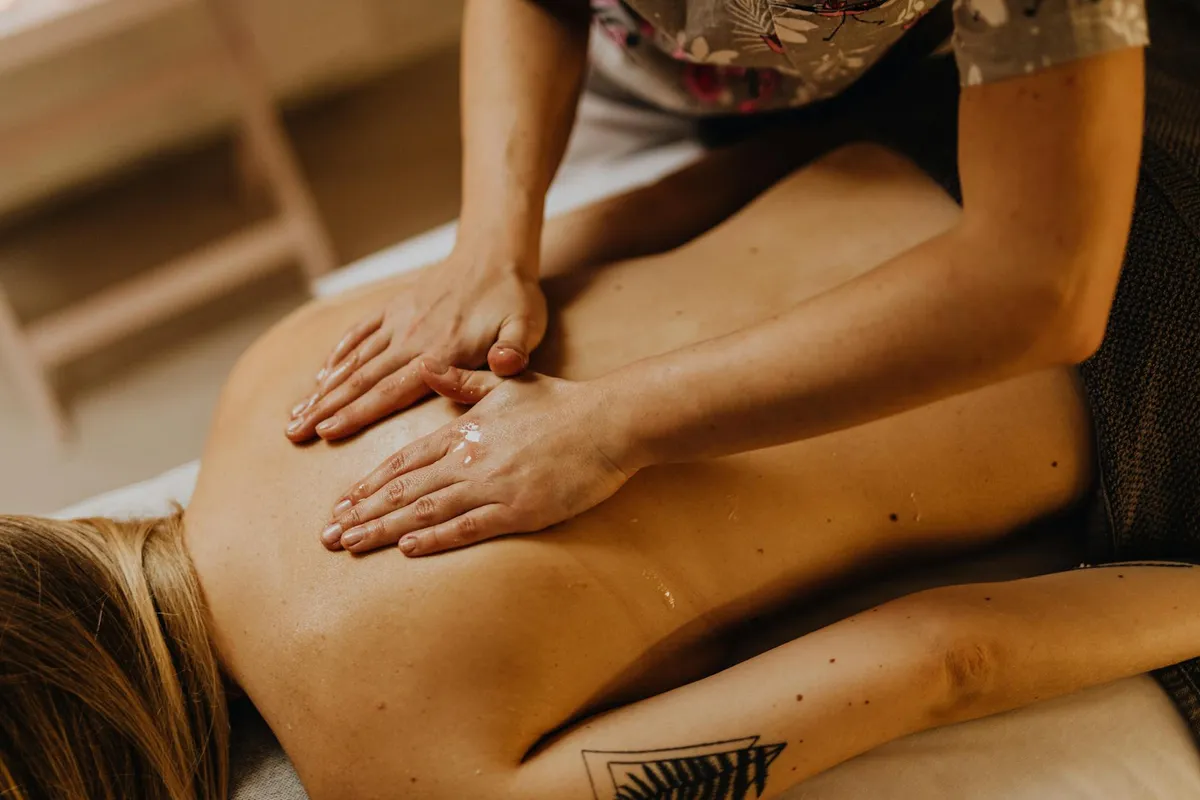
You'll be given privacy to undress to your comfort level and lie on a padded table under a soft sheet or blanket, with only the area being worked on ever uncovered.
The practitioner returns, dims the lights, and may use gentle music to help you relax as you take a few slow breaths and let the table fully support your body.
The session begins with long, gliding effleurage strokes across your back or legs, spreading warm oil and helping your muscles soften and your nervous system settle.
The practitioner moves into petrissage, a rhythmic kneading and lifting of the muscles that targets areas of tightness you mentioned, like shoulders or the lower back.
You may feel gentle tapping or cupping movements called tapotement that wake up circulation and add a pleasant, invigorating contrast to the softer strokes.
About halfway through, you'll be guided to flip from front to back or vice versa, with the drape held carefully for your comfort, so both sides of the body can be addressed.
The session ends with slow, soothing strokes to signal your body to wind down, followed by a quiet moment before your practitioner offers water and aftercare tips like hydrating and resting.
The Evidence
A look at the clinical evidence, known limitations, and what this modality can and cannot reasonably offer.
Reasonably well-studied for relaxation and stress relief
Swedish Massage has a meaningful body of research supporting its use for stress reduction, anxiety, and general well-being. Evidence quality varies, and some limitations apply, but the overall picture is more robust than many complementary modalities.
Systematic reviews and meta-analyses suggest Swedish Massage can reduce stress, anxiety, and muscle tension. Evidence for sleep and mood improvements exists but is less consistent. Many individual studies are small, and blinding participants is impossible in massage research, which limits certainty about effect sizes.
No valid sham massage exists, making it difficult to isolate the physical technique from the effect of human attention and care. This is a structural challenge across all massage research, not unique to Swedish Massage. Results should be interpreted with this in mind rather than dismissed entirely.
It is not a substitute for professional assessment or medical management of health conditions. For stress, mild anxiety, muscle soreness, and general wellness, it may complement other approaches well. Practitioners and clients should maintain realistic expectations and avoid inflated outcome claims.
Those with cardiovascular conditions, blood clots, osteoporosis, active infections, or recent surgery should consult their doctor before booking. Pregnant individuals should seek practitioners trained in prenatal massage. Always communicate openly with your practitioner about health history, pressure preferences, and any discomfort during the session.
Developed by Swedish physician Henrik Ling in the 1800s, the technique drew on Greek, Roman, and Scandinavian traditions. It spread through Europe and North America as a structured, practitioner-delivered approach to therapeutic touch, forming the basis for many modern Western massage styles.
Look for practitioners with recognised training and professional registration where available in your country. Inform your therapist of any health conditions, medications, or areas of concern before your session. A good practitioner will adapt pressure and technique to your needs and will not make inflated claims about outcomes.
Safety first
General guidance to help you decide whether this approach is appropriate for you. This is informational only and not a substitute for medical, psychological, or professional advice.
If you are pregnant, managing a health condition, recovering from injury or surgery, or taking medication, consult a qualified healthcare professional first.
Some situations call for extra care or a different approach. Share any conditions, injuries, or sensitivities with your practitioner before your first session.
Mild, short-lived effects such as tenderness, tiredness, or temporary soreness can occur. Rest, hydrate, and tell your practitioner how you respond.
Look for clear boundaries, transparent pricing, and practitioners who avoid fear-based claims or pressure to book frequent sessions.
For you?
A simple, human way to weigh it up. This is general guidance, not personal medical advice — a qualified practitioner can advise on your situation.
Gyfts is a discovery platform, not a medical provider. Nothing here diagnoses, treats or replaces professional care. In an emergency, contact your local emergency number.
Explore approaches
Other practices people often explore alongside swedish massage.
In their words
FAQ
A typical session involves lying on a padded table while a trained practitioner applies massage oil and uses a combination of long gliding strokes, kneading, friction, and rhythmic tapping to relax muscles and improve circulation. Sessions usually last 50–90 minutes and flow from one body area to another in a systematic way. The environment is calm and the pressure is customized to your preferences.
This varies based on your goals and personal response. Some people feel benefits from a single session, while others benefit from regular sessions. For stress relief and general wellness, many practitioners recommend monthly maintenance sessions. For acute muscle tension or high stress, weekly sessions for 4–8 weeks may be recommended. Your practitioner can suggest a schedule tailored to your needs.
Swedish Massage should not be painful. The goal is relaxation and therapeutic benefit. You control the pressure—communicate with your practitioner if the touch feels too firm or too light. Some people experience mild tenderness in areas of significant tension, which usually eases with time and additional treatment.
Most people feel deeply relaxed, with reduced muscle tension and improved mood. Some experience mild soreness in areas of tight tension (similar to post-exercise soreness), which typically resolves within 24–48 hours. Many report better sleep, improved circulation, and a sense of calm. Drink water and rest afterward to support your body's natural recovery processes.
Swedish Massage can be modified for pregnancy, but it's essential to work with a practitioner trained in prenatal massage and to have clearance from your healthcare provider. Certain techniques and pressure points should be avoided during pregnancy, so specialized prenatal massage is recommended.
Swedish Massage may support chronic pain management as part of a comprehensive approach, particularly for tension-related pain. However, it is not a cure for chronic pain conditions. If you have chronic pain, consult your healthcare provider about how massage might complement your existing treatment plan.
Frequency depends on your goals and response. For general wellness and stress relief, monthly sessions are common. For acute tension or high stress, weekly or bi-weekly sessions may be recommended for a period. Some people find benefit in occasional sessions as needed. Your practitioner can advise based on your specific situation.
Swedish Massage uses long, flowing strokes and a systematic approach focused on relaxation and circulation. Other styles—such as deep tissue, sports massage, or trigger point therapy—may use different techniques or target specific issues more intensively. Swedish Massage is often considered foundational and is well-suited for general relaxation.
References
Educational sources that inform this overview. Inclusion is for context and does not imply endorsement.
Full citations are maintained by the Gyfts editorial team and reviewed periodically.
Keep exploring
Browse practitioners, explore honest overviews, and take what you learn to a conversation — at your own pace.