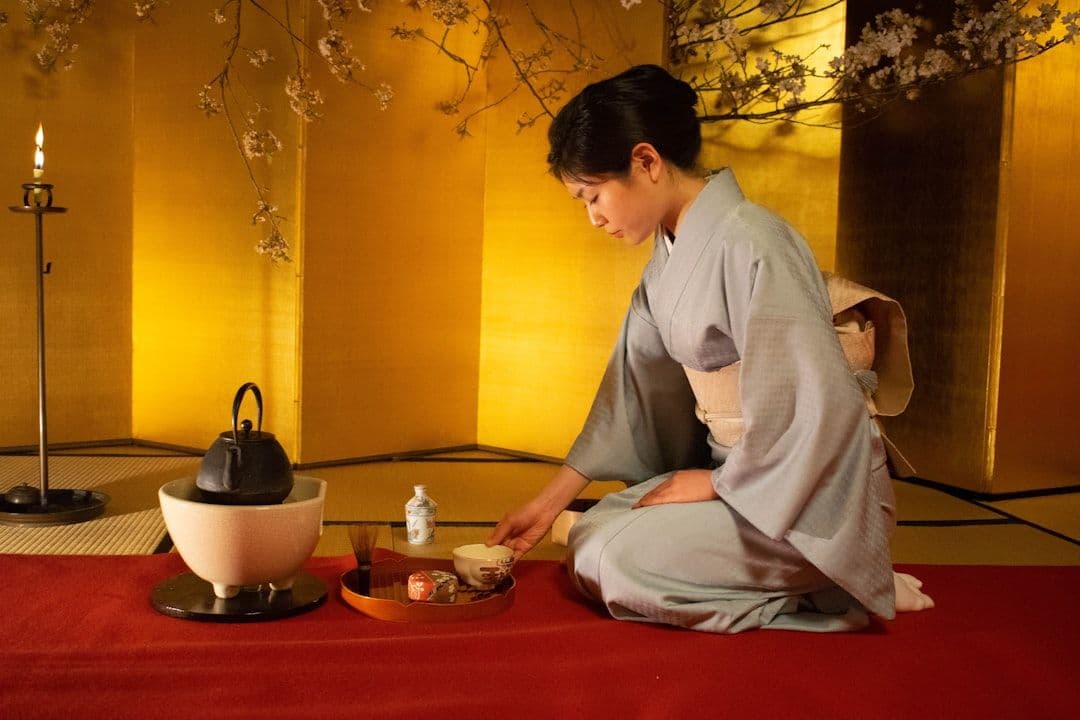
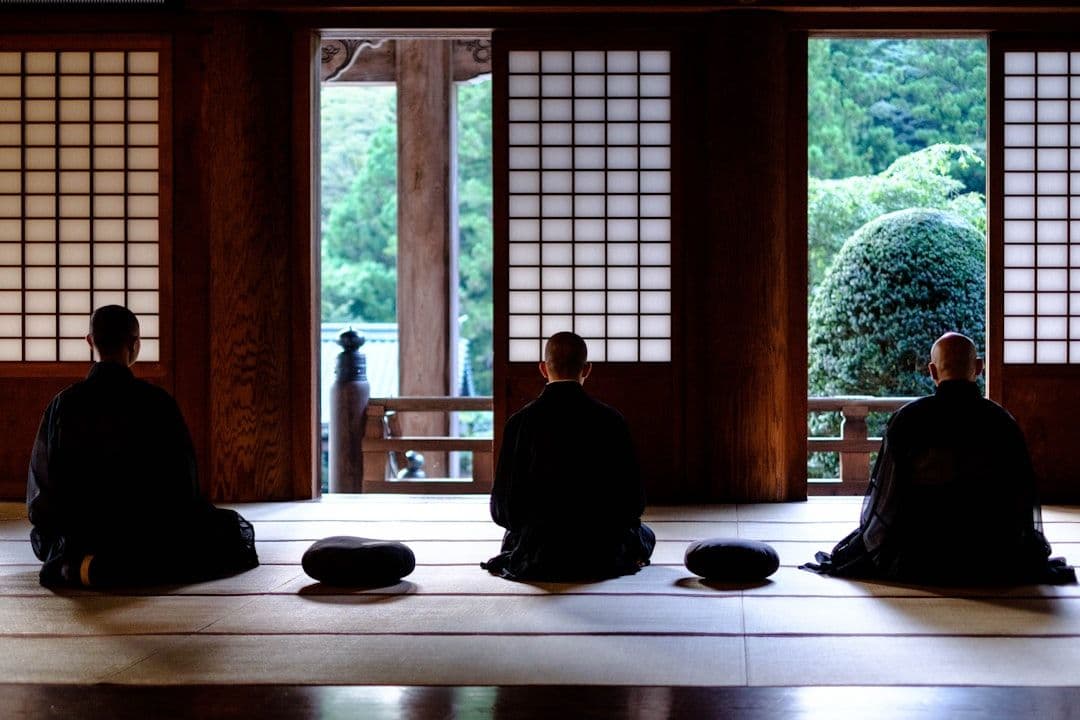
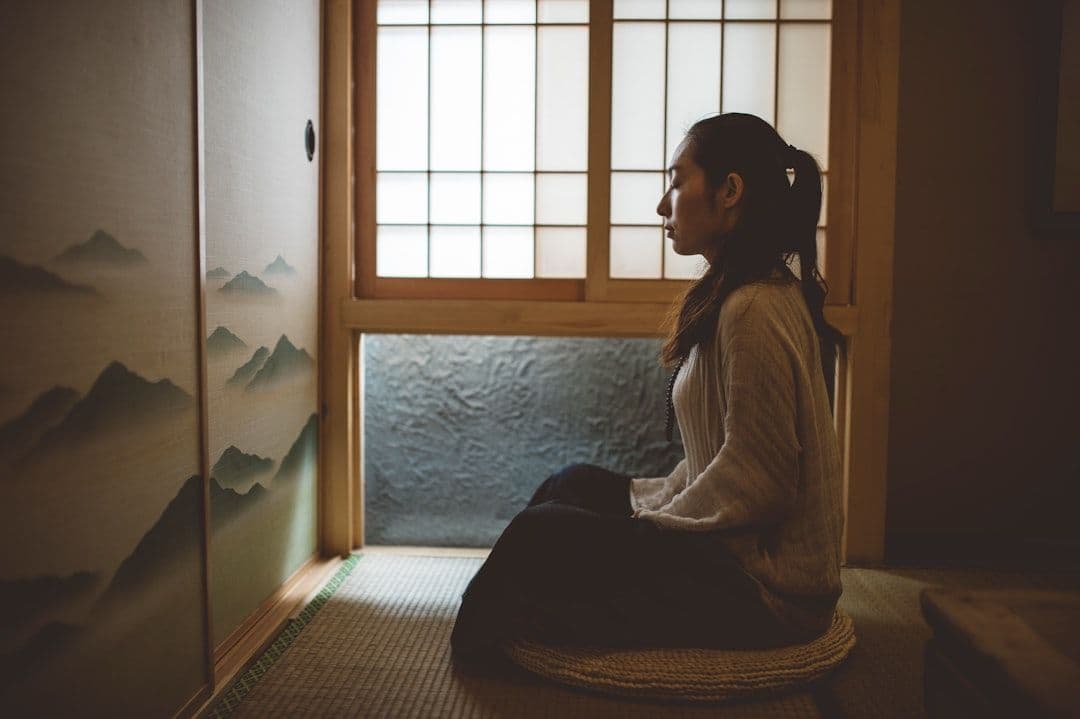
What it is
A Japanese tradition blending forest bathing, herbal medicine, and mindfulness for whole-body wellness.
Traditional Japanese Health is a holistic wellness approach integrating nature-based practices like Shinrin-Yoku (forest bathing), herbal...
At a glance
What it is
A Japanese tradition blending forest bathing, herbal medicine, and mindfulness for whole-body wellness.
Why explore it
Offers a gentle, preventive path to less stress, better sleep, and smoother seasonal transitions.
How it’s experienced
Think forest walks, personalized herbal formulas, and simple mindfulness practices built into daily life.
Evidence context
Forest bathing shows promising stress research; Kampo has traditional roots, though large clinical trials are still limited.
See the evidence snapshotSafety
Generally low-risk, but Kampo herbs can interact with medications, so always consult a qualified practitioner first.
See staying safeHistory & Origin
Traditional Japanese Health is a holistic approach to health and well-being deeply rooted in Japanese culture, incorporating practices like Shinrin-Yoku (forest bathing) and Kampo medicine.
Traditional Japanese Health practices developed over centuries, integrating influences from Chinese medicine, Shinto spirituality, and Buddhist philosophy with indigenous Japanese wellness traditions. These approaches emerged from Japan's deep cultural connection to nature and the seasonal cycles, reflecting a worldview where human health is inseparable from environmental harmony.
Kampo medicine, the Japanese adaptation of Chinese herbal medicine, became systematized during the Edo period (1603-1868), when Japanese physicians began modifying Chinese formulas to suit the local climate and available plants. Key figures like Yoshimasu Todo refined diagnostic approaches, while practitioners preserved and documented these healing traditions in medical texts that remain influential today.
Shinrin-Yoku (forest bathing) and related nature-based practices gained formal recognition in the 20th century, though the underlying principles had guided Japanese wellness for millennia. The practice was officially promoted by the Japanese Ministry of Agriculture in the 1980s as part of national health initiatives. These traditions have gradually spread internationally as interest in holistic, nature-connected wellness has grown, with both ancient practices and modern research supporting their continued relevance.
Mechanism
Traditional Japanese Health is a broader health tradition or knowledge system rather than a single technique. Practitioners may draw on cultural teachings, observation, lifestyle guidance, ritual, remedies, bodywork, or community practice. Its working model should be described in its own traditional context and not overstated as biomedical proof. People may explore it for cultural continuity, reflection, and supportive wellbeing practices. Traditional Japanese Health operates through several integrated practices that address physical, mental, and spiritual dimensions simultaneously.
Your first visit
A typical session outline to help you feel prepared
A Traditional Japanese Health session blends ancient observation techniques with personalized guidance, weaving together pulse reading, herbal wisdom, and seasonal lifestyle support.
You'll be greeted in a calm, unhurried setting and asked to complete a health history form covering your current concerns, sleep patterns, digestion, emotional wellbeing, and seasonal sensitivities.
Your practitioner will speak with you in depth about your lifestyle, diet, stress levels, and any patterns you've noticed in your health across different seasons or times of day.
Using fingertip pressure on your wrist, your practitioner reads subtle qualities in your pulse across several positions, then observes your tongue's color, coating, and shape to assess your constitution.
Known as hara diagnosis, the practitioner may gently palpate your abdomen while you lie fully clothed, feeling for areas of tension, softness, or sensitivity that reflect your internal balance.
Based on what was observed, your practitioner will explain their findings in plain language and outline a care approach tailored to you, which may include herbal formulas, dietary shifts, or nature-based practices.
You may receive a customized herbal formula to take at home, along with specific seasonal lifestyle recommendations such as breathing exercises, mindful walking, or adjustments to mealtimes and sleep rhythms.
Your practitioner will walk you through exactly how to use any herbs, teas, or practices provided, making sure you leave feeling confident and clear about your next steps.
The session wraps with a brief check-in on how you're feeling and a plan for follow-up visits, typically every two to four weeks, to track your progress and gently refine your care.
The Evidence
What research and tradition tell us about Traditional Japanese Health practices, and where the evidence is strong, mixed, or still developing.
Strong roots, growing science, some gaps remain
Traditional Japanese Health draws on centuries of documented practice. Some components, particularly Shinrin-Yoku and select Kampo formulas, have measurable research support, while others rely primarily on traditional use with limited large-scale clinical data.
Shinrin-Yoku has the strongest modern evidence base, with multiple studies measuring cortisol, immune markers, and cardiovascular responses. Select Kampo formulas show meaningful clinical support, particularly for digestive and menopausal concerns. Many individual herbs and integrated protocols, however, lack large-scale trials meeting current research standards.
The tradition combines herbal medicine, nature immersion, mindful practice, and seasonal awareness into a unified framework. Evaluating each element separately may not reflect how the system works in practice. This is a recognised limitation in holistic research, not a flaw unique to this tradition.
Kampo has been practised and refined since the Edo period and today sits alongside conventional medicine in Japanese hospitals and clinics. This institutional integration reflects a long record of observed use, though it does not substitute for independent clinical evidence on specific formulas or outcomes.
Kampo formulas can interact with blood thinners, diabetes medications, and immunosuppressants. Inform your prescribing doctor of any herbal protocols you are following. Those who are pregnant or breastfeeding should seek practitioner guidance before starting herbal formulas, as safety data in these groups is limited.
Kampo formulas are typically selected based on individual constitution, not a single symptom. A qualified Kampo practitioner or integrative health professional can tailor recommendations appropriately. Always keep your primary care provider informed, particularly if you are managing an existing health condition or taking prescription medications.
Many Kampo formulas and integrated protocols lack the large randomised trials used to evaluate pharmaceutical interventions. Traditional Japanese Health is best understood as a complementary approach that may support wellbeing alongside, not instead of, conventional care. Inflated outcome claims from any provider should be viewed with caution.
Safety first
General guidance to help you decide whether this approach is appropriate for you. This is informational only and not a substitute for medical, psychological, or professional advice.
If you are pregnant, managing a health condition, recovering from injury or surgery, or taking medication, consult a qualified healthcare professional first.
Some situations call for extra care or a different approach. Share any conditions, injuries, or sensitivities with your practitioner before your first session.
Look for clear boundaries, transparent pricing, and practitioners who avoid fear-based claims or pressure to book frequent sessions.
Mild, short-lived effects such as tenderness, tiredness, or temporary soreness can occur. Rest, hydrate, and tell your practitioner how you respond.
For you?
A simple, human way to weigh it up. This is general guidance, not personal medical advice — a qualified practitioner can advise on your situation.
Gyfts is a discovery platform, not a medical provider. Nothing here diagnoses, treats or replaces professional care. In an emergency, contact your local emergency number.
Explore approaches
Other practices people often explore alongside traditional japanese health.
In their words
FAQ
Shinrin-Yoku, which translates to 'forest bath,' is a mindfulness practice of immersing yourself in a forest environment using all five senses. Unlike hiking, there's no destination or physical exertion goal. You walk slowly, breathe deeply, observe details of nature (light through leaves, sounds, scents, textures), and quiet your mind. Research suggests it lowers cortisol levels, reduces blood pressure, and boosts immune function. It's accessible to most fitness levels and can be practiced near any natural area with trees.
Kampo is the Japanese adaptation of traditional Chinese herbal medicine (called Kanpo originally). During Japan's isolation period, Japanese physicians modified Chinese formulas to suit Japan's climate, available plants, and population constitution. Today, Kampo uses both Japanese and imported herbs in carefully standardized formulas. It's officially integrated into Japan's medical system, with many Kampo medicines covered by health insurance. The formulas tend to be gentler and more refined than some Chinese herbal approaches.
This varies greatly depending on your goals and condition. For stress reduction and prevention, monthly check-ins may suffice. For addressing specific health concerns, practitioners typically recommend 4-8 sessions over 2-3 months to assess effectiveness and adjust protocols. Some people benefit from seasonal tune-ups (4 times yearly) aligned with Japanese seasonal philosophy. Kampo formulas often show gradual improvements over 6-12 weeks of consistent use.
In Japan, many Kampo medicines are regulated pharmaceuticals covered by health insurance. Quality standards are high. However, availability and regulation vary by country. In the United States, they are typically sold as dietary supplements with less stringent oversight. Purchase from reputable practitioners and suppliers who verify quality and ingredient testing. As with any herbal treatment, some people experience side effects or interactions. Always disclose all medications to your practitioner.
Yes, and it's recommended. Traditional Japanese Health works best as a complementary approach that supports overall wellness, stress reduction, and prevention. It should not replace conventional treatment for serious medical conditions. Inform both your medical doctor and Japanese Health practitioner about all treatments you're receiving so they can coordinate care and watch for interactions.
Kampo herbs, especially traditional decoctions, often have strong, bitter, or earthy tastes. Modern preparations (powders, tablets, granules) are more palatable. Most people tolerate Kampo well, though some experience mild digestive changes, headaches, or detoxification responses initially. These usually resolve within days. More significant side effects are rare but should be reported to your practitioner. Quality matters—inferior products may cause more side effects.
Japanese wellness philosophy emphasizes living in harmony with seasonal changes. Spring calls for renewal and gentle detoxification; Summer emphasizes cooling and hydration; Autumn focuses on grounding and releasing; Winter prioritizes rest and nourishment. Your practitioner may suggest seasonal diet changes, different Kampo formulas for each season, and adjusted nature practices. This preventive approach is believed to reduce seasonal illnesses and maintain balanced energy year-round.
Research on specific components exists with varying strength. Shinrin-Yoku has emerging research showing measurable effects on cortisol, blood pressure, and immune markers. Some individual Kampo herbs and formulas have been studied, though large, rigorous clinical trials are limited. Traditional Japanese Health as a complete system is based on centuries of empirical practice rather than randomized controlled trials. It's best viewed as a traditional wellness approach with growing but still limited scientific validation for specific claims.
References
Educational sources that inform this overview. Inclusion is for context and does not imply endorsement.
Full citations are maintained by the Gyfts editorial team and reviewed periodically.
Keep exploring
Browse practitioners, explore honest overviews, and take what you learn to a conversation — at your own pace.