What Are CBD Tinctures?
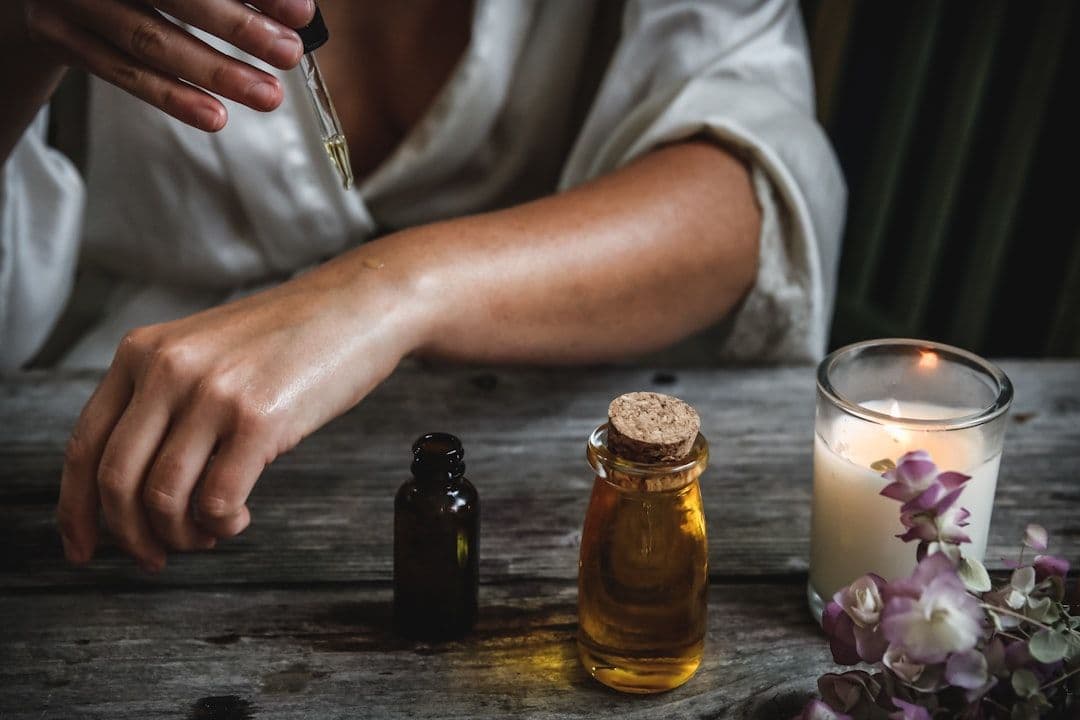
A dropper full of golden liquid sits under your tongue for thirty seconds before you swallow. Within minutes, compounds from the hemp plant begin circulating through your bloodstream — no digestion required.
CBD tinctures are concentrated liquid extracts containing cannabidiol, the non-psychoactive compound found in hemp and cannabis plants. Unlike CBD capsules or gummies that must pass through your digestive system, tinctures are designed for sublingual absorption — the rich blood supply under your tongue carries cannabinoids directly into circulation.
The liquid base is typically MCT oil, hemp seed oil, or alcohol, chosen to optimise CBD's bioavailability whilst providing a stable delivery system. This method of administration has made CBD accessible to people who want precise dosing control and rapid onset without the unpredictability of edible products.
From Hemp Fields to Medicine Cabinet
Cannabis tinctures have existed for centuries, prescribed by physicians throughout the 1800s and early 1900s for pain, insomnia, and nervous conditions. They vanished from medical practice during cannabis prohibition, only to re-emerge as hemp-derived CBD became legal in many jurisdictions.
The modern CBD tincture industry exploded after the 2018 Farm Bill legalised hemp cultivation in the United States, followed by similar legislative changes across Europe and other regions. What began as a cottage industry of small-scale producers has evolved into a sophisticated market with rigorous extraction methods and laboratory testing protocols.
Today's tinctures bear little resemblance to historical cannabis medicines. Advanced CO2 extraction and chromatography techniques allow manufacturers to isolate specific cannabinoids whilst removing THC to below detectable levels. This technological precision has transformed CBD from a controlled substance into a widely available wellness product.
How CBD Tinctures Work in Your Body
When you hold CBD tincture under your tongue, the thin mucous membrane absorbs cannabinoids directly into the sublingual capillaries. This bypasses 'first-pass metabolism' — the liver's initial processing that reduces the amount of active compound reaching your bloodstream when you swallow CBD products.
Once in circulation, CBD interacts with your endocannabinoid system — a network of receptors throughout your body that help regulate pain perception, mood, inflammation, and sleep-wake cycles. Rather than binding directly to these receptors like THC does, CBD appears to modulate the system more subtly, influencing how your body produces and breaks down its own endocannabinoids.
The absorption process varies considerably between individuals. Factors including your metabolism, body weight, whether you've eaten recently, and even the pH of your saliva affect how much CBD enters your system. This explains why one person might feel effects from 5mg whilst another needs 25mg for similar results.
Who Might Find CBD Tinctures Helpful
People with chronic pain conditions often turn to CBD tinctures when conventional medications cause unwanted side effects or fail to provide adequate relief. Research suggests CBD may be particularly useful for neuropathic pain, arthritis, and fibromyalgia, though individual responses vary significantly.
Those managing anxiety disorders represent another major user group. Several clinical trials indicate CBD may reduce both generalised anxiety and specific phobias without the sedation associated with benzodiazepines. The rapid absorption of tinctures appeals to people who need quick relief during acute anxiety episodes.
Individuals with sleep difficulties form the third primary demographic. Whilst CBD doesn't typically cause drowsiness like pharmaceutical sleep aids, many people report improved sleep quality and easier sleep onset. The ability to fine-tune dosing with tinctures allows users to find their optimal amount without morning grogginess.
Using CBD Tinctures: What to Expect
Your first experience with CBD tinctures likely won't involve dramatic immediate effects. Most people notice subtle changes — perhaps less edge to their anxiety, easier movement with chronic pain, or falling asleep more readily.
Start by placing 2.5-5mg worth of tincture under your tongue using the graduated dropper. Hold it there for 30-60 seconds before swallowing, allowing maximum absorption through the sublingual tissue. Effects typically begin within 15-30 minutes and may last 4-6 hours.
Many users keep a simple diary tracking their dose, timing, and effects for the first few weeks. This helps identify your optimal dosing schedule — some people prefer a single morning dose for all-day effects, whilst others divide their daily amount between morning and evening doses. The key is consistency and patience as your body adjusts to regular CBD intake.
The Evidence: Promise and Limitations
Clinical research on CBD shows genuine promise, particularly for epilepsy, chronic pain, and anxiety disorders. The FDA has approved Epidiolex, a pharmaceutical CBD preparation, for specific seizure disorders. Several systematic reviews suggest CBD may reduce chronic pain intensity, though the magnitude of benefit varies considerably between studies.
For anxiety, randomised controlled trials demonstrate that CBD can reduce both physiological and psychological markers of stress. A 2019 study found 25mg of CBD significantly improved sleep scores in 79% of participants within the first month. However, most research uses pharmaceutical-grade CBD in controlled settings rather than commercial tinctures.
The evidence gaps remain significant. Optimal dosing protocols aren't established for most conditions. Long-term safety data beyond two years is limited. Most importantly, the CBD content and purity of commercial products varies dramatically — what you buy in a shop may bear little resemblance to what researchers study in laboratories.
Finding Quality Products and Professional Guidance
CBD tinctures range from £20-£80 per bottle, with price often reflecting extraction quality and third-party testing rather than CBD concentration. Look for products that provide certificates of analysis showing cannabinoid content, pesticide screening, and heavy metal testing. Reputable manufacturers list batch numbers that correspond to specific lab reports.
Currently, no specific professional body regulates CBD practitioners in the UK, though some cannabis clinics employ doctors with relevant experience. The Cannabis Trades Association UK maintains standards for member companies, whilst the Centre for Medicinal Cannabis provides evidence-based information for healthcare providers.
Consult your GP before starting CBD, especially if you take prescribed medications. Blood-thinning drugs, anti-epileptics, and certain heart medications can interact with CBD. Start with the lowest possible dose and increase gradually every few days until you achieve desired effects. Most people find their effective dose somewhere between 10-40mg daily, though some require significantly more or less.