What it is
CBD is a non-intoxicating cannabis compound explored for anxiety, sleep, and wellness.
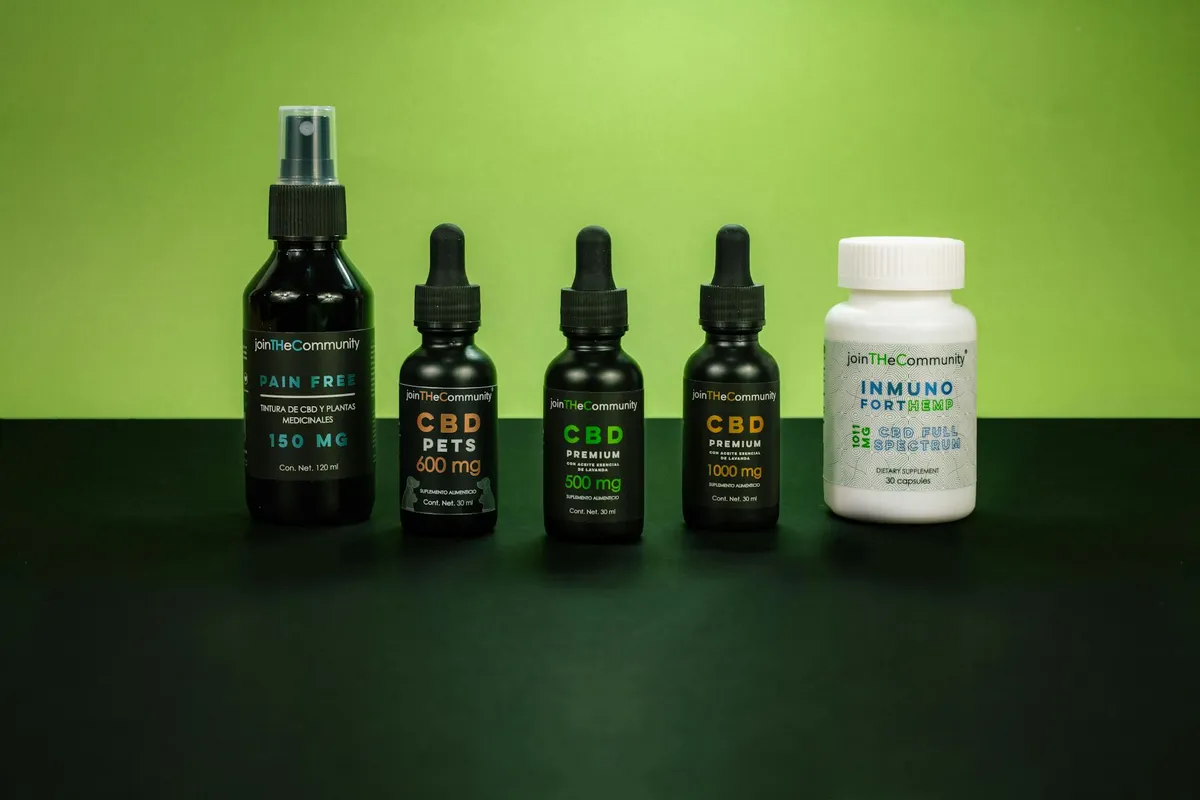
CBD supplements are concentrated cannabidiol products available in capsules, pills, and powders that interact with the body's endocannabi...
At a glance
What it is
CBD is a non-intoxicating cannabis compound explored for anxiety, sleep, and wellness.
Why explore it
Many turn to CBD for daily stress, better sleep, and relief from chronic discomfort.
How it’s experienced
Oils, capsules, or gummies taken daily; effects can take minutes to several weeks to notice.
Evidence context
Strongest evidence supports epilepsy; anxiety and sleep show promise, but more research is needed.
See the evidence snapshotSafety
Generally low risk, but start slow, choose lab-tested products, and check for drug interactions.
See staying safeHistory & Origin
CBD Supplements offer a concentrated form of CBD in capsules, pills, or powders for therapeutic use.
The use of cannabis for medicinal purposes dates back thousands of years, with evidence of therapeutic applications in ancient Chinese, Egyptian, and Indian cultures. However, the specific isolation and understanding of cannabidiol (CBD) is a relatively recent development in cannabis research history.
CBD was first identified and extracted from cannabis plants in 1940 by American chemist Roger Adams and his team at the University of Illinois. The compound's chemical structure wasn't fully determined until 1963 by Israeli chemist Raphael Mechoulam, who is often called the "father of cannabis research." Mechoulam's groundbreaking work laid the foundation for modern understanding of cannabinoids and their potential therapeutic applications.
The discovery of the human endocannabinoid system in the 1990s revolutionized scientific understanding of how cannabinoids interact with the body. This research revealed that humans naturally produce compounds similar to those found in cannabis, and have specific receptors throughout the body that respond to these substances.
CBD supplements as we know them today emerged following changing legal landscapes, particularly after the 2018 Farm Bill in the United States legalized hemp-derived CBD products containing less than 0.3% THC. This legislative change sparked a rapid expansion of CBD product development, leading to the wide variety of capsules, pills, and powder formulations now available for therapeutic use.
Mechanism
CBD Supplements is usually understood through daily choices, patterns, and gradual behavior change rather than a single session effect. Practitioners may focus on food quality, timing, preparation, symptoms, preferences, culture, and sustainability. Some approaches are tradition-based, while others draw on nutrition science or clinical guidelines. Recommendations should be individualized, especially when medical conditions, pregnancy, medications, or restrictive eating patterns are involved. CBD interacts with the endocannabinoid system (ECS), a regulatory network of receptors throughout the body that helps maintain homeostasis across pain signalling, immune function, and mood regulation.
Your first visit
A typical session outline to help you feel prepared
Your CBD supplement session pairs you with a knowledgeable provider who crafts a personalized plan based on your health history, goals, and lifestyle — no guesswork involved.
Your provider greets you and reviews a brief health intake form covering your wellness goals, current medications, and any sensitivities, so your plan is tailored from the start.
You'll have an open conversation about your sleep, stress, discomfort levels, and overall wellbeing, helping your provider understand what you're hoping CBD may support.
Your provider carefully notes any current supplements or prescriptions, since CBD can interact with certain medications — this step keeps your plan safe and informed.
Together you'll explore which CBD format fits your life best — oils, capsules, gummies, or topicals — based on your preferences, routine, and what you're looking to support.
You'll start with a low, conservative dose and receive clear written instructions on when to take it, how often, and what sensations or changes to pay attention to.
Your provider walks you through a simple tracking method — often a journal or app — so you can log how you feel each day and spot patterns over time.
You'll have time to ask anything on your mind, and you'll leave with a follow-up appointment scheduled to review your experience and fine-tune your CBD routine as needed.
The Evidence
What the research currently shows about CBD supplements, where evidence is strong, where it is limited, and what to consider before use.
Strongest support for epilepsy; mixed results elsewhere
CBD has the most robust clinical backing for specific epilepsy conditions, with FDA-approved medications as evidence. For anxiety, pain, and sleep, research is promising but still limited by small sample sizes and inconsistent dosing protocols.
Randomised controlled trials support CBD use in Lennox-Gastaut and Dravet syndromes. Anxiety research shows early promise but most studies are small or short-term. Chronic pain findings are mixed, and sleep research remains largely observational. Overall evidence is moderate and still evolving.
Regulatory changes have enabled more clinical investigation, and new trials are ongoing across multiple conditions. Key limitations include wide variation in dosing, differing formulations, and inconsistent product quality across studies. Conclusions drawn today may shift as larger trials report results.
CBD influences pain signalling, immune response, and mood regulation indirectly, including effects on serotonin pathways and inflammatory signalling. Capsules offer slower, sustained absorption compared to powders. Individual metabolism, dosage consistency, and product quality all affect outcomes.
CBD can affect how the liver processes many prescription medications, including blood thinners and some seizure medications. Those who are pregnant, breastfeeding, or have liver conditions should seek medical guidance before use. Start at the lowest effective dose and increase gradually while monitoring for fatigue, appetite changes, or digestive effects.
Anyone on medications with a narrow therapeutic window requires professional supervision. Known allergy to cannabis or hemp products is a reason to avoid CBD entirely. Drowsiness is a reported effect — avoid driving or operating machinery until your individual response is understood. Third-party tested products from reputable manufacturers reduce quality-related risks.
CBD is not approved for most conditions it is commonly marketed for, and inflated outcome claims are widespread in the consumer market. It does not replace qualified care for serious conditions including epilepsy, PTSD, or inflammatory disease. Use alongside, not instead of, professional guidance where a condition is involved.
Safety first
General guidance to help you decide whether this approach is appropriate for you. This is informational only and not a substitute for medical, psychological, or professional advice.
If you are pregnant, managing a health condition, recovering from injury or surgery, or taking medication, consult a qualified healthcare professional first.
Some situations call for extra care or a different approach. Share any conditions, injuries, or sensitivities with your practitioner before your first session.
Mild, short-lived effects such as tenderness, tiredness, or temporary soreness can occur. Rest, hydrate, and tell your practitioner how you respond.
Look for clear boundaries, transparent pricing, and practitioners who avoid fear-based claims or pressure to book frequent sessions.
For you?
A simple, human way to weigh it up. This is general guidance, not personal medical advice — a qualified practitioner can advise on your situation.
Gyfts is a discovery platform, not a medical provider. Nothing here diagnoses, treats or replaces professional care. In an emergency, contact your local emergency number.
Explore approaches
Other practices people often explore alongside cbd supplements.
In their words
FAQ
CBD supplements typically take 30-90 minutes to take effect as they must be digested and processed by the liver. Effects generally last 4-6 hours and may include reduced anxiety, pain relief, or improved sleep quality. Unlike THC, CBD does not produce intoxicating effects.
Some people notice effects within a few days, while others may need 2-4 weeks of consistent use to experience benefits. Individual response varies based on factors like body weight, metabolism, the condition being treated, and dosage. Consistency is key for optimal results.
For most people, daily CBD supplementation appears to be well-tolerated when used appropriately. However, long-term safety studies are still ongoing. It's important to work with a healthcare provider, especially if you take other medications or have underlying health conditions.
Pure CBD should not cause a positive drug test, but some full-spectrum products contain trace amounts of THC that could potentially result in a positive test. If drug testing is a concern, choose broad-spectrum or CBD isolate products and discuss options with your healthcare provider.
CBD (cannabidiol) derived from hemp is legal in the UK when THC content is below 0.2%. The strongest clinical evidence for CBD is in epilepsy — Epidiolex (pharmaceutical CBD) is licensed for rare childhood epilepsy syndromes. For anxiety, pain, and sleep, evidence is emerging and mostly based on observational data and small trials. Food supplement CBD products in the UK are subject to FSA novel food regulations. Medicinal claims cannot legally be made for CBD food supplements. Always choose products with third-party lab certificates of analysis and consult a healthcare professional if you take other medications — CBD interacts with cytochrome P450 enzymes and can affect the metabolism of several drugs.
References
Educational sources that inform this overview. Inclusion is for context and does not imply endorsement.
Full citations are maintained by the Gyfts editorial team and reviewed periodically.
Keep exploring
Browse practitioners, explore honest overviews, and take what you learn to a conversation — at your own pace.