What it is
A hemp-derived liquid you hold under your tongue for fast, measurable relief.
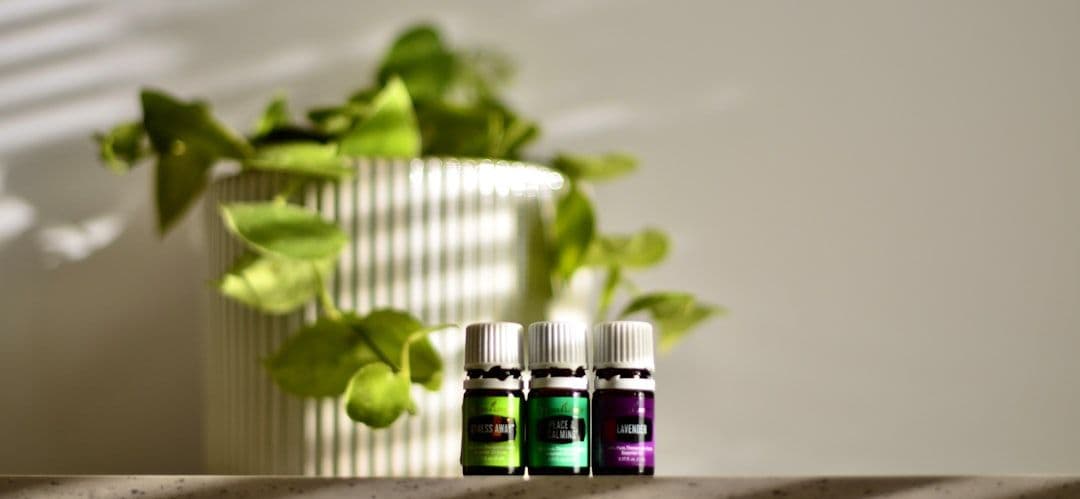
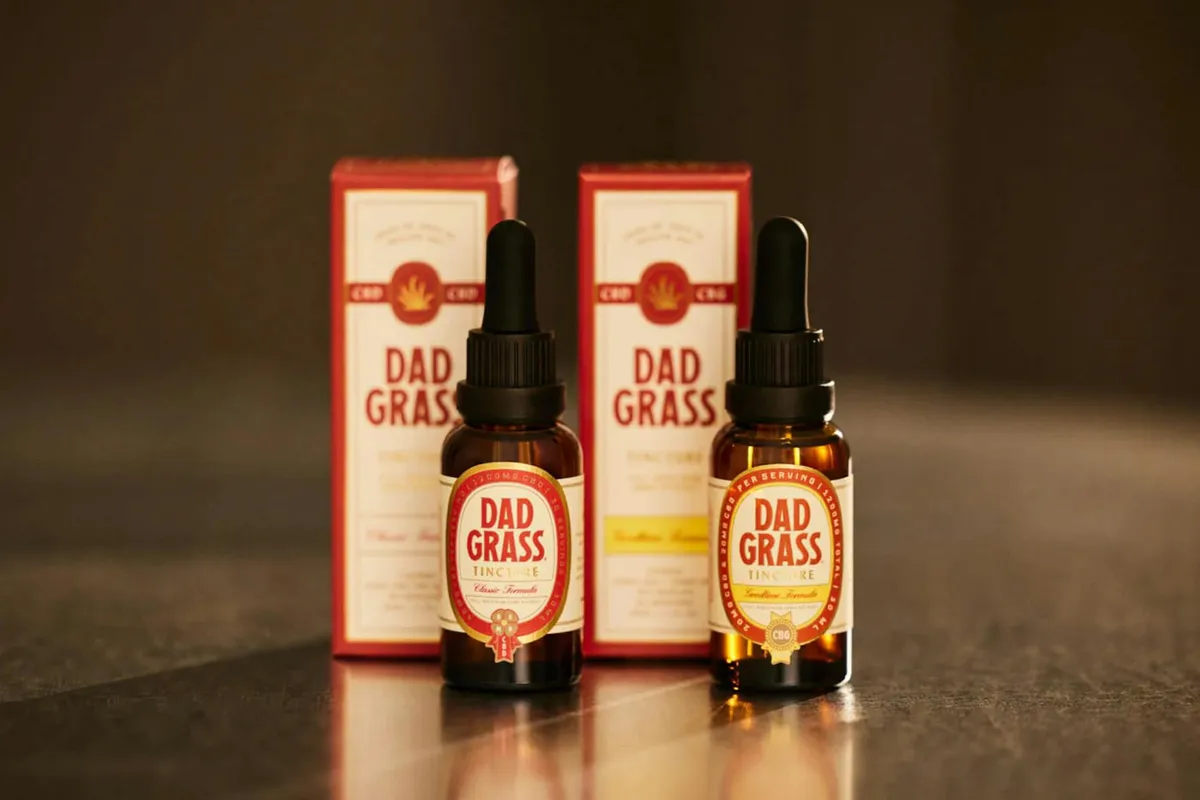
CBD tinctures are liquid hemp extracts taken sublingually (under the tongue) for rapid absorption into the bloodstream
At a glance
What it is
A hemp-derived liquid you hold under your tongue for fast, measurable relief.
Why explore it
May ease anxiety, pain, and sleep troubles, with faster onset than pills or capsules.
How it’s experienced
Hold drops under your tongue for 60 to 90 seconds; effects may arrive within 30 minutes.
Evidence context
Research shows promise for anxiety and sleep, though the science is still catching up.
See the evidence snapshotSafety
Start low, choose third-party tested products, and check with your doctor if on medications.
See staying safeHistory & Origin
CBD Tinctures are liquid extracts taken orally to deliver quick and effective CBD benefits.
The use of cannabis-derived medicines dates back thousands of years, with ancient civilizations in China, India, and the Middle East employing hemp and cannabis for medicinal purposes. However, the modern development of CBD tinctures began in the mid-20th century when researchers started isolating individual cannabinoids from the cannabis plant. Dr. Raphael Mechoulam, often called the 'father of cannabis research,' first isolated and synthesized CBD in 1963, laying the groundwork for understanding its therapeutic potential.
The tincture method itself has roots in traditional herbal medicine, where alcohol-based extracts were commonly used to concentrate plant medicines. Early cannabis tinctures were widely available in American and European pharmacies throughout the 19th and early 20th centuries, prescribed for conditions ranging from pain to epilepsy. This changed dramatically with cannabis prohibition laws in the 1930s and beyond.
The modern resurgence of CBD tinctures began with the passage of the 2014 Farm Bill in the United States, which allowed for hemp cultivation for research purposes. The real breakthrough came with the 2018 Farm Bill, which legalized hemp-derived CBD products containing less than 0.3% THC. This legal framework sparked an explosion in CBD product development, with tinctures becoming one of the most popular delivery methods due to their precise dosing capabilities and rapid onset of effects.
Today's CBD tinctures represent a sophisticated evolution of traditional herbal extraction methods, utilizing modern techniques like CO2 extraction and supercritical fluid extraction to create pure, potent products. The industry has grown from a niche market to a multi-billion dollar sector, with tinctures remaining a cornerstone product due to their versatility and effectiveness.
Mechanism
CBD Tinctures is usually understood through daily choices, patterns, and gradual behavior change rather than a single session effect. Practitioners may focus on food quality, timing, preparation, symptoms, preferences, culture, and sustainability. Some approaches are tradition-based, while others draw on nutrition science or clinical guidelines. Recommendations should be individualized, especially when medical conditions, pregnancy, medications, or restrictive eating patterns are involved. CBD binds to cannabinoid receptors throughout the body's endocannabinoid system, which regulates pain perception, mood, and sleep-wake cycles.
Your first visit
A typical session outline to help you feel prepared
A CBD tincture session is a gentle, at-home experience guided by a knowledgeable practitioner who helps you find the right dose and routine for your wellness goals.
Your practitioner starts by getting to know you, asking about your lifestyle, sleep, stress levels, and what brought you to CBD tinctures. This warm chat sets the tone for a personalized approach.
You'll share your current medications, any supplements you take, and relevant health history so your practitioner can flag any potential interactions and recommend the safest starting point.
Together you'll look at different tincture options, including full-spectrum, broad-spectrum, or isolate formulas, and discuss carrier oils and potency levels that suit your needs and preferences.
Your practitioner recommends a starting dose, typically a low amount like 10 to 25 mg, explaining that CBD works best when introduced gradually so your body can adjust comfortably.
You'll learn to place drops under your tongue using the dropper, hold them there for 60 to 90 seconds, then swallow, a method that supports faster absorption through the mucous membranes.
In the first 15 to 45 minutes after taking your dose, you may notice a mild sense of calm or relaxation, though effects can vary and some people notice subtle shifts over several days of consistent use.
Your practitioner encourages you to log the time, dose, and how you feel each day in a simple notebook or app, making it easier to spot patterns and adjust your routine at follow-up visits.
Before wrapping up, you'll schedule a check-in appointment, usually one to two weeks out, so your practitioner can review your journal notes and fine-tune your dose or formula as needed.
The Evidence
What the research currently shows about CBD tinctures, where evidence is strong, where it is still developing, and what to consider before use.
Promising research, with some areas better supported than others
CBD has its strongest evidence base in certain seizure conditions, with growing but less conclusive research in anxiety, pain, and sleep. Tinctures offer a practical delivery method, though individual responses vary and the field continues to evolve.
The strongest evidence supports CBD for specific epilepsy syndromes, where an FDA-approved medication exists. For anxiety, sleep, and pain, multiple small-to-moderate trials show promising results, but large-scale, long-term studies are still limited. Claims beyond these areas should be viewed with caution.
Placing CBD tincture under the tongue allows absorption through the sublingual mucosa, reaching the bloodstream in roughly 15–30 minutes. This bypasses initial liver processing, which may improve onset speed compared to capsules or edibles. Bioavailability still varies based on formulation quality and individual metabolism.
Scientific interest in CBD has grown substantially over the past decade. Optimal dosing, long-term safety, and delivery-specific effects are active areas of investigation. Current findings are encouraging in several areas, but the evidence base is not yet mature enough to support broad or definitive conclusions.
CBD affects liver enzyme systems and may alter how some prescription medications are processed. People taking blood thinners, those with liver conditions, and those who are pregnant or breastfeeding should seek medical advice before use. Start at the lowest dose, increase gradually, and choose products with verified third-party lab testing.
Anyone on prescription medications, particularly anticoagulants, should discuss CBD use with their doctor before starting. Known allergy to hemp or cannabis products is a reason to avoid use entirely. CBD is not a substitute for professional assessment or management of serious health conditions.
A healthcare provider familiar with cannabinoid medicine can help assess whether CBD tinctures are appropriate, identify potential interactions, and suggest realistic expectations. Self-guided use is common, but professional input is especially important for complex health situations or when other treatments are already in place.
Safety first
General guidance to help you decide whether this approach is appropriate for you. This is informational only and not a substitute for medical, psychological, or professional advice.
If you are pregnant, managing a health condition, recovering from injury or surgery, or taking medication, consult a qualified healthcare professional first.
Some situations call for extra care or a different approach. Share any conditions, injuries, or sensitivities with your practitioner before your first session.
Mild, short-lived effects such as tenderness, tiredness, or temporary soreness can occur. Rest, hydrate, and tell your practitioner how you respond.
Look for clear boundaries, transparent pricing, and practitioners who avoid fear-based claims or pressure to book frequent sessions.
For you?
A simple, human way to weigh it up. This is general guidance, not personal medical advice — a qualified practitioner can advise on your situation.
Gyfts is a discovery platform, not a medical provider. Nothing here diagnoses, treats or replaces professional care. In an emergency, contact your local emergency number.
Explore approaches
Other practices people often explore alongside cbd tinctures.
In their words
FAQ
A CBD tincture session typically involves a consultation to determine appropriate dosage and product type, followed by instruction on proper sublingual administration. You'll place drops under your tongue, hold for 60-90 seconds, then swallow. Effects usually begin within 15-30 minutes and last 4-6 hours. Your practitioner will provide guidance on timing, frequency, and what to expect.
Most people start with an initial consultation followed by 2-3 follow-up sessions over the first month to optimize dosage and monitor effects. After that, many individuals self-administer their tinctures at home with periodic check-ins every few months. The number of sessions depends on your specific condition, response to treatment, and comfort level with self-administration.
When taken sublingually (under the tongue), CBD tinctures typically produce effects within 15-30 minutes. Peak effects usually occur within 1-2 hours and can last 4-6 hours. If swallowed directly, effects may take 30-90 minutes to appear but could last longer. Individual factors like metabolism, body weight, and food intake can affect timing.
Full-spectrum tinctures contain all compounds found in the hemp plant, including trace amounts of THC (less than 0.3%). Broad-spectrum contains multiple cannabinoids and terpenes but with THC removed. Isolate tinctures contain only pure CBD. Full-spectrum may provide enhanced benefits through the 'entourage effect,' while isolate offers the most predictable dosing.
Common side effects are generally mild and may include drowsiness, dry mouth, changes in appetite, or digestive upset. Some people may experience fatigue or mood changes. Serious side effects are rare but can include liver enzyme elevation with very high doses. Starting with low doses and gradually increasing helps minimize side effects.
References
Educational sources that inform this overview. Inclusion is for context and does not imply endorsement.
Full citations are maintained by the Gyfts editorial team and reviewed periodically.
Keep exploring
Browse practitioners, explore honest overviews, and take what you learn to a conversation — at your own pace.