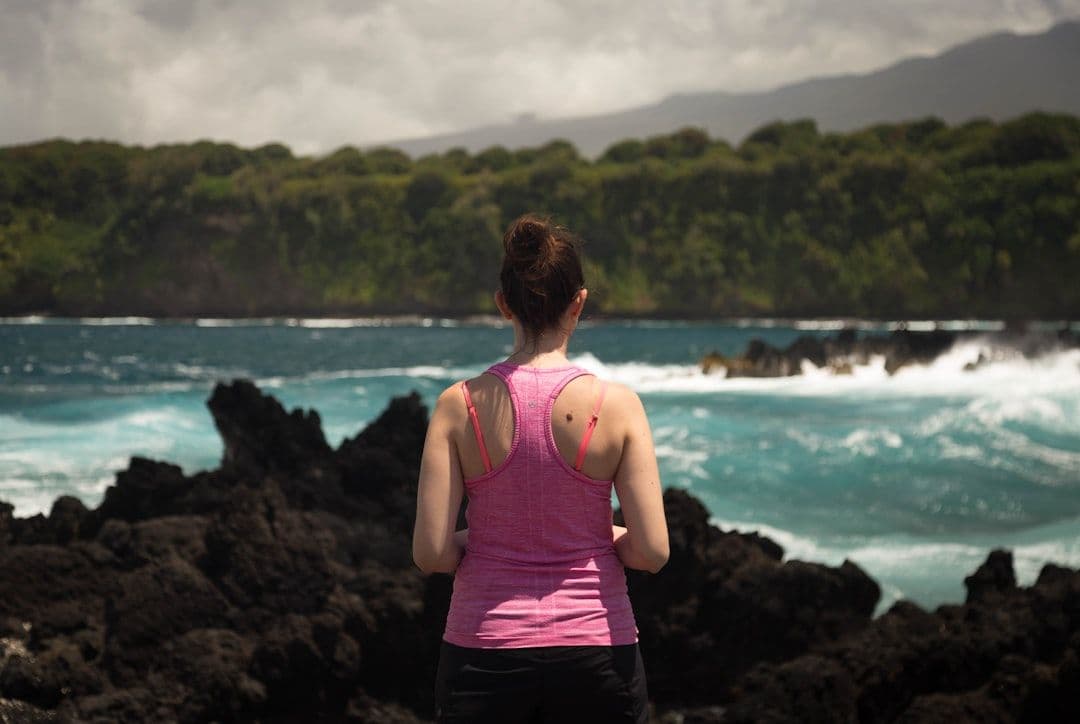
What Is Hawaiian Health?
Picture the rhythmic sound of ocean waves as skilled hands work across your body in fluid, dance-like movements. This is lomilomi—just one element of Hawaiian Health, a wellness approach that weaves together traditional island practices to restore what Hawaiians call *lokahi*: the sacred balance between body, mind, and spirit.
Hawaiian Health encompasses a constellation of indigenous practices including lomilomi massage, hula movement, meditation with nature elements, and *ho'oponopono*—a profound forgiveness and reconciliation process. Rather than treating symptoms in isolation, these practices work as an integrated system to restore harmony between the individual, their community, and the natural world.
Unlike conventional wellness approaches that separate physical from emotional care, Hawaiian Health recognises these dimensions as inseparable. A lomilomi session might address both muscle tension and emotional blockages. Hula practice can simultaneously strengthen the core and reconnect someone with their inner rhythm.
Cultural Roots and Sacred Origins
Hawaiian healing traditions stretch back over a thousand years, developed by Polynesian peoples who understood health as a reflection of one's relationship with the land, sea, and sky. Traditional healers, known as *kahuna*, served as both physicians and spiritual guides, recognising that illness often stemmed from imbalance in these fundamental relationships.
Lomilomi emerged from this worldview as "loving hands" massage—not merely a bodywork technique, but a sacred practice connecting healer and receiver with the healing force of nature itself. The flowing movements mirror ocean currents and wind patterns, whilst the practitioner often chants or prays throughout the session.
*Ho'oponopono*, literally meaning "to make right," developed as a family and community healing process led by elders. When conflict or illness arose, the entire community would gather to restore harmony through prayer, discussion, and ritual forgiveness. Modern adaptations maintain these principles whilst accommodating contemporary life.
How Hawaiian Health Works
Within Hawaiian understanding, health flows from proper alignment with natural forces and community relationships. *Lokahi*—balance and unity—is achieved when the physical body (*kino*), mind (*na'au*), and spirit (*uhane*) function in harmony with each other and with the environment.
Lomilomi practitioners use long, flowing strokes that follow energy pathways believed to run through the body like streams through a landscape. The massage incorporates forearms, palms, and fingers in dance-like movements that practitioners say help release both physical tension and emotional blockages stored in muscle tissue.
*Ho'oponopono* works through guided dialogue and ritual to address conflict, grief, or trauma. Participants move through stages of opening prayer, problem identification, discussion, and resolution, concluding with forgiveness and the ceremonial cutting of negative connections. The process aims to restore *pono*—rightness or balance—between all parties involved.
The Hawaiian Health Experience
A lomilomi session typically begins with quiet conversation about what brings you to the practitioner. You might discuss not just physical discomfort but also life stresses, relationship challenges, or feelings of disconnection. The treatment room often incorporates natural elements—ocean sounds, tropical flowers, or stones from Hawaiian beaches.
The massage itself feels distinctly different from conventional bodywork. Practitioners use broad, sweeping movements that flow continuously across your body, often working multiple areas simultaneously. You might feel their forearms gliding along your back whilst their hands address your shoulders. The rhythm is hypnotic, designed to mirror natural patterns rather than target specific trigger points.
*Ho'oponopono* sessions involve sitting in circle with the facilitator or, in family situations, with relatives. After opening prayers, participants share their perspectives on the conflict or issue. The facilitator guides discussion toward understanding and resolution, concluding with specific forgiveness statements and prayers for release. Sessions can last several hours, with participants often reporting profound emotional shifts.
Finding Hawaiian Health Practitioners
Authentic Hawaiian Health practitioners typically train through cultural lineages rather than formal certification programmes. Look for practitioners who acknowledge their training sources and demonstrate cultural respect rather than appropriation. Many genuine teachers are Native Hawaiian or have studied extensively with Hawaiian elders.
Lomilomi sessions generally cost £60-120, whilst ho'oponopono facilitation ranges from £80-150 per session. Some practitioners offer sliding scale fees to maintain accessibility. Sessions are often less frequent than conventional massage—perhaps monthly rather than weekly—reflecting the deeper, more integrative nature of the work.
When choosing a practitioner, ask about their training lineage and cultural connection to Hawaiian traditions. Authentic practitioners will gladly discuss their teachers and approach to maintaining cultural integrity. They should also explain how they adapt traditional practices for contemporary settings whilst preserving essential spiritual elements.