A Meditation System with Energy Focus
Picture settling into a chair with your hands positioned at specific points on your body, eyes closed, breathing deeply whilst visualising light flowing through energy centres. This captures the essence of a Radiance Technique session — part meditation, part visualisation, part energy work.
The system operates through what practitioners call a seven-degree structure. Each degree introduces new techniques, hand positions, and visualisation practices. Rather than simply sitting quietly, you engage actively with breath patterns, mental imagery, and physical positioning designed to work with what the tradition understands as your energetic anatomy.
Unlike many energy healing approaches that focus primarily on practitioner-to-client sessions, The Radiance Technique emphasises personal practice. Whilst practitioners do offer sessions to others, the core philosophy centres on developing your own capacity for accessing expanded states of consciousness through regular engagement with the techniques.
Origins in Modern Energy Work
The Radiance Technique emerged in the latter half of the 20th century through Barbara Weber Ray, who developed this system after studying various energy healing approaches. Ray sought to create a more structured, systematic method for what she understood as universal life force energy work.
The technique draws from broader traditions of energy healing whilst establishing its own specific methodology and progression system. Rather than claiming ancient lineages, it positions itself as a modern synthesis designed for contemporary practitioners seeking systematic spiritual development.
The system has spread through formal training programmes and certified instructors, maintaining what practitioners describe as the integrity of the original teachings through structured learning pathways rather than informal transmission.
How Energy and Consciousness Interact
Within The Radiance Technique framework, practitioners work with what they understand as universal life force energy — an intelligent force that supports healing and consciousness expansion when accessed through specific methods. The system posits that this energy responds to intention, breath, and focused attention.
Each of the seven degrees introduces practitioners to different aspects of this energy work. Early degrees focus on basic hand positions and breathing patterns. Advanced degrees incorporate more complex visualisations and what practitioners describe as accessing higher dimensional energies.
The practice operates on the principle that regular engagement gradually expands consciousness and removes what practitioners understand as energetic blockages. Sessions typically involve sustained periods of focused attention, with practitioners reporting experiences ranging from deep relaxation to heightened awareness states.
What Happens During Practice
A typical Radiance Technique session begins with settling into a comfortable seated position. You place your hands at specific locations on your body — these positions vary depending on which degree you're practising and what focus the session takes.
Breathing becomes central to the practice. You engage with particular breath patterns whilst maintaining mental focus on visualised light or energy movement. Sessions often last 30-90 minutes, though shorter practices are common for daily maintenance.
Practitioners describe the experience as deeply meditative yet actively engaging. Unlike passive meditation where you simply observe thoughts, Radiance Technique sessions involve directed intention and specific mental imagery. Many report sensations of warmth, tingling, or deep relaxation, though experiences vary considerably between individuals.
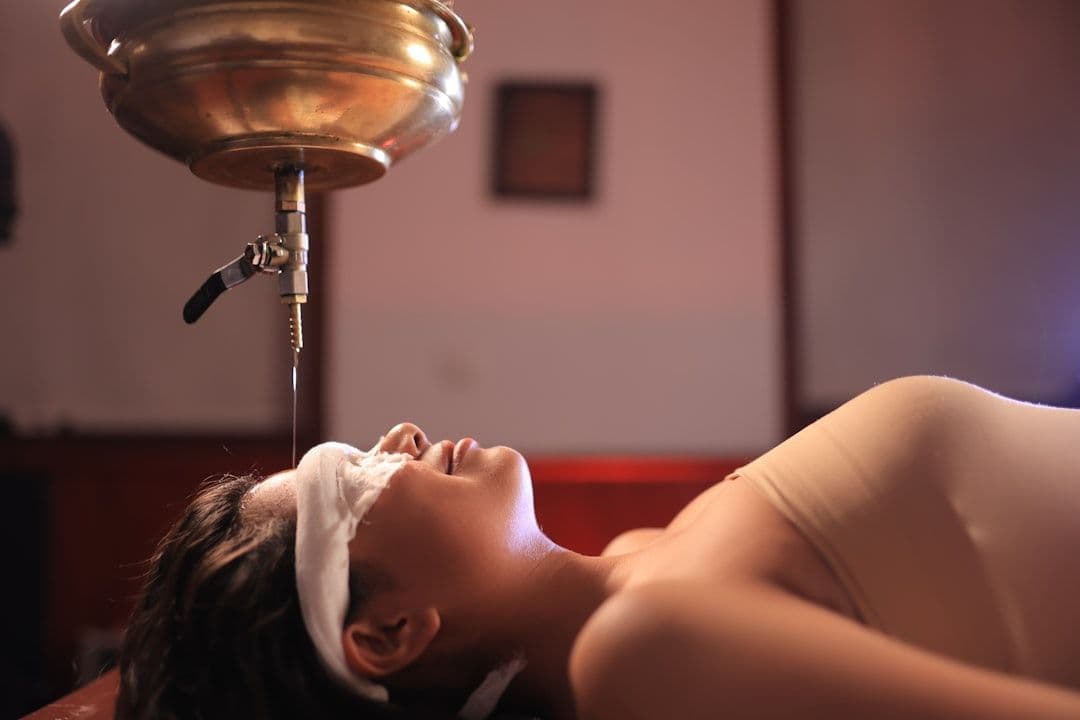
When receiving sessions from trained practitioners, you typically lie on a treatment table whilst the practitioner places their hands at various positions on or near your body, following the same principles they use in personal practice.
Who Explores This Practice
The Radiance Technique particularly appeals to individuals seeking structured approaches to spiritual development. Those who appreciate systematic progression through clearly defined stages often gravitate toward the seven-degree structure.
People dealing with stress or seeking deeper meditation practices sometimes find the combination of breathwork, visualisation, and physical positioning more engaging than traditional sitting meditation. The active nature of the practice can suit those who struggle with purely passive approaches to mindfulness.
Individuals interested in eventually offering energy healing to others appreciate that the system provides both personal development and practitioner training pathways. The structured nature appeals to those who prefer clear guidelines over intuitive approaches to energy work.
Finding Training and Practitioners
The Radiance Technique maintains specific training standards through certified instructors authorised to teach the various degrees. Training typically occurs in workshop format, with each degree requiring separate instruction and practice time before progression.
Expect to invest £150-400 per degree for initial training, with the seven-degree system requiring significant time and financial commitment for complete training. Many practitioners begin with first and second degrees to assess their affinity for the approach before committing to advanced training.
When seeking sessions from practitioners, look for those who have completed at least third or fourth degree training and can provide details about their instruction lineage. Individual sessions typically range from £40-80, with practitioners often recommending series of sessions for optimal benefit.
The Radiance Technique Association maintains registries of certified practitioners and instructors, though availability varies considerably by location. Many practitioners also offer distance sessions, working with the principle that energy transcends physical proximity.