What it is
A New Age energy system using guided practice to balance chakras and deepen spiritual awareness.
The Radiance Technique is an energy healing and meditation system designed to awaken consciousness, balance energy centers, and promote i...

At a glance
What it is
A New Age energy system using guided practice to balance chakras and deepen spiritual awareness.
Why explore it
Practitioners report it may ease stress, sharpen emotional clarity, and support personal transformation.
How it’s experienced
Sessions blend guided meditation and energy awareness, often leaving people feeling calm and reflective.
Evidence context
Support comes from personal accounts rather than clinical trials, so results vary widely between people.
See the evidence snapshotSafety
Low risk for most, but those with trauma or psychiatric conditions should check with a provider first.
See staying safeHistory & Origin
The Radiance Technique is an energy healing and meditation system designed to awaken consciousness, balance energy, and promote inner peace.
The Radiance Technique emerged in the late 20th century as part of the broader energy healing and New Age spiritual movements. It draws inspiration from various ancient mystical traditions, Eastern meditation practices, and modern consciousness exploration, combining elements of chakra systems, breath work, and visualization techniques. The practice reflects a contemporary approach to accessing higher consciousness and energy awareness that gained prominence during the 1980s and 1990s wellness movement. The Radiance Technique has continued to develop through various practitioners and teachers who have refined and adapted the core principles to support spiritual development and holistic well-being.
Mechanism
The Radiance Technique is best framed as a traditional, symbolic, energetic, reflective, or spiritual practice rather than a validated medical mechanism. Practitioners may use ritual, attention, sound, imagery, touch-free work, cards, symbols, prayer, or intention to support meaning-making and a sense of connection. People may explore it for reflection, calm, or spiritual context, while health claims should remain cautious and personal. The Radiance Technique employs guided meditation and visualization practices designed to activate and balance the body's purported energy centres.
Your first visit
A typical session outline to help you feel prepared
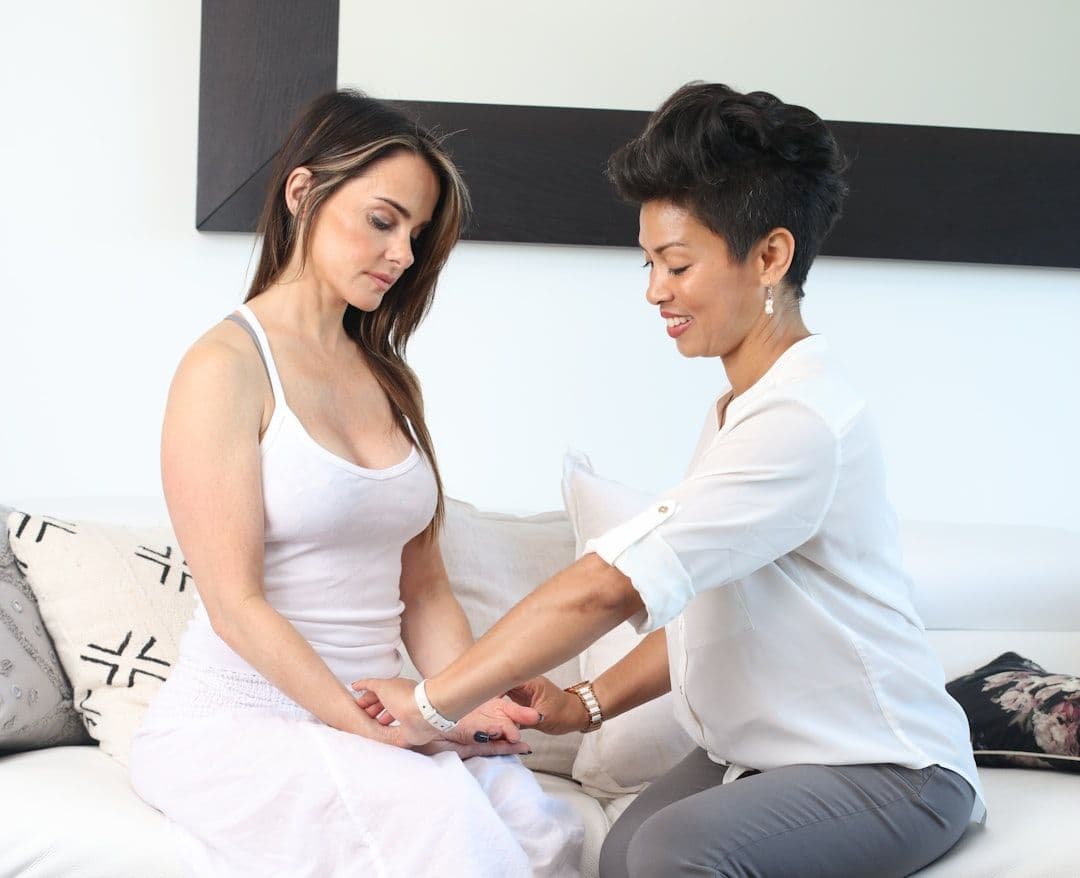
A Radiance Technique session combines gentle hands-on energy work with inner awareness to support your natural wholeness and wellbeing.
Your practitioner warmly greets you and invites you to share what's on your mind, what you're hoping to explore, and any questions you have about The Radiance Technique.
If this is your first session, your practitioner explains the foundational principles of The Radiance Technique, including how universal energy is accessed and what the hands-on process involves, so y
You remain fully clothed and settle onto a massage table or a comfortable chair. Loose, comfortable clothing is ideal, and your practitioner ensures you feel relaxed and supported before anything begins.
Your practitioner takes a moment to center themselves and attune to the Radiance Technique energy, creating a calm and focused space for the session to unfold with intention.
Your practitioner places their hands gently on or just above a sequence of positions on your head, torso, and limbs, corresponding to your body's energy centers. Each position is held for several minu
Throughout the session you are encouraged to rest in open awareness, noticing any sensations, images, or feelings without judgment. There is nothing you need to do — simply receiving is enough.
As the session draws to a close, your practitioner gently brings the energy work to completion, giving you a few quiet moments to return to full alertness before sitting or standing.
You and your practitioner briefly reflect on your experience together. They may suggest a session rhythm and offer simple awareness practices to support the subtle shifts that often continue unfolding in the days ahead.
The Evidence
What the evidence says about The Radiance Technique, and how to understand it within a spiritual and wellness context.
A spiritual practice with limited formal research
The Radiance Technique sits within a metaphysical framework where personal experience and spiritual alignment are the primary measures of value. Formal scientific research specific to this technique is not currently available.
The Radiance Technique draws on energy healing traditions, chakra concepts, and meditation to support spiritual development and inner awareness. Its framework is metaphysical rather than clinical, meaning its value is understood through personal experience and spiritual goals rather than measurable biological outcomes. This is consistent with how similar energy and consciousness practices are understood.
There is no published clinical research specific to this modality. Broader evidence for related practices such as meditation and guided relaxation shows benefits for stress and emotional well-being, but these findings cannot be directly applied to The Radiance Technique. Practitioners and users report relaxation, emotional clarity, and spiritual insight, though these accounts are anecdotal.
Developed in the 1980s and 1990s, The Radiance Technique draws from Eastern meditation, chakra systems, and modern consciousness exploration. It reflects a contemporary synthesis of older mystical traditions adapted for personal spiritual development. Its value is best assessed within this lineage rather than against biomedical standards.
Because formal evidence is limited, individuals considering The Radiance Technique are encouraged to reflect on their own spiritual goals, openness to energy-based frameworks, and what they hope to experience. Trying a session with a trained practitioner and noticing your own response is a reasonable way to assess whether this approach supports your well-being.
The Radiance Technique is considered low risk for most people. However, those with serious mental health conditions, active trauma, or recent psychiatric care should consult their provider before beginning. Energy work can sometimes surface emotions; a well-trained practitioner will maintain appropriate boundaries and refer clients to mental health support when needed.
If you are experiencing persistent physical symptoms, significant mental health challenges, or emotional distress that is not improving, please consult a licensed healthcare or mental health provider. The Radiance Technique may complement personal wellness goals but is not a substitute for professional assessment or support for medical or psychiatric concerns.
Safety first
General guidance to help you decide whether this approach is appropriate for you. This is informational only and not a substitute for medical, psychological, or professional advice.
If you are experiencing severe distress, suicidal thoughts, psychosis, acute trauma, or another serious mental health concern, seek qualified support first.
This approach is not suitable for diagnosis, treatment instructions, or decisions that require medical, legal, financial, or professional advice.
Look for clear boundaries, transparent pricing, and practitioners who avoid fear-based claims or pressure to book frequent sessions.
Treat any insight as one reflective perspective, not absolute truth. Important decisions should be considered with appropriate professional support.
For you?
A simple, human way to weigh it up. This is general guidance, not personal medical advice — a qualified practitioner can advise on your situation.
Gyfts is a discovery platform, not a medical provider. Nothing here diagnoses, treats or replaces professional care. In an emergency, contact your local emergency number.
Explore approaches
Other practices people often explore alongside the radiance technique.
In their words
FAQ
Experiences vary widely and are deeply individual. Many people report deep relaxation, mental stillness, or a sense of peace. Some describe feelings of warmth, tingling, or color visions. Others experience emotional release or subtle insights. Some people feel very little during the session but notice benefits like improved sleep or clarity in the days that follow. There is no 'right' experience—whatever unfolds is considered valid and valuable.
This depends on your goals and individual response. Some people try one session to explore the modality. Others commit to a series (typically 4-6 sessions) to establish a foundation and notice cumulative benefits. Many practitioners recommend ongoing regular sessions for sustained energy work and spiritual development. Your practitioner can help you determine an appropriate schedule based on your needs and intentions.
No. The Radiance Technique is a spiritual practice and meditation system, not a religious doctrine or organized religion. It is compatible with various faith traditions and belief systems, and people of different backgrounds practice it. It focuses on energy, consciousness, and personal transformation rather than specific religious beliefs.
Yes, many people use The Radiance Technique alongside conventional medical care and other therapies. However, it should never replace necessary medical diagnosis or treatment. Always inform both your healthcare provider and your energy practitioner about other treatments you are receiving, and do not discontinue any prescribed medications without medical guidance.
Training standards vary. Some practitioners have completed formal certification programs or apprenticeships, while others are self-taught. When choosing a practitioner, ask about their training background, how long they have practiced, whether they have mentorship or certification, and their approach to continuing education. Qualified practitioners are transparent about their qualifications and honest about the scope of their work.
The Radiance Technique is an energy-based practice that exists within a traditional and spiritual framework rather than a medical or scientific one. While many practitioners and clients report positive experiences and benefits, rigorous scientific studies specifically validating the technique are limited. The practice is best understood through a spiritual lens while being used in complement to—not in place of—evidence-based medical care.
References
Educational sources that inform this overview. Inclusion is for context and does not imply endorsement.
Full citations are maintained by the Gyfts editorial team and reviewed periodically.
Keep exploring
Browse practitioners, explore honest overviews, and take what you learn to a conversation — at your own pace.