Three Overlapping Disciplines
Myotherapy, physiotherapy, and remedial massage all involve hands-on work with soft tissue and are all used for musculoskeletal pain. The confusion between them is understandable and common — particularly in countries like Australia where all three are well-established professions, and in European and North American markets where myotherapy is a newer and less widely known discipline. Understanding the differences in scope, training, and technique helps you choose the most appropriate pathway for your situation and avoid both under- and over-treating.
Physiotherapy: Broadest Scope
Physiotherapy is a regulated healthcare profession with a scope that extends well beyond musculoskeletal conditions. Physiotherapists are trained to assess and manage neurological conditions (stroke rehabilitation, Parkinson's disease, multiple sclerosis), cardiorespiratory conditions (chronic obstructive pulmonary disease, post-cardiac surgery rehabilitation), pelvic floor dysfunction, paediatric developmental conditions, vestibular disorders, and post-surgical rehabilitation across all body systems. Musculoskeletal physiotherapy — the treatment of joints, muscles, and movement — is the largest single speciality within physiotherapy, but it sits alongside these other domains in the profession's training and scope.
A physiotherapy session for musculoskeletal pain will typically involve a detailed assessment followed by a combination of manual therapy (joint mobilisation, soft tissue work, sometimes dry needling where the physiotherapist has additional training), exercise prescription, and education. Physiotherapy appointments in public health systems and many private clinics run 30 to 45 minutes, with a significant proportion of that time allocated to exercise review and education rather than hands-on treatment. Private physiotherapy appointments of 60 minutes allow more manual therapy time but still follow the same general framework.
Physiotherapy is typically the appropriate first choice for: post-surgical rehabilitation; neurological conditions; conditions requiring medical co-management or specialist referral from within a regulated healthcare context; cardiorespiratory conditions; and complex musculoskeletal presentations where imaging, diagnosis, and multidisciplinary coordination are required.
Myotherapy: Specialist Soft Tissue Focus
Myotherapy sits within the complementary and allied health space as a specialist soft tissue discipline. Its scope is narrower than physiotherapy — exclusively musculoskeletal and myofascial — but within that domain, its training in hands-on soft tissue technique is typically more intensive. Myotherapy training covers trigger point identification and treatment, dry needling, myofascial assessment, corrective exercise, and postural analysis in depth. The defining clinical feature of myotherapy is its systematic approach to myofascial trigger points and the referred pain patterns they produce — a framework that is well-established but not always given the same emphasis in physiotherapy or osteopathy training.
Myotherapy is typically the appropriate choice for: chronic or recurring musculoskeletal pain where structural pathology has been ruled out; myofascial pain syndrome with trigger point presentation; back and neck pain with a clear soft tissue component; tension headaches with a cervicogenic or myofascial driver; sports injuries requiring intensive soft tissue rehabilitation alongside exercise; and occupational overuse syndromes where postural correction and trigger point management are the primary requirements. Myotherapy sessions are typically 60 to 90 minutes, with a higher proportion of hands-on treatment time relative to the session length compared to many physiotherapy appointments.
Remedial Massage: General Soft Tissue Care
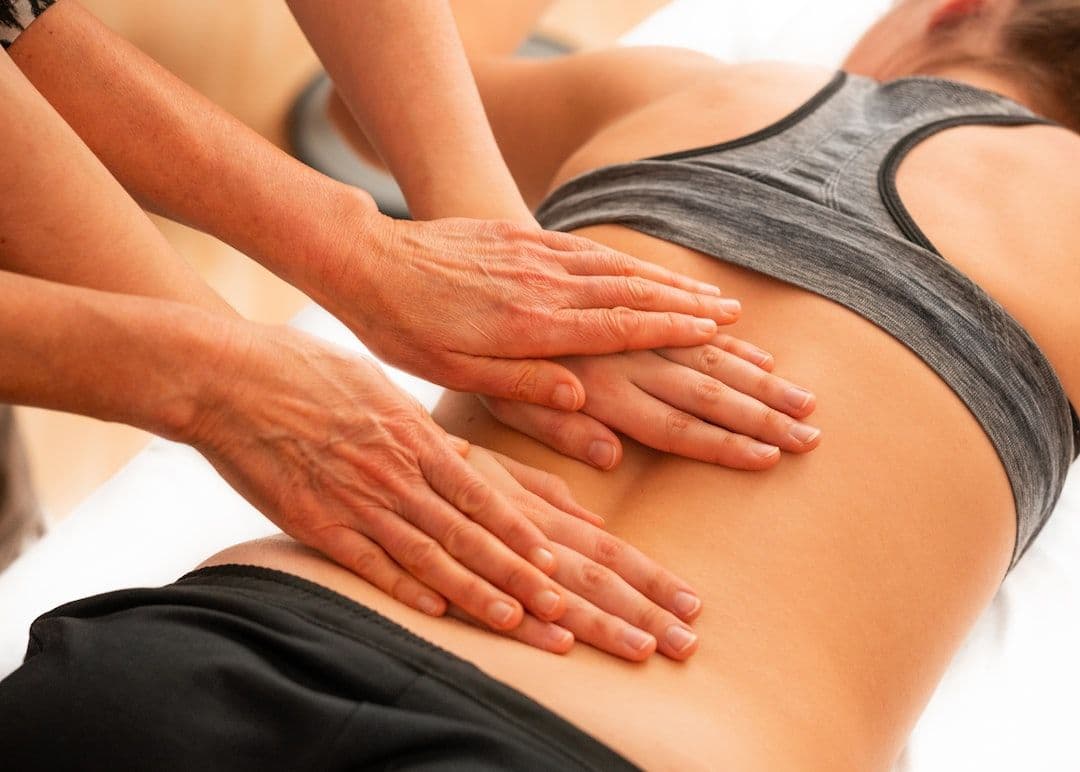
Remedial massage is a soft tissue therapy focused on muscle relaxation, tension release, and general wellbeing. It does not operate within a clinical diagnosis framework — remedial massage therapists do not assess musculoskeletal function in the same clinical sense as myotherapists or physiotherapists, do not perform dry needling, and do not develop structured rehabilitation exercise programmes. The training pathway for remedial massage is typically shorter than for myotherapy or physiotherapy and operates at a Certificate or Diploma level in most countries, compared to bachelor's degree level for the clinical disciplines.
Remedial massage is entirely appropriate for: general soft tissue maintenance and relaxation; stress-related muscle tension without specific pathology; recovery between clinical treatment sessions; people who want regular hands-on soft tissue work and are not dealing with a specific pain condition requiring clinical management; and as a complement to both physiotherapy and myotherapy for general wellbeing. Where it becomes insufficient is when the person has a specific, recurring, or complex musculoskeletal pain presentation — at that point, the absence of clinical assessment and rehabilitation exercise means the underlying cause of the problem is unlikely to be identified or addressed.
Training and Qualifications Compared
Physiotherapists complete a bachelor's or master's degree in physiotherapy — typically 4 years at undergraduate level — followed by professional registration with a national regulatory body (HCPC in the UK, AHPRA in Australia, CORU in Ireland). Their training covers the full scope of physiotherapy practice across all body systems. Myotherapists in Australia complete a bachelor's degree in myotherapy (typically 3 years) through accredited institutions, with professional membership through the Myotherapy Association Australia or the Australian Traditional-Medicine Society. In Europe and North America, the training landscape is more variable; prospective patients should look for practitioners with degree-level qualifications and professional membership in a recognised body. Remedial massage therapists complete a Certificate IV or Diploma in Remedial Massage in Australia (approximately 12 to 18 months of study), or equivalent national-level training in other countries.
When to Use Which — A Practical Guide
Post-surgery or after a significant injury: start with physiotherapy for medical coordination, exercise prescription, and structured rehabilitation. Add myotherapy once the acute phase has resolved if soft tissue restrictions and trigger points are limiting full recovery. Chronic back, neck, or shoulder pain with no structural pathology identified: myotherapy is typically the most directly targeted choice. Stress-related muscle tension with no specific injury: remedial massage is appropriate and may be all that is needed. Tension headaches originating from the neck and upper back: myotherapy, specifically targeting cervicogenic trigger points. Sports performance maintenance and recovery: a combination of all three is common among elite athletes — myotherapy for soft tissue quality, physiotherapy for injury management and biomechanics, remedial massage for recovery. Uncertain about what you need: book a myotherapy initial consultation. The assessment component of a myotherapy appointment will identify whether your pain is musculoskeletal in nature and which practitioners or treatments are most appropriate, including whether a GP review or physiotherapy assessment is needed first.