What it is
A whole-person healing system blending herbs, ceremony, storytelling, and spiritual ritual.
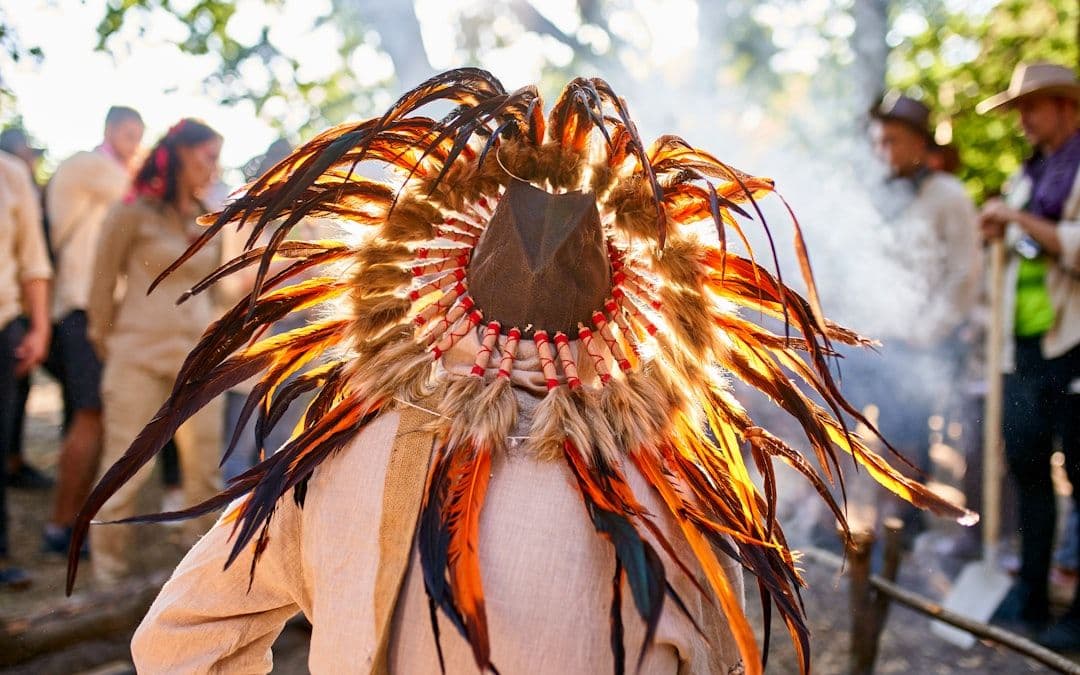
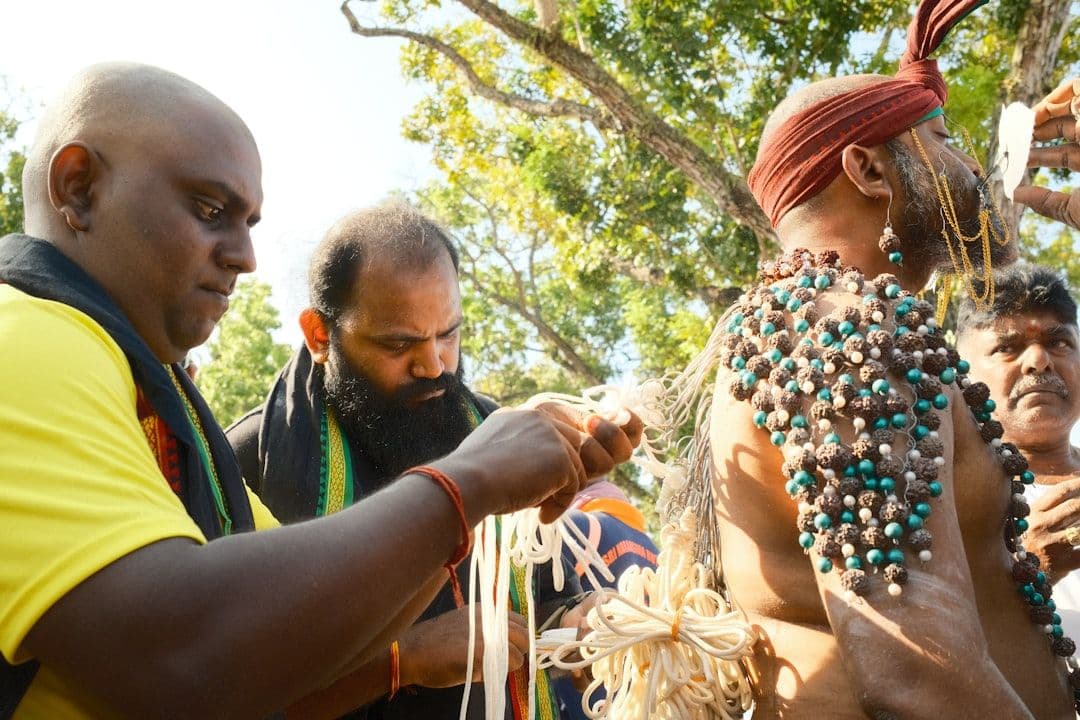
Aboriginal practices encompass traditional Indigenous healing methods that integrate herbal medicine, spiritual ceremonies, and community...
At a glance
What it is
A whole-person healing system blending herbs, ceremony, storytelling, and spiritual ritual.
Why explore it
Offers stress relief, spiritual grounding, and holistic care through ancestral and land-based practices.
How it’s experienced
Expect communal ceremonies, elder storytelling, plant guidance, or cleansing rituals tied to place and culture.
Evidence context
Rooted in generations of oral tradition rather than clinical trials, with limited formal research to date.
See the evidence snapshotSafety
Low-risk with authorized practitioners; disclose medications and consult your doctor if mental health concerns exist.
See staying safeHistory & Origin
Aboriginal practices use holistic healing methods connecting body, mind, spirit, and environment, focusing on herbal medicine, spiritual healing, and community-based rituals.
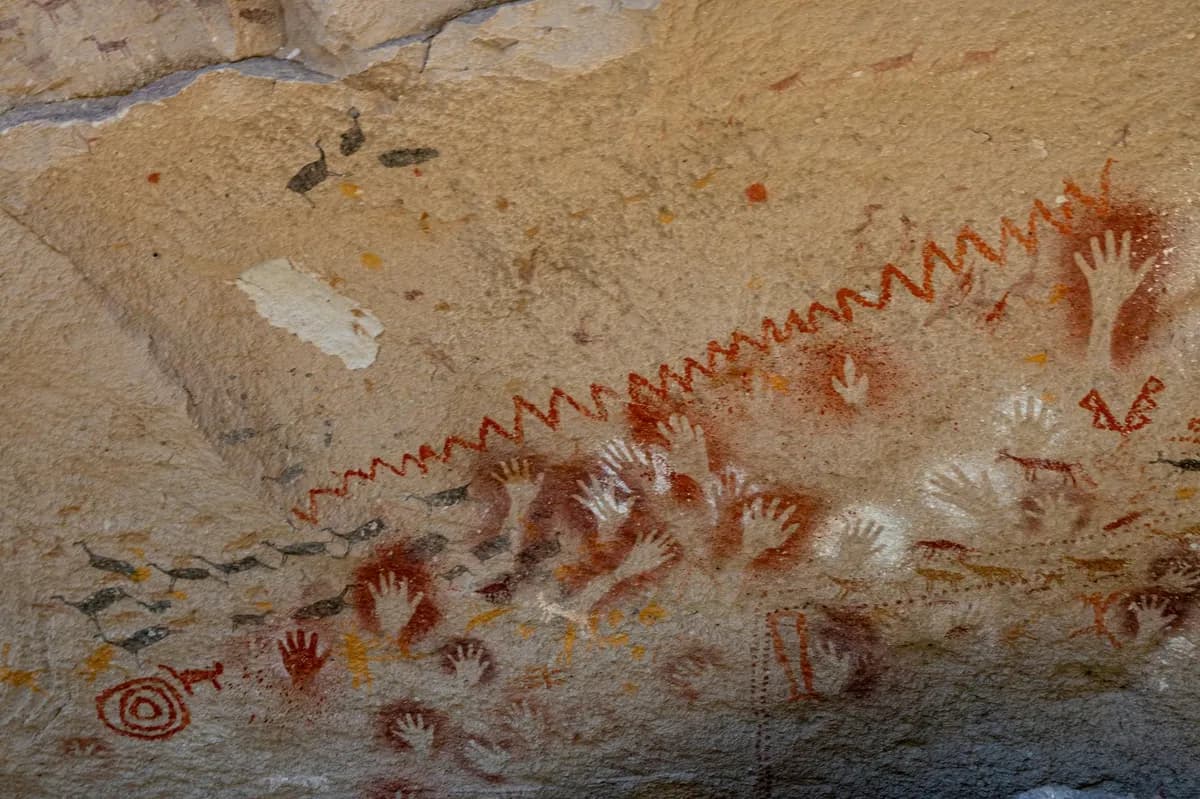
Aboriginal healing practices represent some of the world's oldest continuous healing traditions, spanning over 65,000 years across Indigenous communities in Australia and tens of thousands of years among other Indigenous peoples globally. These healing systems developed independently across diverse cultures, from Australian Aboriginal peoples to Native American tribes, each creating sophisticated understanding of local medicinal plants, energy healing, and ceremonial practices. Traditional healers, known by various names such as medicine men, shamans, or elders, passed down knowledge through oral tradition, apprenticeships, and ceremonial initiation.
The colonial period severely disrupted many Aboriginal healing traditions, with government policies often prohibiting traditional practices and forcing Indigenous peoples away from their ancestral lands and healing resources. Despite these challenges, many communities maintained their healing knowledge in secret or adapted practices to survive. The late 20th century saw renewed interest in traditional healing methods, both within Indigenous communities seeking to reclaim their heritage and among non-Indigenous people drawn to holistic approaches.
Key figures in preserving and sharing Aboriginal healing wisdom include elders and medicine keepers who risked persecution to maintain oral traditions, as well as contemporary Indigenous healers who work to bridge traditional knowledge with modern healthcare. The spread of Aboriginal healing practices beyond their originating communities has occurred through cultural exchange, academic research, and the global movement toward integrative medicine, though this expansion raises important questions about cultural appropriation and the need for respectful engagement with Indigenous knowledge systems.
Mechanism
Aboriginal Practices is a broader health tradition or knowledge system rather than a single technique. Practitioners may draw on cultural teachings, observation, lifestyle guidance, ritual, remedies, bodywork, or community practice. Its working model should be described in its own traditional context and not overstated as biomedical proof. People may explore it for cultural continuity, reflection, and supportive wellbeing practices. Aboriginal healing practices operate on the principle that health reflects balance across physical, emotional, spiritual, and environmental dimensions.
Your first visit
A typical session outline to help you feel prepared
A session blends conversation, ceremony, and natural medicine to support your whole being — body, spirit, and connection to Country.
Your practitioner opens the session by acknowledging the land and ancestors, grounding the space in cultural respect. You may be invited to sit quietly and simply arrive.
You share what has brought you in through relaxed, story-based conversation called yarning. There is no formal intake form — your practitioner listens deeply to your physical, emotional, and spiritual story.
The practitioner reads your energy and listens for imbalances across body, mind, and spirit. They may ask about your dreams, relationships, or sense of connection to the natural world.
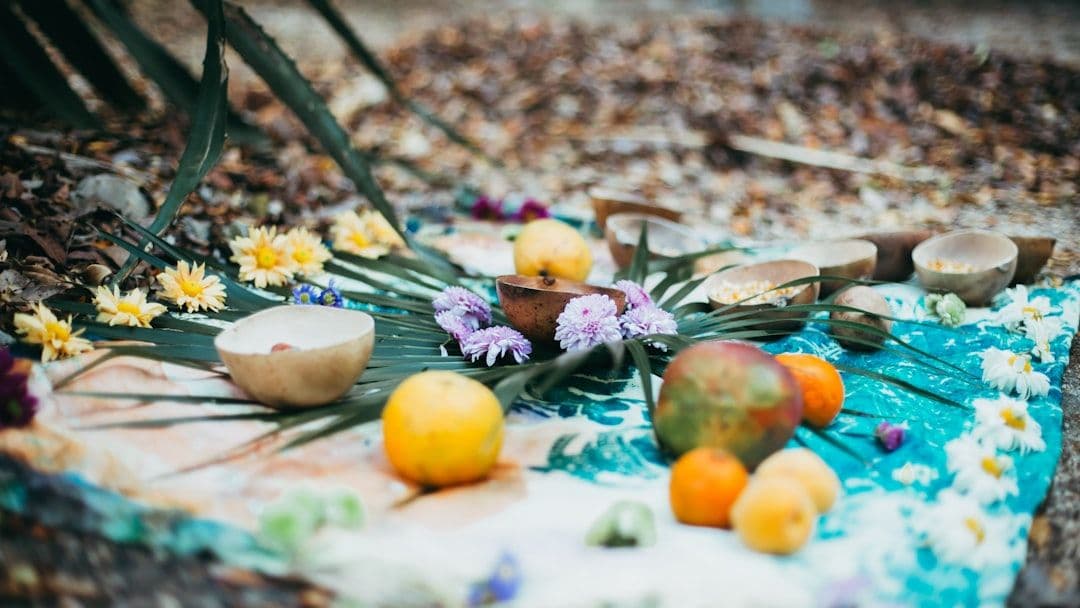
The practitioner prepares the ceremonial space, which may include arranging plant medicines, ochre, or sacred objects. You may be asked to remove shoes to feel grounded to the earth.
Native plants are burned and you are gently guided through the smoke to cleanse your energy field. The warmth and earthy aroma are calming, and the smoke is kept light and brief for comfort.
Depending on your needs, the practitioner may apply plant-based preparations to the skin, work with energy through gentle touch or gesture, or guide you through sound and song. You may feel warmth, ti
The practitioner shares relevant Dreaming stories or teachings that speak to your situation, offering spiritual insight rather than direct advice. This is a reflective and often quietly profound part of the session.
The session closes with gratitude to ancestors and Country. Your practitioner offers simple guidance for the days ahead, such as spending time in nature, specific teas, or mindful practices to continu
The Evidence
What research and tradition tell us about Aboriginal healing practices, and where the evidence base currently stands.
Ancient tradition, limited formal research
Aboriginal healing practices carry over 65,000 years of continuous tradition, but formal scientific research remains limited. Evidence is strongest for specific plant medicines; the broader healing system is difficult to study using conventional methods.
Some individual traditional plant medicines have been studied with promising results. However, the broader healing system — including ceremonial, spiritual, and community dimensions — is rarely captured in standard clinical research. The evidence base should be understood as traditional use supported by limited formal study, not as a clinically validated care approach.
Aboriginal healing does not separate body from mind, spirit, or land. This integrated approach is central to its logic but also makes it difficult to evaluate using conventional trial methods, which typically isolate single variables. The holistic nature is a feature of the system, not a gap in it.
Passed down through oral tradition, apprenticeship, and ceremony, these systems developed sophisticated knowledge of local plants, energy, and community wellbeing. Colonial-era disruption suppressed many practices, but significant knowledge has been preserved and continues to be practised and revitalised by Indigenous communities today.
Authentic Aboriginal healing is embedded in specific cultural relationships, community accountability, and ancestral knowledge. Seekers should look for practitioners with genuine cultural connection and community standing. Be cautious of practitioners who present these traditions without authentic ties, as this raises both ethical and safety concerns.
Aboriginal plant medicines vary considerably across different Country and language groups, and preparations used in one community may differ in composition and application from those used in another. Some preparations may interact with prescription medications or cause allergic reactions. Pregnant or breastfeeding individuals should take particular care. Those with serious mental health conditions should consult a qualified healthcare provider before engaging in intensive ceremonial or spiritual practices.
For First Nations seekers especially, navigating dual-care pathways — holding both Aboriginal healing and biomedical care — can be complex, and community-based referral networks often play a central role in guiding that process. These practices are not a substitute for professional assessment of serious conditions. Many communities are also rightly protective of traditional knowledge. Engage with openness and respect, and maintain existing healthcare relationships alongside any complementary exploration.
Safety first
General guidance to help you decide whether this approach is appropriate for you. This is informational only and not a substitute for medical, psychological, or professional advice.
If you are pregnant, managing a health condition, recovering from injury or surgery, or taking medication, consult a qualified healthcare professional first.
Some situations call for extra care or a different approach. Share any conditions, injuries, or sensitivities with your practitioner before your first session.
Look for clear boundaries, transparent pricing, and practitioners who avoid fear-based claims or pressure to book frequent sessions.
Mild, short-lived effects such as tenderness, tiredness, or temporary soreness can occur. Rest, hydrate, and tell your practitioner how you respond.
For you?
A simple, human way to weigh it up. This is general guidance, not personal medical advice — a qualified practitioner can advise on your situation.
Gyfts is a discovery platform, not a medical provider. Nothing here diagnoses, treats or replaces professional care. In an emergency, contact your local emergency number.
Explore approaches
Other practices people often explore alongside aboriginal practices.
In their words
Read next
FAQ
A typical Aboriginal Practices session involves an intake to understand goals and preferences, followed by guided techniques aligned to the approach, with time for questions and aftercare suggestions.
The number of sessions varies by goals, preferences, and individual response. Some people try a short series and then reassess with the practitioner.
Aboriginal Australian healing traditions are among the world's oldest continuous knowledge systems, spanning over 65,000 years. They are rooted in connection to Country — the understanding that human health is inseparable from the health of land, water, community, and spirit. Healing approaches include the use of native plant medicines, smoking ceremonies for cleansing and protection, sound healing through didgeridoo and song, healing through ceremony and community ritual, and the role of healers (Ngangkari in Central Australia) who work across physical, emotional, and spiritual dimensions simultaneously. Knowledge is held within community and transmitted through oral tradition, initiation, and practice.
Country — in Aboriginal understanding — is not simply land but a living relational network of ancestral knowledge, ecological connection, and spiritual presence. Health is maintained through active, reciprocal relationship with Country: through caring for the land, observing the seasons, maintaining cultural practices, and sustaining connection to ancestral heritage. Disconnection from Country — through dispossession, forced removal, or urbanisation — is understood as a primary source of ill health. This is increasingly supported by research showing that cultural connection, land-based activity, and community belonging are among the strongest protective factors for Aboriginal and Torres Strait Islander wellbeing.
Aboriginal healing knowledge belongs to Aboriginal communities — it is not freely available for general adoption or commercialisation. Respectful engagement means: seeking practices through Aboriginal-led organisations and practitioners, acknowledging the source and cultural context, supporting Aboriginal community-controlled health services, and approaching with genuine humility and a willingness to learn on the community's terms. Be cautious of non-Aboriginal practitioners presenting Aboriginal ceremony or healing as a service offering — authentic engagement is grounded in relationship and community permission, not commercial transaction.
References
Educational sources that inform this overview. Inclusion is for context and does not imply endorsement.
Full citations are maintained by the Gyfts editorial team and reviewed periodically.
Keep exploring
Browse practitioners, explore honest overviews, and take what you learn to a conversation — at your own pace.