What it is
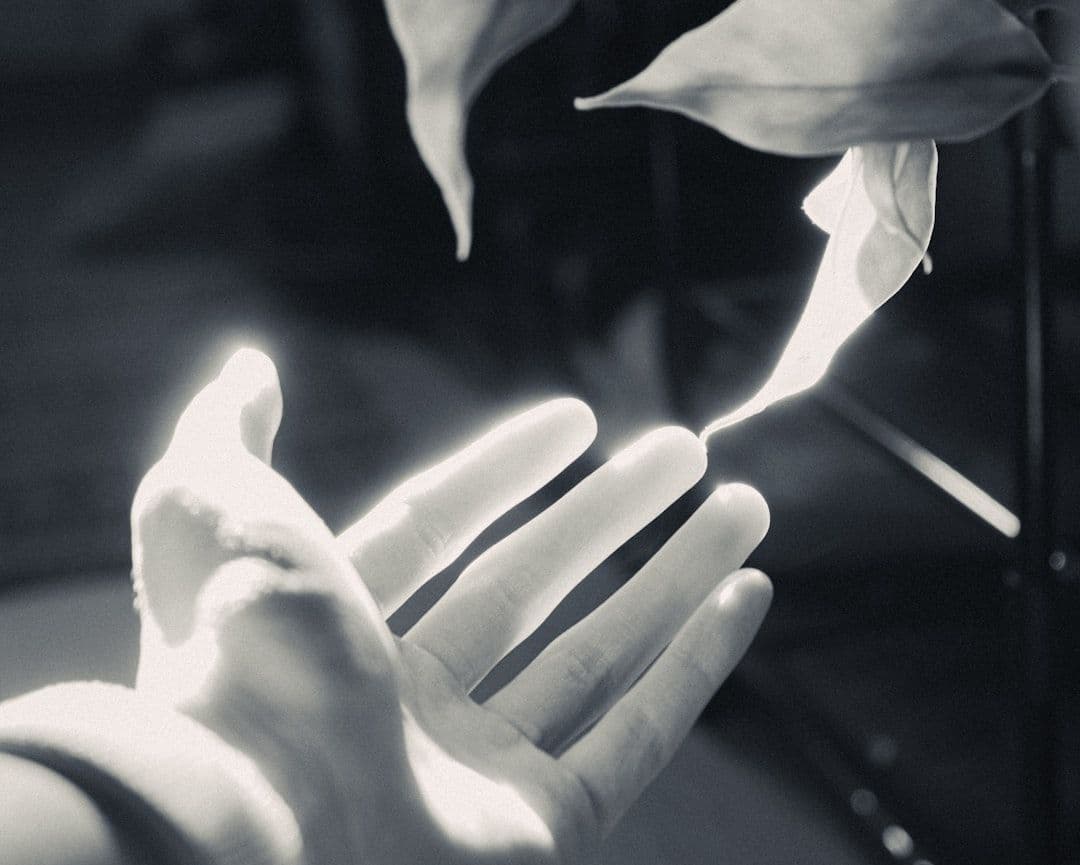
Attunement uses gentle touch or near-touch to balance your energy and support whole-person wellbeing.
Attunement is a gentle energy healing practice that aims to balance and harmonize the body's life force energy to promote physical, emoti...

At a glance
What it is
Attunement uses gentle touch or near-touch to balance your energy and support whole-person wellbeing.
Why explore it
People turn to Attunement for stress relief, emotional healing, and spiritual growth alongside regular care.
How it’s experienced
You rest fully clothed while a practitioner works near your body, often bringing deep calm and warmth.
Evidence context
Research on Attunement is limited, so it's best explored as a complement to conventional medical care.
See the evidence snapshotSafety
Generally very low-risk, though those with implants or psychiatric conditions should check with a doctor first.
See staying safeHistory & Origin
Attunement uses energy healing to balance the body, mind, and spirit for overall well-being.
Attunement as a formal healing practice emerged in the mid-20th century, drawing from ancient spiritual traditions that recognize the existence of subtle energy fields surrounding and permeating the human body. The practice was significantly developed by Lloyd Arthur Meeker in the 1940s through his organization Emissaries of Divine Light, who systematized techniques for working with what he termed the 'pneumaplasm' or life force energy.
The philosophical foundations of Attunement can be traced to various spiritual and metaphysical traditions, including ancient Chinese concepts of qi, Indian prana, and Western esoteric teachings about the human energy body. Meeker's approach emphasized the importance of maintaining proper energy flow through specific hand positions and focused intention, believing that disruptions in this energy field were the root cause of physical and emotional ailments.
Throughout the latter half of the 20th century, Attunement spread through spiritual communities and alternative healing networks, particularly gaining traction during the New Age movement of the 1960s and 70s. Practitioners began establishing training programs and certification processes, adapting the original techniques while maintaining the core principles of energy balancing and spiritual alignment.
Today, Attunement continues to evolve as practitioners integrate modern understanding of biofields and consciousness studies, while maintaining its roots in spiritual healing traditions. The practice has spread globally, with various schools and lineages offering their own interpretations and methodologies.
Mechanism
Attunement is best framed as a traditional, symbolic, energetic, reflective, or spiritual practice rather than a validated medical mechanism. Practitioners may use ritual, attention, sound, imagery, touch-free work, cards, symbols, prayer, or intention to support meaning-making and a sense of connection. People may explore it for reflection, calm, or spiritual context, while health claims should remain cautious and personal. Practitioners assess imbalances in the body's subtle energy field through observation, intuition, or direct sensing.
Your first visit
A typical session outline to help you feel prepared
An Attunement session is a gentle energy-based experience where a practitioner works with your body's natural life current, helping you settle into deep stillness and balance.
You'll arrive and chat with your practitioner about your health history, energy patterns, and what you're hoping to experience. This conversation helps the practitioner understand where you are and se
Together, you and the practitioner briefly pause to establish a shared focus or intention for the session. This centering moment is unique to Attunement and signals the beginning of the energetic work.
You'll lie fully clothed on a padded treatment table in a quiet, softly lit room. No oils, pressure, or disrobing are involved, so loose, comfortable clothing is all you need.
The practitioner gently places their hands on or just above specific points along your body, particularly those associated with the endocrine glands and energy centers. Each hold is slow and intention
As the session progresses, you may notice warmth, tingling, a gentle pulsing, or waves of deep relaxation moving through your body. Some people feel emotions surface quietly, while others simply drift
The practitioner works in a flowing sequence from the head and neck down through the torso and limbs, attuning each zone before moving to the next. The full process typically unfolds over 60 to 90 minutes.
Near the end, the practitioner gently withdraws their hands and allows you a few quiet minutes to rest before sitting up. This transition time helps you integrate the experience before returning to full alertness.
You'll have a brief closing conversation about anything you noticed and what to expect in the hours or days ahead. Many people feel lighter or unusually calm, and your practitioner may suggest drinkin
The Evidence
What research and tradition tell us about this energy healing practice, and what remains uncertain.
Rooted in tradition; formal scientific evidence is limited
Attunement is a metaphysical energy healing practice with decades of experiential use but minimal direct scientific study. Related biofield research shows mixed results, and the mechanisms are not established by conventional science.
No substantial body of peer-reviewed research exists specifically on Attunement. Broader biofield therapy studies have noted some changes in physiological markers such as cortisol and heart rate variability, but these studies frequently have small samples and methodological limitations. Findings should be interpreted cautiously.
Practitioners work with concepts such as life force energy and the human energy field, drawing on traditions that include qi and prana. These frameworks are meaningful within their own context but sit outside the scope of conventional biomedical explanation. Gyfts presents this as a distinct lens, not a clinical claim.
Lloyd Arthur Meeker systematised Attunement through the Emissaries of Divine Light, integrating influences from Chinese, Indian, and Western esoteric traditions. Its use has been sustained primarily within spiritual communities over several decades, giving it a meaningful experiential lineage even where formal evidence is absent.
Blinding participants in energy healing trials is methodologically challenging, and many reported benefits rely on self-report. This does not invalidate personal experience, but it does mean that inflated outcome claims should be viewed critically. Attunement is not a substitute for professional assessment or evidence-based care for medical conditions.
People with serious mental health conditions, active psychosis, or implanted electronic devices should consult a healthcare provider before sessions. Temporary emotional releases can occur. Pregnant individuals should inform their practitioner. Staying hydrated and allowing rest after sessions is advisable.
Attunement is not regulated in most countries, so practitioner quality varies. Look for someone with documented training, clear communication about what sessions involve, and willingness to support your engagement with other healthcare providers. A good practitioner will not discourage you from seeking conventional care.
Safety first
General guidance to help you decide whether this approach is appropriate for you. This is informational only and not a substitute for medical, psychological, or professional advice.
If you are experiencing severe distress, suicidal thoughts, psychosis, acute trauma, or another serious mental health concern, seek qualified support first.
This approach is not suitable for diagnosis, treatment instructions, or decisions that require medical, legal, financial, or professional advice.
Look for clear boundaries, transparent pricing, and practitioners who avoid fear-based claims or pressure to book frequent sessions.
Treat any insight as one reflective perspective, not absolute truth. Important decisions should be considered with appropriate professional support.
For you?
A simple, human way to weigh it up. This is general guidance, not personal medical advice — a qualified practitioner can advise on your situation.
Gyfts is a discovery platform, not a medical provider. Nothing here diagnoses, treats or replaces professional care. In an emergency, contact your local emergency number.
Explore approaches
Other practices people often explore alongside attunement.
In their words
Read next
FAQ
During an Attunement session, you lie fully clothed while a practitioner gently places their hands on or near specific points on your body to balance energy flow. Sessions typically last 60-90 minutes and take place in a quiet, peaceful environment. Many people experience deep relaxation, warmth, or subtle energy sensations during treatment.
The number of sessions varies greatly depending on individual needs and goals. Some people feel benefits after just one session, while others prefer regular ongoing sessions for maintenance and continued growth. Many practitioners recommend an initial series of 3-6 sessions to establish a foundation, followed by periodic sessions as needed.
While an open mind can enhance the experience, belief is not required for Attunement to be beneficial. Many people who were initially skeptical have reported positive experiences. The most important factor is your willingness to relax and be present during the session.
Common experiences include deep relaxation, warmth or tingling sensations, emotional releases, or feelings of peace and clarity. Some people feel energized while others feel ready for deep rest. Effects can continue for several days after a session, and temporary emotional processing is normal as energy blocks are released.
Attunement is the ceremonial process by which a Reiki master transmits the ability to channel Reiki energy to a student. It is understood within the Reiki tradition as an energetic initiation that opens specific energy channels in the recipient, enabling them to practise Reiki. There are typically multiple attunements across Reiki level training (Levels 1, 2, and Master). Receiving an attunement does not require any prior experience and is not painful — most recipients report a sense of warmth, tingling, or deep calm.
References
Educational sources that inform this overview. Inclusion is for context and does not imply endorsement.
Full citations are maintained by the Gyfts editorial team and reviewed periodically.
Keep exploring
Browse practitioners, explore honest overviews, and take what you learn to a conversation — at your own pace.