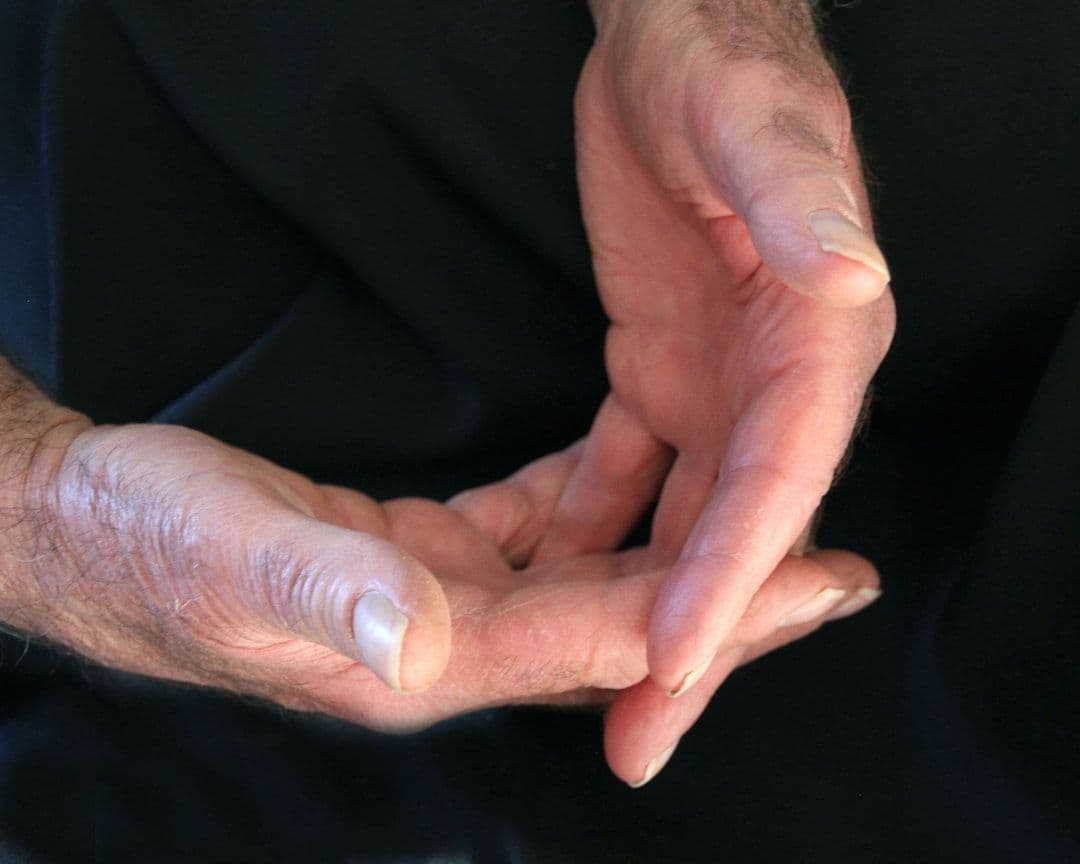
Why Practitioners Choose This Modality
As a practitioner of attunement, I chose this modality because I witnessed firsthand how powerful energy balancing can be for people's overall wellbeing. After years of conventional wellness work, I discovered that many clients were seeking something deeper—not just symptom relief, but a sense of genuine harmony and inner peace. Attunement offered that. It allows me to work with the whole person, not just isolated problems. What draws me to this practice is its gentleness and respect for each individual's unique energy. There is no one-size-fits-all approach; every session is shaped by what the client needs in that moment.
I also love that attunement bridges the gap between science and spirituality. While the mechanisms remain mysterious and still being explored, the relaxation and calming effects are measurable and real. Clients consistently report better sleep, reduced anxiety, clearer thinking, and emotional relief. I have observed that when people feel genuinely relaxed and supported at an energetic level, their capacity for healing—both physical and emotional—expands significantly. This is why I believe in recommending attunement as a complementary practice. It is not meant to replace medical care, but to support the body's natural ability to find balance and ease.
What Clients Typically Experience
Over the years, I have noticed consistent patterns in what clients experience, though responses are wonderfully varied. Many arrive at their first session stressed, exhausted, or emotionally overwhelmed. During the session itself, they often drift into deep relaxation—some describe it as a meditative state, others say they felt held or supported in a way they haven't in years. Physically, clients frequently report warmth, tingling, or a sense of energy moving through their body. Others feel very still and peaceful, as if time has slowed down.
The changes people notice after sessions are equally diverse. Sleep often improves noticeably; people tell me they sleep deeper and wake more refreshed. Emotional shifts are common too—clients report feeling lighter, less burdened by worry, or suddenly able to view a problem from a fresh perspective. Some experience what I call emotional release, where stored tension or sadness surfaces and clears. Headaches, muscle tension, and brain fog sometimes ease. One consistent observation is that clients seem more resilient after regular attunement; everyday stressors don't derail them as easily.
I always emphasize that these experiences are personal. Not everyone feels dramatic sensations, and that does not mean the session was ineffective. Energy work operates in subtle ways, and benefits sometimes reveal themselves days later as improved mood, better focus, or simply feeling more like yourself. Trust your own experience and be honest with your practitioner about what you notice.
Common Misconceptions
One of the biggest misconceptions is that attunement is a cure or can replace medical treatment. It absolutely cannot and should not. Attunement is complementary—it works alongside your doctor, therapist, and any prescribed medications. If you are managing depression, anxiety, trauma, or chronic illness, attunement may enhance your overall wellbeing, but it is one tool among many. Always keep your healthcare team informed.
Another misconception is that attunement is purely spiritual or religious. While it has metaphysical roots and some people experience it spiritually, you do not need to believe in anything beyond relaxation and balance to benefit. Many clients come to attunement purely for stress relief or better sleep, with no spiritual framework at all. The practice is inclusive and works with where you are.
People also sometimes expect instant or permanent results. Energy balancing is a practice, not a magic fix. Most benefits deepen and stabilize with regular sessions over weeks or months. Think of it like exercise or meditation—the more consistently you engage, the more you get out of it. A single session can feel wonderful, but ongoing practice tends to create lasting shifts.
Finally, some worry that attunement requires them to be in a certain state or have special sensitivity. This is not true. You need only show up, be willing to relax, and remain open. Your practitioner will meet you exactly where you are.
Advice for First-Timers
If you are considering attunement for the first time, here is what I recommend. First, find a practitioner you trust. Look at their training, experience, and whether their approach resonates with you. Most reputable practitioners are happy to answer questions beforehand and can explain their style. There is no universal standard for attunement—different practitioners work in subtly different ways—so finding someone whose energy and philosophy align with yours matters.
Second, come with an open mind but realistic expectations. Attunement is not a medical procedure with guaranteed outcomes; it is a wellness practice whose effects are personal and sometimes subtle. Avoid putting pressure on yourself to feel or experience something specific. The best sessions often happen when we simply relax and allow whatever comes to unfold.
Third, communicate clearly with your practitioner. Tell them about your health history, any serious conditions you are managing, medications you take, and what you hope to get out of sessions. This helps them tailor the experience and ensures you are supported safely. If you have trauma, chronic pain, or mental health challenges, mentioning this is important so they can work appropriately with you.
Fourth, wear comfortable clothing and plan to be there for the full session time plus a few minutes to transition afterward. Avoid scheduling something demanding immediately after; allow yourself gentle time to integrate the experience. Many practitioners suggest drinking water afterward and resting that evening.
Finally, be patient with yourself. Notice what shifts, but do not obsess over whether you are doing it right or feeling the right way. Attunement works on its own timeline. Trust the process, remain consistent if you choose ongoing sessions, and be honest with yourself about whether this modality is serving you.
When to Seek Additional Support
While attunement can be a wonderful complement to your wellness routine, certain situations require professional medical or mental health support. If you are experiencing severe depression, suicidal thoughts, acute anxiety, psychosis, or other serious mental health symptoms, please see a qualified mental health professional immediately. Attunement is not equipped to handle crisis-level conditions, and you deserve specialized care.
If you have chronic health conditions such as chronic fatigue syndrome, autoimmune disease, or ongoing pain, work with your medical team. Attunement may support relaxation and emotional wellbeing alongside medical treatment, but it should never replace it. Always inform your doctor about complementary practices you are using.
For trauma survivors, especially those with PTSD, working with a trauma-informed therapist is essential. Some practitioners are trained in both attunement and trauma-informed care, which can be valuable. However, evidence-based trauma therapies such as EMDR, somatic experiencing, or cognitive-behavioral therapy are the gold standard, and attunement complements rather than replaces them.
If you have a heart condition, implanted medical device, or are pregnant, inform your practitioner before your first session. They can advise whether attunement is appropriate and how to adapt the practice if needed.
Lastly, if you are considering stopping or reducing prescribed medications, always consult your prescribing doctor first. No complementary practice should prompt medication changes without professional guidance. Your safety and full health picture matter. Attunement is at its best when it is part of a well-coordinated, holistic approach to your health that includes whatever conventional care you need.