Before the Session: What to Expect
If you're new to Attunement, you might feel a mix of curiosity and uncertainty. That's entirely normal. Before your first session, take a moment to reflect on what you hope to experience—whether that's deeper calm, emotional clarity, better sleep, or simply time to pause and reconnect with yourself.
Arrive a few minutes early and plan to be without distractions for the next hour or so. Wear comfortable, loose-fitting clothes that allow you to relax fully. Eat lightly beforehand; a heavy meal can make it harder to settle into a receptive state. Some people find it helpful to write down any feelings, worries, or physical sensations they're carrying on the day of their session. This can help anchor your intention and give you a baseline for noticing changes afterward.
There's no need to empty your mind or enter any special state. Simply arrive with an open, curious attitude. Attunement works best when you allow yourself to be present without judgment or expectation.
Arriving and Setting the Scene
Walking into an Attunement space, you'll likely notice a sense of calm and intention. The room is typically quiet, softly lit, and warm—designed to invite relaxation. You may hear gentle background music or simply silence. Your practitioner will greet you warmly and ask about your current state, any areas of tension, and what you're hoping to experience.
They may ask about your medical history, current medications, or any conditions you're managing. This information helps them understand your needs better and tailor the session appropriately. Feel free to share openly; everything discussed is confidential.
You'll be invited to lie down, usually on a massage table, fully clothed and under a blanket. Your practitioner may offer an eye pillow or ask if you'd like anything adjusted for comfort. This is your moment to settle in, take a few deep breaths, and signal that you're ready to begin. Many people notice their shoulders dropping and their breathing deepening even before the hands-on work starts—the simple act of pausing and lying down in a supportive space can be profoundly grounding.
During the Session
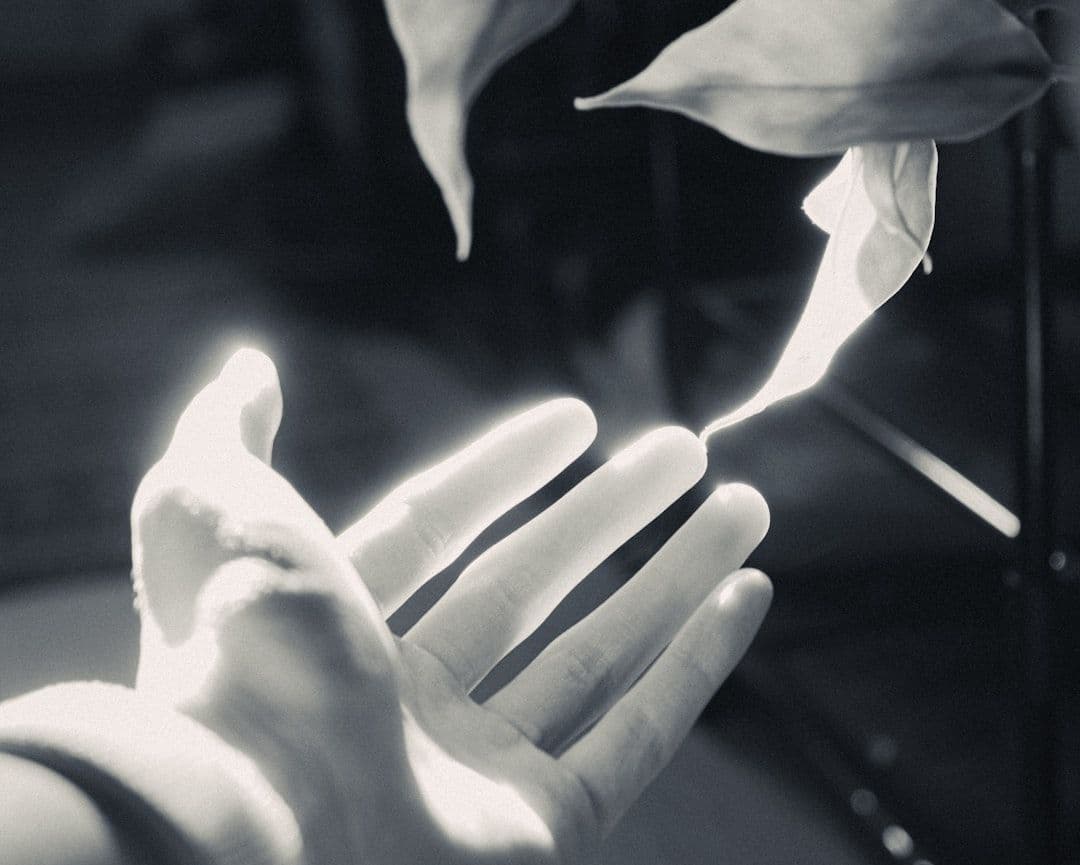
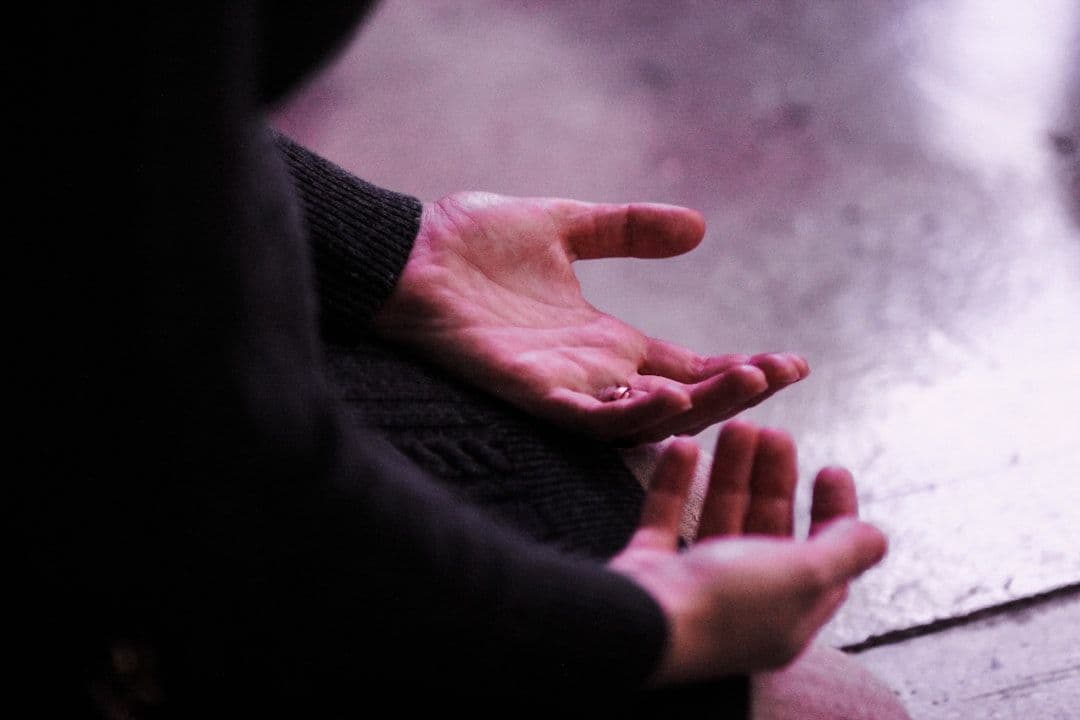
As the session begins, you may notice the practitioner's hands either resting gently on your body or hovering just above the skin. Their touch is typically light and unhurried. Some people describe feeling warmth, tingling, or a subtle sense of energy moving through their body. Others notice nothing dramatic but feel themselves sinking deeper into relaxation. Both experiences are valid.
You might become aware of your breath—noticing how it naturally slows and deepens. Some people drift into a meditative state or even light sleep. Others remain fully present and alert, simply noticing sensations and feeling held by the practitioner's focused attention. Your mind may wander, and that's okay. There's no 'right' way to experience Attunement.
You may feel emotions surface—sometimes tears, sometimes unexpected calm, sometimes a sense of release. This is part of the process. The space is designed to be safe and non-judgmental. Throughout the session, the practitioner is present with intention, working with what they perceive as your body's energy systems to support balance and relaxation. Time often feels different during Attunement—minutes can feel longer or shorter than they actually are. This shifting of temporal awareness is common during deeply relaxing practices.
How You May Feel Afterwards
As the session closes, you'll likely feel gently brought back to fuller awareness. Your practitioner may leave you quiet for a few moments, allowing you to transition at your own pace. When you're ready, you'll sit up slowly—some people feel spacey or deeply calm and benefit from moving mindfully.
In the immediate aftermath, many people describe feeling deeply relaxed, as if they've had a full night's sleep despite the session lasting just an hour. Others feel emotionally lighter or notice that worries that seemed urgent before now feel more manageable. Some experience a quiet sense of emotional clarity or find that their body feels less tense.
You may also feel tired in the days following, particularly after your first few sessions. This is sometimes described as a 'healing response'—your body releasing tension and recalibrating. Drinking plenty of water, resting when possible, and being gentle with yourself can support this process.
Full effects often unfold over hours or days. You might sleep more deeply that night, notice improved mood the following morning, or find that physical tension has eased. Keep a simple journal of how you feel over the next week—changes in sleep, energy, emotional tone, or stress levels. This helps you recognize patterns and understand your response to Attunement over time. Each person's experience is unique; honoring what you notice, rather than comparing to others' experiences, is key.
Is It Right for You?
Attunement may resonate with you if you're drawn to practices that honor the mind-body-spirit connection, if you find deep relaxation rejuvenating, or if you're seeking a complementary tool to support emotional balance and calm. It's a gentle, non-invasive practice that works well alongside conventional care—whether you're managing stress, sleep issues, emotional overwhelm, or simply seeking to deepen your wellness routine.
If you're navigating serious mental health conditions, complex medical needs, or significant trauma, Attunement can be a supportive complementary practice, but it should not replace professional care. Always consult your doctor or therapist before starting any new wellness practice, particularly if you're taking medications or managing ongoing health conditions.
Come with openness and curiosity rather than rigid expectations. Attunement is as much about the experience of being held, witnessed, and supported as it is about any tangible 'energy' work. If you value slowness, intentional presence, and a sanctuary away from daily demands, you may find genuine value here. Consider booking a few sessions to notice how your body and emotions respond. Trust what you observe in yourself.