What it is
Dohsa-hou is a Japanese therapy using guided movement to build body awareness and self-regulation.
Dohsa-hou is a Japanese psycho-rehabilitation therapy that uses guided movements and therapist interaction to improve body awareness, mot...

At a glance
What it is
Dohsa-hou is a Japanese therapy using guided movement to build body awareness and self-regulation.
Why explore it
It may support motor coordination and daily function for those with cerebral palsy, Down syndrome, or stroke.
How it’s experienced
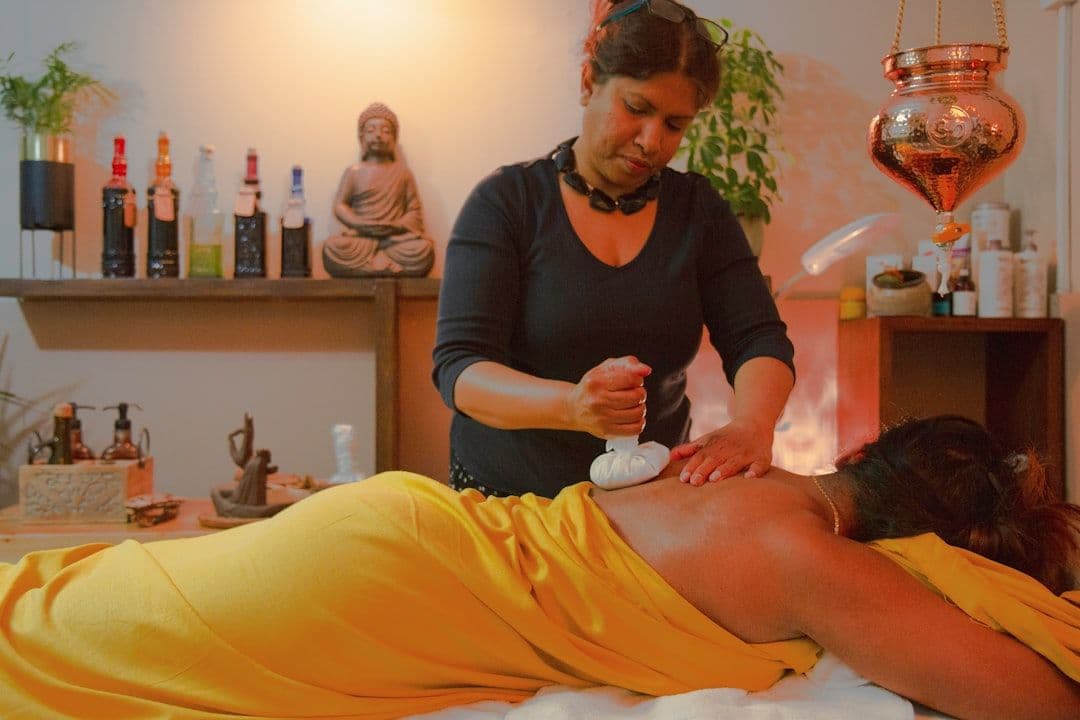
A trained therapist gently guides intentional movements, helping you tune into muscle tension in a calm setting.
Evidence context
Research is mostly case reports from Japan, so talk with your practitioner about what to realistically expect.
See the evidence snapshotSafety
Generally low-risk with a certified therapist, but check with your doctor if you have seizures or acute injuries.
See staying safeHistory & Origin
Dohsa-hou is a Japanese therapy focusing on body awareness and self-control
Dohsa-hou was developed in Japan during the 1960s by Dr. Yasuhito Naruse, a pioneering rehabilitation specialist who sought to create a therapeutic approach that bridged the gap between physical rehabilitation and psychological well-being. The term "dohsa-hou" translates to "process of self-striving" or "method of self-help," reflecting its core philosophy of empowering individuals to develop greater awareness and control over their own bodies and movements.
Dr. Naruse's work emerged from observations of how individuals with cerebral palsy, Down syndrome, and other neurodevelopmental conditions struggled not only with physical limitations but also with disconnection from their bodies and reduced capacity for intentional movement. Rather than imposing external corrections or exercises, he developed a method that emphasizes the relationship between internal intention and physical action, drawing on principles of body awareness and nervous system organization.
The therapy is grounded in the understanding that many individuals with developmental disabilities have disrupted communication between their intentions and their body's ability to execute movements. By working with a trained therapist through guided, gentle interactions and movements, clients gradually rebuild this mind-body connection. The approach has remained most established in Japan and other East Asian countries, though it has gained increasing international recognition among rehabilitation professionals and educators working with individuals with developmental disabilities.
Mechanism
Dohsa-hou is generally framed as a guided process for attention, reflection, learning, and emotional integration. Depending on the method, a practitioner may use conversation, imagery, structured exercises, body awareness, or therapeutic techniques to help the person explore patterns and choices. It should not be presented as a standalone solution or a substitute for urgent care, but it may support self-understanding when practiced within an appropriate scope. Dohsa-hou, meaning "process of self-striving," is a Japanese therapy focusing on body awareness and self-control.
Your first visit
A typical session outline to help you feel prepared
A Dohsa-hou session guides you through gentle, intentional movement with your therapist's support, helping you reconnect with your body at a calm, unhurried pace.
Your therapist greets you warmly and asks about your physical sensations, movement concerns, and what you hope to explore. This is a relaxed chat, not a formal intake — there are no right or wrong answers.
Together you identify a simple movement goal for the session, such as releasing tension in your shoulders or moving your arms more freely. This gives the session a clear, personal focus from the start.
You'll be guided to sit, stand, or lie down — whichever position suits your goal. Wear loose, comfortable clothing so your body can move without restriction. No equipment is needed.
Your therapist gently introduces a slow, deliberate movement, such as raising an arm or rotating your torso, and asks you to notice how it feels. The pace is unhurried, giving your body time to respond naturally.
Your therapist may apply light, steady resistance against your movement, which helps you become more aware of muscle engagement and effort. This isn't about strength — it's about tuning in to subtle physical sensations.
Breath cues are woven throughout the session to help your nervous system settle. You may be invited to pause, exhale slowly, and notice any shift in tension, heaviness, or ease in the area you're working with.
Near the end, your therapist invites you to share what you noticed — any changes in how a movement felt or where tension has softened. This verbal reflection helps anchor the body awareness you've built.
Your therapist may suggest simple movements or moments of stillness to practice on your own before the next session. You're encouraged to stay hydrated and rest if you feel the need afterward.
The Evidence
What the research says about this Japanese mind-body therapy, where evidence is strong, and where gaps remain.
Established in Japan, less studied in Western research
Dohsa-hou has decades of clinical use in Japan, with case reports and observational studies suggesting benefits for motor control and body awareness. Rigorous controlled trials remain scarce, and most published research appears in Japanese-language literature.
Most available evidence consists of case studies and small observational studies, primarily from Japan. English-language research is sparse. Studies often lack control groups or standardised outcome measures by current research standards. Potential benefits for motor control and attention regulation have been noted, but conclusions should be drawn cautiously.
Clinical observations document use with cerebral palsy, Down syndrome, stroke recovery, and learning disabilities. Reported outcomes include improved intentional movement, postural control, and attention. These findings are encouraging but come largely from uncontrolled settings, so they cannot be taken as definitive evidence of effectiveness.
Dohsa-hou, meaning 'process of self-striving', was designed to bridge physical rehabilitation and psychological well-being. It emphasises the relationship between internal intention and physical movement, rather than externally imposed exercises. This philosophy has shaped its application across neurodevelopmental and neurological conditions in Japan and parts of Asia.
Dohsa-hou operates from a distinct framework centred on mind-body intention rather than conventional biomechanical rehabilitation. It is not part of standard Western clinical practice, though it may be used alongside conventional therapies. Users should be aware that its evidence base differs from that of mainstream rehabilitation approaches.
Dohsa-hou is gentle by design; significant pain during sessions is not expected. Those with acute injuries, uncontrolled seizures, unstable cardiovascular conditions, or active malignancy should consult a qualified health professional before beginning. Ensure your practitioner holds recognised training in the methodology and can communicate clearly about your needs.
The mechanism by which improved body awareness translates to functional gains remains incompletely understood. Evidence gaps mean that Dohsa-hou should not replace professional assessment or established therapies for neurological or developmental conditions. It may complement conventional care, but decisions should be made in consultation with qualified health professionals.
Safety first
General guidance to help you decide whether this approach is appropriate for you. This is informational only and not a substitute for medical, psychological, or professional advice.
If you are pregnant, managing a health condition, recovering from injury or surgery, or taking medication, consult a qualified healthcare professional first.
Some situations call for extra care or a different approach. Share any conditions, injuries, or sensitivities with your practitioner before your first session.
Look for clear boundaries, transparent pricing, and practitioners who avoid fear-based claims or pressure to book frequent sessions.
Mild, short-lived effects such as tenderness, tiredness, or temporary soreness can occur. Rest, hydrate, and tell your practitioner how you respond.
For you?
A simple, human way to weigh it up. This is general guidance, not personal medical advice — a qualified practitioner can advise on your situation.
Gyfts is a discovery platform, not a medical provider. Nothing here diagnoses, treats or replaces professional care. In an emergency, contact your local emergency number.
Explore approaches
Other practices people often explore alongside dohsa-hou.
In their words
FAQ
While both address movement and physical function, dohsa-hou emphasizes the development of conscious awareness and intentional control through the mind-body connection, whereas conventional physical therapy often focuses on strengthening, stretching, and functional task training. Dohsa-hou uses gentle guidance and the therapist's skilled touch to help clients develop internal awareness, while physical therapy may employ more structured exercises and equipment. The two approaches can be complementary.
The number of sessions varies widely depending on individual needs, the condition being addressed, and response to treatment. Some individuals benefit from weekly sessions over several months, while others may continue for years as they develop more sophisticated body awareness. Initial assessments typically involve 4-8 sessions to establish baseline function and goals, with ongoing sessions adjusted based on progress.
Dohsa-hou should not be painful. The therapy uses gentle, guided movements and light resistance to help you develop awareness. You may experience mild muscle fatigue or soreness similar to gentle exercise, but sharp or intense pain is not normal. Always communicate with your therapist about any discomfort.
Yes, one of dohsa-hou's key applications is enhancing attention and self-regulation through improved body awareness. By developing stronger connections between intention and movement, individuals often experience improvements in focus and the ability to control impulsive responses. This is particularly noted in individuals with ADHD and related attention difficulties.
Dohsa-hou should be administered by practitioners specifically trained and certified in this methodology. Training is most established in Japan, though certified practitioners are increasingly available internationally. Verify your practitioner's credentials and training background before beginning therapy.
Yes, dohsa-hou can benefit individuals across all ages, from children to older adults. While it was originally developed for children with developmental disabilities, adults with movement disorders, motor planning difficulties, or those seeking to improve body awareness and coordination can also benefit significantly.
References
Educational sources that inform this overview. Inclusion is for context and does not imply endorsement.
Full citations are maintained by the Gyfts editorial team and reviewed periodically.
Keep exploring
Browse practitioners, explore honest overviews, and take what you learn to a conversation — at your own pace.