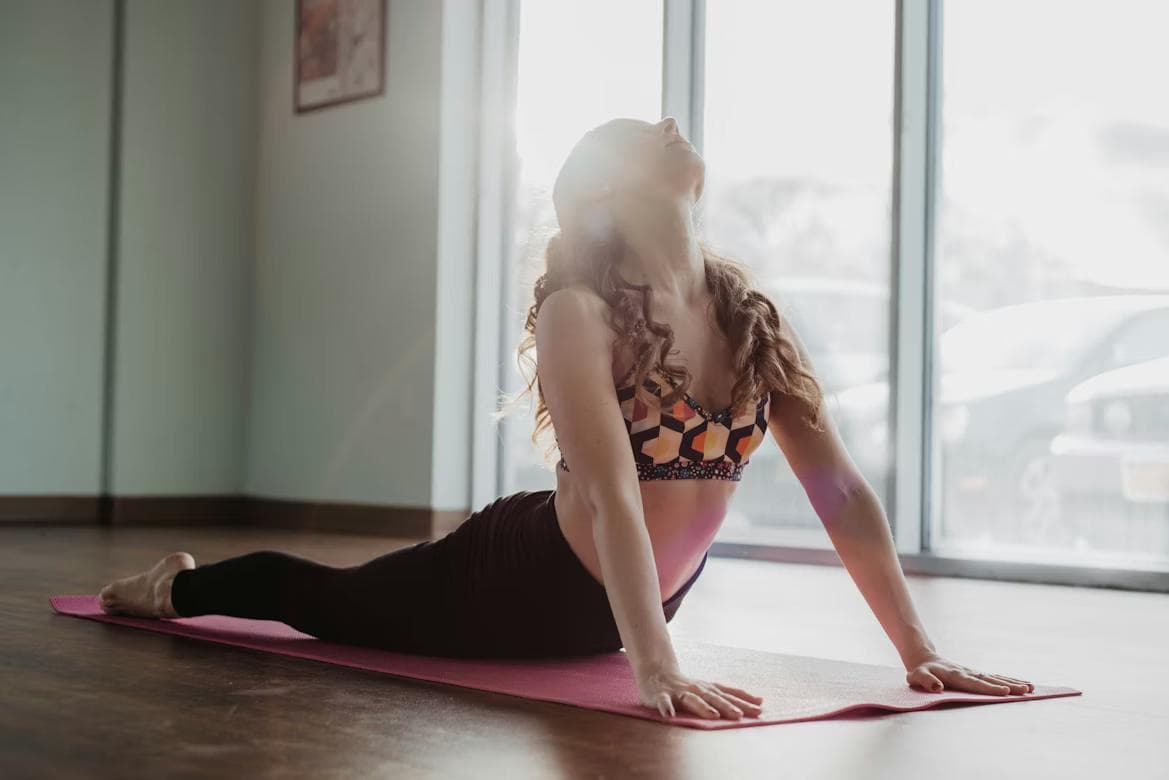
What it is
Gentle movement sequences build body awareness and may improve how you move daily.
The Feldenkrais Method is a movement education approach that uses gentle, mindful sequences to increase body awareness and improve coordi...
At a glance
What it is
Gentle movement sequences build body awareness and may improve how you move daily.
Why explore it
It may ease tension, improve balance, and open up new ways of moving in your body.
How it’s experienced
Classes guide slow, mindful floor movements; one-on-one sessions add gentle hands-on support.
Evidence context
Early research hints at balance and mobility benefits, but findings are still preliminary.
See the evidence snapshotSafety
Low-risk and gentle, though those with injuries or bone conditions should check with a doctor first.
See staying safeHistory & Origin
The Feldenkrais Method uses gentle movement and attention to support learning.
The Feldenkrais Method was developed by Moshe Feldenkrais, a Russian-born Israeli engineer and physicist who earned a black belt in judo and sustained a serious knee injury in the 1940s. Rather than accept the prognosis that he would never walk normally again, Feldenkrais applied his scientific background to understand how the nervous system learns movement. He observed that people often repeat inefficient movement patterns and that gentle, exploratory movement could help reprogram these habits at a neurological level.
Feldenkrais formalized his insights into a systematic approach during the 1950s and 1960s, initially teaching in Israel before gaining international recognition. He developed two main formats: Awareness Through Movement (group lessons with verbal instruction) and Functional Integration (one-on-one guided movement). His work was influenced by his interest in neuroscience, biomechanics, and his understanding of how the brain learns through gentle exploration rather than force or repetition.
The method spread to North America and Europe during the 1970s and 1980s, gaining interest among dancers, athletes, musicians, and people seeking movement rehabilitation. Feldenkrais trained a small number of certified practitioners before his death in 1984, and his students established formal training programs and professional organizations to preserve and teach the method. Today, the Feldenkrais Method is taught globally, with practitioners working in clinical settings, studios, and integrated health practices.
Mechanism
Feldenkrais Method is usually understood through movement, breath, attention, and repeated practice. A session may invite the body to explore safer patterns, steadier pacing, or a more settled relationship with sensation. Some traditions describe this as balancing energy or awareness, while contemporary explanations may focus on coordination, nervous system regulation, mobility, and confidence. Experiences vary by person, teacher, setting, and consistency. The Feldenkrais Method works through two main formats: Awareness Through Movement (group lessons with guided verbal instruction) and Functional Integration (one-to-one hands-on work).
Your first visit
A typical session outline to help you feel prepared
A Feldenkrais session gently guides your nervous system toward easier, more efficient movement through mindful exploration rather than force or stretching.
Your practitioner opens with a relaxed conversation about your movement history, any discomfort you notice, and what you hope to explore. There are no diagnoses here, just curiosity.
Together you identify a simple movement goal for the session, like turning your head more freely or sitting with less effort, so the exploration has a clear and personal focus.
You lie on a padded table or sit in a chair fully clothed, so wear something loose and easy to move in. No oils, no undressing, just comfort and ease from the start.
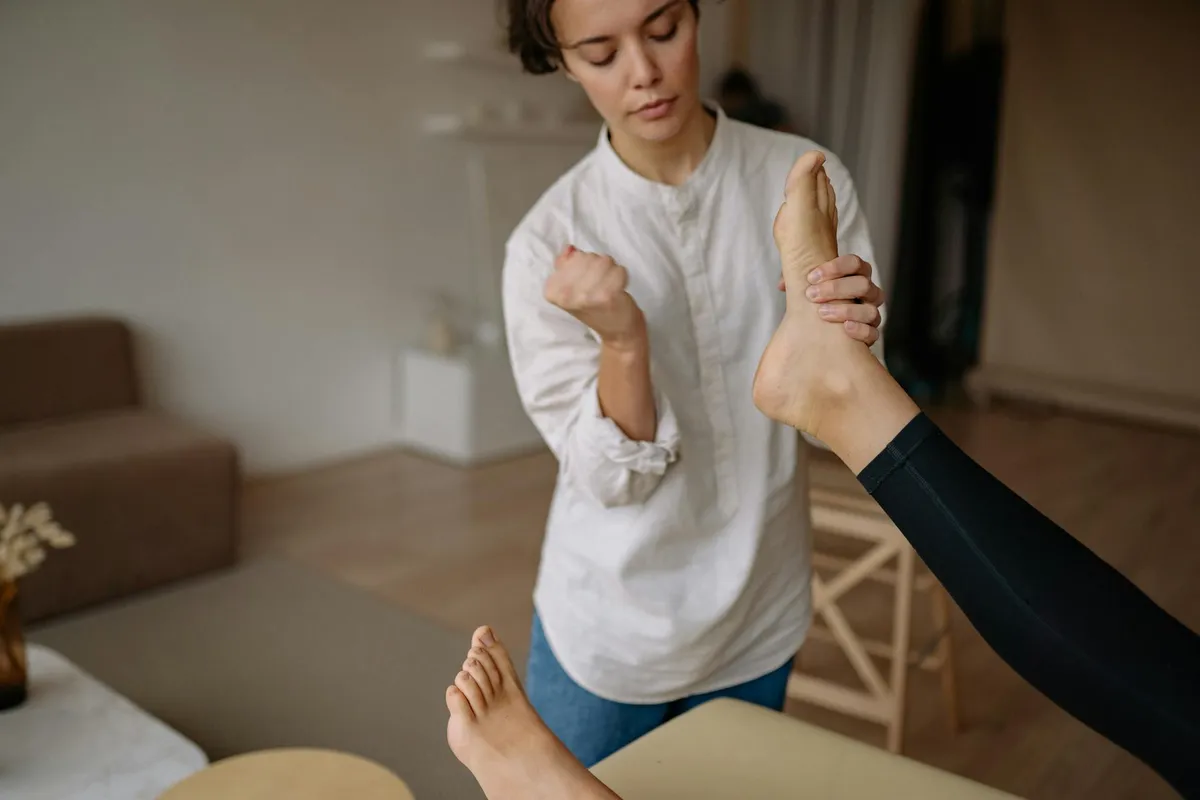
In a group class, the teacher verbally guides you through slow, small movement sequences at your own pace. In a one-on-one session, the practitioner uses a very light, non-invasive touch to sense how
You are invited to move well within your comfort zone, pause often, and simply notice what feels different. Sensations like warmth, a sense of length, or unexpected ease are common and worth paying attention to.
Brief pauses are built in throughout so your nervous system can absorb and integrate each new movement pattern. You may feel a pleasant heaviness or quiet alertness during these rests.
Near the end, you slowly come to standing and take a short walk or perform the movement you explored. Many people notice a striking difference in ease, range, or comfort compared to when they arrived.
Your practitioner invites a brief check-in about what you noticed and may suggest simple movements to carry into daily life. Changes often continue unfolding in the hours and days that follow.
The Evidence
What research currently shows about Feldenkrais, where evidence is limited, and how it fits within a broader approach to movement and wellbeing.
Promising early findings, but research is still developing
Small studies suggest Feldenkrais may support balance, movement efficiency, and functional mobility in specific populations. Evidence is growing but remains limited in scale and methodological rigor, so findings should be interpreted with appropriate caution.
Several small studies suggest potential benefits for balance, postural control, and proprioception, particularly in older adults and those recovering from injury. Most studies lack robust control groups or sufficient sample sizes. Confidence in findings remains limited until larger, well-designed trials are available.
Some evidence suggests benefit for people with stroke-related movement impairment, vestibular dysfunction, and pain-related disability. It is typically used as a complement to, not a replacement for, professional assessment and rehabilitation. Practitioners in clinical settings often integrate it with other approaches.
The method works by encouraging slow, exploratory movement and attention to sensation, aiming to support neuromuscular reorganisation over time. This learning-centred approach sits within the holistic category of the MACH framework, addressing how the body and nervous system adapt together rather than targeting isolated physical outcomes.
Most Feldenkrais research relies on pilot studies, observational designs, or practitioner-reported outcomes rather than large randomised controlled trials. The proposed mechanism of nervous system learning is scientifically plausible but hard to measure objectively. Findings should not be overstated, and inflated outcome claims should be viewed critically.
Those with acute pain, recent injury, unstable joints, neurological conditions, or severe osteoporosis should seek medical clearance before starting. Pregnant individuals should inform their practitioner. There are no forced movements or manipulations. If sharp or unusual pain occurs during a session, stop and inform your practitioner immediately.
Feldenkrais practitioners typically complete multi-year accredited training programmes. When seeking a practitioner, look for recognised professional guild membership in your region. Feldenkrais is not a substitute for professional medical assessment, and a qualified practitioner will not make clinical claims or discourage you from seeking appropriate care.
Safety first
General guidance to help you decide whether this approach is appropriate for you. This is informational only and not a substitute for medical, psychological, or professional advice.
If you are pregnant, managing a health condition, recovering from injury or surgery, or taking medication, consult a qualified healthcare professional first.
Some situations call for extra care or a different approach. Share any conditions, injuries, or sensitivities with your practitioner before your first session.
Look for clear boundaries, transparent pricing, and practitioners who avoid fear-based claims or pressure to book frequent sessions.
Mild, short-lived effects such as tenderness, tiredness, or temporary soreness can occur. Rest, hydrate, and tell your practitioner how you respond.
For you?
A simple, human way to weigh it up. This is general guidance, not personal medical advice — a qualified practitioner can advise on your situation.
Gyfts is a discovery platform, not a medical provider. Nothing here diagnoses, treats or replaces professional care. In an emergency, contact your local emergency number.
Explore approaches
Other practices people often explore alongside feldenkrais method.
In their words
FAQ
In a group Awareness Through Movement class, you lie, sit, or stand comfortably while the instructor guides you through gentle, exploratory movement sequences using verbal cues. You move slowly and gently, paying attention to sensation without striving for a 'correct' position. In a one-on-one Functional Integration session, the practitioner uses gentle touch to guide and support your movement while you relax, allowing your nervous system to discover more efficient patterns. Sessions are typically 45-60 minutes.
Many people notice increased awareness and ease after a single session, but lasting change typically develops over time. A common approach is to attend weekly group classes or schedule 6-12 individual sessions to establish a foundation. Some people continue indefinitely as part of regular self-care, while others use Feldenkrais periodically. The number of sessions depends on your goals, how you respond, and your commitment to practice.
While all three explore movement and awareness, they differ significantly. Yoga often includes holding postures and may have spiritual or philosophical elements. Pilates emphasizes strengthening core muscles and may involve equipment. Feldenkrais focuses exclusively on nervous system learning through gentle, exploratory movement without aesthetic goals or strengthening emphasis. Feldenkrais is purely about discovering ease and efficiency in how you move.
The Feldenkrais Method is not a pain treatment, but many people with chronic muscle tension or movement-related discomfort explore it as part of their self-care. By increasing awareness of habitual tension patterns and discovering alternative ways of moving, some people experience reduced discomfort. However, chronic pain should always be evaluated by a healthcare provider. Feldenkrais works best as a complement to other appropriate care.
No. Feldenkrais is accessible to people of all ages, fitness levels, and flexibility. You always move only as far as is comfortable for you. The method is not about achieving flexibility or fitness goals but about learning how your nervous system organizes movement. Many people with limited mobility, seniors, and people recovering from injury explore Feldenkrais successfully.
Research on the Feldenkrais Method is growing but remains limited compared to other movement practices. Some studies suggest benefits for balance, posture, and movement efficiency, and it is used in some clinical rehabilitation settings. However, high-quality research is limited, and more rigorous studies are needed to fully establish its effectiveness for specific conditions. It is best viewed as an exploratory movement education practice rather than a proven medical treatment.
Yes. Many Feldenkrais practitioners offer recorded Awareness Through Movement classes (often called lessons) that you can follow at home. These typically range from 30-60 minutes. Practicing at home allows you to deepen learning between practitioner sessions. However, one-on-one Functional Integration typically requires a trained practitioner. Starting with a few sessions or classes with a qualified instructor helps you understand the approach before practicing independently.
References
Educational sources that inform this overview. Inclusion is for context and does not imply endorsement.
Full citations are maintained by the Gyfts editorial team and reviewed periodically.
Keep exploring
Browse practitioners, explore honest overviews, and take what you learn to a conversation — at your own pace.