What it is
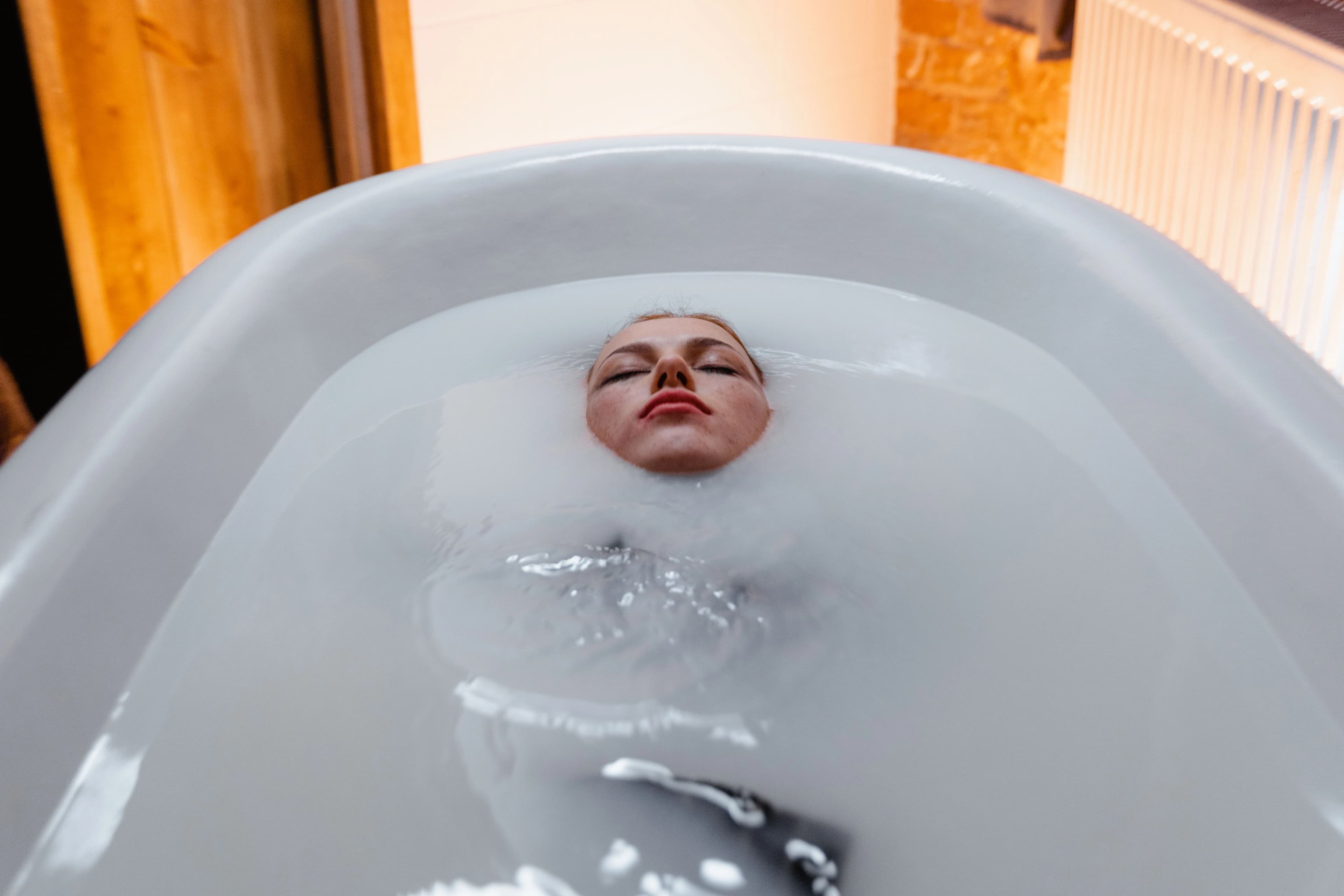
You float effortlessly in a warm, salt-filled pod designed to quiet your senses.
Stillness without distraction. Rest without effort.
At a glance
What it is
You float effortlessly in a warm, salt-filled pod designed to quiet your senses.
Why explore it
Many people find it eases stress, aids recovery, and invites a rare sense of calm.
How it’s experienced
Spend 60 to 90 minutes floating as tension fades and mental chatter gradually settles.
Evidence context
Early research shows promise for stress and anxiety, though larger studies are still needed.
See the evidence snapshotSafety
Safe for most healthy adults; skip it if you have open wounds or active ear infections.
See staying safeHistory & Origin
Float therapy, also known as sensory deprivation or REST (Restricted Environmental Stimulation Therapy), is a wellness practice that involves lying in a specially designed float tank or pod filled with a shallow solution of water and a high concentration of Epsom salt (magnesium sulfate). The salt content is calibrated so that the body floats effortlessly on the surface without any physical effort, while the enclosed environment minimizes external sensory input — including light, sound, and physical pressure. Sessions typically last between 60 and 90 minutes, though some practitioners offer extended floats.
The core premise of float therapy is that by removing the constant stream of sensory stimulation the brain normally processes, the nervous system is given an opportunity to shift into a deeply relaxed state. Proponents suggest this environment may support stress reduction, mental clarity, and physical recovery, among other potential benefits. The practice is used by a diverse range of individuals — from athletes and creative professionals seeking mental reset to those managing chronic stress or looking to supplement conventional care for certain conditions.
Float therapy is considered a complementary modality, meaning it is generally intended to work alongside — not replace — conventional medical care. It has gained notable popularity over the past two decades, with float centers now operating across the United States. While research into its effects is still developing, interest from both wellness communities and academic researchers continues to grow, making it one of the more intriguing areas of emerging complementary health practice.
The concept of float therapy traces its origins to the work of American neuroscientist and physician John C. Lilly, who developed the first isolation tank in the 1950s while conducting research at the National Institute of Mental Health. Lilly was interested in exploring the nature of consciousness and sought to study what happened to the brain when deprived of external sensory input. His early tanks required subjects to wear underwater breathing masks and be fully submerged — a far cry from the comfortable, face-up floating experience used today.
Over the following decades, the design of float tanks evolved considerably. By the 1970s and 1980s, a broader counterculture wellness movement helped bring sensory deprivation to a wider audience, and the first commercial float centers began to emerge. The term REST — Restricted Environmental Stimulation Therapy — was coined by researchers who sought to frame the practice within a more clinical and scientific context, distancing it from some of the more speculative claims that had surrounded early tank culture.
Float therapy experienced a significant commercial revival in the 2010s, driven in part by interest from professional athletes, the mindfulness movement, and broader mainstream curiosity about biohacking and recovery optimization. Today, float centers operate throughout the United States and internationally, and the practice has shed much of its counterculture fringe identity in favor of a more accessible wellness positioning.
Mechanism
Float therapy works by systematically reducing the sensory input your nervous system receives, potentially allowing both mind and body to enter a deeply restorative state.
Your first visit
A typical session outline to help you feel prepared
Float therapy guides you into deep relaxation by suspending you weightlessly in warm, mineral-rich saltwater inside a private, sensory-reduced environment.
Your host walks you through how the float tank or pod works, explains the controls for light and sound, and answers any first-timer questions so you feel completely comfortable before you begin.
You'll shower with the provided shampoo and body wash to remove oils and products from your skin, which helps keep the water clean and lets your body absorb the magnesium-rich salt solution more easily.
You step into the pod or room-style pool and ease yourself into the shallow, skin-temperature saltwater. The density of the Epsom salt means your body floats automatically without any effort on your part.
You adjust the light and music to your comfort level — many first-timers leave a soft glow on at first. Earplugs are provided to keep water out and reduce sound as you find a natural resting position on your back.
For the first 20 to 30 minutes your mind may wander or feel restless as it adjusts to the quiet. This is completely normal — gradually, muscle tension releases, your breathing slows, and a deep sense
With external stimulation reduced, many floaters experience vivid mental clarity, dream-like imagery, or a meditative calm that feels unlike ordinary relaxation. Your 60 to 90 minute session continues
You step out carefully — the water can make surfaces slick — and shower again to rinse the salt solution from your hair and skin. Take your time; there's no rush and the facility expects a gentle re-entry to the world.
Most centers offer a quiet lounge where you can sit, journal, or sip tea before heading out. Many people feel unusually calm or reflective after floating, so giving yourself a few unhurried minutes he
The Evidence
What the research currently shows, where the gaps are, and how float therapy fits within a broader approach to wellbeing.
Promising early findings, but research is still maturing
Float therapy has a growing body of small-scale studies suggesting benefits for stress, anxiety, and recovery, but the evidence base lacks the large, well-controlled trials needed to draw firm conclusions. It is best understood as a complementary practice with a low risk profile.
Published studies on float therapy are mostly small-scale, often lack control groups, and have not been widely replicated. The strongest preliminary signals relate to self-reported reductions in anxiety and stress. Larger, randomized controlled trials are needed before stronger conclusions can be drawn. Claims of broad or dramatic outcomes go beyond what current evidence supports.
Peer-reviewed work has examined REST in relation to anxiety management, muscle soreness, and sleep quality, with some studies reporting measurable short-term effects. Chronic pain is an area of early-stage interest. The field is active but young, and most findings should be considered preliminary rather than established.
Within the MACH framework, float therapy sits in the Complementary category. It may be used alongside conventional care to support relaxation, recovery, or mental clarity. It is not a substitute for professional assessment or management of any health condition, and should not be presented as such.
Key considerations include tank sanitation — reputable centers use filtration, UV light, and hydrogen peroxide. Avoid floating with open wounds, active skin or ear infections, or unsettled hair dye. Those taking medications affecting consciousness or balance should consult their prescribing provider first. Float therapy does not replace professional medical evaluation.
Individuals with epilepsy, severe claustrophobia, psychosis, or certain cardiovascular conditions should seek professional guidance before using float therapy. The high salt concentration can cause significant discomfort on broken or irritated skin. Pregnant individuals should consult their care provider. When in doubt, check with a qualified health professional before booking.
Most float therapy research involves small samples, self-reported outcomes, and limited follow-up periods. Publication bias may mean positive results are more visible than null findings. Float therapy shows genuine promise as a relaxation and recovery support tool, but the evidence does not yet justify broad health claims. Approach marketing language that overstates benefits with appropriate scepticism.
Safety first
General guidance to help you decide whether this approach is appropriate for you. This is informational only and not a substitute for medical, psychological, or professional advice.
If you are pregnant, managing a health condition, recovering from injury or surgery, or taking medication, consult a qualified healthcare professional first.
Some situations call for extra care or a different approach. Share any conditions, injuries, or sensitivities with your practitioner before your first session.
Look for clear boundaries, transparent pricing, and practitioners who avoid fear-based claims or pressure to book frequent sessions.
Mild, short-lived effects such as tenderness, tiredness, or temporary soreness can occur. Rest, hydrate, and tell your practitioner how you respond.
For you?
A simple, human way to weigh it up. This is general guidance, not personal medical advice — a qualified practitioner can advise on your situation.
Gyfts is a discovery platform, not a medical provider. Nothing here diagnoses, treats or replaces professional care. In an emergency, contact your local emergency number.
Explore approaches
Other practices people often explore alongside float therapy.
In their words
Before you book
FAQ
Many people with mild to moderate anxiety report finding float sessions calming, though individual responses vary. Those with significant claustrophobia may want to begin in an open float pool rather than an enclosed pod, and it is advisable to speak with a mental health provider before starting if you have a diagnosed anxiety condition. Most reputable float centers allow clients to leave the door of the tank open or ajar during the session.
There is no established clinical protocol for float therapy, and individual experiences vary widely. Some people report feeling deeply relaxed after a single session, while others find that the first float involves an adjustment period and that benefits build over several sessions. Practitioners often suggest trying at least two to three sessions before drawing conclusions about personal response.
Reputable float centers follow strict hygiene protocols, including multi-stage water filtration, UV sterilization, and the use of hydrogen peroxide between sessions. The high salinity of the water also creates an inhospitable environment for most pathogens. Prospective clients are encouraged to ask any center about their specific sanitation procedures before booking a session.
References
Educational sources that inform this overview. Inclusion is for context and does not imply endorsement.
Full citations are maintained by the Gyfts editorial team and reviewed periodically.
Keep exploring
Browse practitioners, explore honest overviews, and take what you learn to a conversation — at your own pace.