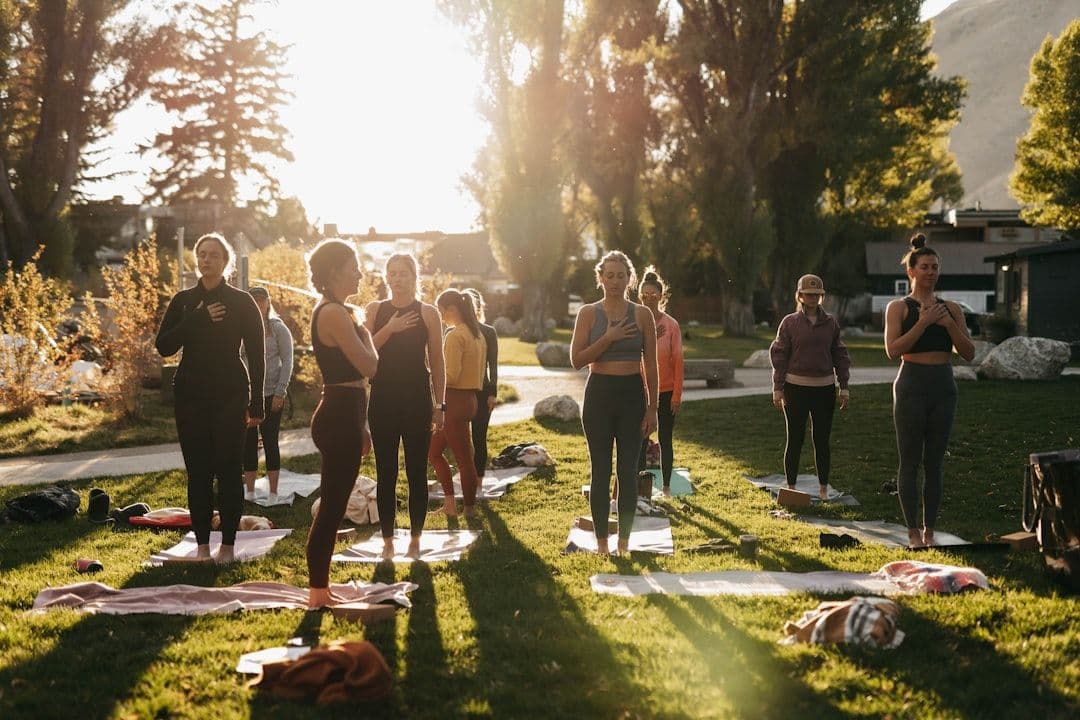
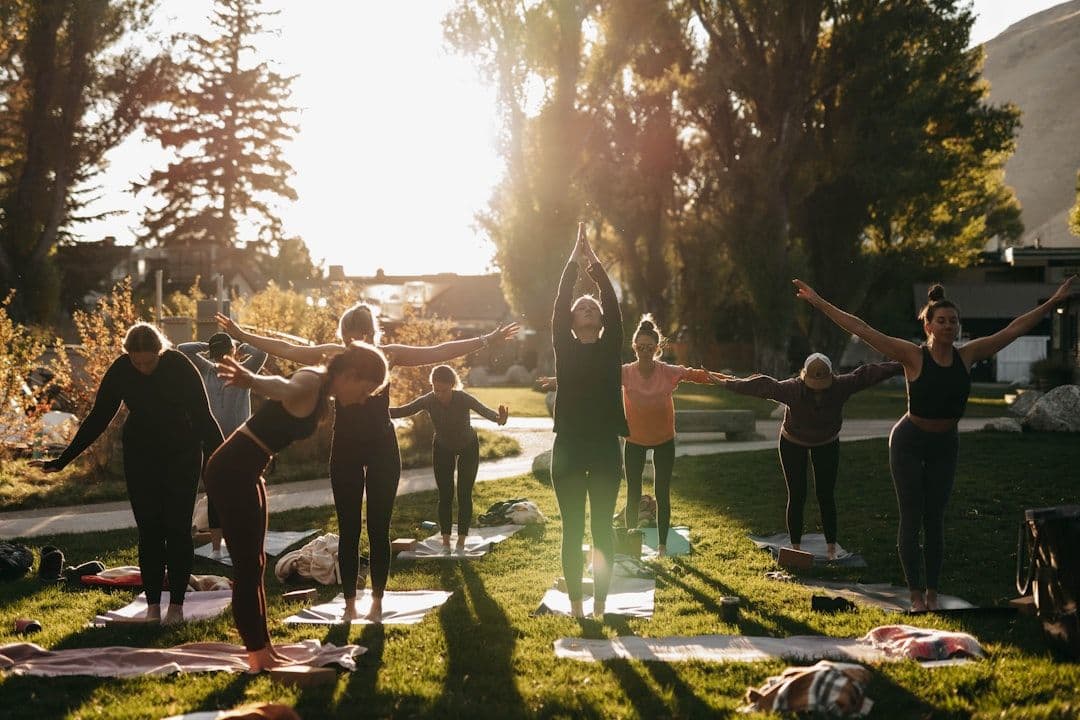
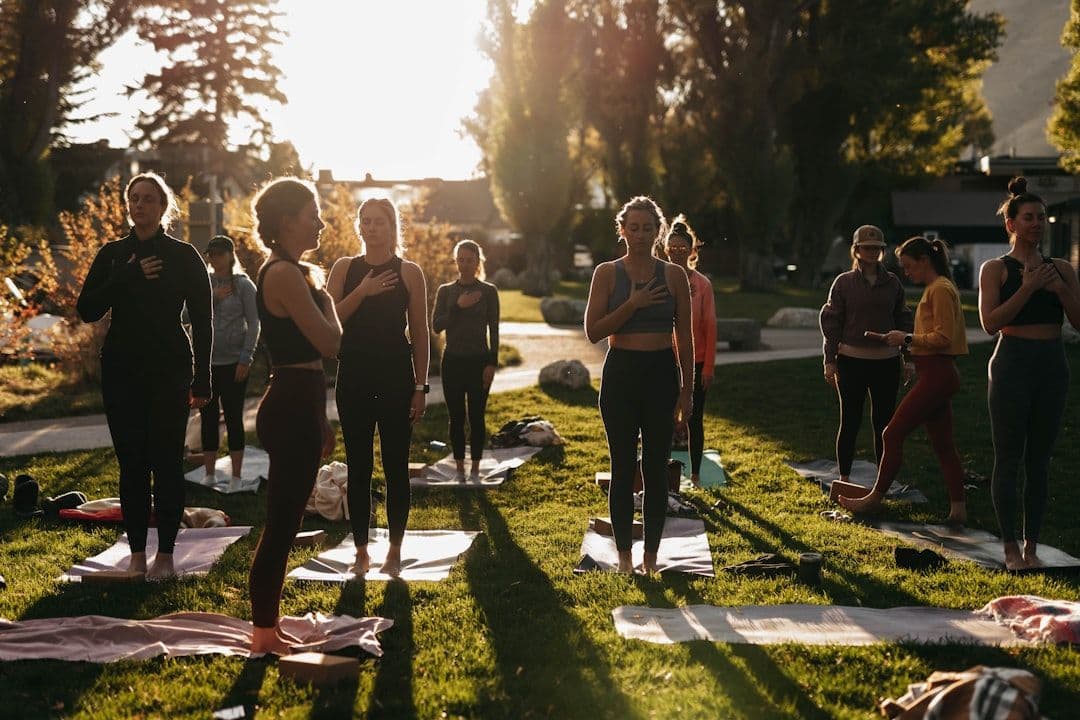
What it is
A mindfulness-based practice blending meditation and breathwork to build calm and emotional balance.
Inner Peace is a complementary modality that teaches practices such as mindfulness, meditation, and stress reduction exercises to cultiva...
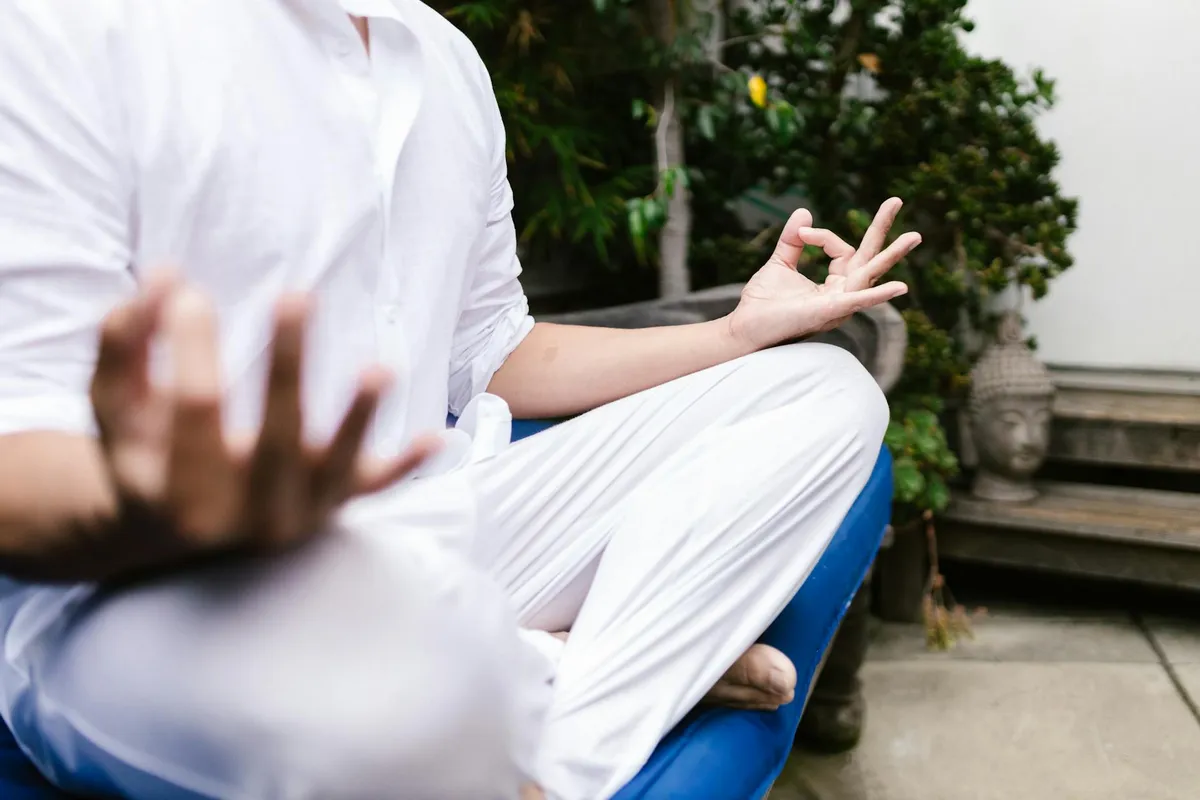
At a glance
What it is
A mindfulness-based practice blending meditation and breathwork to build calm and emotional balance.
Why explore it
Regular practice may ease anxiety, improve sleep, and help you navigate stress and life transitions.
How it’s experienced
You'll start with short daily sessions of guided meditation and breathwork, gradually deepening over time.
Evidence context
Mindfulness shows solid research support for stress and anxiety, with benefits growing through consistent practice.
See the evidence snapshotSafety
Low risk for most, but check with your provider first if you have serious mental health or cardiac concerns.
See staying safeHistory & Origin
Inner Peace focuses on cultivating inner calm, tranquility, and mental serenity for overall well-being.
The concept of cultivating inner peace has roots in ancient spiritual and philosophical traditions spanning thousands of years across multiple cultures. Eastern practices like Buddhist meditation, Hindu yoga philosophy, and Taoist contemplative techniques have long emphasized the cultivation of inner calm as central to human flourishing and spiritual development. In the Western world, mindfulness and meditation practices began gaining broader recognition in the mid-20th century, particularly through the work of teachers like Jon Kabat-Zinn, who developed Mindfulness-Based Stress Reduction (MBSR) in the 1970s, bringing these ancient techniques into clinical and secular settings.
The modern Inner Peace modality synthesizes these traditional practices with contemporary psychology and wellness approaches. The expansion of complementary health practices in the 1960s and 1970s created space for meditation and mindfulness to be reframed as accessible wellness techniques rather than exclusively religious or spiritual practices. Today, Inner Peace encompasses a broad range of evidence-informed and traditional techniques designed to reduce stress and promote emotional balance, making the ancient wisdom of contemplative practices available to diverse populations seeking mental health support.
Key figures in popularizing these approaches include Thich Nhat Hanh, who brought Zen Buddhism to Western audiences; Deepak Chopra, who integrated Ayurvedic principles with stress reduction; and numerous contemporary mindfulness teachers and neuroscientists studying meditation's effects on brain function. The modality continues to evolve as research in neuroscience and psychology explores how practices of inner cultivation affect mental health, emotional resilience, and overall well-being.
Mechanism
Inner Peace is best framed as a traditional, symbolic, energetic, reflective, or spiritual practice rather than a validated medical mechanism. Practitioners may use ritual, attention, sound, imagery, touch-free work, cards, symbols, prayer, or intention to support meaning-making and a sense of connection. People may explore it for reflection, calm, or spiritual context, while health claims should remain cautious and personal. Inner Peace operates through contemplative and mindfulness-based practices that redirect attention inward, quieting mental activity and activating the parasympathetic nervous system.
Your first visit
A typical session outline to help you feel prepared
An Inner Peace session guides you through personalized mindfulness and breathwork techniques to help you build genuine, lasting calm in your everyday life.
Your practitioner greets you warmly and takes a few minutes to learn what's been weighing on you lately, whether that's stress, poor sleep, or a general sense of overwhelm.
Together you'll identify what you most want from the session, like quieting a busy mind or finding emotional steadiness, giving the experience a clear and personal focus.
You'll be guided into a comfortable position, either seated or lying down, and invited to close your eyes as your practitioner introduces slow, rhythmic breathing to help your body begin to soften.
Your practitioner walks you through a structured breathing technique tailored to your goals, such as box breathing for anxiety or extended exhale work for deeper relaxation, coaching you gently throughout.
You'll be led through a spoken meditation or calming visualization, perhaps imagining a peaceful landscape or a gradual release of tension, while your practitioner holds space for you quietly.
As the active techniques wind down, you're given a few minutes of still, unguided quiet to absorb the experience before gradually bringing your awareness back to the room.
Your practitioner invites you to share what came up for you, any sensations, emotions, or insights, without pressure, helping you make meaning of what you experienced.
You'll leave with one or two simple at-home practices, like a two-minute morning breath routine, so you can continue building inner calm between sessions on your own.
The Evidence
What research says about mindfulness-based practices for calm, stress reduction, and emotional well-being.
Meaningful research support with important limitations
Mindfulness and meditation practices underpinning Inner Peace have been studied extensively, with consistent findings around stress and anxiety reduction. Effect sizes are often moderate, and methodological challenges mean results should be interpreted with care.
Mindfulness-based interventions have been evaluated in hundreds of trials. Reductions in perceived stress, anxiety symptoms, and sleep difficulties are among the most consistently reported outcomes. Neuroimaging studies also show measurable changes in brain regions linked to attention and emotional regulation with regular practice.
Common limitations include small sample sizes, absence of adequate control groups, and the inherent difficulty of blinding participants to their own practice. Observed effects are often moderate rather than dramatic, and individual responses vary considerably. Findings should not be overstated or taken as support for inflated outcome claims.
As a Metaphysical modality on the MACH framework, Inner Peace draws on practices whose subjective and spiritual dimensions are not fully captured by clinical measurement. The research evidence applies primarily to the mindfulness and meditation components. Broader claims about consciousness or spiritual transformation remain outside the scope of current scientific evaluation.
Modern Inner Peace practice synthesises ancient contemplative techniques with contemporary psychology. Jon Kabat-Zinn's Mindfulness-Based Stress Reduction programme, developed in the 1970s, was pivotal in bringing these practices into secular and clinical settings. This long history of use informs, but does not substitute for, current evidence evaluation.
People with severe mental health conditions, a history of trauma, uncontrolled seizure disorders, or certain cardiac conditions should speak with a qualified healthcare provider before beginning. Some meditation techniques may intensify symptoms in vulnerable individuals. Starting with shorter sessions and working with a trained practitioner reduces risk.
Look for practitioners with recognised training in mindfulness-based programmes or contemplative traditions. If you have a mental health history, a trauma-informed practitioner is advisable. Inner Peace practices are not a substitute for professional assessment or mental health care, and a good practitioner will support rather than discourage engagement with other qualified providers.
Safety first
General guidance to help you decide whether this approach is appropriate for you. This is informational only and not a substitute for medical, psychological, or professional advice.
If you are experiencing severe distress, suicidal thoughts, psychosis, acute trauma, or another serious mental health concern, seek qualified support first.
This approach is not suitable for diagnosis, treatment instructions, or decisions that require medical, legal, financial, or professional advice.
Look for clear boundaries, transparent pricing, and practitioners who avoid fear-based claims or pressure to book frequent sessions.
Treat any insight as one reflective perspective, not absolute truth. Important decisions should be considered with appropriate professional support.
For you?
A simple, human way to weigh it up. This is general guidance, not personal medical advice — a qualified practitioner can advise on your situation.
Gyfts is a discovery platform, not a medical provider. Nothing here diagnoses, treats or replaces professional care. In an emergency, contact your local emergency number.
Explore approaches
Other practices people often explore alongside inner peace.
In their words
FAQ
A typical session begins with a brief check-in about your current state, followed by instruction in one or more relaxation or meditation techniques. You'll then practice the technique, often with guidance from your practitioner. Sessions conclude with gentle return to normal awareness and discussion of what you experienced. Your practitioner will assign home practice to reinforce benefits.
Many people report feeling more relaxed immediately after their first session. However, meaningful changes in baseline stress levels, sleep quality, or anxiety typically emerge after 4-8 weeks of consistent practice. Long-term benefits—sustained emotional resilience, lasting calm, and improved emotional regulation—develop over months of regular practice.
Yes, many people successfully develop independent meditation or mindfulness practices using apps, books, or online resources. However, working with a qualified practitioner initially can help you establish correct technique, overcome obstacles, and develop a personalized approach more quickly than learning entirely on your own.
Inner Peace is a broader modality that encompasses meditation, mindfulness, and other stress-reduction techniques. While meditation and mindfulness are core practices within Inner Peace, the modality also includes breathing exercises, visualization, progressive relaxation, and other approaches to cultivating calm and tranquility.
The goal of meditation is not to eliminate thoughts but to change your relationship with them—noticing thoughts without judgment and gently returning focus to your anchor (breath, body, or mantra). A wandering mind is completely normal and not a sign of failure. Your practitioner can teach specific techniques to work with a particularly active mind.
Inner Peace practices may support overall well-being and help manage stress-related symptoms such as tension, jaw clenching, or headaches. Some research suggests benefits for blood pressure and pain perception. However, Inner Peace should complement, not replace, conventional medical treatment for physical health conditions.
Establishing a new habit typically takes 4-12 weeks. Many practitioners recommend starting with 5-10 minutes daily and gradually extending duration. Consistency matters more than duration; a brief daily practice often yields better results than occasional longer sessions.
Inner Peace is generally low-risk for most people. Some individuals may initially experience restlessness, emotional release, or temporary anxiety when beginning practice. These effects typically resolve as the nervous system adjusts. People with certain mental health conditions should consult a healthcare provider before starting.
References
Educational sources that inform this overview. Inclusion is for context and does not imply endorsement.
Full citations are maintained by the Gyfts editorial team and reviewed periodically.
Keep exploring
Browse practitioners, explore honest overviews, and take what you learn to a conversation — at your own pace.