What it is
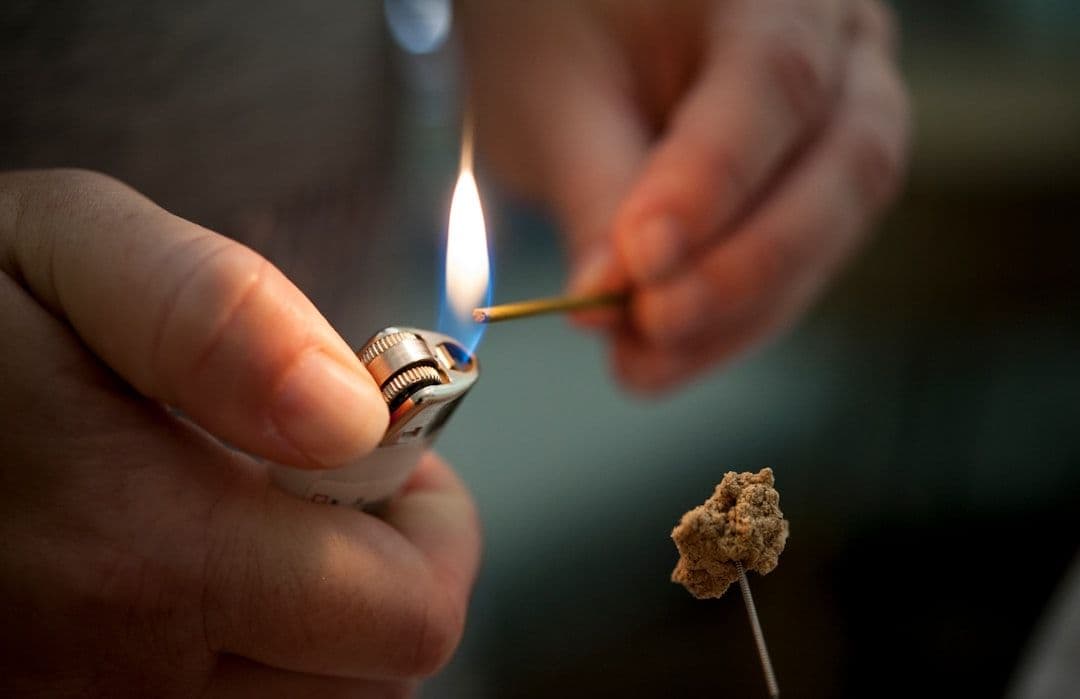
Moxibustion burns dried mugwort near acupuncture points to create healing warmth.
Moxibustion is a traditional Chinese medicine therapy that involves burning dried mugwort herb near acupuncture points to stimulate heali...
At a glance
What it is
Moxibustion burns dried mugwort near acupuncture points to create healing warmth.
Why explore it
It may ease chronic back pain, menstrual issues, and digestion when cold or deficiency patterns are present.
How it’s experienced
A practitioner waves a warm moxa stick over key points for 20–40 minutes, leaving a gentle herbal scent.
Evidence context
Rooted in millennia of Chinese medicine, though modern clinical evidence remains limited and mixed.
See the evidence snapshotSafety
Generally safe with a trained practitioner — disclose respiratory sensitivities and avoid during fever or pregnancy.
See staying safeHistory & Origin
Moxibustion is a traditional Chinese therapy that uses heated herbs to stimulate acupuncture points for healing.
Moxibustion has been a cornerstone of traditional Chinese medicine for over 2,000 years, with references appearing in ancient texts like the Yellow Emperor's Classic of Internal Medicine (Huangdi Neijing). The practice likely emerged during the Neolithic period when healers discovered that applying heat to specific body points produced therapeutic effects. The herb most commonly used, mugwort (artemisia vulgaris), was chosen for its warming properties and ability to penetrate deeply into the body's energy meridians.
The name "moxibustion" itself comes from the Japanese term "mogusa," which means "burning herb," reflecting how the therapy spread and evolved across East Asia. Chinese practitioners developed increasingly sophisticated techniques over centuries, including direct moxibustion (placing moxa directly on skin), indirect methods (using barriers between herb and skin), and moxa stick applications. Each method was refined through empirical observation and integrated into the broader framework of acupuncture and meridian theory.
During the Ming Dynasty (1368-1644), moxibustion techniques were extensively documented and systematized. The practice became particularly popular in Japan, Korea, and Vietnam, each culture adapting it to local healing traditions. By the 20th century, moxibustion had spread to Western countries, often practiced alongside acupuncture by licensed practitioners. Today, it remains a significant therapeutic tool in traditional Chinese medicine clinics worldwide, though scientific investigation into its mechanisms and effectiveness is still in relatively early stages.
Mechanism
Moxibustion is generally described as working through skilled touch, careful pacing, and the body's response to pressure, movement, warmth, or stillness. Practitioners may focus on muscle tone, joint comfort, circulation, breath, or relaxation depending on the method. Traditional explanations may also include energy flow or whole-person balance. Research support varies by modality, so the experience is best framed as supportive care with outcomes that vary. Moxibustion involves burning dried mugwort (artemisia vulgaris) — typically in stick form or pressed into cones — at or near acupuncture points on the skin.
Your first visit
A typical session outline to help you feel prepared
A moxibustion session wraps ancient herbal heat therapy around specific points on your body, leaving most people feeling deeply warmed and surprisingly calm.
Your practitioner greets you and spends 15 to 30 minutes reviewing your health history, current concerns, sleep, digestion, and energy levels to understand what your body needs most.
Following traditional Chinese medicine principles, your practitioner gently checks your pulse on both wrists and takes a look at your tongue, using these as a map to identify imbalances and choose the
You'll lie on a treatment table, fully clothed or with small areas of skin exposed depending on the points being targeted. Loose, comfortable clothing is ideal since sleeves and pant legs may need to be rolled up.
Your practitioner lights a moxa stick, a tightly rolled cylinder of dried mugwort herb, until it begins to smolder and glow. You'll notice a distinctive earthy, slightly smoky aroma filling the room.
The glowing moxa stick is held an inch or two above specific acupuncture points on your skin, gently radiating penetrating heat without ever making direct contact. Your practitioner moves it in small
Most people feel a pleasant, radiating warmth that seems to sink deeper than ordinary surface heat, sometimes traveling along pathways away from the point being warmed. Let your practitioner know righ
Once all targeted points have been warmed, your practitioner extinguishes the moxa stick safely and gives you a few quiet minutes to rest on the table and let the heat settle into your body.
Before you leave, your practitioner will suggest staying warm, avoiding cold drinks and drafts for a few hours, and sipping warm fluids. They will also discuss how many sessions may be helpful for you
The Evidence
What the research says, where the evidence is limited, and how traditional use fits into the broader picture.
A well-established tradition with emerging but limited research
Moxibustion has over 2,000 years of documented use in traditional Chinese medicine. Modern scientific research exists but remains limited in scale and methodological rigor, making it difficult to draw firm conclusions outside its traditional framework.
Studies suggest moxibustion may offer benefit for conditions such as breech presentation in pregnancy, knee osteoarthritis, and ulcerative colitis. However, most trials are small, conducted primarily in East Asia, and lack robust controls. Independent replication in diverse populations is limited, so findings should be interpreted cautiously.
Referenced in the Huangdi Neijing and refined over centuries, moxibustion represents a sophisticated empirical tradition. Within traditional Chinese medicine, it is used to warm meridians, support circulation, and address cold-related patterns. This historical depth is meaningful context, even where modern trial data is sparse.
Practitioners assess constitution, energy patterns, and lifestyle before selecting technique and point combinations. This individualised approach is central to how moxibustion is intended to work, and it also makes standardised clinical trials more difficult to design — a known limitation in holistic modality research generally.
Blinding participants in moxibustion trials is inherently difficult, as heat and smoke are perceptible. Many studies lack adequate placebo controls or independent replication. Proposed biomedical mechanisms — including local circulation changes and immune modulation — remain under investigation. Evidence is promising in places but not yet conclusive.
Smoke inhalation is a practical concern; sessions require good ventilation. Moxibustion is not appropriate over broken skin, varicose veins, or the face. Pregnant individuals should avoid abdominal application, especially in the first trimester. Those with undiagnosed symptoms, serious medical conditions, or blood-thinning medications should consult a qualified health professional before starting.
Look for practitioners with formal training in traditional Chinese medicine or acupuncture who include moxibustion within their scope. Check local registration or accreditation requirements, as these differ internationally. A qualified practitioner will conduct a thorough intake, explain the technique used, and adapt the session to your individual circumstances.
Safety first
General guidance to help you decide whether this approach is appropriate for you. This is informational only and not a substitute for medical, psychological, or professional advice.
If you are pregnant, managing a health condition, recovering from injury or surgery, or taking medication, consult a qualified healthcare professional first.
Some situations call for extra care or a different approach. Share any conditions, injuries, or sensitivities with your practitioner before your first session.
Look for clear boundaries, transparent pricing, and practitioners who avoid fear-based claims or pressure to book frequent sessions.
Mild, short-lived effects such as tenderness, tiredness, or temporary soreness can occur. Rest, hydrate, and tell your practitioner how you respond.
For you?
A simple, human way to weigh it up. This is general guidance, not personal medical advice — a qualified practitioner can advise on your situation.
Gyfts is a discovery platform, not a medical provider. Nothing here diagnoses, treats or replaces professional care. In an emergency, contact your local emergency number.
Explore approaches
Other practices people often explore alongside moxibustion.
In their words
FAQ
No, moxibustion should not be painful. You will feel pleasant, penetrating warmth that gradually builds. If you experience sharp pain or burning, inform your practitioner immediately. Some people find the sensation deeply relaxing.
Most conditions benefit from a series of 6-12 sessions, typically administered weekly or twice weekly initially. Chronic conditions may require ongoing treatment, while acute conditions may resolve in fewer sessions. Your practitioner will recommend a personalized treatment plan based on your specific condition and response to therapy.
Avoid cold water, cold air, drafts, and strenuous exercise for several hours after treatment. Do not shower or bathe in cold water for at least 2-4 hours. Drink warm herbal tea or water instead. This allows your body to fully integrate the warming effects of treatment.
Yes, moxibustion is frequently combined with acupuncture in the same session. Many practitioners consider them complementary therapies that enhance each other's effects. Your practitioner can advise whether combining these modalities is appropriate for your condition.
Some people find moxa smoke irritating, particularly those with asthma, COPD, or respiratory sensitivities. Modern practitioners often use low-smoke moxa or smokeless alternatives. Ensure treatment occurs in a well-ventilated space. Inform your practitioner of any respiratory concerns.
Moxibustion of the abdomen should be avoided during pregnancy, particularly in the first trimester. Some traditional practices use specific moxibustion points to address pregnancy-related discomfort or breech positioning in later pregnancy, but only with experienced practitioners. Consult your OB-GYN and TCM practitioner before treatment.
According to traditional Chinese medicine, the warmth from moxibustion stimulates the flow of Qi (vital energy) and blood along meridians, removes cold and stagnation, and strengthens the body's defensive energy. From a conventional perspective, heat increases local circulation, reduces muscle tension, and may trigger relaxation responses.
While self-moxibustion tools are available, it is safest to receive treatment from a trained practitioner initially. They can identify appropriate points, assess your condition properly, and ensure safe technique. Some practitioners may teach you home maintenance techniques after initial sessions.
References
Educational sources that inform this overview. Inclusion is for context and does not imply endorsement.
Full citations are maintained by the Gyfts editorial team and reviewed periodically.
Keep exploring
Browse practitioners, explore honest overviews, and take what you learn to a conversation — at your own pace.